If you’ve thawed meat and didn’t use it, you might be wondering: Can you refreeze it? The answer is yes, but only if certain safety rules are followed. According to USDA guidelines:
- Meat thawed in the refrigerator at or below 40°F is safe to refreeze.
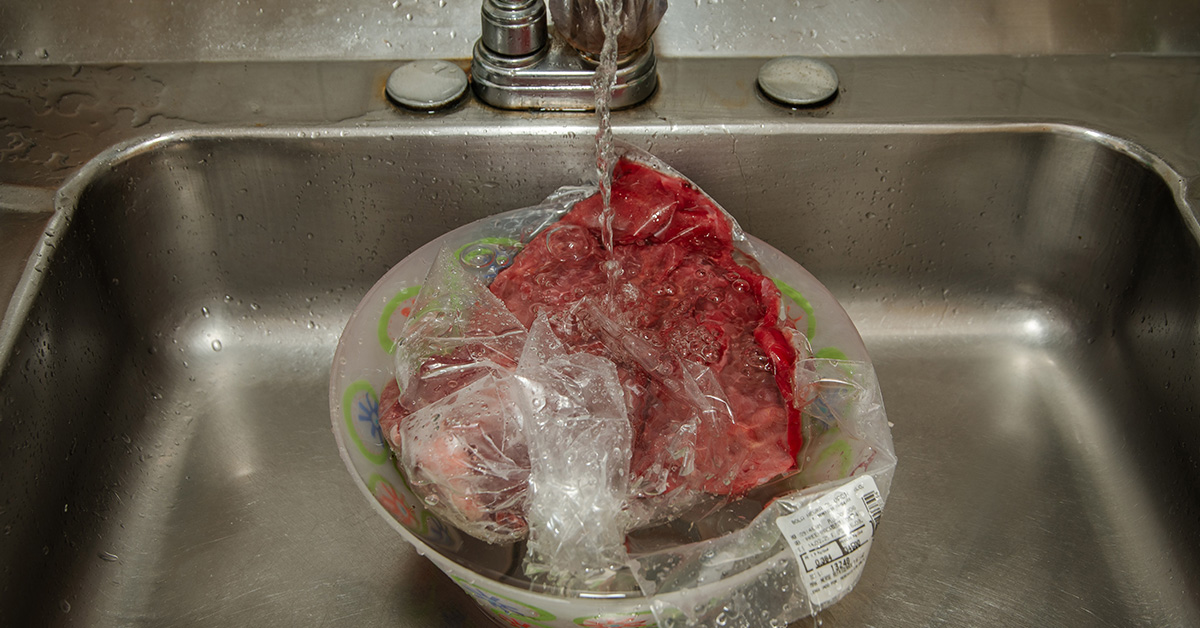
- Meat thawed using cold water or a microwave must be cooked immediately before refreezing.
- Never refreeze meat thawed at room temperature or left out for more than 2 hours (1 hour if above 90°F).
Key Points:
- Ground meat and poultry: Refreeze within 1–2 days.
- Whole cuts (steaks, roasts): Refreeze within 3–5 days.
- Cooked meat: Safe to refreeze if cooled to 40°F or below within 2 hours after cooking.
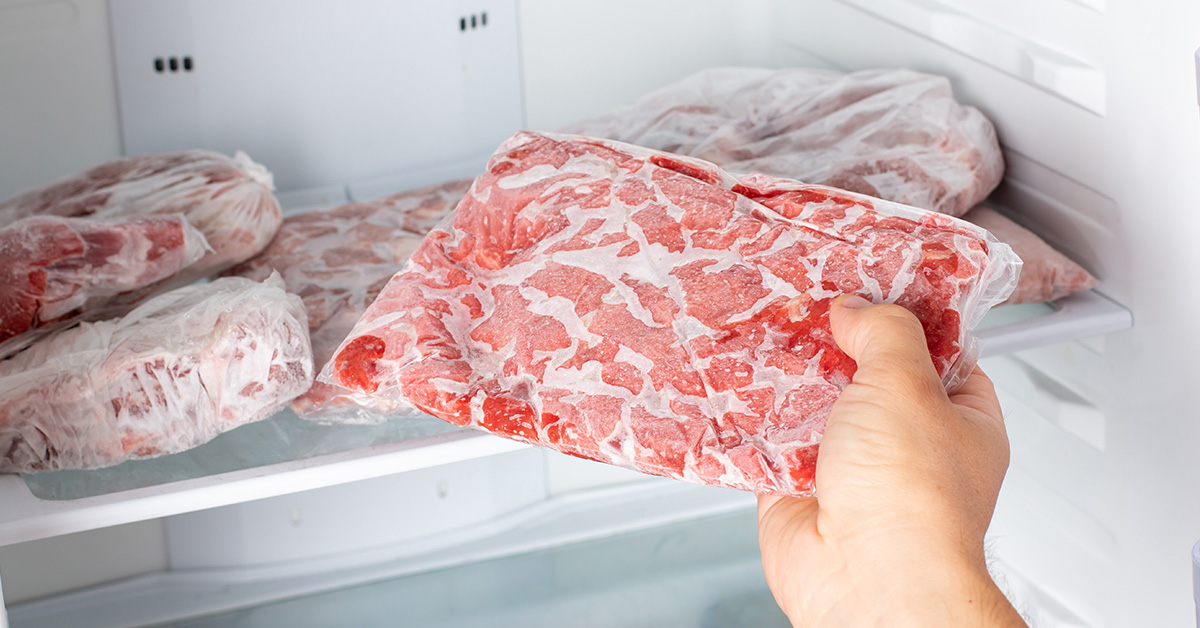
Refreezing may affect meat quality, causing texture and flavor changes due to moisture loss. Proper packaging (airtight and labeled) can help minimize these effects and prevent freezer burn. Always check for spoilage signs like odor, slimy texture, or discoloration before refreezing.
Follow these steps to safely handle and refreeze meat while minimizing waste and maintaining safety.
Can You Refreeze Thawed Meat?
USDA Rules for Refreezing Thawed Meat
The USDA has established clear guidelines for refreezing meat, all centered around food safety. These rules aim to reduce the risk of bacterial contamination and ensure safe consumption.
USDA Guidelines for Safe Refreezing
The key to safe refreezing lies in temperature control. Meat that has been thawed but kept at or below 40°F is generally safe to refreeze. However, once the meat enters the "danger zone" – temperatures between 40°F and 140°F – bacteria can multiply rapidly. According to the USDA, meat left in this temperature range for more than two hours should not be refrozen and must be discarded.
It’s essential to monitor your refrigerator’s temperature. If it rises above 40°F, even meat thawed in the fridge could become unsafe. A refrigerator thermometer is a handy tool to ensure proper storage conditions.

For specific timeframes:
- Ground meat and poultry should be refrozen within 1–2 days of thawing.
- Whole cuts of meat, like steaks or roasts, can be refrozen within 3–5 days.
But what about the difference between raw and cooked meat? Let’s take a closer look.
Raw vs. Cooked Meat: Different Rules Apply
Raw meat demands extra care since it hasn’t undergone the bacteria-killing process of cooking. For example, raw ground beef, pork, lamb, and poultry should only be refrozen if thawed in the refrigerator and kept consistently below 40°F.

Cooked meat, on the other hand, offers more flexibility. When cooked to an internal temperature of 165°F, most harmful bacteria are eliminated, making it safer to refreeze. However, the cooked meat must be cooled back down to 40°F or below within two hours after cooking to ensure safety.
Whether fresh or previously frozen, meat is safe to refreeze as long as it has been thawed properly in the refrigerator.
Safe Thawing Methods and Refreezing Rules
The way meat is thawed plays a crucial role in whether it can be safely refrozen. Here’s how different thawing methods compare:
- Refrigerator Thawing: This is the safest method. A refrigerator set at 40°F or below allows meat to thaw slowly and evenly, keeping it safe for refreezing without cooking. Larger cuts like roasts may take 2–3 days to fully thaw, so patience is key. Use a refrigerator thermometer to ensure consistent temperatures.
- Cold Water and Microwave Thawing: These methods can cause uneven heating, which creates safety concerns. Meat thawed using cold water (with frequent water changes) or a microwave must be cooked immediately before refreezing.
- Room Temperature Thawing: Avoid thawing meat at room temperature. Even if the surface feels cool, the interior may reach unsafe temperatures. Meat thawed this way should be cooked immediately and not refrozen in its raw state.
If the meat still has ice crystals or is partially frozen, it is safe to refreeze, provided all other safety guidelines are met.
When Is It Safe to Refreeze Thawed Meat?
Knowing when it’s safe to refreeze thawed meat is crucial to avoid foodborne illnesses and unnecessary waste. The decision depends on several factors, primarily whether the meat has been kept at safe temperatures that prevent harmful bacteria from multiplying. Let’s break down the guidelines based on USDA recommendations and common thawing scenarios.
Safe Conditions for Refreezing Meat
Temperature control is key when deciding if meat can be safely refrozen. According to USDA guidelines, meat that stays at 40°F or below during the thawing process can be refrozen without needing to cook it first.
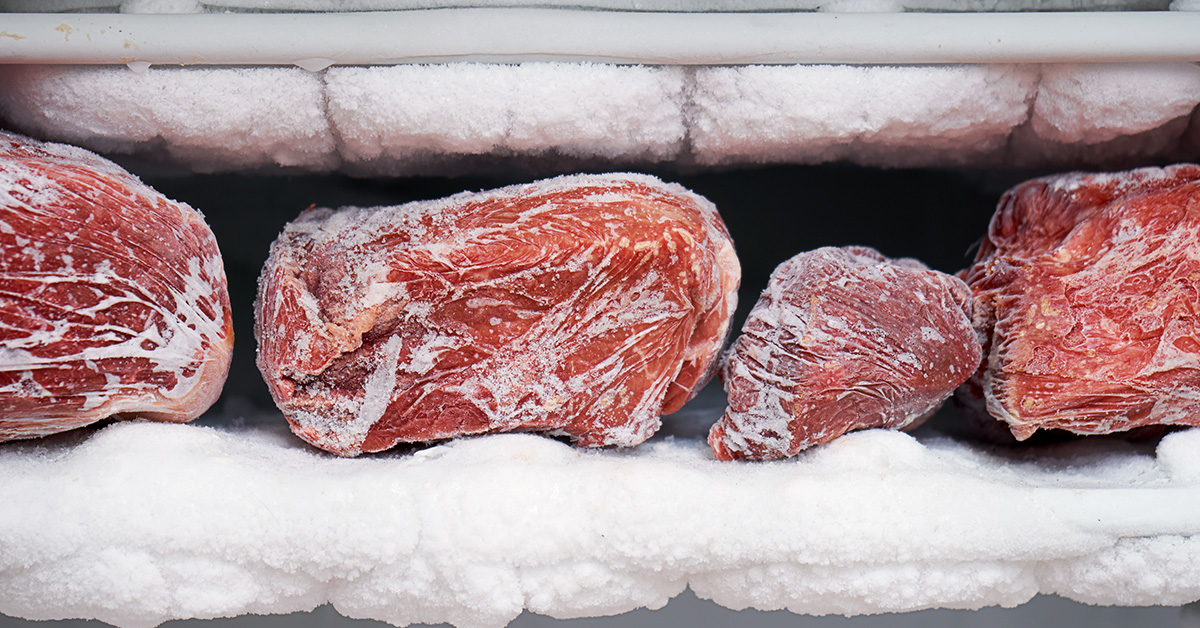
Here are the situations where refreezing is considered safe:
- Meat thawed in the refrigerator: If the meat has been consistently kept cold within the USDA’s recommended timeframes, it’s safe to refreeze. Ground meats have a shorter safe window because their larger surface area allows bacteria to grow more quickly. Whole cuts like steaks and roasts are less risky since bacteria typically only affect the surface initially.
- Meat with visible ice crystals: If the meat is still partially frozen and has ice crystals, it’s safe to refreeze no matter how it was thawed. Ice crystals indicate the meat hasn’t fully reached unsafe temperature ranges.
- Cooked meat: Once meat is cooked to an internal temperature of 165°F, any bacteria present are destroyed. If handled properly after cooking, the meat can be cooled and safely refrozen.
When You Should Not Refreeze Meat
Certain conditions make refreezing unsafe. Avoid refreezing meat in the following scenarios:
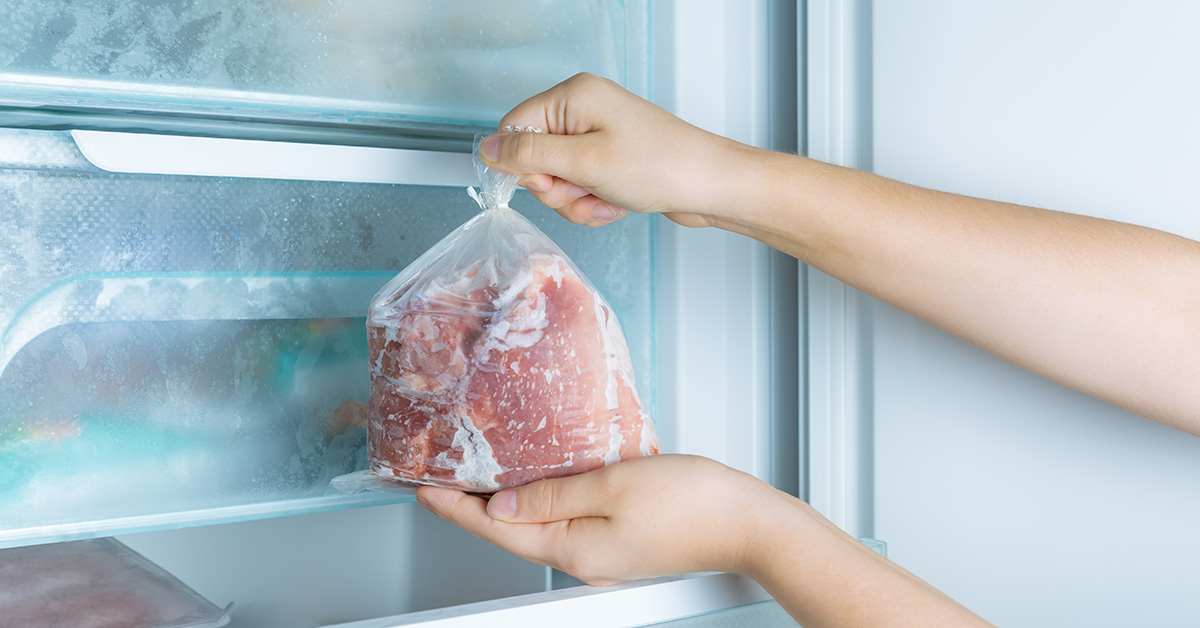
- Meat left at room temperature: If meat has been at room temperature for more than two hours – or more than one hour in temperatures above 90°F – it should not be refrozen. These conditions allow bacteria to grow rapidly.
- Meat thawed in warm water or at room temperature: These methods can lead to uneven thawing. The surface of the meat may reach unsafe temperatures while the interior remains frozen, creating an environment where bacteria can thrive.
- Spoiled meat: Meat showing signs of spoilage – such as an off smell, slimy texture, or discoloration – should be discarded, not refrozen.
- After a power outage: If your freezer’s temperature rises above 40°F for more than two hours, any previously frozen meat that has thawed should not be refrozen unless it still contains ice crystals and feels as cold as refrigerated meat.
Safe vs. Unsafe Thawing Methods Comparison
Different thawing methods affect whether meat can be safely refrozen. Here’s a quick comparison:
| Thawing Method | Safe to Refreeze? | Requirements |
|---|---|---|
| Refrigerator (40°F or below) | Yes | Must stay below 40°F consistently |
| Cold water (changed every 30 minutes) | Only after cooking | Requires immediate cooking |
| Microwave defrosting | Only after cooking | Requires immediate cooking |
| Room temperature | No | Should be cooked immediately |
| Hot water or warm areas | No | Unsafe – discard if left too long |
The refrigerator method is the safest way to thaw meat, as it keeps the temperature consistently below 40°F. While it requires planning ahead, it’s the only method that allows you to refreeze raw meat without cooking it first.
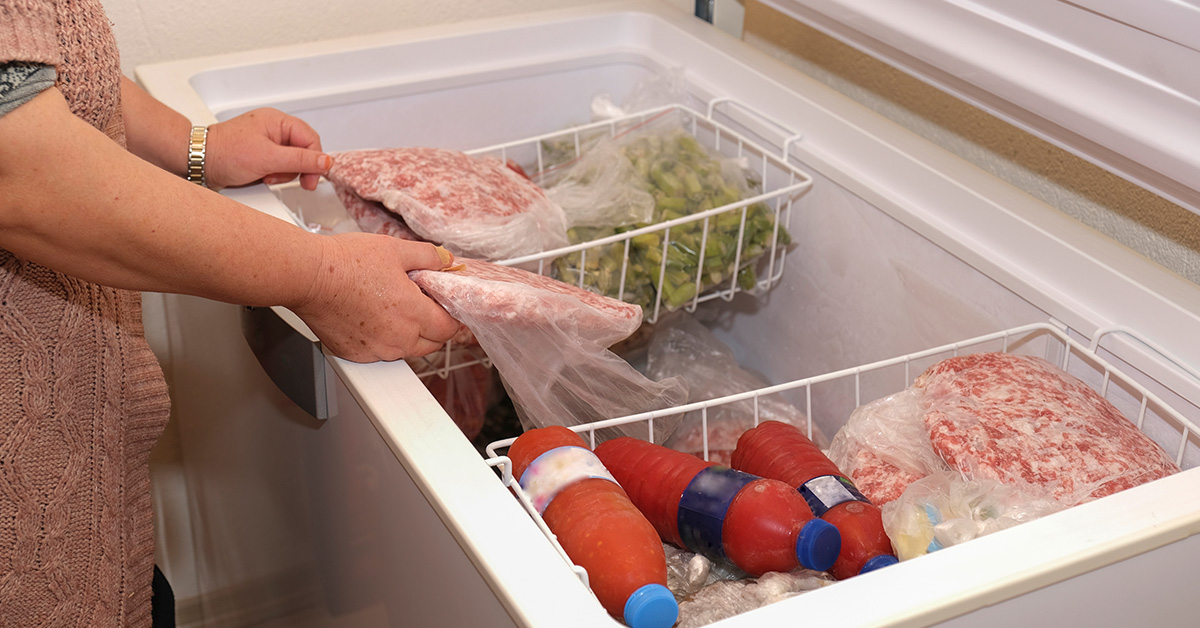
Keep in mind that even with safe thawing methods, time limits still apply. For example, a steak thawed in the refrigerator on Monday should be used or refrozen by Thursday or Friday, depending on the cut and your refrigerator’s ability to maintain proper temperatures.
sbb-itb-5ae85c5
How Refreezing Affects Meat Quality
Refreezing meat might be safe if done correctly, but it can impact the overall quality. Every time meat goes through a freeze-thaw cycle, its cellular structure changes, which can alter its texture, flavor, and how enjoyable it is to eat. Knowing these effects can help you decide whether refreezing is the right choice or if it’s better to use the meat right away.
Changes in Meat Texture and Flavor
Freezing and thawing create ice crystals that damage the meat’s muscle fibers, leading to a softer texture and more liquid loss. This liquid, called "purge" or "drip loss", is often noticeable when you thaw refrozen meat, especially ground meat, which is more prone to damage due to its larger surface area.
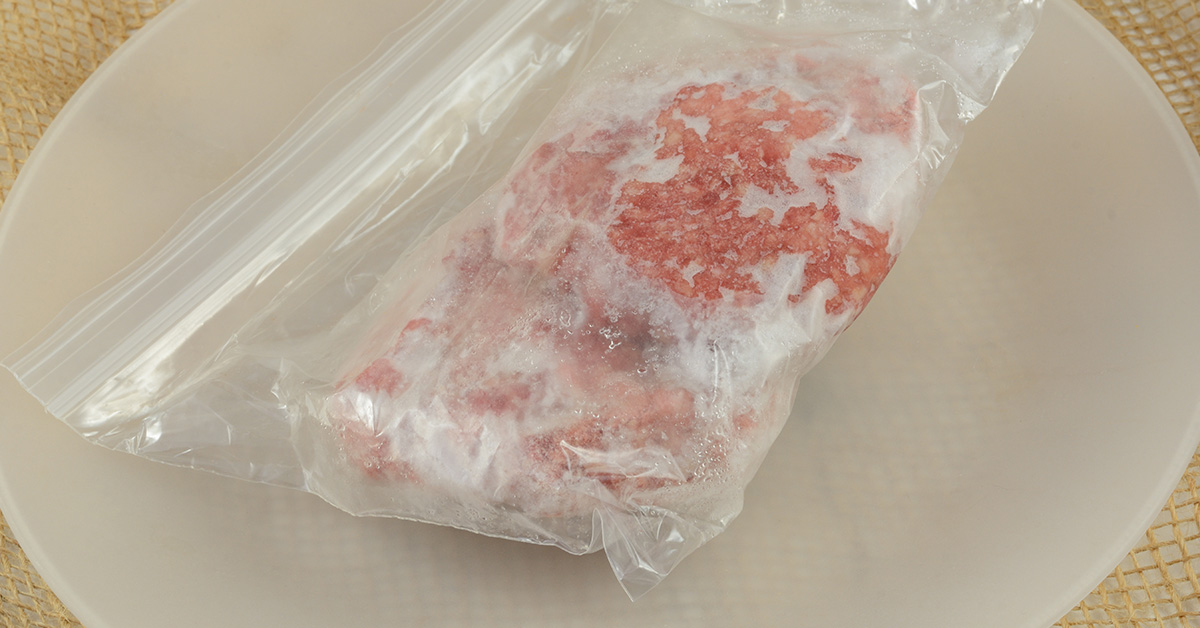
When it comes to flavor, the changes are usually mild but noticeable. The moisture loss can carry away some of the meat’s natural juices, which hold flavor compounds. As a result, refrozen meat might taste slightly less flavorful, particularly lean cuts like chicken breast or pork tenderloin, where there’s minimal fat to help retain moisture and flavor.
You can counteract these quality changes with certain cooking methods. Techniques like braising, slow cooking, or marinating can help add moisture back into the meat and enhance its flavor. These methods are especially effective for tougher cuts that naturally benefit from longer, slower cooking.
These shifts in texture and flavor bring us to another common issue – freezer burn.
What Is Freezer Burn and How to Prevent It
Freezer burn shows up as dry, discolored patches on the meat caused by moisture loss due to air exposure. Despite the name, freezer burn isn’t about the freezer being too cold. Instead, it happens when cold, dry air pulls moisture from the surface of the meat.
Good packaging is key to preventing freezer burn. Using airtight wrapping and maintaining a consistent freezer temperature can minimize the risk. Aim to keep your freezer at 0°F or below, and store meat toward the back where the temperature is most stable. For more detailed storage tips, check out the Best Practices section.
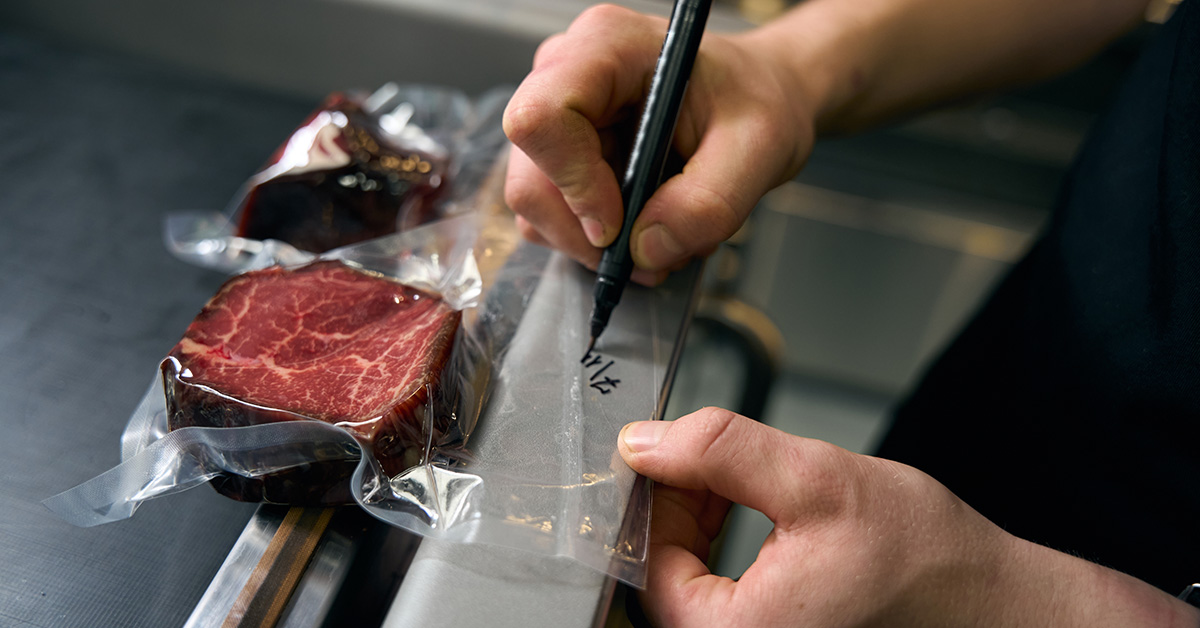
Label your packages with dates so you can use older items first. Even with proper packaging, meat can develop freezer burn over time. Most meats maintain their best quality for 4-12 months, depending on the type of cut and how it’s stored.
If you notice freezer burn, you don’t have to throw the meat away. Simply trim off the affected areas before cooking. The rest of the meat is safe to eat, though the quality might not be as good as properly stored meat.
Best Practices for Safe Meat Handling and Refreezing
Handling meat safely during thawing and refreezing is essential for avoiding food safety risks and maintaining quality. Following these straightforward practices can help you manage meat properly and keep it safe for consumption.
Step-by-Step Guide to Thawing and Refreezing Meat
Thaw meat in the refrigerator at or below 40°F. Place the meat on a plate or in a container to catch any drips and allow about 24 hours for every 4-5 pounds. If you’re short on time, you can submerge the meat in cold water, replacing the water every 30 minutes to speed up the process.

Inspect the meat before refreezing. Check for any unusual odors, slimy textures, or discoloration. The meat should still feel cold to the touch. If it has reached room temperature or feels warm, it’s best not to refreeze it. Ground meat and poultry require extra care, as they are more prone to spoilage.
Refreeze within recommended timeframes. Meat thawed in the refrigerator can be refrozen if it has been stored for less than two days – or one day for ground meat and poultry. If you used a microwave or warm water to thaw the meat, it must be cooked before refreezing.
Portion large cuts into smaller packages. Dividing meat into meal-sized portions reduces thawing time later and helps preserve quality. Smaller packages freeze more quickly, minimizing ice crystal formation, which can damage the meat’s texture.
Once thawed correctly, take the necessary steps to package the meat for safe storage.
Proper Packaging and Labeling for Storage
After thawing, proper packaging ensures the meat stays fresh and safe during refreezing.
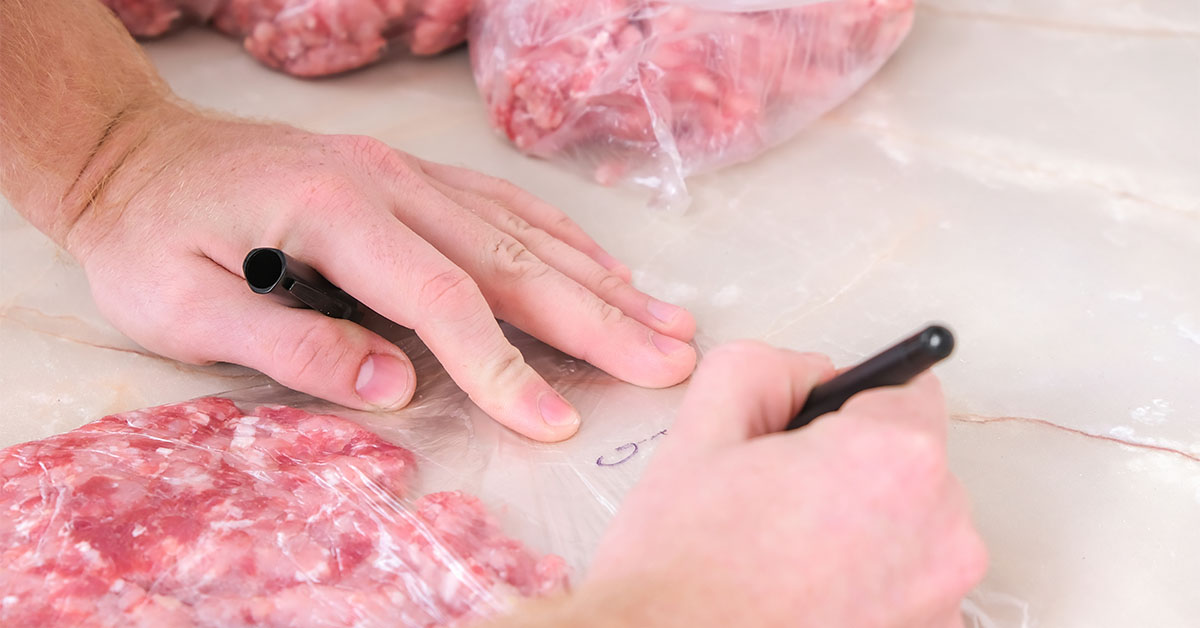
Double-wrap meat to prevent freezer burn. Start with the original packaging if it’s still intact, and then wrap the meat in aluminum foil, freezer paper, or place it in a freezer bag. Be sure to remove as much air as possible to protect the meat from exposure.
Use freezer-specific materials. Regular plastic wrap or standard storage bags aren’t as effective for freezer use and may allow air to seep in. For longer storage, vacuum-sealing is an excellent option, but double-wrapping can also work well for most home cooks.
Label packages clearly. Write down details such as the type of meat, the date it was first frozen, and the date it was refrozen. For example, use a label like: "Chicken Thighs – First Frozen: 11/15/2025 – Refrozen: 11/21/2025." Keeping track of these details helps you use older items first and ensures nothing stays in the freezer too long.
Store meat in the back of the freezer. This area maintains the most consistent temperatures, unlike the door or front sections, which are affected by frequent opening. Keep your freezer at 0°F or below for the best results.
Wild Country Meats‘ Standards for Safe Storage
Wild Country Meats adheres to strict safety and quality protocols to ensure their products are ready for safe handling and refreezing at home.
USDA-inspected processing ensures top-notch safety. Every animal processed at Wild Country Meats is tagged, photographed, and inventoried to provide full traceability. This meticulous process guarantees that the meat you receive has been handled with care from start to finish.

Custom packaging supports long-term storage. Wild Country Meats tailors their packaging to fit your needs, portioning and wrapping meat according to how you plan to use it. This eliminates the need for repacking at home, reducing air exposure and preserving quality.
Detailed labeling simplifies storage management. Their labels clearly identify cuts, processing dates, and handling instructions, making it easier to manage your freezer inventory. This attention to detail helps you stick to safe handling practices and stay within USDA guidelines at home.
Conclusion: Safe Refreezing Guidelines Summary
Refreezing thawed meat can be done safely if you stick to USDA guidelines. The key is to thaw meat in the refrigerator at a temperature of 40°F or below and refreeze it within the recommended time frame. If you’ve used other thawing methods (like a microwave or cold water), cook the meat right away instead of refreezing it. Never refreeze meat that’s been left at room temperature beyond safe time limits. If you’re unsure how long it’s been thawed or at what temperature, it’s best to cook it immediately or throw it out.
While safety is the main concern, quality matters, too. Refreezing meat can lead to some quality loss, mostly because of moisture loss and ice crystal formation. To reduce these effects, make sure to use proper packaging – remove as much air as possible and store the meat at a consistent 0°F. The texture might change slightly, but the nutritional value will stay intact.
Keeping meat at the correct temperature is essential for safe handling. These guidelines are a quick reminder of the steps to protect both safety and quality. For more detailed instructions and packaging tips, check out the earlier sections from Wild Country Meats.
FAQs
Is it safe to refreeze meat that was thawed at room temperature?
No, refreezing meat thawed at room temperature is not safe. When meat stays in the danger zone – temperatures between 40°F and 140°F – for too long, bacteria can multiply rapidly, raising the risk of foodborne illnesses.
To ensure safety, always thaw meat using safer methods like the refrigerator, cold water, or a microwave. Avoid leaving it out at room temperature for more than 2 hours. Proper handling is crucial to keeping your food safe and maintaining its quality.
What’s the best way to preserve the quality of meat if I need to refreeze it?
To maintain the best quality when refreezing meat, ensure it is frozen quickly and stored at 0°F or below. Use airtight packaging like vacuum-sealed bags or heavy-duty freezer wrap to protect it from freezer burn and lock in flavor. For optimal results, aim to refreeze the meat within one to two days of thawing, as long as it was kept in the refrigerator.
What should I check for before refreezing thawed meat to ensure it’s safe?
Before refreezing thawed meat, it’s important to check for any signs that it might have gone bad. Pay attention to strange odors, odd discoloration, or a slimy feel. If you spot any of these, it’s safer to throw the meat away since it could pose a health risk.
To ensure safety and preserve quality, always handle meat carefully. Keep it at a temperature below 40°F and refreeze it promptly.