
Getting the right freezer temperature is key to keeping meat safe and maintaining its quality over time. Here’s what you need to know:
- Temperature Matters: Set your freezer to 0°F (-18°C) or lower to stop bacterial growth and preserve meat quality.
- Packaging is Critical: Vacuum sealing offers the best protection against freezer burn, keeping meat in good condition for up to 2–3 years.
- Storage Times Vary: Raw ground meat is best used within 3–4 months, while whole cuts last longer. Cooked meats should be consumed within 2–3 months.
- Freezing Quickly Helps: Rapid freezing reduces ice crystal formation, preventing texture damage.
- Thaw Safely: Use the refrigerator for safe thawing, or cold water for faster results. Avoid thawing meat at room temperature.
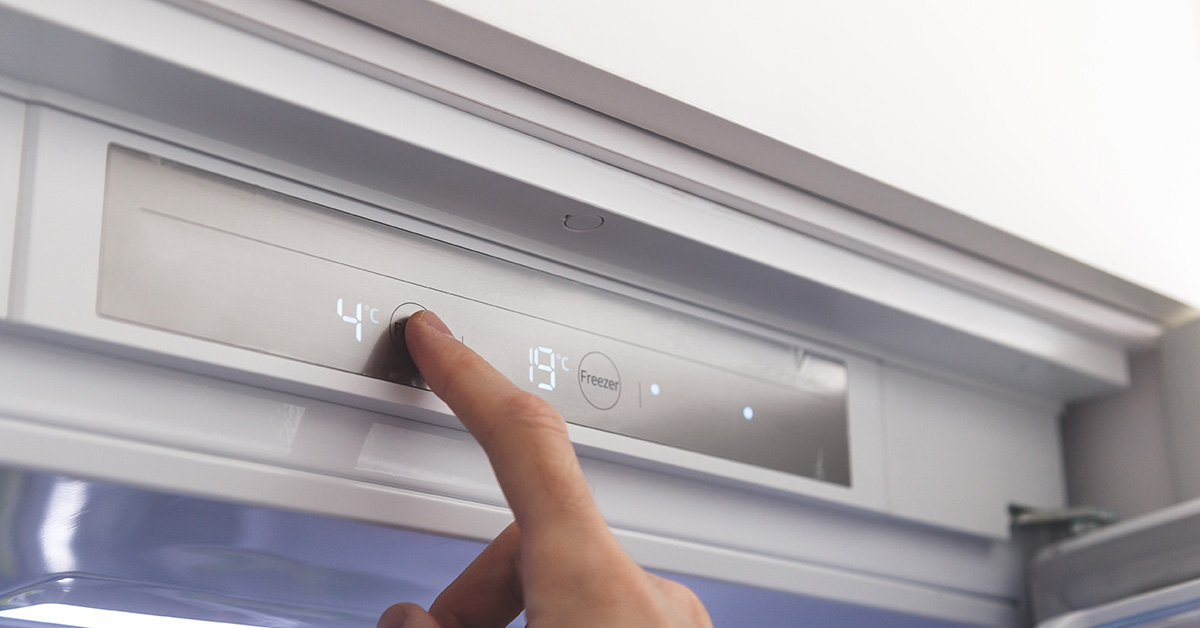
For the best results, maintain a consistent freezer temperature, organize your meat for easy access, and use proper packaging to prevent quality loss. Following these steps ensures your meat stays safe and enjoyable for months to come.
Optimal Freezer Temperature for Meat Storage
USDA-Recommended Freezer Temperature
The USDA advises keeping your freezer at 0°F (-18°C) or below to store meat safely. At this temperature, bacterial growth is slowed to a crawl, making the meat safe to eat indefinitely. However, while safety is maintained, the quality of the meat may decline over time, depending on factors like the type of meat and its packaging. Keeping the freezer consistently at 0°F ensures that microbial activity remains minimal.
Different types of meat benefit from slightly adjusted freezing temperatures. For example:
- General meats are best stored at 0°F (-18°C).
- Seafood fares better at -1°F (-18°C).
- Poultry is ideally stored at -2°F (-19°C).
These slight variations account for differences in moisture levels and cellular structures among various meats.
To ensure your freezer is at the right temperature, use a reliable appliance thermometer instead of relying solely on the freezer’s built-in controls. At 0°F, spoilage slows dramatically, and freezing also eliminates many parasites, such as tapeworms. This helps reduce the risk of foodborne illnesses caused by pathogens like E. coli and Listeria.
For optimal results, focus on three key practices:
- Freeze meat rapidly to lock in quality.
- Use packaging specifically designed for freezer storage to minimize moisture loss and air exposure.
- Maintain a steady freezer temperature at 0°F or below.
How Temperature Changes Affect Meat Quality
While 0°F is the gold standard for preserving meat safety, even small temperature increases can harm its quality. To illustrate, frozen beans stored at 0°F for one year will experience the same quality loss as:
- Three months at 10°F.
- Three weeks at 20°F.
- Just five days at 30°F.

The same principle applies to meat. Every degree above the recommended temperature accelerates quality degradation.
One visible sign of temperature-related damage is freezer burn, which appears as grayish-brown, leathery patches on the meat’s surface. This happens when moisture evaporates and forms ice crystals. While freezer-burned meat is still safe to eat, the affected spots tend to be tough and flavorless. Even minor temperature fluctuations can cause larger ice crystals to form, further compromising the meat’s texture by breaking down its cellular structure.
| Temperature | Quality Loss Rate (Example: Frozen Beans) |
|---|---|
| 0°F | 1 year for baseline quality loss |
| 10°F | 3 months for equivalent quality loss |
| 20°F | 3 weeks for equivalent quality loss |
| 30°F | 5 days for equivalent quality loss |
Deep Freezing for Longer Storage
For those needing to store meat for extended periods, deep freezing offers an even better solution. This technique involves specialized equipment that can achieve much lower temperatures than the typical home freezer. While 0°F is sufficient for most households, commercial processors use ultra-low temperatures to significantly extend shelf life. These methods are usually reserved for industrial or specialized storage needs.
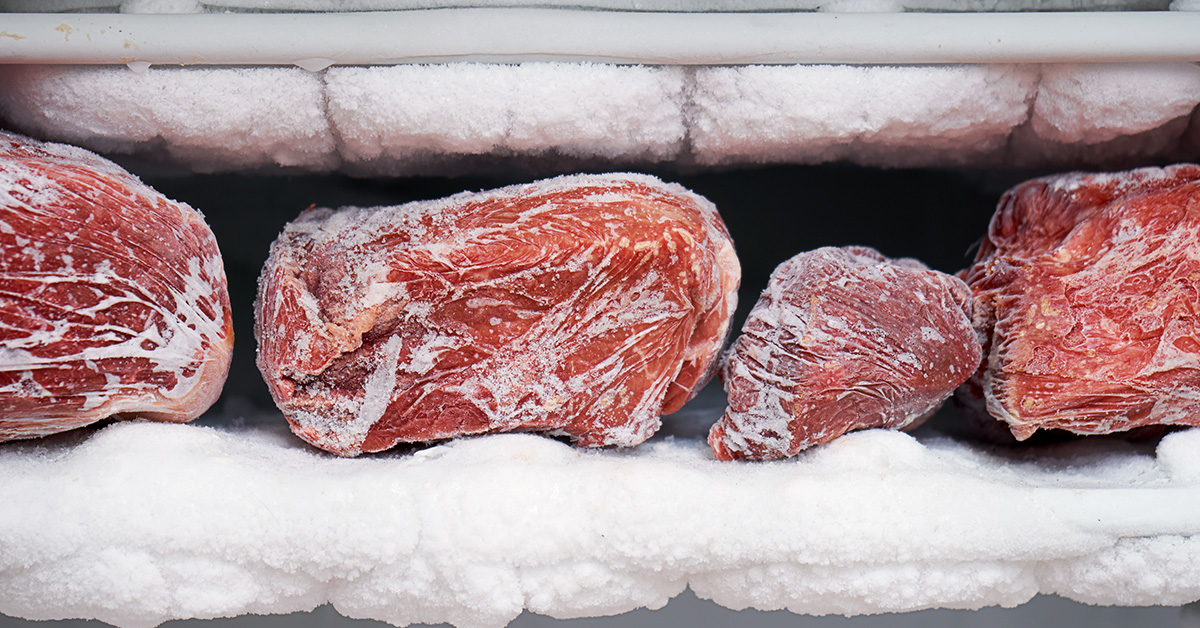
For home use, maintaining a steady 0°F (-18°C) is enough to preserve meat quality for long-term storage. However, one critical step before freezing is to chill freshly slaughtered meat to 40°F within 24 hours. This pre-chilling process ensures the meat enters the freezer in the best possible condition. Placing warm meat directly into the freezer can raise the internal temperature of nearby items, potentially affecting their quality. By cooling it properly beforehand, you help protect everything in your freezer.
How Long Different Meats Last in the Freezer
Freezer Storage Times by Meat Type
Meat stored at 0°F (-18°C) is safe to eat indefinitely, but its flavor and texture will decline over time. The USDA and FDA guidelines focus on preserving quality rather than ensuring it lasts forever.
- Ground meats: Use raw ground meats within 3–4 months and cooked ground meats within 2–3 months. Grinding meat increases its surface area, speeding up oxidation.
- Whole cuts (like steaks, roasts, and chops): These keep their quality longer when raw because their structure protects them better. Once cooked, they’re best consumed within 2–3 months.
- Poultry: Whether it’s a whole bird or individual cuts, cooked poultry also holds up best for 2–3 months.
- Seafood and fish: These are more delicate due to their texture and moisture, so extra care is needed.
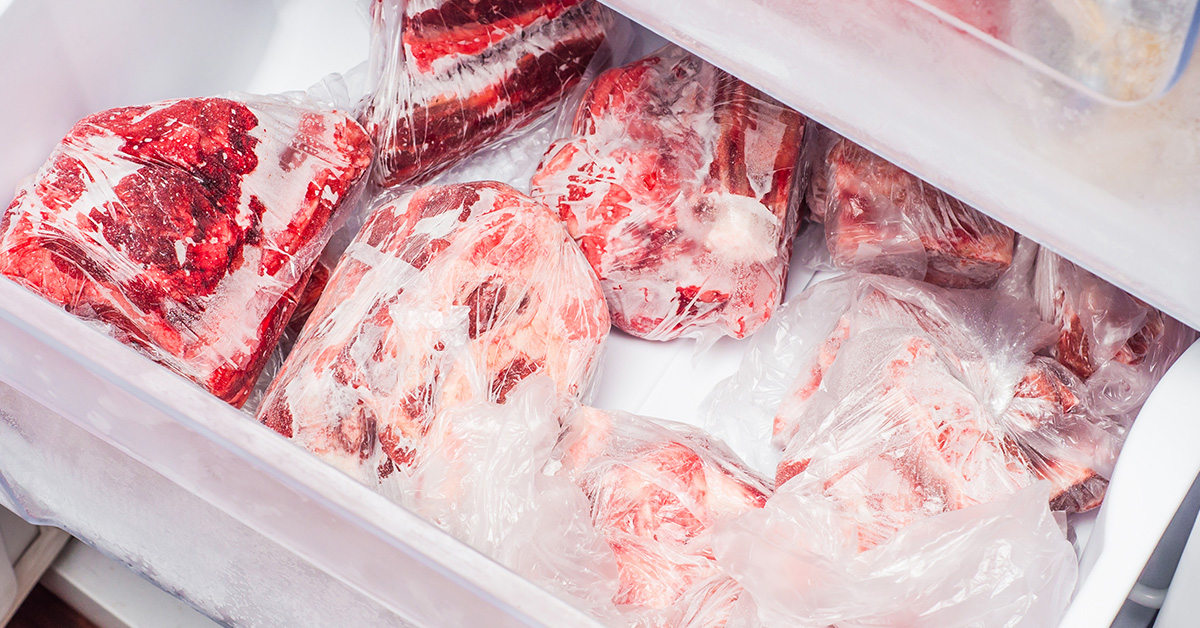
Here’s a quick breakdown:
| Meat Type | Raw Storage Time | Cooked Storage Time | Key Consideration |
|---|---|---|---|
| Ground meats (beef, pork, lamb) | 3–4 months | 2–3 months | Higher surface area exposure |
| Whole cuts (steaks, roasts, chops) | Longer than ground | 2–3 months | Better oxidation protection |
| Poultry (chicken, turkey) | Varies by cut | 2–3 months | Requires proper packaging |
| All cooked meats | N/A | 2–3 months | Shorter than raw equivalents |
If you’re buying in bulk, like from Wild Country Meats, use ground portions first and save whole cuts for later.
What Affects Meat Shelf Life
Keeping your freezer at a steady 0°F (-18°C) is essential, but other factors also influence how long frozen meat stays at its best:
- Fat Content: Fattier cuts don’t last as long because fat oxidizes, leading to off-flavors.
- Packaging Quality: Vacuum-sealing is the gold standard for reducing air exposure and preserving quality.
- Freezer Type: Chest freezers are better at maintaining consistent temperatures compared to upright models. Manual defrost freezers are preferred for long-term storage since frost-free models can experience slight temperature changes that speed up quality loss.
- Freezing Process: Freeze meat quickly and evenly. Limit unfrozen meat to 2–3 lbs per cubic foot per day, lay packages flat in the coldest part of the freezer (usually the bottom shelf), and restack only after freezing is complete.
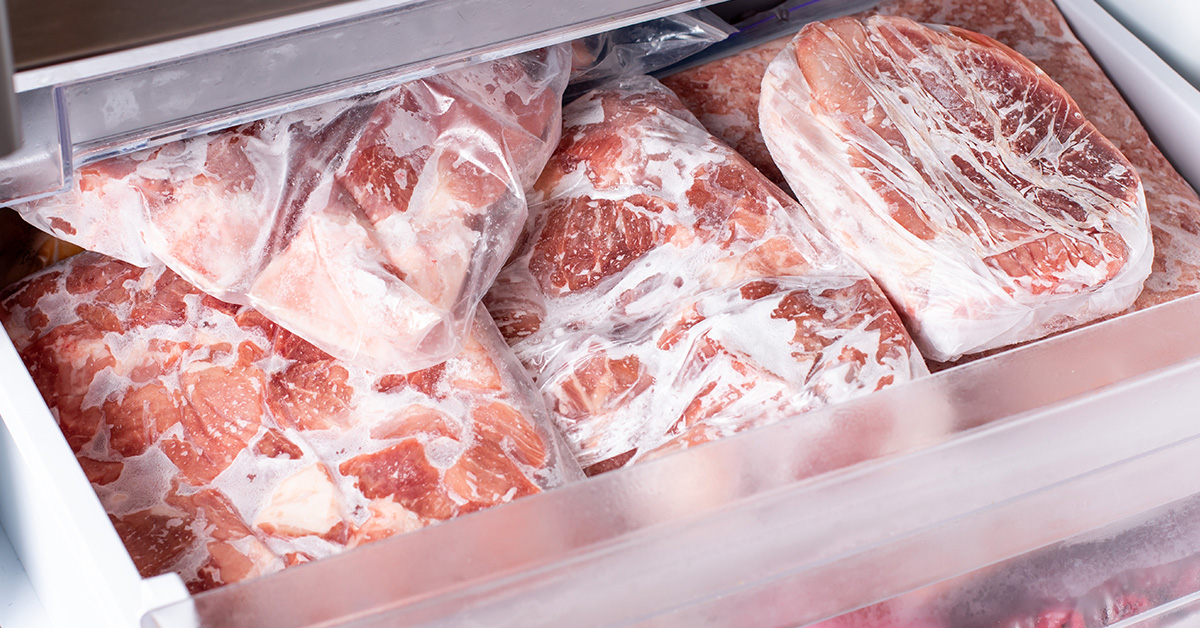
For best results, lower your freezer to –10°F about 24 hours before adding fresh meat. This rapid freezing process creates smaller ice crystals, minimizing damage to the meat’s structure. Once everything is frozen solid, you can return the freezer to its normal 0°F setting.
To keep tabs on your freezer’s performance, place a thermometer between packages and check it after 5–8 hours. This simple step ensures your meat stays in top condition.
What’s the best way to store beef in the freezer? A new study has the answer.
How to Package Meat to Prevent Freezer Burn
Proper packaging is just as important as maintaining a steady freezer temperature when it comes to preserving the quality of your meat.
Freezer burn occurs when air comes into contact with the surface of frozen meat, causing moisture to escape and leaving behind dry, discolored patches. While freezer-burned meat is still safe to eat, it often ends up with a tough texture and diminished flavor. The key to preventing this is to create a barrier that keeps air away from the meat, ensuring it stays fresh for months – or even years.
Vacuum Sealing: The Gold Standard
Vacuum sealing is one of the most effective ways to protect meat from freezer burn. By removing nearly all the air around the meat, this method keeps it in excellent condition for up to 2–3 years, as long as your freezer stays at 0°F (-18°C). The airtight seal prevents moisture loss and blocks oxygen, which means no freezer burn and no unpleasant flavors caused by oxidation.
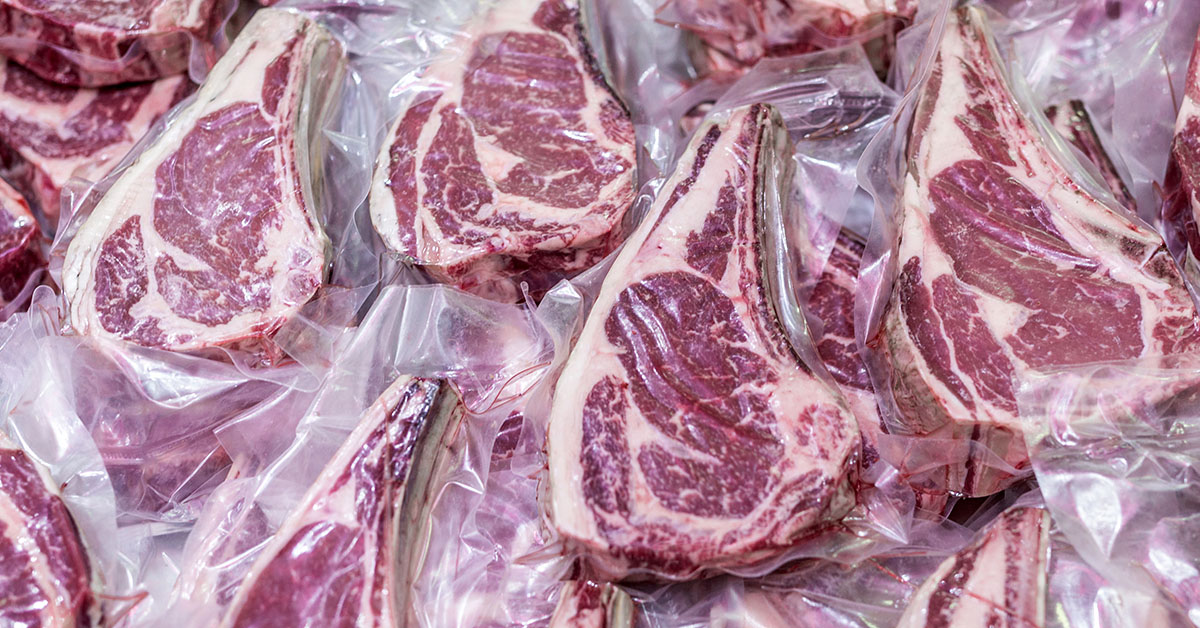
If you’re storing premium cuts or stocking up on bulk purchases from places like Wild Country Meats, vacuum sealing is the way to go. Here’s how to do it:
- Pat the meat dry to remove excess moisture.
- Place the meat in a vacuum-seal bag, leaving enough space at the top for a secure seal.
- Run the vacuum sealer to remove air and seal the bag.
For cuts with sharp bones, wrap them in plastic wrap or freezer paper before vacuum sealing to prevent punctures.
Freezer Paper and Plastic Wrap: A Reliable Alternative
If you don’t have a vacuum sealer, don’t worry. A combination of plastic wrap and freezer paper provides excellent protection for 6–12 months, making it perfect for everyday cuts like ground beef, chicken breasts, or pork chops.
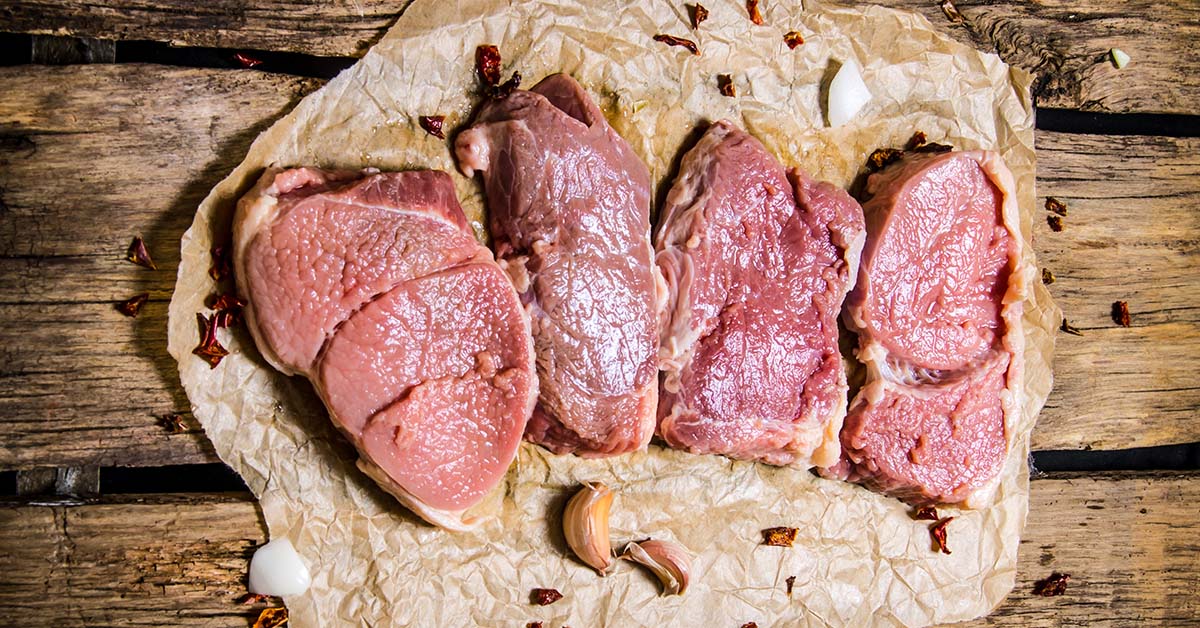
Here’s how to double-wrap your meat for better results:
- Start by wrapping the meat tightly in plastic wrap, pressing out as much air as possible.
- Cover it with a second layer of heavy-duty freezer paper (shiny side facing the meat) or use a freezer-grade zip-top bag.
- Press out any remaining air before sealing.
This double-layer method significantly reduces air exposure compared to single-layer wrapping. However, freezer paper on its own is best for short-term storage, lasting 4–6 months, and works well for ground meats or smaller portions. Avoid using just plastic wrap unless you plan to use the meat within 2–3 months, as it doesn’t offer enough protection for longer storage.
| Packaging Method | Storage Duration | Air Barrier Level | Best For |
|---|---|---|---|
| Vacuum Sealing | 2–3 years | Excellent (removes air) | Long-term storage, premium cuts |
| Double-Wrap (plastic wrap + freezer bag/paper) | 6–12 months | Good (reduces air exposure) | Medium-term storage, budget-friendly |
| Freezer paper alone | 4–6 months | Moderate (some air exposure) | Ground meats, smaller portions |
| Single plastic wrap | 2–3 months | Poor (air exposure) | Short-term storage only |
Once your meat is sealed, make sure to organize it for easy access and rotation.
Labeling and Organizing Your Freezer
Good packaging is only part of the equation – labeling and organization are just as important. Clearly label each package with the type of meat, cut, weight, and the date it was frozen. For example: "Ground Beef, 1.5 lbs, 12/3/2025."
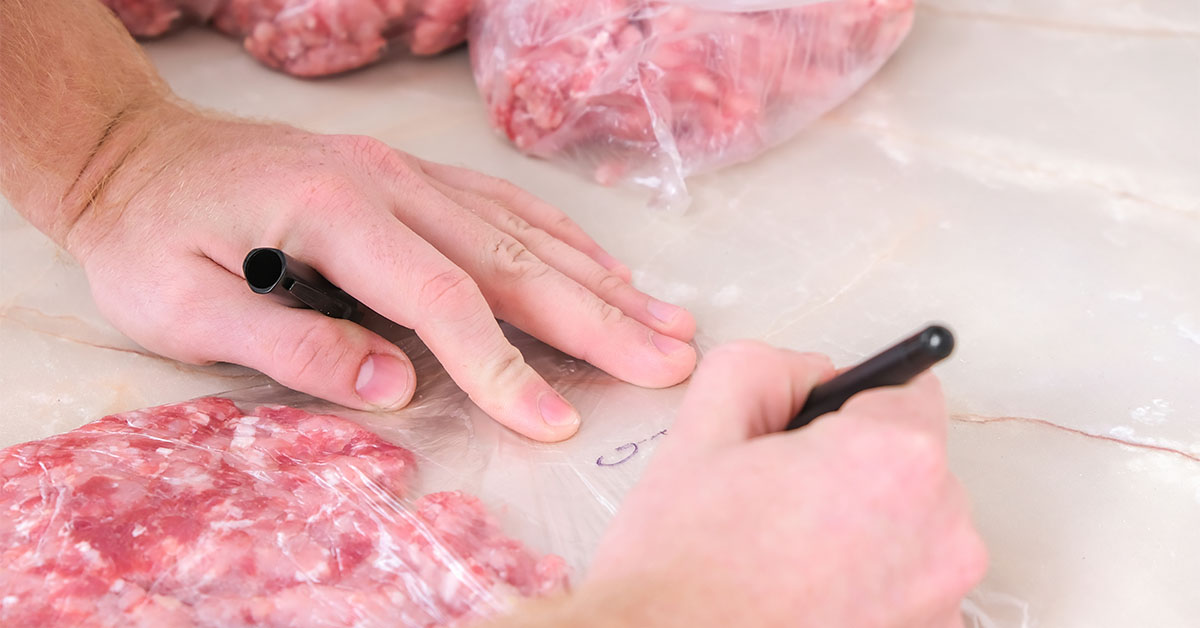
To make sure nothing goes to waste, follow a first-in, first-out (FIFO) system. Place newly frozen packages toward the back or bottom of your freezer, and move older ones to the front where they’ll be used first. This simple system helps you avoid letting meat sit too long and ensures you’re always using it while it’s at its best.
Grouping similar items together can also save time and reduce how often you need to open the freezer. Use clear plastic bins or freezer baskets to organize your meat by type, cut, or even storage date. This setup not only makes it easier to find what you need but also minimizes the time your freezer door stays open, helping maintain a consistent temperature and keeping your meat in top shape.
sbb-itb-5ae85c5
Best Practices for Freezing and Storing Meat
Freezing meat the right way is essential to maintain its flavor and texture. It’s not as simple as tossing it into the freezer and forgetting about it. The method you use to freeze and store meat plays a huge role in preserving its quality. Here’s how to do it right.
Freeze Meat Quickly to Preserve Quality
The speed at which you freeze meat matters. Quick freezing creates tiny ice crystals that won’t damage the meat’s structure. On the flip side, slow freezing forms larger crystals, which can break down cell membranes, causing the meat to lose moisture and become less tender when thawed.
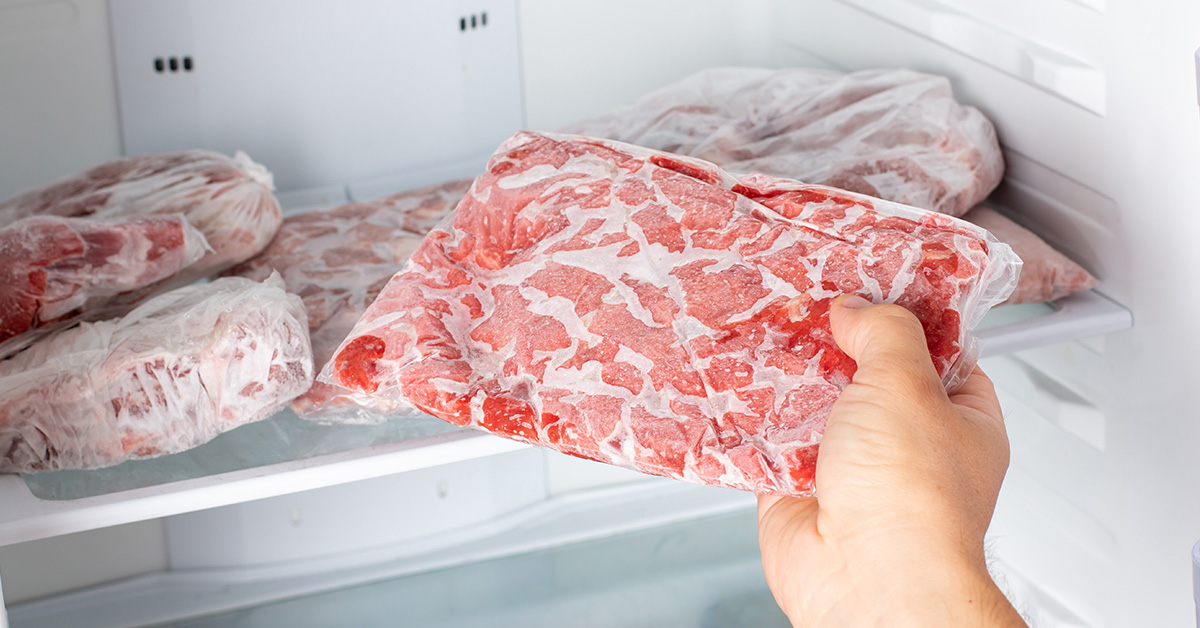
To freeze meat quickly, set your freezer to -10°F about 24 hours before adding new items. Lay the meat in a single layer on the lowest shelf, which is typically the coldest spot. This setup ensures cold air circulates evenly around each package, speeding up the freezing process. Once the meat is fully frozen – usually within 24 hours – you can stack the packages to save space.
After freezing, how you organize the meat in your freezer can help maintain its quality.
Organizing Meat in the Freezer
A tidy freezer isn’t just visually pleasing – it’s practical. A well-organized freezer helps maintain consistent temperatures and ensures you use older meat before it loses quality. If packages are crammed together, cold air won’t circulate properly, and some spots may warm up every time you open the door.
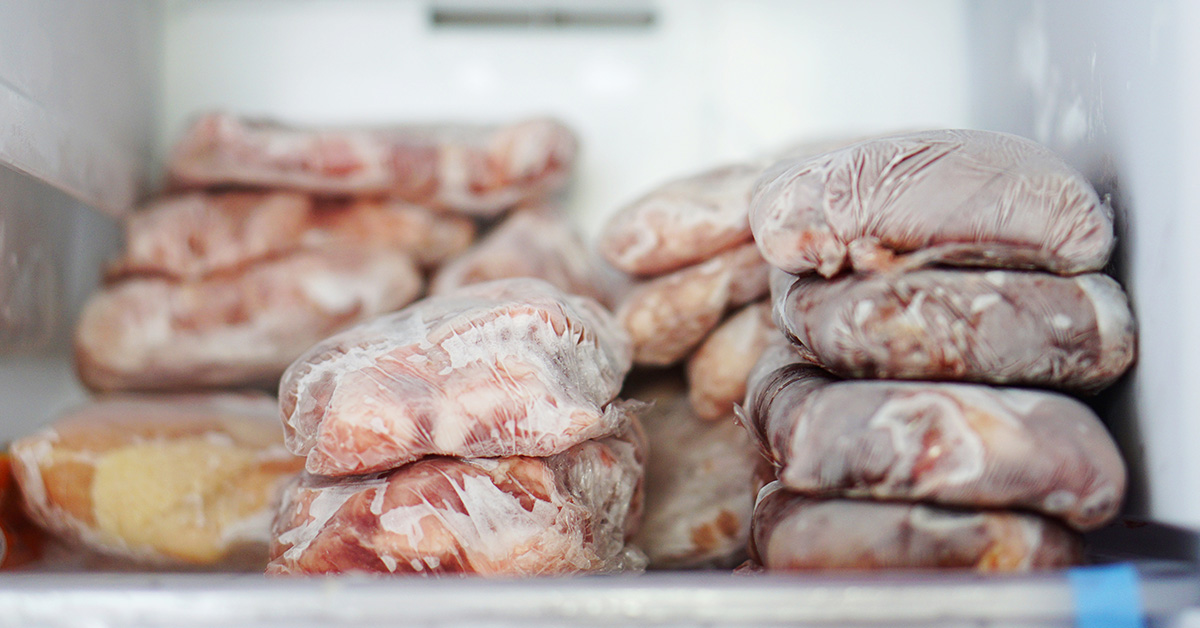
Initially, leave some space between packages to allow air to flow during freezing. Once the meat is frozen solid, you can stack it more closely, but don’t pack it so tightly that air circulation is blocked. Use bins to group similar items together, and stick to a first-in, first-out system to ensure older packages are used first. This approach keeps your freezer efficient and your meat fresher for longer.
Maintaining a Steady Freezer Temperature
Keeping your freezer at a consistent temperature is just as important as proper freezing and organization. Fluctuations in temperature can speed up quality loss, and warmer temperatures will degrade meat faster.
To ensure your freezer stays at the ideal temperature of 0°F (-18°C) or below, monitor it regularly with an appliance thermometer. For an accurate reading, place the thermometer between frozen packages and wait 5–8 hours before checking it. This method gives a true sense of the internal temperature.
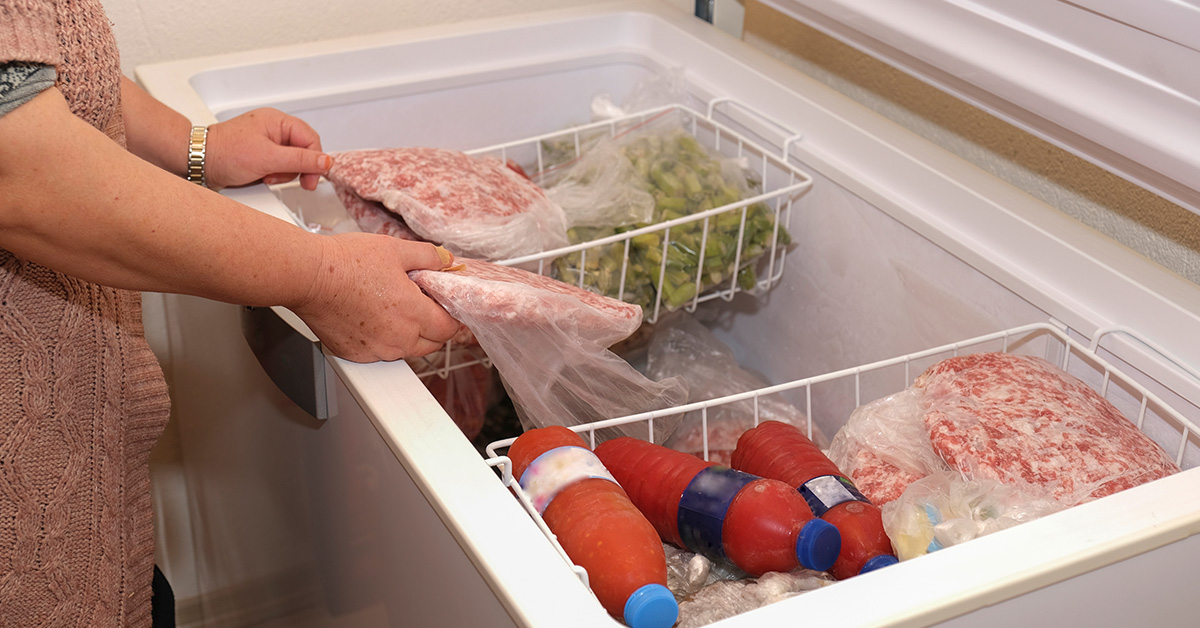
If you notice the temperature creeping above 0°F, adjust your freezer settings immediately. While it might seem like a good idea to raise the temperature to save energy, doing so can compromise the quality of your stored meat over time. Keep it cold and steady for the best results.
Safe Methods for Thawing Meat
Thawing meat correctly is essential to keep it out of the "danger zone" – temperatures between 40°F and 140°F, where bacteria can multiply rapidly. Here are three reliable methods to safely thaw meat.
Thawing Meat in the Refrigerator
Using the refrigerator is the safest way to thaw meat because it maintains what it does best: keeping things cold. While it takes longer than other methods, it ensures food safety and preserves the meat’s quality. Here’s the timeline: smaller cuts, like steaks or pork chops, generally thaw in 12–24 hours, while larger items, such as whole chickens or roasts, may need 2–3 days. For whole chickens, ground beef, lamb, pork chops, roasts, and veal, the USDA recommends at least 24 hours of defrosting time.
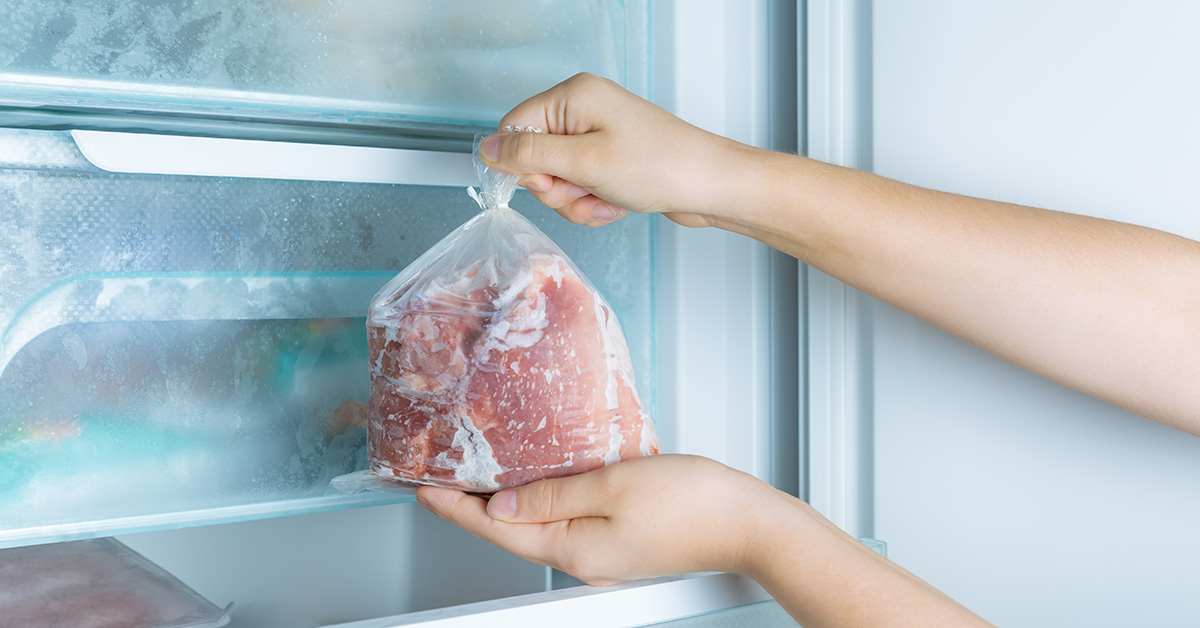
To avoid contamination, place the meat on the lowest shelf in its original packaging or in a clean container to catch any drips. Once thawed, it’s best to cook the meat within 1–2 days. If your plans change, you can refreeze meat thawed in the fridge, though the texture might suffer. Whatever you do, skip thawing on the countertop or outdoors – room temperature thawing can lead to harmful bacteria growth.
Cold Water Thawing Method
If time isn’t on your side, the cold water method is a faster, safe option. It typically takes about 15 minutes per pound to thaw meat this way.
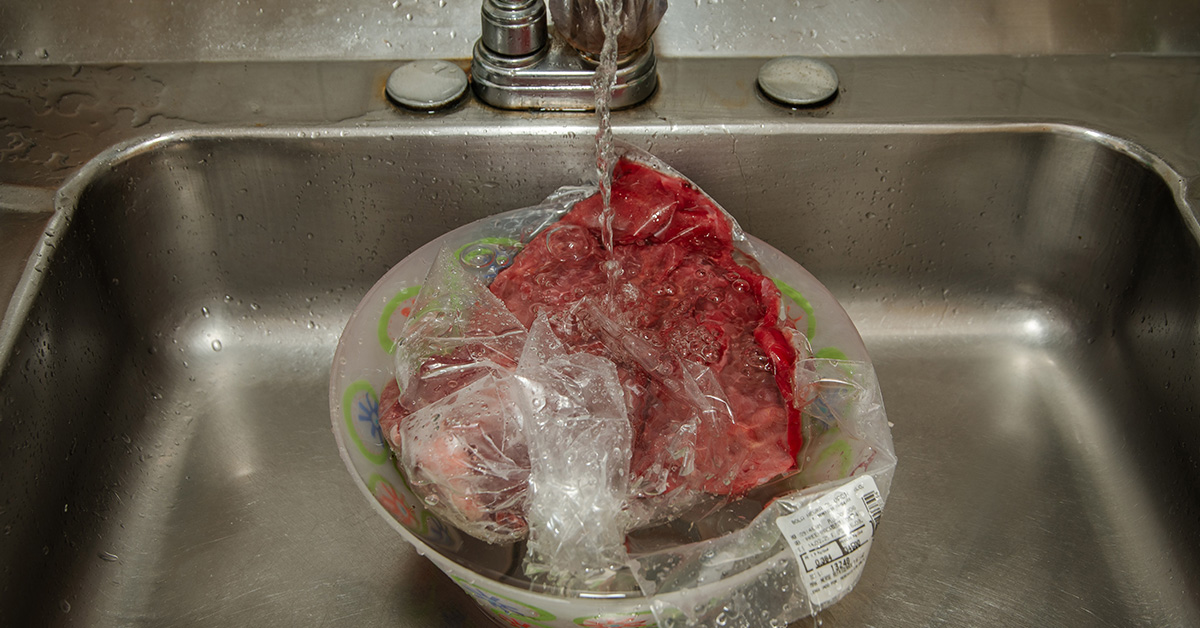
Here’s how it works: keep the meat tightly wrapped to prevent water from seeping in, then submerge it in a container of cold water. To keep the meat at a safe temperature, replace the water every 30 minutes. Once the meat is thawed, cook it immediately – refreezing isn’t recommended with this method, as it can compromise texture and safety.
Cooking Frozen Meat Without Thawing
For certain cuts, you can skip the thawing process altogether. Thin cuts, like hamburger patties, can go straight from the freezer to the grill or pan.
Just adjust the cooking time – add about 50% more time than you’d usually need. Use a meat thermometer to ensure the internal temperature is safe: 165°F for poultry, 160°F for ground meats, and 145°F for whole cuts.
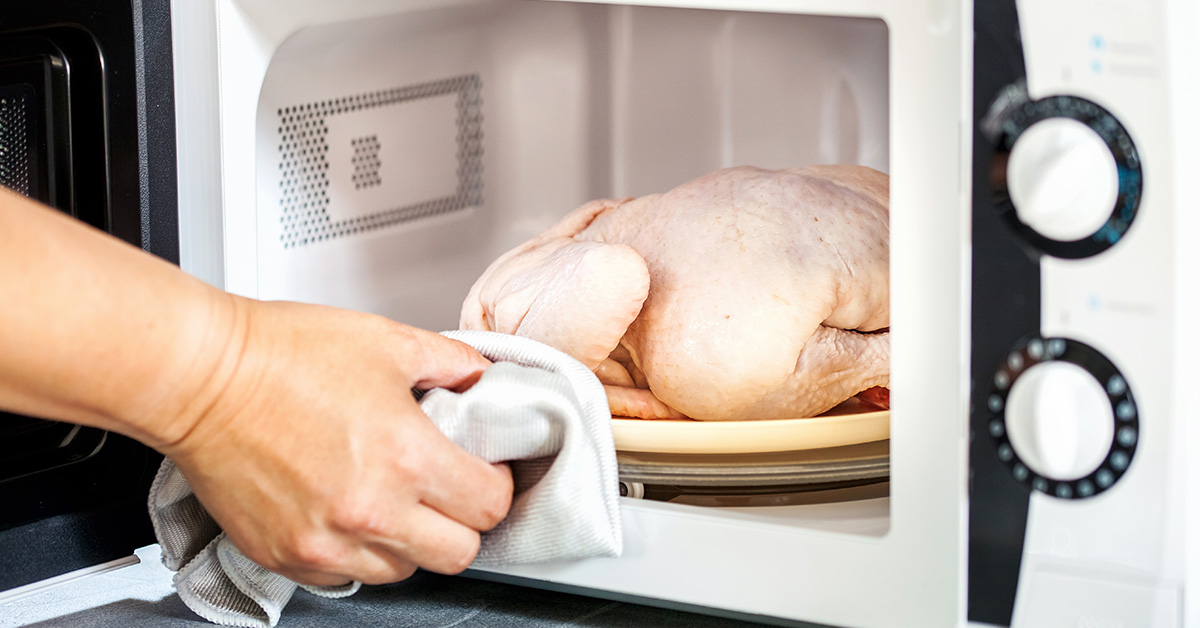
While this method is convenient, it’s not perfect. The outside of the meat may overcook while the inside catches up, making it less ideal for premium cuts where texture and even cooking matter. However, for ground meat, stews, or everyday meals, cooking from frozen can be a practical and safe choice. Still, if you’re aiming for top-notch results, proper thawing is the way to go.
Conclusion
Keeping meat fresh and safe in the freezer comes down to three key factors: maintaining a steady freezer temperature at 0°F or below, using proper packaging to avoid freezer burn, and thawing safely. A consistent freezer temperature halts bacterial growth, ensuring properly handled meat can stay safe indefinitely. However, over long periods, you may notice changes in flavor and texture.
Packaging plays a crucial role in preserving freshness. Vacuum sealing is the gold standard for preventing freezer burn, while clear labeling helps with rotating stock effectively. Keep in mind that raw ground meats maintain peak quality for about 3–4 months, while cooked meats are best consumed within 2–3 months.
Thawing meat the right way is just as important. The refrigerator is the safest option – plan for one day of thawing per 5 pounds of meat. Alternatively, you can use cold water for faster results. If you’re short on time, some cuts can even be cooked directly from frozen, though you’ll need to increase the cooking time by about 50%.
When starting with high-quality meat, like those from Wild Country Meats, these freezing and thawing techniques yield the best results. Since 1998, Wild Country Meats has been known for its USDA-inspected processing, 21-day beef aging process, and precise tracking system, which includes tagging, photographs, and detailed inventory reports. Their commitment to quality is reflected in customer reviews, with an impressive 4.6 out of 5 rating, often praising the exceptional taste and consistency of their products.
To ensure your freezer stays at the right temperature, use a thermometer and keep everything well-organized. By following these practices, you can enjoy high-quality meat for months to come.
FAQs
What is the best way to keep my freezer at the right temperature for long-term meat storage?
To keep your freezer at the right temperature for long-term meat storage, set it to 0°F (-18°C) or colder. Use a freezer thermometer to monitor the temperature regularly and ensure it remains steady. Be mindful not to overcrowd the freezer, as this can block airflow and lead to uneven cooling.
To protect your meat from freezer burn, use airtight packaging, and organize your freezer so older items are easy to access and used first. If you’re handling and storing your own meat, vacuum-sealing is a great option to maintain freshness. Following these steps will help ensure your meat stays safe and retains its quality for months.
How can I vacuum seal meat to prevent freezer burn and ensure long-term freshness?
To keep freezer burn at bay when vacuum sealing meat, start by choosing the freshest cuts and making sure they’re completely dry before sealing. Any surface moisture can mess with the vacuum process and lead to the formation of ice crystals. Using a reliable vacuum sealer is key – removing as much air as possible is crucial since oxygen is the main culprit behind freezer burn.
For optimal storage, freeze the vacuum-sealed meat at 0°F (-18°C) or lower. Don’t forget to label each package with the date so you can keep track of how long it’s been stored. It’s also a good idea to portion the meat into smaller sizes for easier use later. Vacuum sealing not only helps maintain the meat’s flavor and texture but also significantly extends its shelf life – perfect for long-term storage.
Why is it important to freeze meat quickly, and how can I do it effectively at home?
Freezing meat quickly is key to keeping its texture, flavor, and nutritional value intact. When meat freezes slowly, large ice crystals can form, damaging the cells and causing issues like freezer burn. Quick freezing, on the other hand, helps maintain the meat’s quality and freshness for a longer time.
If you’re freezing meat at home, set your freezer to 0°F or lower – a guideline recommended by the USDA. Arrange the meat in a single layer to ensure cold air can circulate evenly. For larger cuts, divide them into smaller portions to speed up freezing. To protect the meat from air exposure and lock in its freshness, use vacuum-sealed bags or wrap it tightly with plastic wrap followed by freezer paper. These small steps can make a big difference in preserving your meat.