When you visit a butcher shop, you’re not limited to the pre-cut selections on display. Custom meat cutting allows you to tailor your order to fit your recipe, cooking style, and portion preferences. From adjusting steak thickness to trimming fat or deboning a roast, butchers can prepare meat exactly how you need it. This saves you time, reduces waste, and improves cooking results.
Here’s what you should know:
- Customization Options: Thickness adjustments, fat trimming, deboning, butterflying, Frenching ribs, and more.
- Meat Types: Beef, pork, lamb, chicken, goat, buffalo, and wild game.
- Cooking Benefits: Even cooking, better flavor, and portion control.
- Communication Tips: Be specific about thickness, fat preferences, cooking methods, and portion sizes.
- Tools Butchers Use: Boning knives, cleavers, meat saws, and breaking knives for precision cutting.
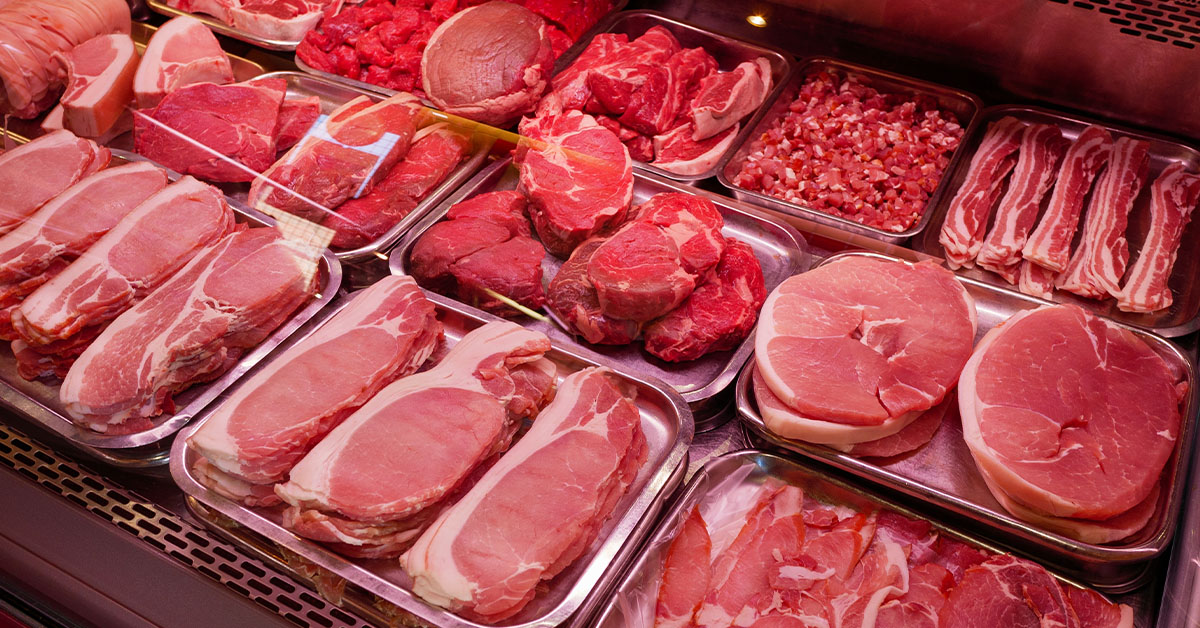
Custom cuts elevate your cooking by ensuring the meat is prepared to match your exact needs. Whether you’re grilling, slow-cooking, or stuffing, clear communication with your butcher guarantees better results and less hassle.
What Are Custom Meat Cuts?
Defining Custom Cuts
Custom meat cuts are tailored specifically to your preferences, unlike the standardized portions you find at grocery stores. When you order a custom cut, the butcher adjusts the meat to suit your exact needs – whether that’s changing the thickness, size, fat content, or even applying specialized techniques. For instance, you could request a ribeye steak cut 2 inches thick for grilling or a thinner 1-inch cut for pan-searing. Standard retail cuts don’t offer this kind of flexibility, which can limit your cooking options.
This customization isn’t limited to beef – it applies to pork, lamb, chicken, and even specialty meats like goat, buffalo, and wild game. Butchers can fine-tune every detail, from steak thickness to roast size, or even perform advanced techniques like butterflying chicken breasts for stuffing, deboning cuts for easier preparation, or Frenching ribs for a more refined presentation.

Professional meat processors take this process seriously. They track each animal with tags, photos, and detailed labels, providing you with a comprehensive inventory report when you pick up or receive your order.
"We go to great lengths to carefully clean, cut and process your livestock to your specifications. We track your product every step of the way with tags, photos and detailed labeling and give you an itemized inventory report showing all meat cuts on pickup or delivery. Your meat processed your way… by a team that cares."
This attention to detail ensures the meat meets your specific recipe needs and improves your overall cooking experience.
Why Choose Custom Cuts
There are plenty of reasons why people opt for custom cuts, and they all boil down to practicality and better results in the kitchen. One key reason is that custom cuts can perfectly match the demands of your cooking method. For example, steaks cut to an ideal thickness – typically 1.5 to 2 inches – are perfect for grilling, allowing you to achieve that coveted crust while keeping the interior juicy. Similarly, cuts with more connective tissue are great for slow-cooking or braising, as they break down into rich, flavorful collagen over time.
Custom cuts also help reduce waste. You can specify how much fat to trim, ensuring you get just the right amount for flavor without unnecessary excess. This is especially helpful for those with dietary needs or specific preferences, like choosing between bone-in or boneless options, or requesting a particular fat ratio in ground meat. Communicating clearly with your butcher ensures the final product is exactly what you envisioned.

Beyond practicality, custom cuts elevate your cooking results. A well-trimmed and tied roast cooks more evenly, and a steak cut to your preferred thickness can outperform standard retail options in both taste and texture. Common requests include adjusting steak thickness, Frenching ribs for a polished look, butterflying cuts for stuffing, trimming away excess fat or silver skin, and deciding between bone-in or boneless options. Many people also prefer ground meat customized with specific fat ratios – leaner for burgers or richer for other dishes.
While many custom cuts are included in the standard price, some specialized services – like Frenching ribs, butterflying, or deboning – might come with an extra charge. It’s a good idea to ask about any additional costs upfront to avoid surprises.
Tools and Equipment Butchers Use
Primary Cutting Tools
Butchers rely on a carefully chosen set of tools to deliver the precision required for custom meat cutting. Each tool has a distinct role, and using the right one ensures they meet the exact needs of their customers.
One of the most essential tools is the boning knife. With its long, narrow blade, it’s perfect for separating meat from bones with precision. A 6-inch boning knife is a common choice for professionals, and high-quality options are widely available. This knife is especially handy for creating boneless cuts or removing silver skin.
For heavier tasks, cleavers step in where boning knives fall short. These thick, heavy blades are designed to split larger cuts or break bones. Butchers often have a variety of cleavers: heavier ones for beef, lighter models for pork or lamb, and smaller Chinese cleavers for poultry. Despite their weight, these tools are designed to provide control during use.

Another must-have is the breaking knife, which is ideal for working on full carcasses and large primal cuts. With blades typically around 8 inches long, these knives are perfect for breaking down carcasses and trimming fat from larger portions.
When it comes to cutting through large bones, meat saws are indispensable. These saws come in various sizes, ranging from 17 to 30 inches, but models around 20 to 22 inches are often preferred for handling beef, lamb, pork, and deer carcasses. A good meat saw usually features a nickel-plated frame and a tightening cam, ensuring consistent performance. While boning knives can handle many tasks, a handsaw significantly boosts efficiency for larger jobs.
Butchers also use specialized tools for specific tasks. Trimming knives are perfect for removing excess fat and silver skin, while scimitars are excellent for slicing through larger cuts. For more delicate work, such as processing fish or poultry, filleting knives are the go-to choice. And for unique preparations like hand-mincing meat, the mezzaluna knife, with its distinctive half-moon shape, proves invaluable.
In professional settings, handheld tools are complemented by larger equipment. Bone band saws, meat grinders, vacuum sealers, and refrigerated display cases are essential for handling high volumes while maintaining precision and quality. These tools ensure butchers can efficiently process and present custom cuts to meet customer demands.
With such a diverse array of tools, proper maintenance is key to ensuring consistent performance and safety.
Knife Maintenance and Safety
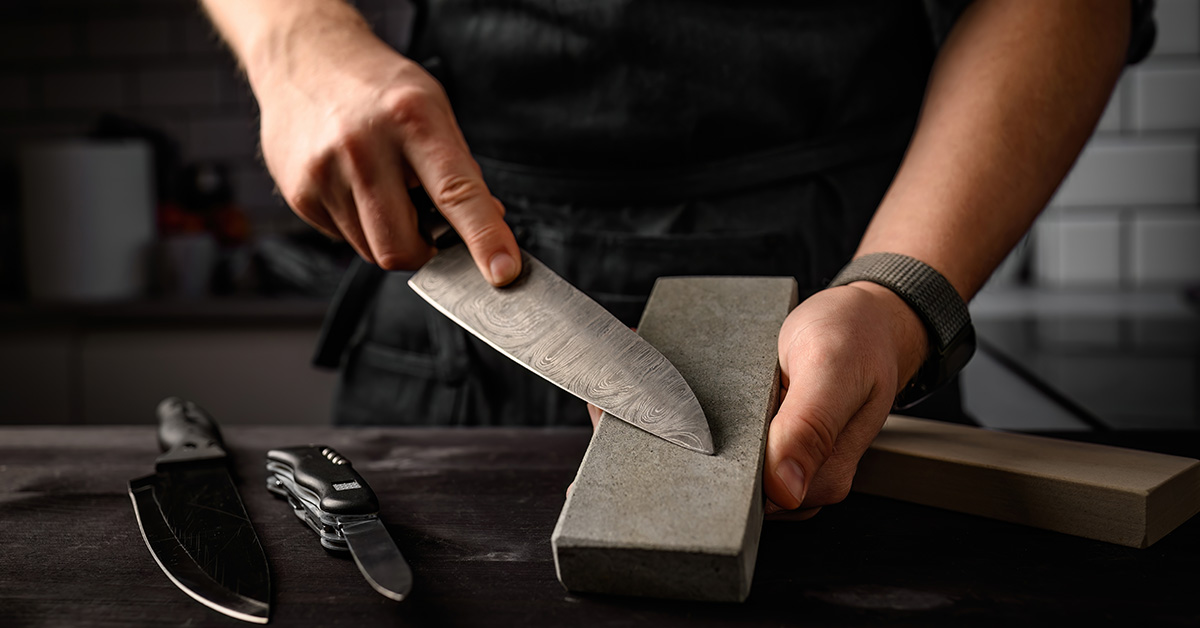
Once the right tools are selected, keeping them sharp and safe becomes the priority. Regular honing and sharpening are essential for maintaining a knife’s edge, which not only results in cleaner cuts but also reduces the risk of accidents. Butchers use sharpening steels and whetstones to maintain their blades. Whetstones, sometimes called oilstones, are often favored over grindstones because they help preserve the blade’s quality and edge retention. Many butchers hone their knives several times a day and schedule thorough sharpening sessions weekly or as needed.
Hygiene is just as important as sharpness. Tools should be washed and dried immediately after use to prevent cross-contamination and extend their lifespan. This is especially critical in USDA-inspected facilities. To further minimize risks, many butchers dedicate specific knives for cutting tasks and others for general use.
The choice of cutting surface also plays a significant role in maintaining both knife sharpness and food safety. Wooden cutting boards are preferred over nylon, metal, or marble alternatives. Wood helps protect the blade’s edge while allowing proper sanitation. To clean wooden boards, butchers often use a brush to scrape away a fine layer of wood before sanitizing with mild bleach. In contrast, nylon boards can develop permanent cut marks that are harder to clean, making them less ideal for professional use.
Cutting Techniques for Custom Orders
Seam Butchery and Muscle Separation
When it comes to crafting custom cuts, butchers rely on more than just sharp knives – they lean on a method called seam butchery. This approach respects the natural anatomy of the animal, following the separations between muscles and connective tissue. Instead of slicing across muscle fibers, seam butchery focuses on isolating individual muscles with precision, resulting in cleaner and more consistent cuts. It’s a method that requires a sharp eye and a deep understanding of how muscles are structured.

Why does this matter? For one, it ensures minimal damage to the meat. But it also allows butchers to recommend cuts tailored to specific cooking methods. For example, tougher cuts with abundant connective tissue are perfect for slow cooking or braising. As the collagen breaks down during these methods, it transforms into tender, flavorful meat. Seam butchery serves as the foundation, setting the stage for more specialized cutting techniques designed to meet unique culinary needs.
Specialized Cutting Methods
To cater to specific customer requests, butchers employ a variety of specialized techniques, each honed to deliver cuts that meet exact preferences:
- Butterflying: This technique splits a piece of meat, making it ideal for even cooking or for stuffing with flavorful fillings.
- Frenching: By trimming meat and fat from the ends of rib bones, this method creates a refined, elegant look – perfect for lamb chops or racks of ribs.
- Deboning: This involves removing bones while keeping the meat intact, preserving its shape for dishes like chicken thighs or roasts.
- Thickness Adjustments: Tailoring the thickness of cuts ensures even cooking and helps achieve a perfect crust, especially for steaks and roasts.

Each of these methods demands precise blade work and careful attention to detail. Whether the task is trimming, dicing, or slicing, the combination of well-maintained tools and expert skill ensures that every cut is both visually appealing and optimized for cooking.
Artisan butchery offers a level of precision and customization that mass production simply can’t match. For instance, at Wild Country Meats in Oklahoma, every animal is tagged, photographed, and inventoried, guaranteeing that customers receive exactly what they brought in. From packaging to processing, every step is customized to meet individual specifications, highlighting the craftsmanship that sets artisan butchery apart from the rest.
Popular Custom Cut Requests
Steaks and Roasts
When people visit a butcher shop, they often have specific preferences for how they want their steaks and roasts prepared. Common requests include adjustments to thickness, fat trimming, bone-in or boneless options, and tying roasts for even cooking.
Thickness plays a big role in how a steak cooks. Customers often ask for precise cuts, like 1.5-inch or 2-inch-thick steaks. Thicker steaks are great for grilling since they develop a nice crust and stay juicy, while thinner steaks are perfect for quick, high-heat cooking like pan-searing. Some prefer thinner cuts for fast meals, while others go for thicker steaks to achieve that perfect medium-rare.
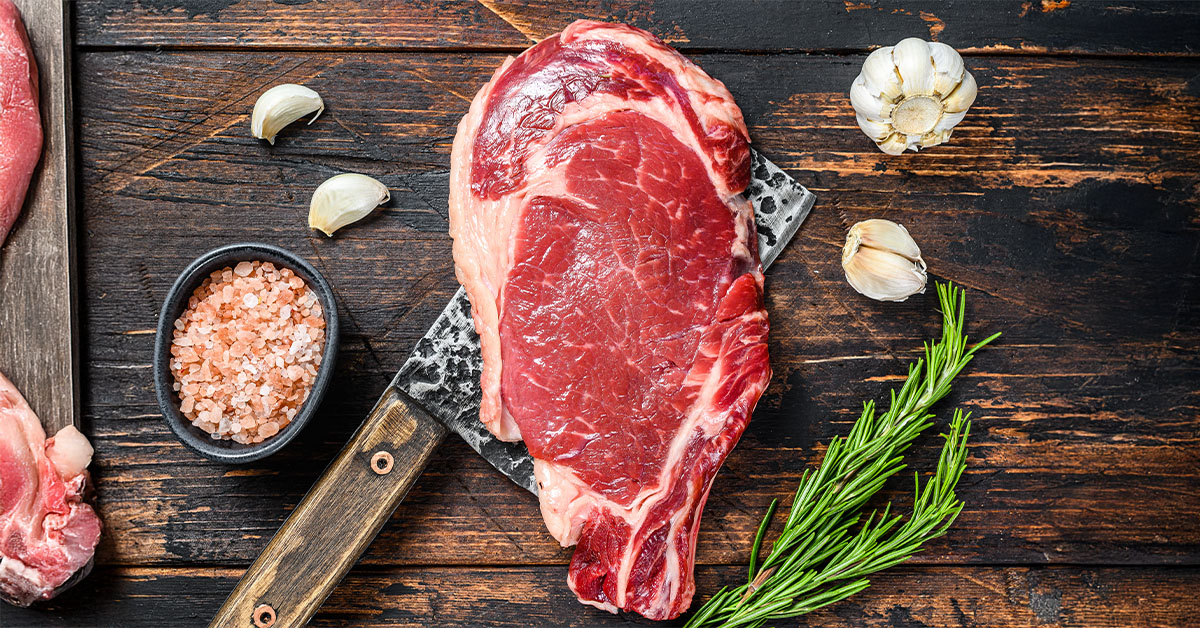
Fat trimming is another frequent request. Some customers ask for excess fat or silver skin to be removed to make the meat easier to handle and cook. Skilled butchers know how to trim away just the right amount – keeping enough fat to enhance flavor and juiciness while removing what’s unnecessary.
The choice between bone-in and boneless cuts often comes down to personal preference and cooking style. Bone-in cuts are prized for their flavor and moisture, as the bones release richness during cooking. Plus, the bones can be repurposed for stock. On the other hand, boneless cuts are easier to portion, cook faster, and offer a cleaner presentation, making them ideal for grilling or pan-searing. For slow-cooking methods like braising, butchers often recommend bone-in cuts for their flavor contribution, while boneless options are better suited for recipes requiring even cooking or a polished look.
When it comes to roasts, tying is a popular request. For example, a customer might say, "I’d like a boneless pork loin roast, trimmed and tied for even cooking." Butchers use kitchen twine to secure the roast, ensuring it maintains a uniform shape that cooks evenly. This technique also helps prevent parts of the roast from drying out and creates a polished final presentation – especially important for large roasts where uneven cooking can be an issue.
Beyond standard cuts, specialty steaks like flank, skirt, or tri-tip are often requested. These cuts stand out for their distinct flavors and textures, appealing to both adventurous home cooks and those aiming for restaurant-quality dishes. Butchers can also prepare premium cuts like filet mignon, ribeye, sirloin, and T-bone steaks to specific thicknesses and fat levels. Specialty cuts often come with tips for optimal preparation: for instance, flank and skirt steaks benefit from marinating and slicing against the grain, while tri-tip shines when grilled or roasted.
This attention to detail isn’t limited to steaks and roasts – it extends to ground meat and specialty cuts as well.
Ground Meat and Specialty Cuts
Customization goes a step further with ground meat and specialty cuts, giving customers the ability to tailor their orders to their exact needs. When it comes to ground meat, customization typically focuses on fat ratios, portion sizes, and how much of the order is ground. For example, customers buying a half or quarter beef can specify how much of it they want turned into ground meat and choose their desired fat ratio.

Fat content plays a big role in how ground meat cooks and tastes. Blends like 80/20 or 75/25 are popular for making juicy burgers that stay moist, while leaner blends like 90/10 or 93/7 appeal to those watching their fat intake. Butchers grind meat to meet these preferences, ensuring customers get exactly what they need – whether it’s for burgers, meatballs, tacos, or other dishes. This level of customization gives home cooks more control over the quality and performance of their ingredients.
Transparency is also a priority. Butchers provide detailed labeling and an itemized inventory report when customers pick up or receive their orders. This ensures every cut is accounted for, giving customers confidence in the process.
Specialty cuts like ribs and brisket come with their own set of custom options. For ribs, butchers may offer techniques like butterflying or Frenching, which enhance both presentation and cooking performance – perfect for special occasions.
Brisket, on the other hand, often involves requests for specific trimming and portioning. Some customers prefer the point and flat separated, while others want the whole packer brisket left intact. Butchers can also trim the fat cap to a specific thickness, usually around 1/4 inch. This provides enough fat to keep the meat moist without excessive rendering during cooking.
The real advantage of working with a skilled butcher is the ability to communicate exactly what you need. Before visiting, it helps to have a clear idea of the dish you’re preparing, the cooking method you’ll use, and your preferences for thickness, size, or trimming. Butchers can then guide you on portion sizes and help you determine how much meat you’ll need for your recipe. This ensures you get just the right amount, avoiding waste or shortages, and sets you up for better results in the kitchen.
sbb-itb-5ae85c5
How to Communicate with Your Butcher
Describing Your Needs Clearly
When it comes to working with your butcher, clear and specific communication is the key to getting exactly what you need. The more precise you are, the better your butcher can meet your expectations.
Start by explaining how you plan to cook the meat. For example, grilling usually calls for thicker cuts, while slow-cooking works best with pieces that have plenty of marbling and connective tissue. Sharing these details helps your butcher recommend the right cut and prepare it accordingly.

Measurements also matter. Instead of vaguely asking for a steak, be specific: "I’d like a 1.5-inch thick ribeye", or "Can you cut two-inch thick steaks?" If you’re unsure about the ideal thickness, describe your cooking method, and your butcher can guide you.
Portion sizes and quantities are just as important. Rather than saying, "I need some steaks", lay it out clearly: "I’m hosting a dinner for four, and I need one 8-ounce steak per person, each cut 1.5 inches thick." This gives your butcher all the information they need to prepare the right portions.
If you have special requests, be detailed. Don’t just say, "Trim the fat." Instead, specify: "Please remove the excess fat and silver skin to make it easier to cook and eat." For a roast, you might request: "I’d like a boneless pork loin roast, trimmed of fat and tied for even cooking."
Don’t hesitate to ask questions or seek advice. Butchers are experts and can recommend the best cuts for your recipe, advise on portion sizes, or suggest alternatives that might work better. For instance, you could ask, "What cut would you recommend for slow-cooking?" or "How much meat should I buy for six people?"
Before heading to the butcher shop, think about your dish, cooking method, and any preferences for thickness, portion size, or trimming. This preparation ensures you’ll walk away with exactly what you need.
Special Requests and Packaging Options
Once you’ve communicated the basics, it’s time to discuss any special preparations or packaging needs. Butchers can handle a variety of requests, from deboning and butterflying to Frenching ribs (trimming meat and fat from the ends of rib bones for a polished look) and trimming specific amounts of fat.
If you’re deciding between bone-in and boneless cuts, let your butcher know upfront. Bones can enhance flavor and moisture but may require different cooking techniques. For example, bone-in steaks like T-bone or porterhouse have distinct flavor profiles compared to boneless options like filet mignon. Similarly, bone-in and boneless roasts may cook differently, so clarity here is crucial.
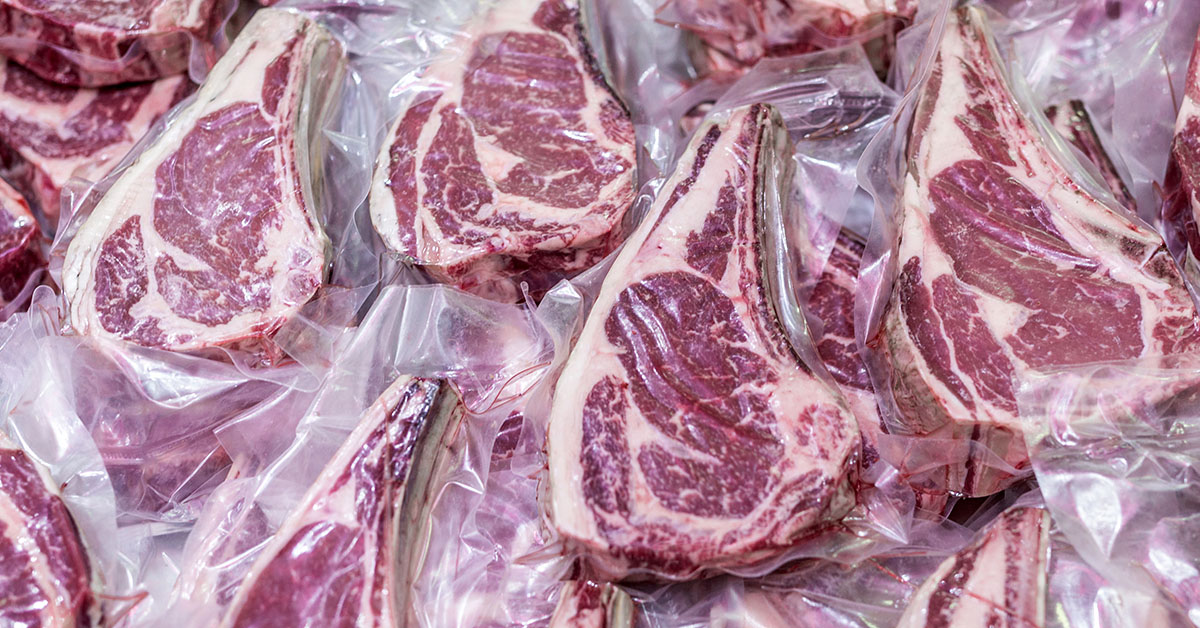
Packaging preferences are another important detail. Do you want individual vacuum-sealed portions for easier freezing, or bulk packaging? If you need the meat for a specific event or date, let your butcher know so they can plan accordingly.
Take Wild Country Meats as an example of what’s possible. They provide custom processing with full traceability for every order – each animal is tagged, photographed, and inventoried to ensure customers get exactly what they submitted. When you pick up your order, you’ll receive detailed labeling and an itemized inventory report, giving you complete confidence in the process.
Wild Country Meats also offers specialty items like smoked meats, hot links, deli packs, and a variety of jerky and snack stick flavors, including teriyaki, jalapeño, honey sriracha, dill pickle, and their original "Alex’s 1974 Classic." Customers can request specific preparations and packaging tailored to their needs. As one customer, Bret Kennedy, shared:
"I had two special requests and there were no issues with either."
For custom processing orders, structured cutting order forms can make the process even smoother. These forms help you outline your preferences for portion sizes, thickness, fat trimming, and packaging, ensuring no detail is overlooked. Wild Country Meats operates under the motto:
"Your meat processed your way… by a team that cares."
If you have dietary preferences or restrictions, communicate them early. Whether you prefer leaner cuts, have concerns about fat content, or follow specific dietary guidelines, sharing this information upfront helps your butcher make the right adjustments. If you’re looking for grass-fed, organic, or other specialty meats, mention it as well. Allergies or sensitivities are another important detail to share for added precautions.
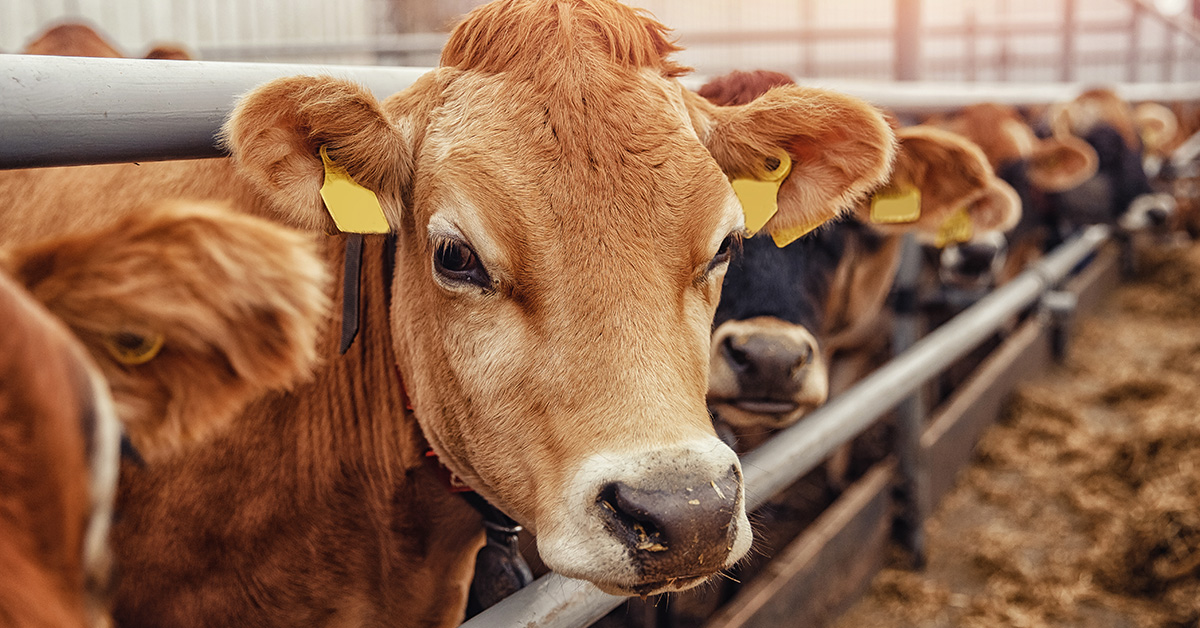
For ground meat, specify not only the quantity but also your preferred fat ratio. Popular blends like 80/20 make juicy burgers, while leaner options like 90/10 or 93/7 may suit those watching their fat intake.
Building a relationship with your butcher over time can make this process even easier. As they get to know your preferences, cooking style, and go-to cuts, they’ll be able to offer personalized recommendations with less back-and-forth. Tyler Sparks, a customer of Wild Country Meats, noted:
"They know how to make the meat just the way the customer wants."
Clear communication doesn’t just ensure you get the right cut – it also sets you up for better results in the kitchen.
Custom Processing a side of Beef | Professional Butcher
How Custom Cuts Improve Cooking Results
Teaming up with a skilled butcher to tailor your meat cuts can completely change the game in your kitchen. The way meat is trimmed, shaped, and prepared plays a key role in how it cooks, how it tastes, and even how it looks on the plate.
Matching Cuts to Cooking Methods
The thickness and structure of meat heavily influence cooking results. For example, grilling works best with thicker steaks (around 2 inches) because they develop a beautifully caramelized crust while staying juicy inside. On the other hand, pan-searing calls for slightly thinner cuts (about 1 to 1.5 inches) to ensure they cook quickly while still forming that perfect seared crust. By specifying the thickness, you can make sure your cut matches your cooking method perfectly.
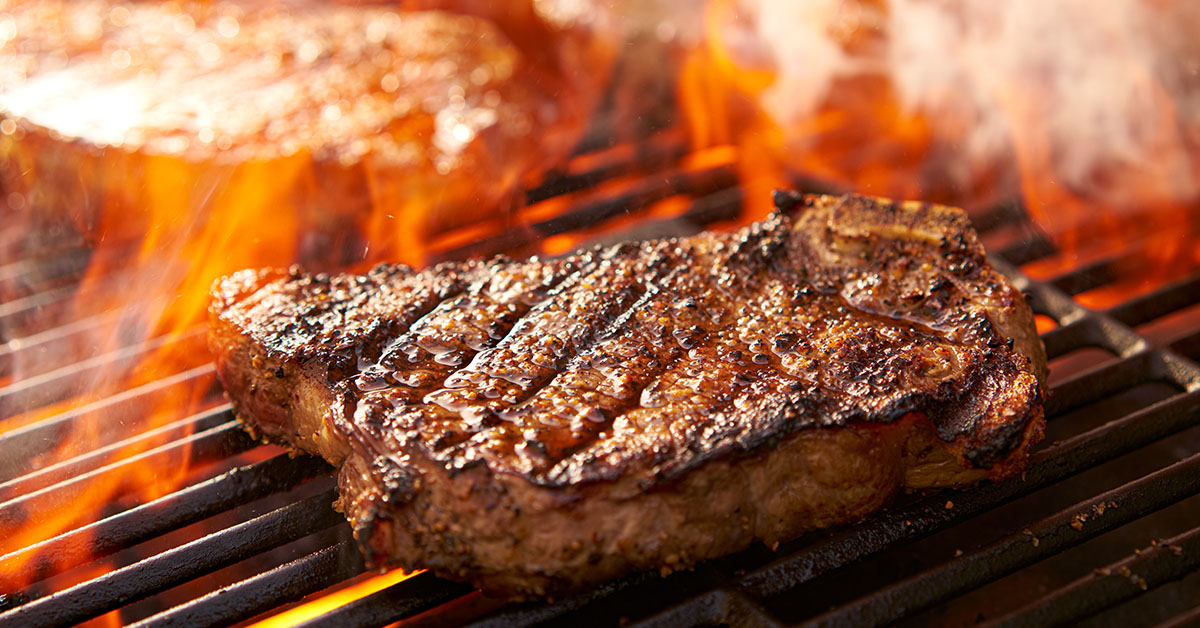
For slow-cooking techniques like braising, well-marbled cuts are ideal. The slow cooking process breaks down the collagen, turning the meat tender and rich in flavor. A skilled butcher can help you choose cuts with just the right amount of fat and connective tissue to get the best results.
Decisions like whether to go bone-in or boneless, or the level of fat left on the meat, also impact moisture, flavor, and cooking time. Techniques like butterflying or deboning add even more precision, ensuring the meat cooks evenly and absorbs flavors more effectively.
Consistency and Uniformity
Custom cuts also bring consistency, which is key for even cooking and a polished presentation. When steaks or roasts are cut to a uniform thickness, heat spreads evenly, preventing overcooked edges or undercooked centers. Techniques like seam butchery, which follow the natural separations between muscles, help maintain the meat’s natural structure and texture.
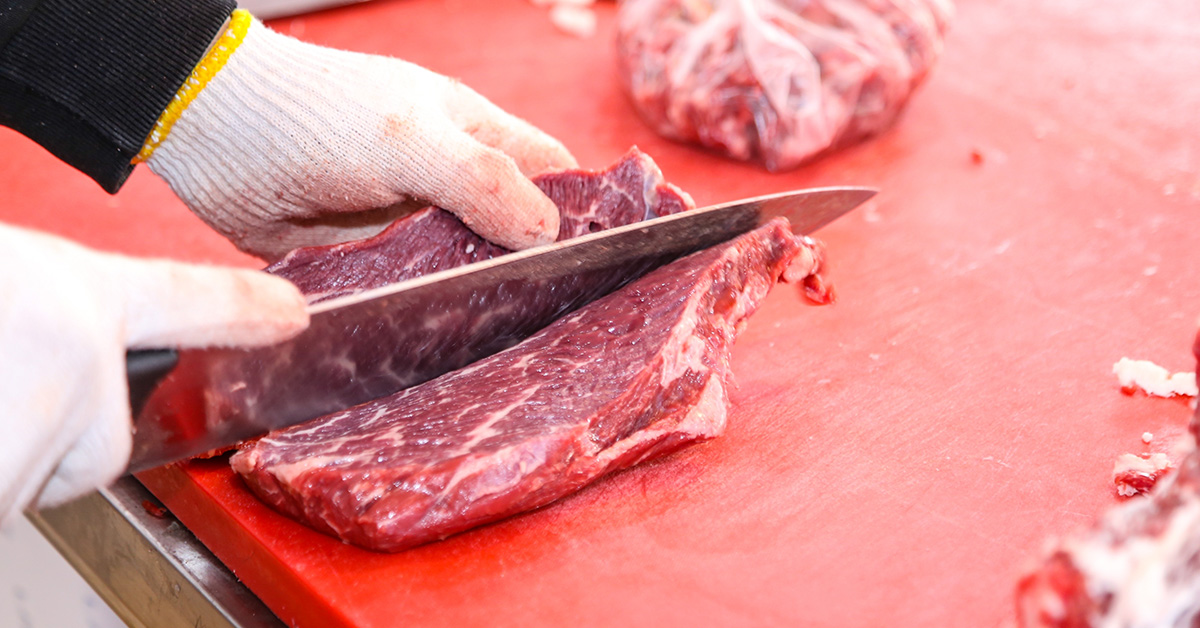
Having your butcher prepare meat tailored to your recipe saves time and ensures the perfect balance of fat and meat. With consistent, custom-prepared cuts, you can focus on refining your cooking skills with confidence. For instance, Wild Country Meats stands out for its precision, using a traceability system that tags, photographs, and tracks every animal to ensure customers get exactly what they need.
In short, custom cuts don’t just elevate how your meat cooks – they also make your dishes look and taste like they came straight from a professional kitchen.
Conclusion
Custom meat cutting is more than just a service – it’s a blend of skill, precision, and understanding that ensures you get exactly what you need for your meals. Butchers tailor thickness, trim fat with care, and choose cuts that align perfectly with your cooking methods. This hands-on approach doesn’t just enhance flavor and consistency; it also helps minimize waste.
Experienced butchers bring a wealth of knowledge to the table. They know how different cuts behave with various cooking techniques, can recommend alternatives, and adjust their methods to suit your specific needs. Whether you’re after a 1.5-inch ribeye for the grill, a butterflied pork loin ready for stuffing, or ground beef with a precise fat ratio, clear communication with your butcher guarantees you’ll walk away with exactly what you envisioned. This personalized service is supported by rigorous quality standards and transparent tracking systems.
Take Wild Country Meats, for example. Founded in 1998 by Chris Gabriel, a third-generation butcher, the company has built a reputation for excellence in custom processing. Their detailed tracking system and USDA-inspected processes ensure every customer gets back exactly what they brought in, all packaged and processed to meet individual preferences.
Customers frequently highlight the precision and attention to detail they experience when working with skilled butchers. Over time, building a relationship with a trusted butcher pays off – they learn your preferences, recommend cuts that match your cooking style, and maintain consistency across orders. Whether you’re processing a whole animal, preparing wild game, or simply picking up steaks for a special dinner, partnering with professionals who understand the craft of butchery elevates your meals and makes cooking a more enjoyable experience.
FAQs
Why choose custom meat cuts instead of pre-packaged options from the grocery store?
When it comes to meat, custom cuts bring a level of personalization that store-bought, pre-packaged options just can’t offer. With custom processing, you get to decide everything – specific cuts, thickness, and even how the meat is packaged. Whether you’re gearing up for a backyard barbecue or filling your freezer for the season, it’s tailored to fit your exact needs.
Another big plus? Freshness and quality. Since the meat is processed just for you, you can count on it being as fresh as possible. You also gain more control over portion sizes, helping to cut down on waste. Plus, you can request specialty items or unique preparations that are rarely found at your local grocery store.
How do I clearly explain my meat cutting preferences to a butcher?
When working with your butcher, clarity is key. Be specific about the cuts you need, the portion sizes you prefer, and how you’d like the meat packaged. For instance, let them know if you want thicker steaks, smaller roasts, or ground meat divided into particular amounts.
At Wild Country Meats, every order is tailored to meet your exact requests. Their team carefully processes each animal individually, ensuring your specifications are met. Clear instructions make it easier for them to provide the cuts that perfectly match your preferences.
Are there extra costs for custom meat cutting, and how can I plan for them?
Yes, there could be extra charges for custom cutting techniques, especially if your request involves intricate cuts, specific portion sizes, or additional packaging. These factors can impact the overall cost.
To plan ahead, it’s a good idea to talk with the butcher about your preferences before making a decision. They can provide a detailed estimate based on your needs, helping you avoid unexpected costs. At Wild Country Meats, the team is ready to walk you through the process and customize the service to match your exact requirements.