
At Wild Country Meats, we’re passionate about bringing you the best beef and pork cuts, whether you’re grilling up a storm or slow-cooking a family favorite.
Every cut has a story—from its name’s origins to its place on the animal—and we’re excited to share that with you.
Looking for inspiration or the perfect cut for your next meal?
This guide dives into popular beef and pork options with tasty facts to fuel your appetite.
No complicated diagrams here—just meaty goodness for everyone, near or far!
A Guide to Delicious Beef Cuts

Ribeye Steaks
|
KC Strip Steaks
|
Porterhouse Steaks
|
Flat Iron Steaks
|
Chuck Eye Steaks
|
Filet Mignon
|
Chuck Roast
|
Arm Roast
|
Rump Roast
|
Hamburger
|
Tri-Tip
|
Flank Steak
|
Brisket
|
Stew Meat
|
Tenderized Round Steaks
|
New York Strip
|
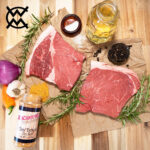 Ever wonder why it’s called “ribeye”? It’s simple: this cut comes from the rib section (ribs 6-12) and has a juicy, marbled “eye” of fat in the center. Located near the cow’s upper rib cage, it’s tender and rich—ideal for steak lovers who crave bold flavor.
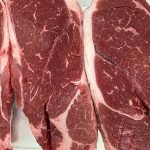 Short for Kansas City Strip, this cut is a cousin to the New York Strip. It’s from the short loin, a tender area along the backbone. The name likely ties to KC’s meatpacking history, though New York claims its own fame. Bone-in or boneless, it’s a grilling favorite.
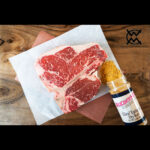 Think of this as the T-bone’s bigger sibling. Named possibly after 19th-century “porter houses” (taverns serving meat and ale), it’s cut from the rear of the short loin. With a larger tenderloin portion, it’s a hefty, shareable steak for serious appetites.
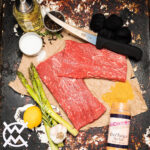 This cut’s name comes from its shape—flat and triangular, like an old-fashioned iron. It’s carved from the chuck (the shoulder area), making it surprisingly tender for a working muscle. A modern favorite, it’s great marinated or grilled.
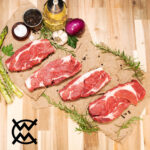 Nicknamed the “poor man’s ribeye,” this cut sits near the ribeye in the chuck (shoulder) region. “Chuck” traces back to Old English “chucke,” meaning a cut of meat. It’s got good marbling and flavor at a wallet-friendly price.
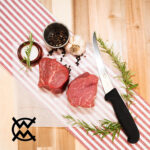 French for “dainty fillet,” this luxurious cut screams elegance. It’s from the tenderloin, a slim muscle along the spine that does little work, keeping it melt-in-your-mouth tender. Small but mighty, it’s the crown jewel of beef cuts.
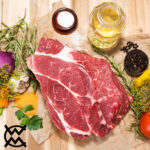 Another shoulder star, this roast comes from the chuck area. Historically a budget-friendly option, its rich flavor shines in slow-cooked dishes like pot roast. The name “roast” just means it’s perfect for, well, roasting!
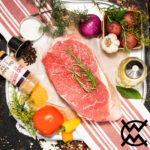 Cut from the shoulder (or “arm”) of the cow, this roast is leaner than the chuck but still packed with flavor. It’s a sleeper hit for braising—low and slow is the way to go.
 From the cow’s hindquarters, near the hip, this cut’s name is straightforward: it’s the “rump” of the animal. Lean and versatile, it’s a classic for roasting or slicing thin for sandwiches.
 Not a cut, but ground beef often comes from trimmings of chuck, round, or sirloin. The word “hamburger” nods to Hamburg, Germany, where immigrants brought the concept of minced meat patties to America. Simple, delicious, and endlessly customizable.
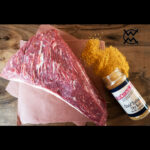 This triangular gem from the bottom sirloin (near the hip) got its name from its shape. Popularized in California, it’s a barbecue staple with a lean yet juicy bite.
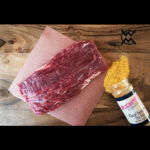 From the belly (or “flank”) of the cow, this cut’s name is pure geography. Long and flat, it’s a flavor powerhouse when marinated and sliced thin—think fajitas or stir-fry.
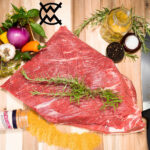 Derived from Old English “brusket,” meaning breast, this cut comes from the chest area. It’s a tough muscle that transforms into tender, smoky perfection with slow cooking. A barbecue legend!
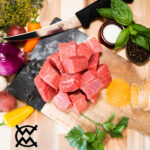 Typically cubed from tougher cuts like chuck or round (hind leg), this meat is built for slow simmering. The term “stew” reflects its destiny in hearty, comforting pots of goodness.
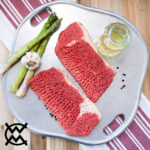 Cut from the round (the cow’s hind leg), these steaks are mechanically tenderized to soften their lean, muscular texture. “Round” refers to the leg’s shape—simple, affordable, and great for quick meals.
A Guide to Flavorful Pork Cuts
Pork Chops
|
Pork Steaks
|
Boston Butt Roast
|
Boneless Pork Loin Roast
|
Fresh Ground Pork
|
Country-Style Pork Ribs
|
Pork Spare Ribs
|
Sausage
|
Whole Ham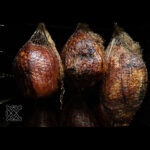 Whole Boneless Smoked Ham From the pig’s hind leg, “ham” comes from Old English “hamm,” meaning the back of the knee. Cured or fresh, it’s a centerpiece-worthy cut for roasting or smoking. |
Bacon
|
Chorizo Sausage
|
Italian Sausage
|
Baby Back Ribs
|
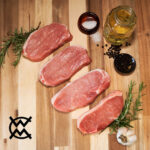 Chops are cut from the loin, which runs along the pig’s back. The word “chop” comes from Old English “ceap,” meaning to barter or cut. Bone-in or boneless, they’re quick-cooking and versatile.
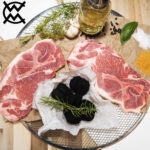 Sliced from the shoulder (or “butt” area), these are meatier and fattier than chops. The term “steak” here just means a thick, grill-ready slab—pure comfort food.
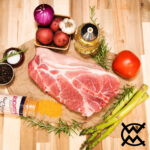 Confusingly, this isn’t from the pig’s rear! It’s from the upper shoulder, named after barrels (or “butts”) used to ship pork in colonial New England. Slow-cook it for pulled pork perfection.
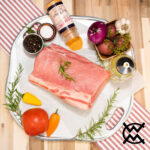 From the loin along the back, this lean cut is the pork equivalent of beef’s tenderloin. “Loin” comes from Latin “lumbus,” meaning back—simple and elegant for roasting.
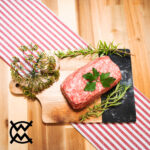 Ground from various trimmings (often shoulder or loin), this is your go-to for meatballs or patties. No fancy origin story—just pure pork goodness.
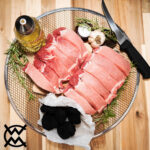 Not true ribs, these meaty strips come from the shoulder near the loin. They’re called “country” for their rustic, hearty appeal—great for grilling or braising.
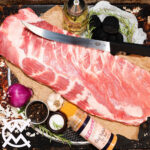 From the belly side of the rib cage, “spare” refers to their leaner meat compared to back ribs. A barbecue classic with a name that’s stuck since medieval times.
 Ground pork (often shoulder or belly) spiced and stuffed into casings. The word comes from Latin “salsus,” meaning salted—a preservation trick turned tasty tradition.
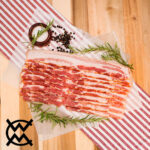 Sliced from the belly or sides, “bacon” traces back to Old French “bacun,” meaning back meat. Crispy, smoky, and irresistible—it’s pork’s ultimate treat.
 A spiced sausage with roots in Spain (from Latin “salsicia,” meaning seasoned meat), this pork gem often uses shoulder or belly meat. Bold and fiery, it’s perfect for grilling or crumbling.
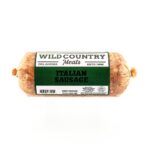 Another sausage star, this one’s flavored with Italian herbs like fennel. Made from ground pork (typically shoulder), it’s a versatile link for pasta or sandwiches.
Order Fresh Meat from Wild Country Meats
Looking for “meat delivery near me” or “local beef cuts” to stock your kitchen?
At Wild Country Meats in Cleveland, Oklahoma, we offer an online meat delivery service within a 50-mile radius of our shop—perfect for nearby folks craving fresh cuts.
Prefer to grab it yourself?
Swing by for pickup in Cleveland!
From “meat bundles” and “meat packs” to individual steaks and roasts, we’ve got options for every table.
Searching for “fresh meat box” or “USDA beef delivery”?
Our farm-fresh selections are just a click away.
Click below to buy meat now and bring Wild Country flavor home!