Shopping at a butcher shop offers better meat quality, expert service, and transparency compared to big box stores. Here’s why:
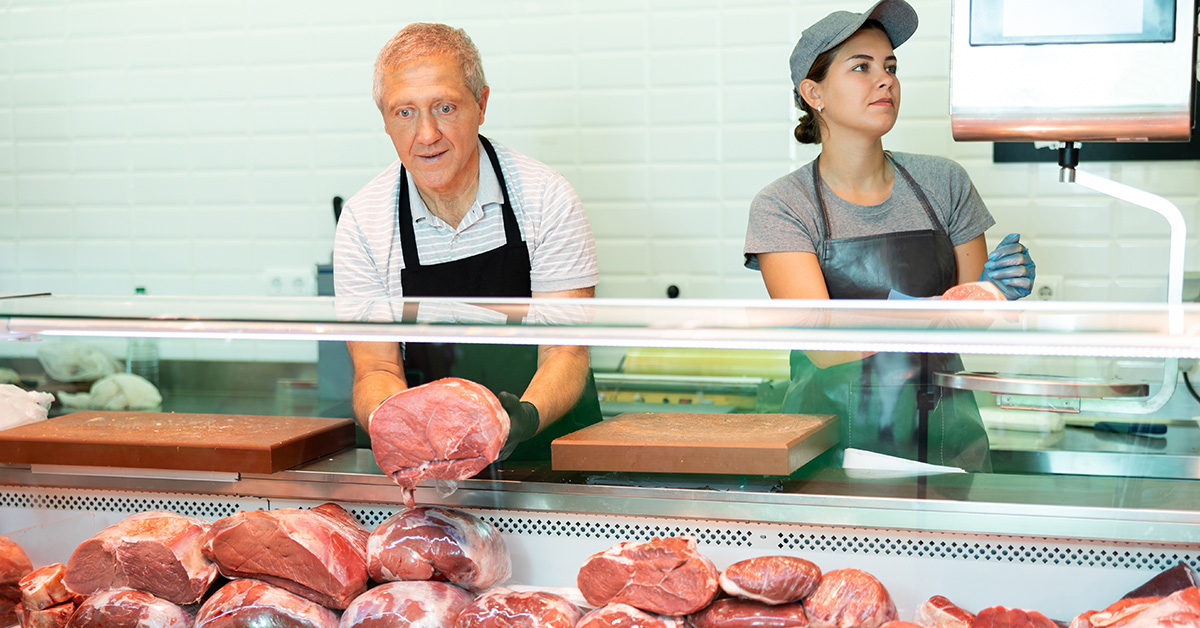
- Higher Quality Meat: Butcher shops provide fresh, hand-cut meats, including premium cuts like Prime and Choice, often unavailable in supermarkets.
- Transparency: You can ask about the animal’s origin, diet, and treatment – details that pre-packaged supermarket meat lacks.
- Healthier Options: Local butchers avoid additives like sodium nitrites and phosphates commonly found in supermarket meat.
- Custom Cuts: Need a specific thickness or fat ratio? Butchers cater to your exact needs, unlike pre-packaged options at big box stores.
- Community Support: Buying local keeps money in your community, supports small businesses, and creates jobs.
- Better Aging Methods: Butchers use dry-aging for richer flavor, whereas supermarkets rely on wet-aging, which can lead to a metallic taste.
Quick Comparison:
| Feature | Butcher Shop | Big Box Store |
|---|---|---|
| Meat Quality | Fresh, hand-cut, Prime/Choice | Factory-processed, mixed cuts |
| Transparency | Full traceability, local sourcing | Limited or no details |
| Additives | None | Common (e.g., sodium nitrites) |
| Customization | Yes (custom cuts, fat ratios) | No |
| Aging Method | Dry-aging (better flavor) | Wet-aging (less flavor) |
| Community Impact | Supports local economy | Minimal local benefit |
If you value fresh, nutrient-rich meat and personalized service, butcher shops are the clear choice. Plus, they help strengthen your local economy while offering cuts tailored to your needs.
Quality and Sourcing Differences
Local Sourcing and Traceability
Did you know that four massive packing plants control about 75% of U.S. beef production? Big box retailers typically buy meat in bulk from centralized suppliers, mixing cuts from various sources. This practice makes it nearly impossible to pinpoint where your meat actually comes from.
At Wild Country Meats, every animal is tagged, photographed, and inventoried to ensure complete traceability. This meticulous documentation means you can find out exactly where your meat came from, including details like the farm it was raised on, whether it was grass-fed or grain-finished, and even its breed. That’s transparency you won’t get with pre-packaged meat that’s traveled hundreds of miles to reach your plate.
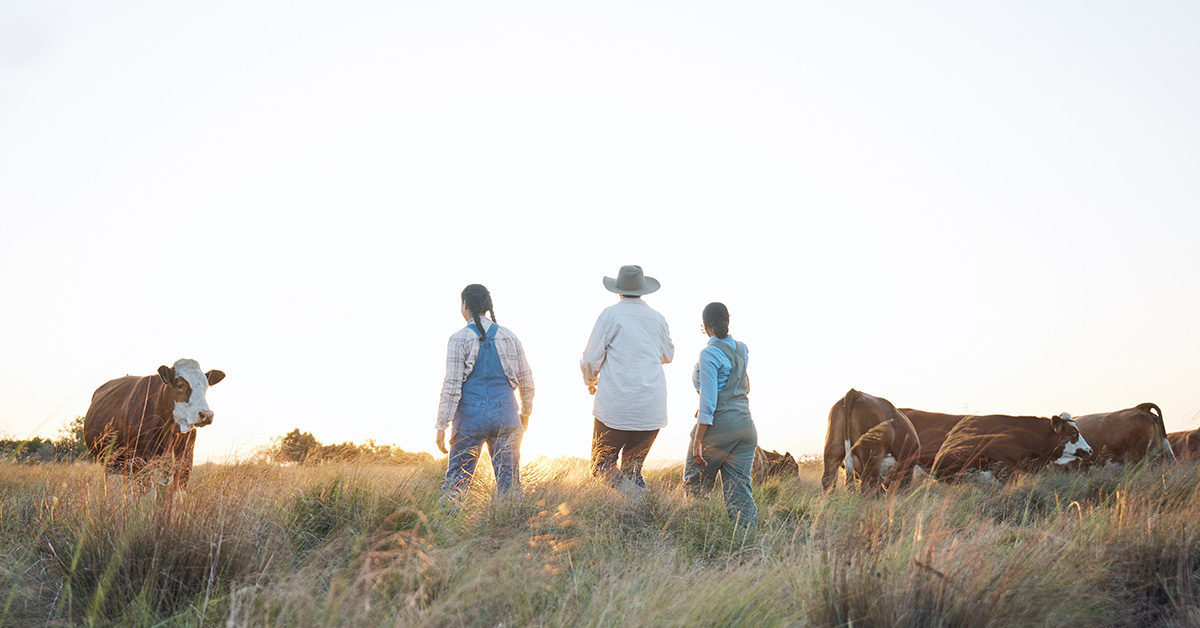
"With a local butcher, you’ve got a one-on-one relationship with someone who has hand-selected the meats they stock at their business, often directly from farmers", explains Ashlyn Frassinelli from The Daily Meal.
This personal connection also allows local butchers to confirm that the animals were treated humanely and raised under proper welfare standards – something that’s often overlooked in mass-market supply chains [7, 13].
The processing methods used by big box stores further emphasize why local butchery stands out when it comes to quality.
Factory Processing vs. Custom Processing
Big box stores rely on "boxed meat", which consists of pre-cut, vacuum-sealed subprimal cuts shipped from large-scale factory facilities [10, 8]. These factories process thousands of animals daily to meet national demand. After cutting and packaging, the meat is shipped long distances before it lands on grocery store shelves. To keep the meat looking bright red – something consumers expect – processors often use gases like carbon monoxide or nitrogen, which can disguise the meat’s actual age.
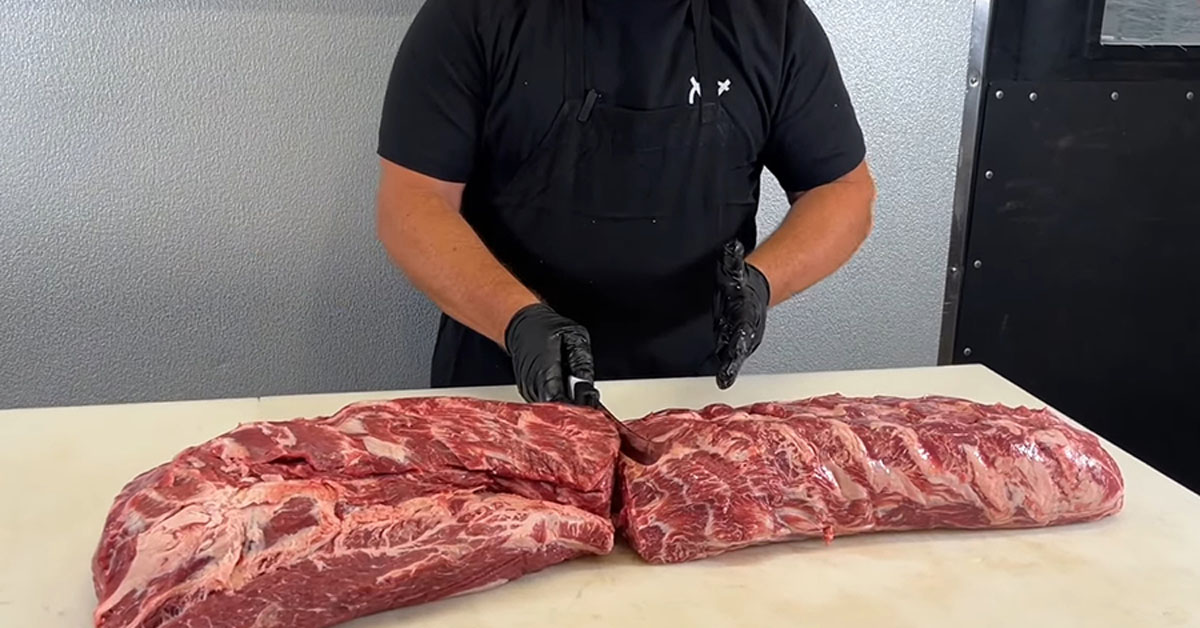
Wild Country Meats takes a completely different approach with whole-animal butchery. Using USDA-inspected facilities in Hominy and Cleveland, Oklahoma, they butcher entire carcasses with care. This process ensures the meat is freshly cut – often on the same day it’s purchased – and free from artificial additives like sodium nitrites and phosphates, which are commonly used in factory processing. For context, an 1,100-pound beef steer yields around 385 pounds of meat, and every pound is fully traceable.
"The main difference between a butcher shop and a grocery store is the attention to detail that a butcher shop provides, beginning with prioritizing sourcing quality over the price", says Mike Saperstein, Co-owner of Sunshine Provisions.
Freshness and Aging Methods
Dry-Aging and Wet-Aging Techniques
How meat is aged plays a huge role in the flavor and texture you experience. At Wild Country Meats, the dry-aging process involves hanging whole carcasses or large cuts in a carefully controlled environment. The temperature is kept between 32°F and 39°F, with humidity levels maintained at 75%–80%. This process typically lasts anywhere from 28 to 55 days, though some high-end facilities push it further, aging meat for 120 to even 240 days to intensify the flavor.
During dry-aging, natural enzymes work to break down muscle fibers, making the meat more tender while concentrating its flavors into a rich, nutty profile.
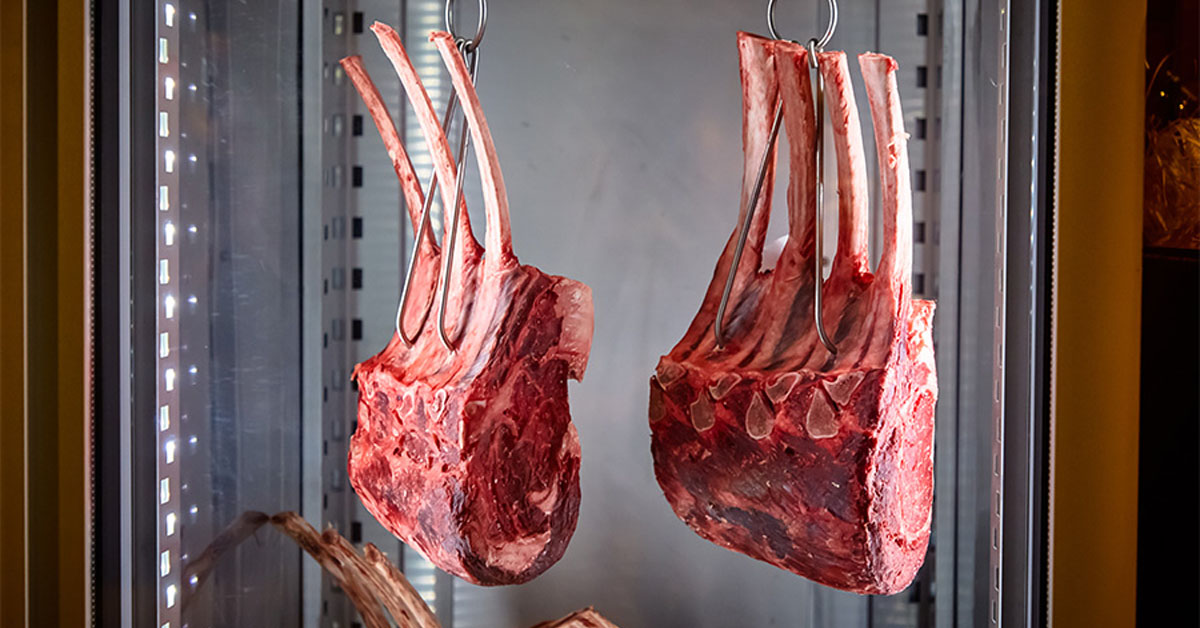
Aaron, Head Butcher at Peter Augustus, explains, "Dry aging exposes meat to air so enzymes break down muscle fibers, enhancing tenderness".
However, dry-aging does come with a cost. The process leads to a weight loss of 6% to 15% due to moisture evaporation, and an additional 3% to 24% is lost when trimming the dried outer layer. This is why dry-aged beef carries a higher price tag – it delivers exceptional flavor and a tenderness that’s hard to beat.
Wild Country Meats uses these precise aging methods to ensure their meat offers unparalleled taste and texture.
Limited Aging at Big Box Stores
Big box stores, on the other hand, often take a different route that prioritizes efficiency over flavor. They rely on wet-aging, a method where meat is vacuum-sealed immediately after processing. While this technique does improve tenderness, it traps moisture, which can result in a "metallic" or "sour" taste instead of the deep, beefy flavor associated with dry-aged meat.
According to SDSU Extension, "Dry-aged beef has been described as beefy or nutty, while beef that has been wet aged can be described as slightly metallic or sour".
Rich Silverman, Head Butcher at The Lambing Shed Farm Shop & Kitchen, notes: "When you see a label saying ’21-day-aged’ in the supermarket, it’s not done on the carcass, so it’s not dry. It’s done so the moisture can’t escape, so when you are cooking it, the moisture will steam the meat from the inside, making it chewy".
At Wild Country Meats, freshness is a priority. Their meat is prepared daily or made to order, ensuring every cut meets the highest standards. By focusing on traditional aging techniques rather than mass-market methods, they consistently deliver meat with superior flavor and texture.
Custom Cuts and Specialty Products
Customized Cuts for Your Needs
When you shop at big box stores, you’re stuck with pre-packaged, standard-sized meat cuts. Need a 2-inch thick ribeye for a special occasion? Or maybe deboned pork chops for a recipe? Unfortunately, those options just aren’t available.
But that’s where butcher shops like Wild Country Meats stand out. They cut meat fresh, exactly how you want it. Whether it’s steaks sliced to a precise 1-inch thickness, a smaller 3-pound roast, or a custom fat-to-lean ratio for your ground beef, these requests are all part of their daily routine.
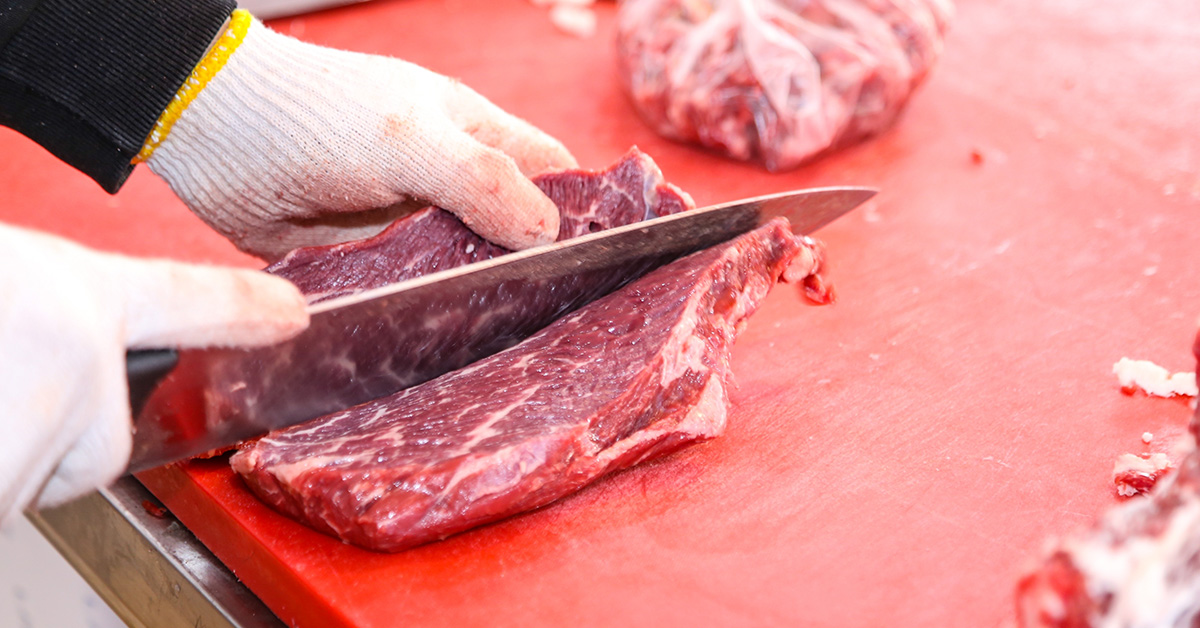
"Whether you need thicker steaks, thinner slices, or a particular portion size, your butcher can cut meat to your exact specifications", says Prime Meats LLC.
This level of customization isn’t just about preference – it makes a real difference in your cooking. A thicker steak demands a different approach than a thin one, and tailoring your ground meat blend allows you to get just the right balance of fat and flavor for your dish. You can even specify bone counts for roasts or ask for fat to be trimmed to your liking.
At big box stores, employees aren’t trained butchers – they’re stocking pre-cut products. But at Wild Country Meats, personalized service is the norm, and it extends well beyond just the cuts of meat.
Specialty Items and Meat Bundles
Wild Country Meats also offers a variety of specialty products you won’t find at your average supermarket. Think house-made jerky in flavors like teriyaki, jalapeño, and honey sriracha. Add to that snack sticks, hot links, smoked meats, and deli packs – perfect for spicing up your meals or grabbing on the go.
Looking to save? Their beef bundles come in different sizes, helping you lower the cost per pound. Plus, they provide wild game processing services for venison, duck, buffalo, and more – something you simply won’t find at chain grocery stores.
As Corrie Cook from Smoking Goose puts it: "A meat shop that knows how to do more than cut is a good sign of a well-trained crew who like to cook (and eat) as much as you do".
And here’s a tip: not everything they offer is on display. Specialty items like organ meats, ingredients for bone broth, or traditional cuts for specific recipes are often available – just ask. This kind of access opens up a world of possibilities for home cooks that big box stores simply can’t match.
Customer Service and Expertise
Expert Guidance on Cuts and Cooking
At Wild Country Meats, you get more than just meat; you gain access to a wealth of knowledge from skilled butchers who are passionate about their craft. Unlike big box stores, where staff might be limited to scanning barcodes, here you’ll find experts ready to assist with everything from choosing the right cut to perfecting your seasoning. Their advice can even save you money – up to $30 per pound – by suggesting affordable yet flavorful alternatives like crosscut beef shank instead of tenderloin. They also shine at introducing you to hidden gems among cuts that suit your specific cooking needs.

"If your butcher can’t answer questions such as, ‘Where is this meat from?’ or ‘How would you cook this?’ you should probably go to a different butcher", says Monica Rocchino, Owner of The Local Butcher Shop.
Community Trust and Family Legacy
Wild Country Meats isn’t just a business; it’s a cornerstone of Oklahoma’s local community. Since its founding in 1998 by third-generation butcher Chris Gabriel, the company has been deeply rooted in quality, integrity, and personalized service. Operating from two fully licensed facilities in Hominy and Cleveland, it employs over 40 people and serves a diverse clientele, including ranchers, homesteaders, hunters, and families across Osage County.
The connection Wild Country Meats builds with its customers is something you won’t find in a chain store. Here, your butcher gets to know you – your name, your cooking preferences, your go-to cuts, and even how you like your meat wrapped.

"Your butcher will quickly learn your name, your preferred style of cooking, your favorite cuts, and how you like your meat to be wrapped", notes Weber Grills.
As a certified "Made in Oklahoma" retailer, Wild Country Meats also supports local farms and ranchers, ensuring every purchase not only delivers exceptional quality but also strengthens the community.
sbb-itb-5ae85c5
Pricing and Long-Term Value
Cost Comparison and Quality Benefits
At first glance, meat from big box stores might seem like a bargain, but there’s a hidden cost to that lower price tag. Many supermarket meats are loaded with additives and undergo heavy processing, which can significantly affect quality. For instance, supermarket pork is often injected with a sodium solution ranging from 8% to 15%. Essentially, you’re paying for water weight instead of pure protein. Similarly, that vibrant red hue in supermarket beef? It’s often the result of carbon monoxide gassing, a technique used to disguise the meat’s actual age.
A price comparison conducted in February 2024 revealed that subscribing to a curated meat delivery plan costs an average of $146 per month. In contrast, purchasing equivalent high-quality, grass-fed, organic cuts from a store would set you back about $170.72 per month – a difference of roughly $24 in savings each month.

Local butchers also provide better value by cutting out the unnecessary fat, gristle, and fillers commonly found in factory-processed meat. For example, butcher-sourced ground beef typically offers a higher lean meat yield. Plus, freshly cut meat retains its vitamins and minerals, which can diminish during extended storage times. These factors highlight the long-term savings and nutritional advantages of choosing locally sourced, premium-quality meat.
"You aren’t saving any money when you buy meat that is disgusting. So while buying meat from the grocery store may save a few pennies, are you really saving anything when your steak is tough, flavorless, and tastes old?" – The Bearded Butchers
Affordable Options Through Bundles and Delivery
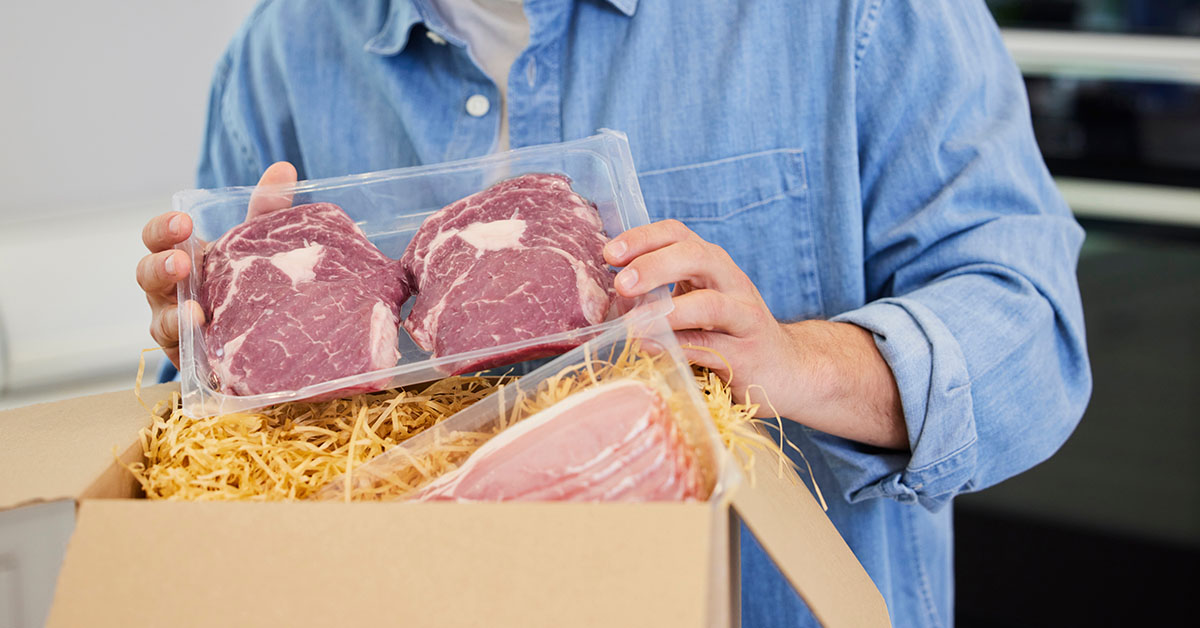
While quality is a major draw, affordability matters too. Wild Country Meats makes premium cuts accessible by offering bundles and bulk-buy options. Instead of paying top dollar for individual cuts, you can opt for quarter, half, or whole beef packages priced at a flat rate per pound. This means that cuts like ribeye, which might cost $30 per pound elsewhere, are priced the same as more common cuts when included in a bundle.
Convenience is another perk. Wild Country Meats offers delivery within 50 miles of Hominy and Cleveland, covering areas like Tulsa, Broken Arrow, and Stillwater. This service not only saves you a trip but also ensures your freezer stays stocked with fresh, high-quality meat. For budget-conscious shoppers, options like beef shank, flat-iron steak, or lamb neck deliver rich flavors and great value – choices that are hard to come by at big box stores.

Don’t shy away from asking about daily specials or more affordable alternatives. The experienced staff can guide you toward cuts that fit your budget and share cooking tips, like how to braise tougher cuts into tender, restaurant-quality dishes. When you consider the reduced waste, superior flavor, and personalized service, buying directly from a local butcher offers far more long-term value than the fleeting savings of supermarket meat. These pricing options, combined with the unmatched quality and care, are what set Wild Country Meats apart.
Farm Shop Vs Supermarket Meat. What’s The Difference?
Conclusion
Choosing Wild Country Meats over big box stores means opting for fresh, high-quality meat, expert service, and complete transparency. Here, every cut is prepared fresh daily by third-generation butchers who truly understand their craft. You’ll know exactly where your food comes from and how it was raised, ensuring peace of mind with every bite. From sourcing to custom cuts, every step is designed to bring unmatched freshness and flavor straight to your table. This difference is clear in the tenderness of an aged steak, the rich taste of locally sourced beef, and the confidence of feeding your family food you can trust.
At Wild Country Meats, personalized service is at the heart of everything. Whether you need a ribeye cut to your preferred thickness, ground beef with a specific fat ratio, or tips on transforming an affordable cut into a standout dish, our butchers are here to help.
"By supporting your local businesses, you ensure that your meals are of the highest quality and contribute to the improvement of your community and the environment." – ATSA Foods
But it’s not just about the meat – it’s about strengthening the local community. Supporting Wild Country Meats keeps your dollars in Osage County, benefiting local ranchers and providing jobs to over 40 people in your area. It’s a choice that boosts the local economy while minimizing the environmental footprint of transporting meat over long distances. And with delivery available within 50 miles of both locations, enjoying premium, locally sourced meat is easier than ever.
The value goes beyond the price tag. Bulk options like quarter and half beef packages, reduced waste through custom cuts, and meat that tastes as it should all add up to a better investment. With no additives, a superior nutrient profile, and expert craftsmanship in every bite, Wild Country Meats offers honest service, genuine quality, and meat you can trust.
FAQs
What makes dry-aging meat different from wet-aging?
Dry-aging transforms meat into a flavor-packed experience by letting it naturally lose moisture. This moisture loss intensifies the taste, creating a rich, nutty, and earthy profile. At the same time, enzymes go to work breaking down connective tissues, giving the meat a firmer texture and a more layered aroma.
On the other hand, wet-aging takes a different approach. The meat is vacuum-sealed, locking in moisture and delivering a milder, juicier flavor. Both techniques have their advantages, but dry-aging stands out for its bold, complex flavors and distinctive texture.
How does buying meat from a butcher shop benefit your local community?
Buying meat from a local butcher shop does more than fill your fridge – it directly supports your community. When you shop locally, your money stays in the local economy, helping small business owners, nearby farms, and workers like butchers, farmhands, and delivery drivers. It’s a way to strengthen local jobs and preserve agricultural land, keeping it from being turned into something else entirely.
What’s more, local butchers offer a personal connection to your food. They can tell you where the meat comes from, how it was raised, and even share tips for preparing it. This kind of transparency fosters trust and helps you make sustainable, ethical choices that align with your community’s values. Choosing to buy locally means you’re opting for better food quality, caring for the environment, and contributing to the well-being of your neighborhood.
Why does knowing where your meat comes from matter?
Knowing the origin of your meat allows you to make smarter decisions about its quality, ethical standards, and freshness. It gives you insight into how the animals were raised, what they were fed, and the care they received – helping you feel good about the food you’re putting on your table.
Shopping at a butcher shop often means access to clear sourcing details that large grocery chains might not provide. This not only lets you support responsible practices but also enjoy meat with richer flavor while aligning your choices with your personal values.