
When you bring your livestock or game for processing, you expect to get back exactly what you raised or hunted – no mixing, no compromises. At Wild Country Meats, we ensure this through detailed tracking and proper handling at every step. Here’s how we do it:
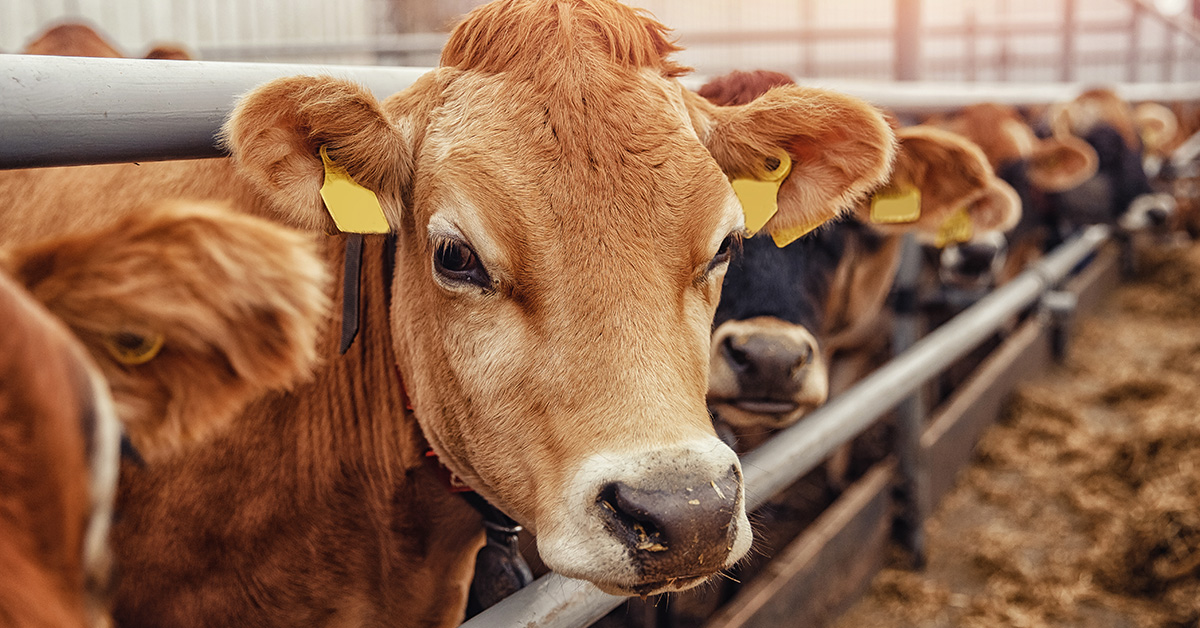
- Traceability: Each animal is tagged, photographed, and tracked using a digital system to ensure the meat you receive is exclusively yours.
- Food Safety: Our USDA-inspected facility monitors temperatures and follows strict guidelines to prevent spoilage and contamination.
- Better Handling: Meat is vacuum-sealed, aged appropriately, and stored in optimal conditions to preserve flavor and quality.
- Transparency: You get a detailed inventory report with custom-labeled packages that link back to your animal.
Unlike standard processors, we don’t mix meat from multiple animals, ensuring you get exactly what you brought in. This approach not only maintains quality but also simplifies recalls if ever needed. Choose Wild Country Meats for reliable, transparent processing.
NMPAN Webinar: Integrated Yield Tracking & Traceability Software for Co-Packing Facilities
How Wild Country Meats‘ Custom Processing Works
At Wild Country Meats, we take farm-to-table traceability seriously, ensuring every step of the process is documented so you can trust the meat you receive is exclusively from your animal. From the moment your animal arrives at our facility, we maintain detailed records to guarantee transparency and accuracy.
Animal Tagging and Intake Documentation
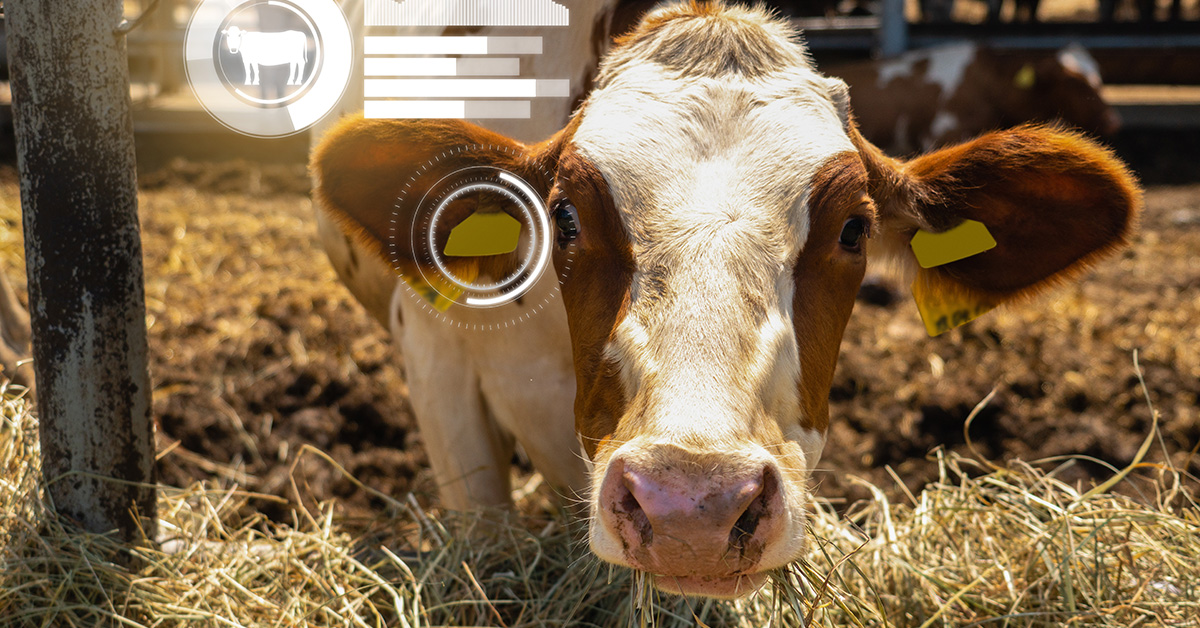
When your animal arrives, we capture its unique ear tag information using a digital system. This intake process also records your name, the animal’s weight, the exact date and time of arrival, and its origin. By using a digital system instead of paper records, we improve efficiency and reduce the chance of errors, ensuring the information is accurate and easy to access.
Photography and Inventory Logging
Every animal is photographed upon arrival and added to our inventory system. This visual record provides an additional layer of verification, ensuring the meat you receive corresponds exactly to your animal. Combined with our digital logs, this creates a comprehensive audit trail from the moment your animal enters our facility.
USDA-Inspected Processing with Lot Tracking
As we process your animal, we assign a unique identifier – such as a barcode or alphanumeric lot code – that stays with the meat through every stage. Key details, like the original ear tag number, the start time of processing, and the personnel involved, are carefully logged. To meet FDA Food Traceability Final Rule requirements, we document Critical Tracking Events (CTEs) at essential points such as receiving, cutting and packaging, and shipping. Throughout the process, we monitor temperatures to prevent bacterial growth, keeping meat safely out of the 40°F–140°F danger zone.
As Devan Luckey from This Old Farm puts it, "Traceability is the ability to track meat products backward from their source animal from growth and feeding, slaughter, processing, and distribution, to the point of sale or consumption, in a comprehensive manner."
Custom Labeling and Barcode Application
Each package of meat is custom-labeled with your unique traceability lot code, directly linking it back to your animal. Our barcode system allows us to scan and verify every package, ensuring you receive exactly what you ordered. If needed, documentation for food safety inquiries is available within 24 hours.
Storage Methods That Preserve Freshness
To maintain quality, we vacuum seal the meat and use forced-air cooling immediately after processing. Whether fresh, chilled, or frozen, the meat is stored in the optimal condition to preserve its flavor, texture, and nutrients until it’s ready for pick-up or delivery.
Benefits of Wild Country Meats’ Traceability and Freshness System
Improved Food Safety and Recall Readiness
Wild Country Meats’ digital traceability system ensures food safety by meticulously tracking lot codes both forward and backward. In the event of a safety concern, this system allows for the recall of only the affected batches, minimizing waste and risk. The FDA mandates businesses to provide recall data within 24 hours under FSMA 204 regulations, and our system is built to meet these strict requirements efficiently. For example, in 2024, a leading American lamb processing facility adopted a similar digital system, achieving 91% real-time data access and a 40% increase in data accuracy. This level of preparedness sets a benchmark for transparency and safety throughout the supply chain.

"Traceability is a vital part of a food business’ preparedness plans against food safety events, such as complaints and foodborne diseases." – Katrin Liivat, CEO, FoodDocs
Transparency from Farm to Table
Our process goes beyond safety to offer complete transparency. Whether at pickup or delivery, you’ll receive an itemized inventory report detailing every cut from your animal. Thanks to our multi-stage tagging system, detailed photographic records, and individualized processing, you can be confident that the meat you receive comes exclusively from your own livestock. Each carcass is processed separately, and ground meat is handled individually to maintain this integrity. As owner Chris Gabriel proudly states, "We don’t seek to satisfy our customers. We seek to amaze them."
Better Freshness and Flavor Preservation
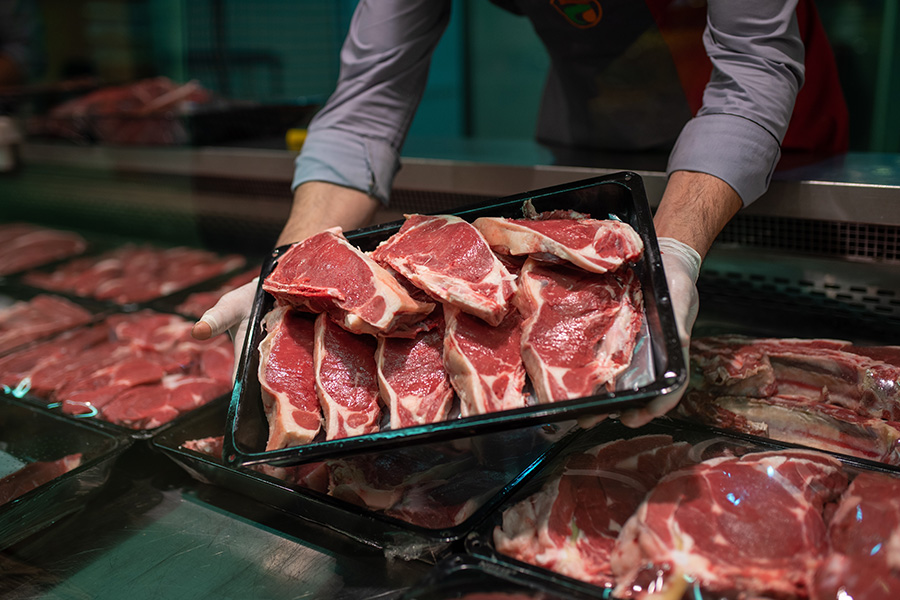
Vacuum packaging plays a crucial role in maintaining the outstanding quality of our products. For beef, a minimum aging period of 21 days enhances tenderness and develops its rich flavor. Meanwhile, fresh pork is cut and frozen within two days of slaughter to lock in its peak freshness. By combining proper aging, rapid cooling, and airtight packaging, we ensure that your meat stays fresher and more flavorful for longer periods. Additionally, our strict temperature control throughout the processing stages keeps the meat safely out of the 40°F–140°F danger zone, where bacteria thrive, ensuring both quality and safety.
sbb-itb-5ae85c5
Comparison: Standard Processing vs. Wild Country Meats’ Methods
When it comes to meat processing, there are two distinct approaches. Large-scale facilities typically combine meat from multiple animals to streamline operations and cut costs. On the other hand, Wild Country Meats takes a different route, processing each animal individually to guarantee full traceability. This difference highlights our dedication to quality and safety.
In standard processing, tracking is often done manually at the batch level, making it nearly impossible to trace meat back to a specific animal. Wild Country Meats solves this with digital lot tracking, using custom barcodes linked to intake photos and metadata like arrival times and processor details. This ensures complete traceability for every single animal.
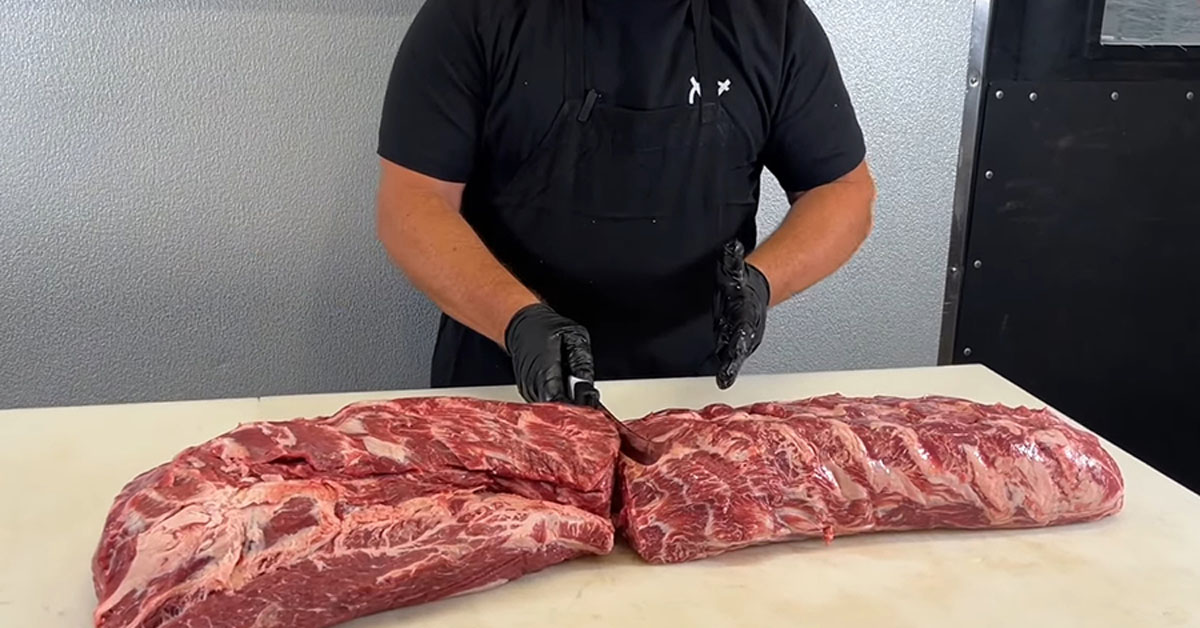
Another key distinction lies in the use of additives. While conventional processors often rely on additives, we stick to additive-free vacuum sealing to maintain the meat’s natural flavor. Additionally, our extended dry aging process – where beef is aged for 10 to 14 days – further enhances flavor and tenderness. In contrast, high-volume processors usually reduce aging time to speed up production.
Here’s how the two methods compare:
| Feature | Standard Processing | Wild Country Meats’ Methods |
|---|---|---|
| Traceability | Batch-based; meat from multiple animals pooled | Individual tracking tied to specific ear tag numbers |
| Documentation | Basic intake logs for compliance | Photos, detailed inventory, and digital metadata |
| Processing | Multiple animals processed together | Each animal processed individually; separate grinding |
| Labeling | Generic labels with basic info | Custom barcodes with farm origin and processing details |
| Storage Monitoring | Manual temperature checks at intervals | Continuous cold chain monitoring with real-time alerts |
| Aging Process | Minimal aging to increase speed and volume | 10–14 day dry aging for beef and buffalo |
Another advantage of our method is in the event of a recall. Batch processing often leads to broad, sweeping recalls, while our system allows for precise, targeted recalls, minimizing waste and ensuring safety.
Conclusion: Trust Wild Country Meats for Quality and Transparency
When it comes to quality and accountability, Wild Country Meats stands apart. Every animal processed at our facility is individually tracked, guaranteeing that the meat you receive is the same one you brought in. This isn’t just about meeting regulatory standards – it’s about earning your trust through complete transparency.
Our vacuum packaging technology is another way we prioritize quality. By extending refrigerated storage from 5–7 days to nearly 100 days and maintaining temperatures at or below 40°F (4°C) through continuous cold chain monitoring, we ensure your meat stays fresh and safe.
In situations like recalls, our tracking system truly shines. Unlike large-scale facilities that might recall entire batches impacting hundreds of customers, our custom barcoded digital lot tracking allows us to isolate specific products instantly. This precision reduces waste and enhances safety, offering peace of mind.
Operating from two USDA-inspected facilities in Osage County, Oklahoma, Wild Country Meats is a family-owned business with roots in the meat industry dating back to 1968. Our long-standing experience and attention to detail have built a legacy of trust. From our meticulous processing methods to the detailed metadata we provide, every step reflects our commitment to quality.
"Traceability isn’t just about following rules – it’s about building trust, staying accountable, and ensuring the industry can thrive in the long run." – Nancy Ing, Food Safety Consultant, Datahex
Choose Wild Country Meats for a partnership built on expertise, integrity, and a dedication to delivering the best.
FAQs
How does Wild Country Meats make sure my meat stays separate from others?
Wild Country Meats takes great care to ensure the meat you receive is exclusively yours. From the moment your animal arrives, it’s assigned a unique identifier – like an ear tag or barcode – that stays with it throughout the entire processing process.
This strict tracking system guarantees that the meat you collect is 100% from your animal, providing clarity and confidence every step of the way.
Why is vacuum sealing and aging meat important?
Vacuum sealing and aging meat come with some great perks for meat lovers. Vacuum sealing keeps air out, which slows down bacteria growth and helps the meat stay fresh longer. It also protects the meat’s natural flavor and texture, making it taste just as good as the day it was sealed.
On the other hand, aging meat, whether through dry or wet aging, works wonders for tenderness and taste. By letting natural enzymes break down the muscle fibers over time, the meat develops a richer, more complex flavor. When combined, these two techniques ensure your meat remains safe to eat, full of flavor, and top-notch in quality.
How does your traceability system ensure safety during a recall?
Our traceability system is designed to swiftly locate and isolate specific batches of meat if a recall becomes necessary. By meticulously tracking each product’s path from the farm all the way to the table, we can quickly identify the items in question and remove them with precision. This focused process helps protect customers, maintain food safety, and lower any potential risks to public health.