
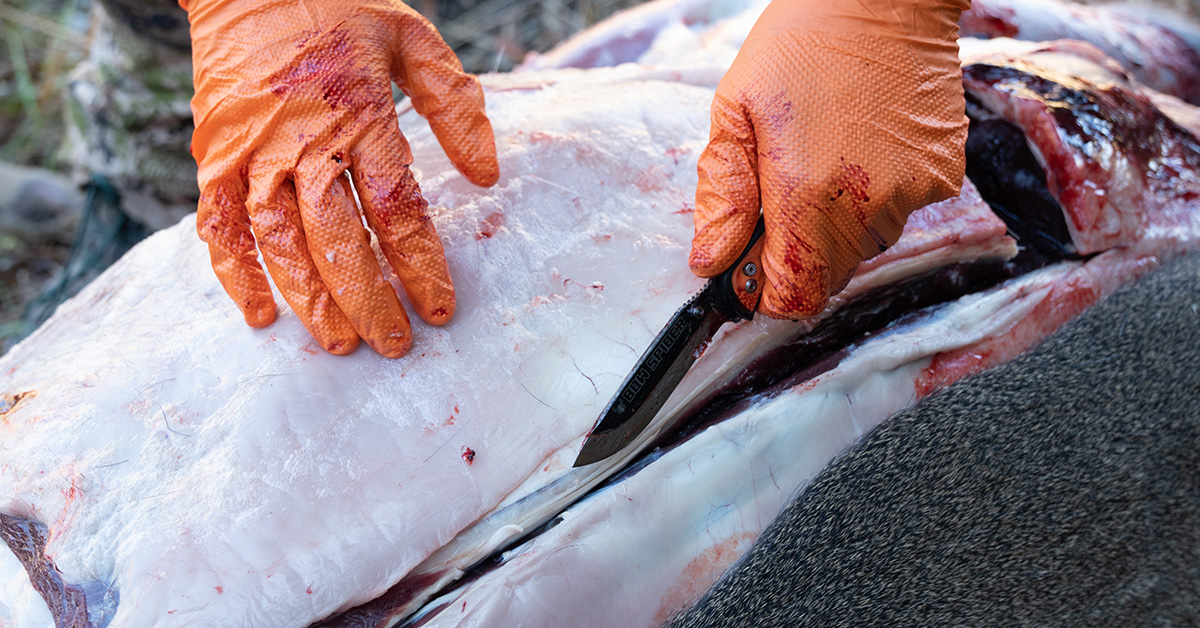
Processing a deer yourself not only saves money but also gives you control over the quality and handling of your venison. While commercial processors charge $75–$200 per deer, a basic butchering setup costs $50–$150 and can save you $100–$200 per deer over time. A typical adult deer yields 35–60 pounds of boneless meat, making proper butchering techniques essential to maximize your harvest. Key steps include using the right tools, following natural muscle lines, trimming fat and glands, and organizing cuts for storage. This guide covers everything you need to know – from tools and workspace setup to breaking down the deer step-by-step.
Key takeaways:
- Cost savings: Home processing is more affordable in the long run.
- Better quality: Immediate handling reduces spoilage and improves taste.
- Customization: Tailor cuts to your preferences (e.g., steaks, ground meat).
- Yield: A 150-pound deer provides 60–75 pounds of meat.
With practice and the right approach, you’ll gain skills to efficiently process your own venison while ensuring high-quality results.
Deer Cutting Tutorial! Deer Processing Start To Finish
Tools and Workspace Setup
Getting your tools and workspace ready is crucial for efficient, contamination-free deer butchering. Proper preparation not only helps maintain cleanliness but also ensures you can work efficiently to make the most of your harvest.
Required Tools for Deer Butchering
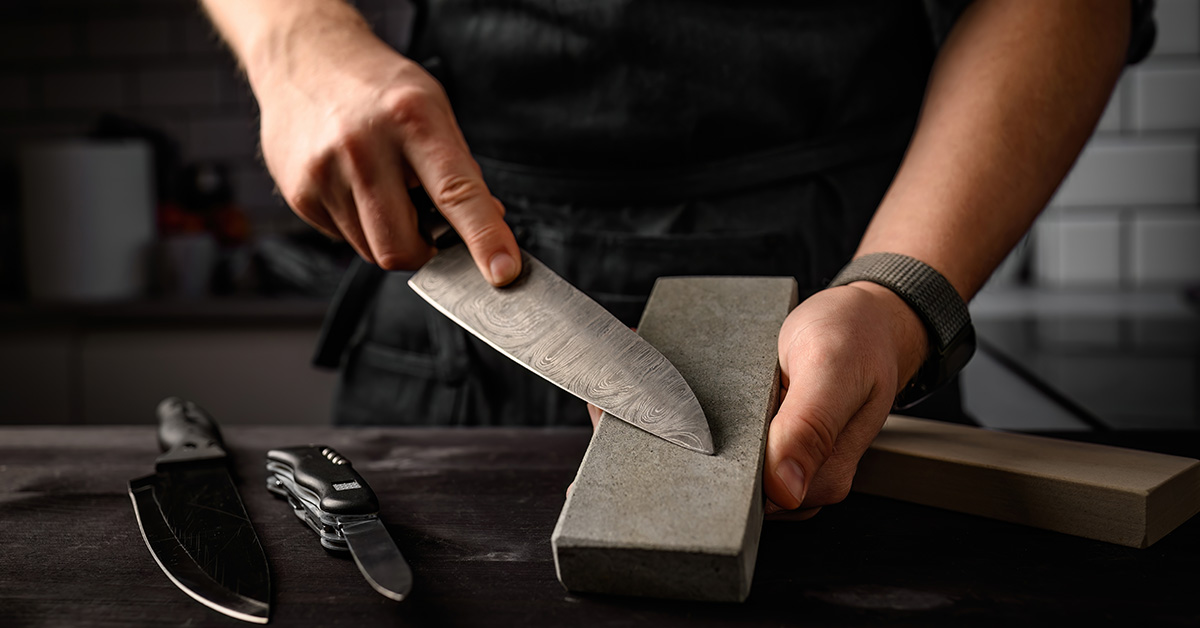
A good butchering setup starts with the right cutting tools. The essentials include a sharp boning knife, typically 5–6 inches long, with a thin blade that makes it easier to follow muscle seams for precise cuts.

For breaking down larger sections, a heavier butcher blade – similar to a Bowie knife – offers the durability needed for tougher tasks. Professional-grade kits often come with these essentials. A bone saw can also be helpful for cleanly separating joints or cutting through the sternum, though it’s not mandatory for beginners.
Here are other must-haves for your setup:
- Clean meat storage containers or tubs for organizing various cuts
- Disposable gloves to maintain hygiene (change them frequently if contaminated)
- Clean towels or paper towels for wiping hands and tools
- A sturdy cutting surface, such as a butcher’s block or large cutting board
- A digital scale (around $70) for tracking meat yields
- A honing steel or sharpening tool to keep your knives sharp
- A meat grinder with at least 1/4 horsepower for ground venison
Here’s a quick reference table for essential tools and their approximate costs:
| Essential Tool | Typical Price (USD) | Primary Use |
|---|---|---|
| Butcher Kit | $50 | Complete cutting |
| Digital Scale | $70 | Portioning |
| Field Dressing Knife | $65 | Precision cutting |
| Quality Cooler | $399 | Storage |
Source for pricing and tool recommendations: [1][3][5]
With your tools in place, the next step is setting up a workspace that prioritizes both safety and efficiency.
Setting Up Your Workspace
Once you’ve gathered your tools, focus on creating a workspace that supports clean and precise processing. Keep the temperature between 34°F and 40°F to prevent spoilage and maintain the firmness of the meat, which makes cutting easier.
Organize your workspace into designated areas for different stages of processing. For example, set up one area for breaking down the carcass into major sections, another for trimming and cutting steaks or roasts, and a separate spot for grinding. Keep labeled containers for different cuts – like backstraps, hindquarters, or ground meat – within easy reach. A well-organized setup minimizes mistakes and helps you get the most from your deer.
Before starting, sanitize all surfaces and tools using hot, soapy water followed by a food-safe sanitizer solution (or one tablespoon of bleach per gallon of water). Have paper towels or clean cloths handy for wiping down knives and hands as needed.
Good lighting is essential to see exactly where you’re cutting, and a non-slip surface can help prevent accidents. Always store sharp tools safely when not in use to avoid injuries.
Professional processors, such as Wild Country Meats, emphasize strict protocols to maintain quality and safety. As they explain in their guidelines:
"There are never two different deer, elk, etc. on the cutting table at any time. Each is ground individually as well, making certain that the ground meat you take home is from your animal."
- Wild Country Meats, Deer Processing FAQ
While home setups don’t need to meet commercial standards, processing one animal at a time and keeping your workspace clean and organized are key practices to ensure safety and high-quality results.
How to Break Down a Deer Step-by-Step
Breaking down a deer is a methodical process that ensures you get the most from your harvest. It takes patience and precision, with each step building on the last to maintain cleanliness and quality while maximizing yield.
Skinning and Field Dressing
Start by hanging the deer by its Achilles tendons, which should remain intact during field dressing. This position allows gravity to assist you. Make initial cuts down the back of the hind legs, taking care not to damage the tendons.

Wear disposable gloves, replacing them if they become contaminated. Peel back the skin from the legs and body, cutting only where the connective tissue resists.
When removing the entrails, work carefully to avoid puncturing any internal organs, as this can spoil the meat. Use clean, deliberate cuts and aim to remove the organs in one piece whenever possible. Keeping everything clean at this stage is crucial for the rest of the process.
Removing Major Sections
Butchering follows the natural structure of the deer, starting with the hindquarters and moving through the other sections in a logical order. Position the carcass so the legs are easy to pull toward you for better control.
- Hindquarters: These come off first. Cut into the flank to locate the ball-and-socket joint, then work inward along the bone. Follow the natural separation at the hip joint to avoid unnecessary struggle.
- Front shoulders: These are removed differently since they’re not attached by a ball joint. Slice between the leg and rib cage, using the shoulder blade and arm bone as guides. Be mindful of where the backstrap begins to avoid cutting into this prized section.
- Backstraps: These are some of the most sought-after cuts. Make two long cuts along the backbone and rib cage. Scrape close to the bone to collect as much meat as possible, keeping your knife angled inward. This cut is equivalent to the ribeye on a cow.
- Tenderloins: These delicate, internal muscles are located along either side of the spine inside the cavity. Gently pull them out, staying close to the vertebrae to keep the tenderloins intact.
- Neck and ribs: Use a heavier knife or bone saw to separate these sections from the spine. While not premium cuts, they’re great for ground meat or slow-cooked recipes.
Once the major sections are removed, trim and clean each piece to ensure it’s ready for storage or further preparation.
Trimming and Cleaning Cuts
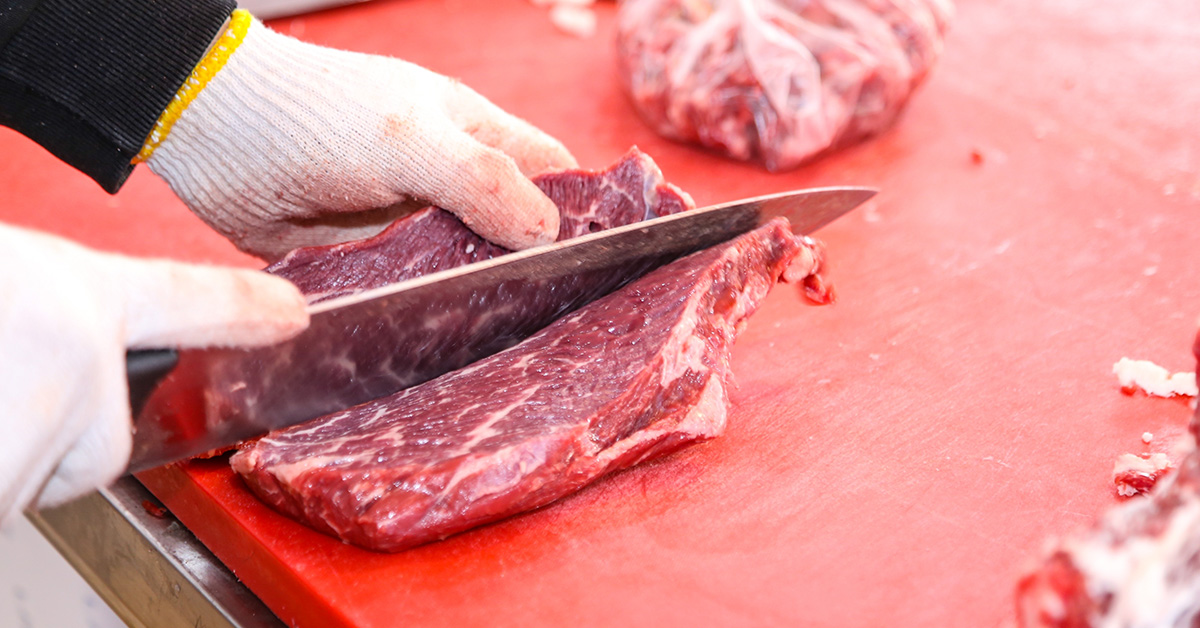
The quality of your venison depends heavily on proper trimming. Deer fat doesn’t freeze well and can add an unpleasant flavor, so it’s best to remove as much as possible. Use a sharp fillet knife to trim away fat, silver skin, and glands.
If you come across any questionable tissue, it’s better to trim it away. For cuts intended for steaks, roasts, or jerky, remove as much silver skin as you can. For ground meat, a small amount of silver skin is acceptable, but leaner cuts will produce a cleaner flavor. Adjust your trimming based on how you plan to use each piece.
After trimming, organize the meat immediately to keep everything efficient.

Organizing and Storing Meat
Sorting and storing your venison properly ensures the meat stays fresh and easy to use later. Separate the meat into categories like tenderloins, backstraps, hindquarters, shoulders, and trim meat as you work.
The hindquarters can be broken down into specific muscles:
- Sirloin tip (also called the knuckle or football roast): Works well for roasts or lean steaks.
- Top round: Ideal for steaks or jerky.
- Bottom round and eye of round: Require careful cleaning but produce tender jerky strips.
- Top sirloin: Found near the hip and perfect for small steaks.
- Shank: Can be deboned and used for ground meat.
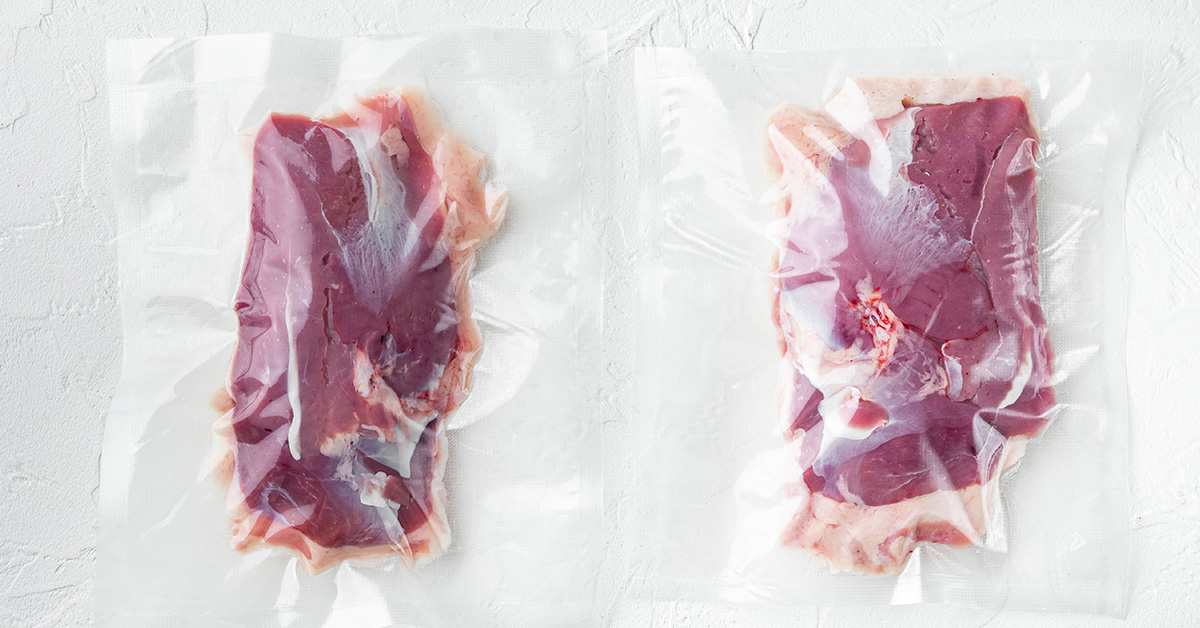
Once sorted, vacuum-seal or bag each cut, label it with the type of cut and the date (MM/DD/YYYY), and store it at 0°F (-18°C) or lower. Vacuum-sealed venison can retain its quality for 2–3 years, while standard freezer packaging only lasts 6–12 months. Investing in proper packaging goes a long way in preserving the quality of your meat.
sbb-itb-5ae85c5
Venison Cuts Compared to Beef
When it comes to understanding venison cuts, comparing them to beef can make things much simpler. The muscle structure and bone placement in deer closely resemble those of cattle. This similarity means that if you’re familiar with beef, you’ll find it easier to process and cook venison effectively.

Venison to Beef Cut Comparison
Deer and cattle share nearly identical muscle group patterns, which makes identifying equivalent cuts straightforward. While venison has about 50% less fat than beef and more protein per ounce, the cuts align closely. Here’s a quick comparison:
| Venison Cut | Beef Equivalent | Location | Characteristics |
|---|---|---|---|
| Backstrap | Ribeye/Strip Loin | Along the spine | Tender and premium |
| Tenderloin | Filet Mignon | Inside body cavity | Extremely tender, small yield |
| Hindquarter | Round (Top/Bottom/Eye) | Rear leg | Lean and versatile |
| Sirloin Tip | Knuckle/Football Roast | Hip area | Great for roasts or steaks |
| Front Shoulder | Chuck | Front leg/shoulder | Tough, ideal for slow cooking |
| Shank | Shank | Lower legs | Tough, best for grinding |
| Neck/Trim | Ground Beef/Stew Meat | Neck and scraps | Best for ground meat |
For example, the backstrap in a deer runs along the spine, just like the ribeye on a cow. Similarly, the tenderloin occupies the same internal position as its beef counterpart. These parallels make it easier to locate and process venison cuts.
One key difference is the fat. Unlike beef fat, which adds flavor, venison fat has a gamey taste and doesn’t freeze well. It’s best to trim all fat from venison during processing to ensure the best flavor and storage quality.
Best Uses for Each Venison Cut
Knowing how venison compares to beef also helps you cook it properly. Each cut cooks similarly to its beef equivalent but requires quicker methods due to venison’s leanness. For reference, a typical 150-pound whitetail deer yields about 60 pounds of boneless meat – about 40% of its live weight.
Backstrap and Tenderloin
These are the most prized cuts. Backstrap is perfect for steaks, butterfly cuts, or small roasts. Cook it over high heat, just like a ribeye, but keep a close eye on the temperature to avoid overcooking. Tenderloin is best reserved for special occasions – grill it whole, slice it into medallions, or pan-sear it like filet mignon.
Hindquarter Cuts
These cuts are incredibly versatile. The sirloin tip works well for roasts or lean steaks. Top round is a favorite for jerky because of its consistent grain and lean texture. Bottom round and eye of round are also great for jerky, but make sure to remove the silver skin and glands for the best results. These cuts, like beef, cook faster due to their lower fat content.
Front Shoulder
Much like beef chuck, the front shoulder contains more connective tissue and benefits from slow, moist cooking methods. Use it for pot roasts, stews, or grind it for burgers. Removing the blade bone is similar to working with a chuck roast, so the process will feel familiar if you’ve handled beef before.
Shank Meat
Shank is tough and sinewy, just like its beef equivalent. It’s ideal for grinding or slow-cooked dishes like stews, where extended cooking breaks down the tough fibers. Combine shank meat with other trimmings for lean ground venison.
Neck and Trim Meat
These scraps are perfect for ground venison. While some people mix in beef or pork fat for added moisture and flavor, lean ground venison freezes better and has a cleaner taste. You can always add fat during cooking if needed.
For the best results, serve backstrap and tenderloin rare to medium-rare. Tougher cuts, like the front shoulder or shank, benefit from low and slow cooking to break down connective tissue without drying out the lean meat. Proper handling and preparation ensure you get the most out of your venison.
Tips for Better Yield and Quality
To get the most meat and flavor from your deer, it’s all about technique. Beyond having the right tools and a well-organized workspace, mastering a few key methods can make a big difference in both yield and taste.
Following Natural Muscle Lines and Bone Structure
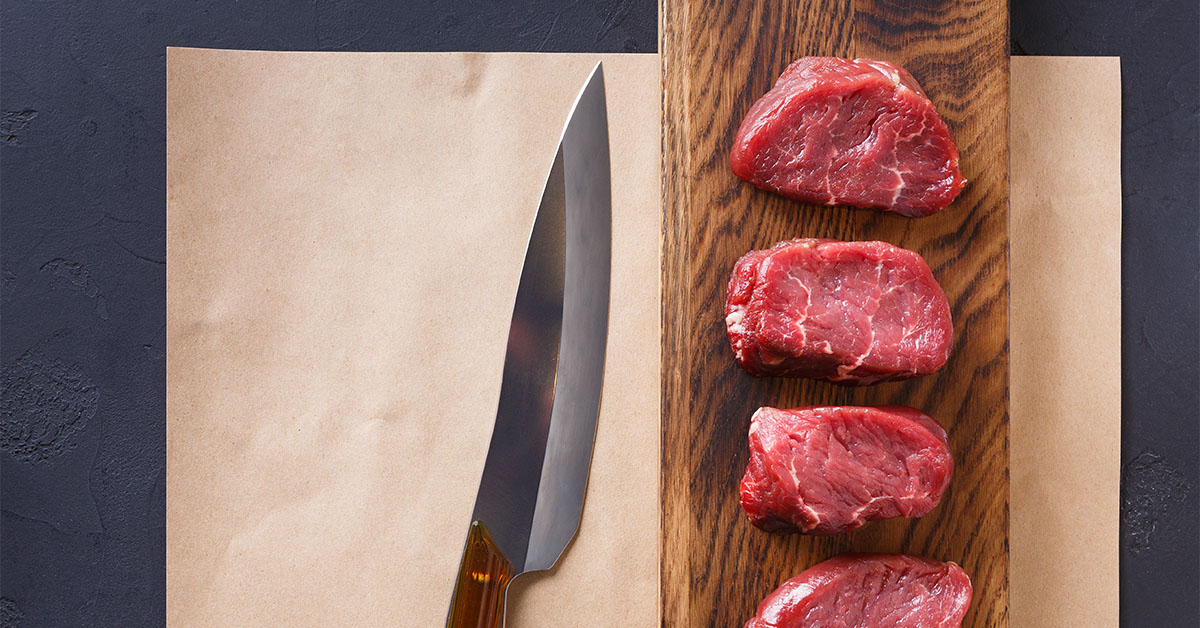
When it comes to butchering deer, the trick is to work with the animal’s anatomy. Each muscle group has natural seams where connective tissue separates one section from another. These seams act as a guide for your cuts, helping you avoid slicing through valuable meat and ensuring you get the most out of every part.
Start by feeling for these natural seams before making any cuts. They’re usually softer than the muscle and appear as thin, whitish lines. Cutting along these lines lets your knife glide easily, avoiding resistance and preventing jagged edges. On the other hand, cutting against the grain can lead to uneven pieces and wasted meat.
The bone structure is your built-in map. Key landmarks like the shoulder blade, hip joint, and spine guide your cuts. Instead of hacking through bones, follow their natural contours. This not only keeps your knife sharp but also helps preserve the integrity of premium cuts.
By sticking to the muscle lines, you can boost your usable meat yield by 10-15% compared to random cutting methods. A flexible boning knife is ideal for this precision work, as it allows you to maneuver around curves and joints. Plus, this method makes it easier to trim away fat and glands, leading to better flavor and quality.
Removing Fat and Glands
Deer fat tends to have a strong, gamey flavor and doesn’t freeze well, making it essential to remove during processing. Focus on areas like the hindquarters and neck, where fat naturally builds up. Carefully trim away the waxy fat using your knife, ensuring you don’t cut into the muscle underneath.
Glands are an even bigger issue when it comes to flavor. Scent glands, especially those near the hind legs, contain compounds that can ruin the taste of your meat if left intact. Make sure to remove these glands entirely, along with the surrounding tissue, to avoid introducing unwanted flavors. Proper trimming of fat and glands is key to maintaining both taste and freezer quality.
Using Meat Scraps and Trimmings
To make the most of every part of the deer, organize your scraps based on quality and how you plan to use them. This simple step ensures nothing goes to waste and maximizes the value of your harvest.
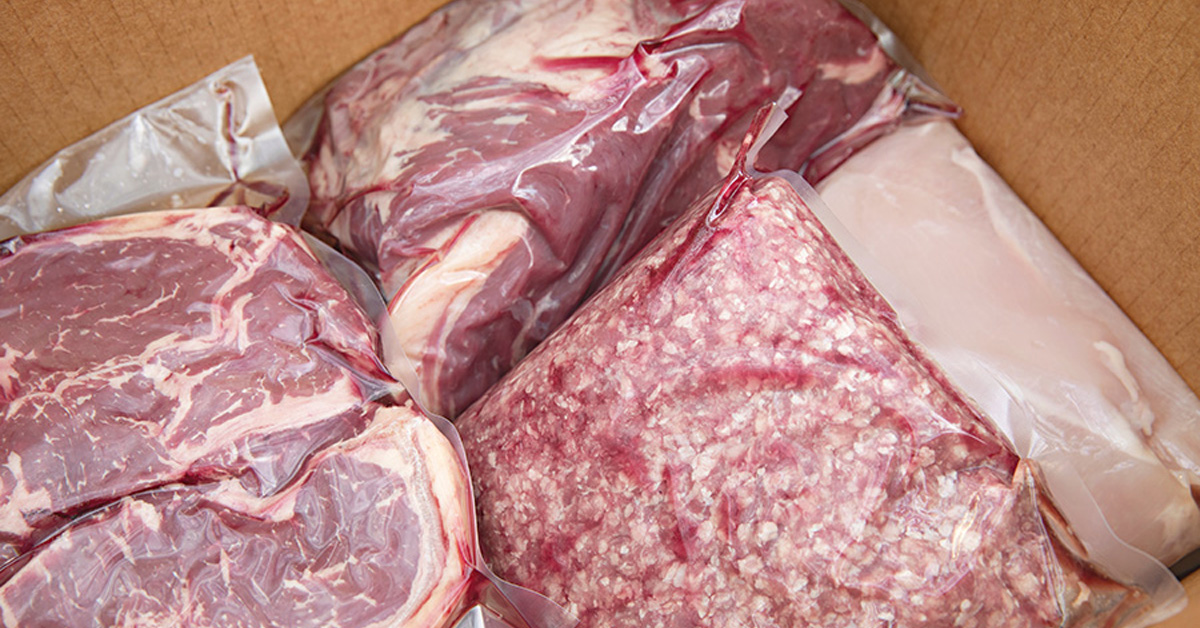
- Ground meat: Remove any remaining fat, silver skin, or damaged tissue before grinding. This helps avoid texture issues and unwanted flavors. Lean ground venison freezes well and can be used in a variety of dishes.
- Jerky: Larger scraps can be cut into clean, uniform strips for jerky. Cuts like top round or bottom round, while not quite steak-quality, make excellent jerky thanks to their lean texture. Smaller trimmings can also be marinated and dehydrated.
- Broth: Don’t toss the bones! Roast them to bring out deeper flavors, then simmer with vegetables and herbs to create a rich venison broth. It’s perfect as a base for soups and stews.
Keep your workspace organized by using separate containers for each type of scrap. This makes the process smoother and ensures you get the most out of every part of the deer. Managing your scraps thoughtfully is an essential part of efficient and high-quality processing.
Key Points for Successful Deer Butchering
To make the most out of your deer harvest and ensure top-quality meat, it’s all about mastering the right techniques. By understanding deer anatomy and working with its natural structure, you can achieve cleaner cuts and a better yield.
Keep your knives razor-sharp. A dull knife not only increases the risk of accidents but also reduces the amount of usable meat you can get. A combination of a stiff and a flexible boning knife will handle nearly all the cutting tasks you’ll encounter.

When cutting, follow the natural muscle seams and angle your blade toward the bone. This helps you preserve premium cuts and avoid unnecessary waste. Skip sawing through bones – controlled cuts are cleaner and prevent bone fragments from contaminating the meat.
Cleanliness is non-negotiable. Change gloves regularly, keep hair and debris away, and sanitize your workspace to maintain food safety standards.
Using these methods not only preserves the quality of your venison but also makes the later stages of processing much easier. If you’re unsure how to approach deer cuts, think of them in terms of familiar beef sections to plan your work more effectively.
Deciding whether to process your deer at home or use a professional service depends on several factors. Home butchering is a great option if you have the right tools, a clean workspace, and a basic understanding of anatomy and food safety. It gives you full control over the process and how your meat is handled. On the other hand, professional processing might be the way to go if you’re short on time, lack experience, or want specialty items like smoked sausages. For larger harvests or areas with specific regulations, commercial processors can provide the expertise and equipment to handle the job efficiently.
On average, a mature whitetail deer will yield about 40–50% of its field-dressed weight in boneless meat. For instance, a 150-pound field-dressed deer will give you roughly 60–75 pounds of usable venison.
Stay organized to save time and reduce waste. As you work, separate your cuts into containers for steaks, roasts, burger trim, and discards. This step-by-step approach keeps the process smooth and efficient while maintaining quality.
Investing in good equipment pays off over time, especially if you plan to process deer regularly. And remember, practice makes perfect. Each deer you process will improve your skills, making the effort worthwhile. Plus, there’s a unique satisfaction in knowing exactly how your meat was handled from the field to your freezer.
FAQs
What tools do I need to butcher a deer at home, and how do they help ensure high-quality meat?
For processing deer at home, having the proper tools makes all the difference in achieving clean cuts and preserving meat quality. Start with a sharp boning knife for precise cuts along seams and bones. Pair it with a sturdy cutting board to create a stable and safe workspace. While optional, a meat saw can come in handy for handling larger cuts, and game shears are great for tackling tougher areas like joints.
Don’t forget hygiene essentials – gloves are a must to keep things clean. If you plan to make ground venison, a meat grinder is an excellent addition for processing trimmings. These tools not only streamline the work but also help ensure the meat retains its taste and quality.
How is a deer’s anatomy similar to a cow’s, and why is this comparison important for butchering?
When it comes to butchering a deer, its anatomy is surprisingly similar to that of a cow, which can make identifying different cuts of meat much easier. For instance, the deer’s back aligns with the sirloin and ribeye on a cow, while the front shoulder is comparable to the beef chuck.
This comparison proves incredibly useful for those butchering at home. It provides a clear and familiar guide for locating specific cuts and processing them with precision. The result? Less waste, more accurate cuts, and the ability to make the most out of the meat.
What’s the best way to store venison to maintain its quality over time?
To ensure venison stays fresh and retains its quality, it’s essential to vacuum seal the meat before freezing. This process removes air, which helps prevent freezer burn and keeps the flavor and texture intact for extended periods.
For optimal storage, keep the venison in a freezer set to 0°F or lower. When properly sealed and frozen, venison can remain in excellent condition for up to a year or even longer.