
What a Ranch Visit Reveals About Beef Quality in Oklahoma
When people ask where good beef comes from, they often expect a simple answer: one place, one ranch, one straight path to the meat case. This ranch visit tells a more realistic story.
In the video, Chris visits an Oklahoma cattle operation that is part of the broader sourcing chain connected to Wild Country Meats. The footage does not show a direct ranch-to-counter pipeline. Instead, it highlights something more useful for buyers who care about meat quality: the condition and handling of cattle long before processing matters.
That matters in Oklahoma, where many families, landowners, hunters, and serious home cooks pay close attention to how animals are raised, how beef is sourced, and whether the people behind it are operating with care. What stands out in this visit is not a sales message. It is a practical look at cattle management, movement, genetics, and the kind of ranch standards that contribute to consistent beef quality later in the supply chain.
sbb-itb-5ae85c5
Key Takeaways
- Beef quality starts well before processing. Cattle health, movement, stress management, and pasture transitions all affect outcomes later.
- Staging cattle before shipment is intentional. The ranch moves animals into a new pasture several days ahead so they can settle, adapt, and be ready for transport.
- Low-stress handling matters. The goal is not just to move cattle efficiently, but to do it in a way that keeps them calm and in good condition.
- Genetics play a major role. The video references Angus and Hereford crossbreeding, which ranchers often use to balance traits like growth, maternal performance, and carcass quality.
- A "local beef" story can still involve multiple stages. The cattle in this video are raised in Oklahoma, then move through feeding and processing channels before beef returns to local markets.
- Clean, well-run operations deserve attention. The video pushes back against the assumption that larger supply chains always mean poor animal care.
- Ask better questions when buying beef. Instead of only asking where it was processed, ask how the cattle were raised, handled, and managed along the way.
- For meal planners and bulk buyers, consistency matters. Good sourcing depends on reliable ranch practices, not just a label or location.
A Working Ranch, Not a Photo Op
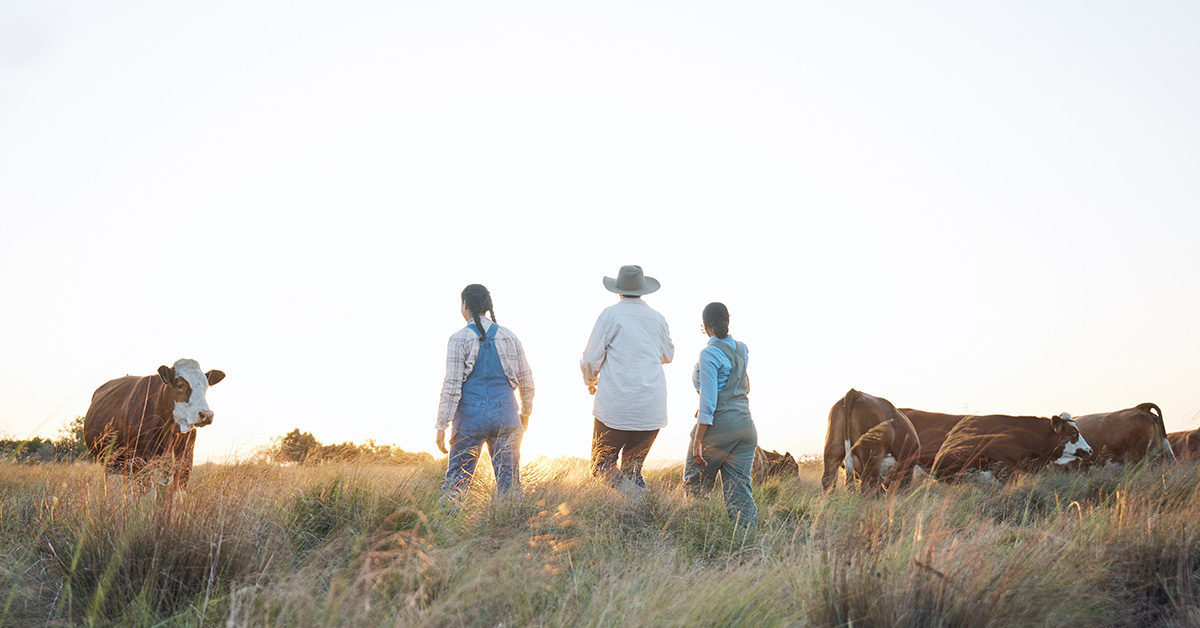
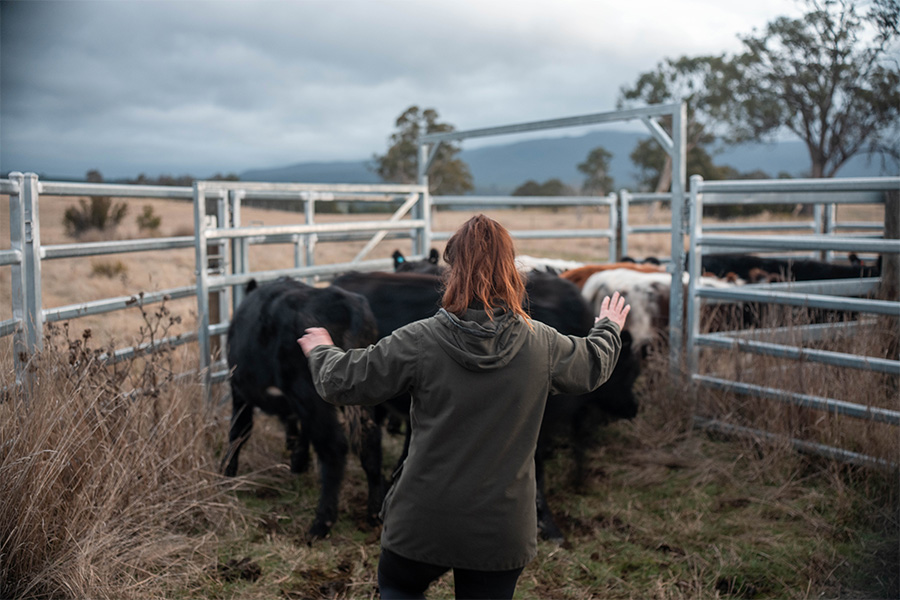
The most useful part of the video is that it shows real ranch work in progress. The crew is not posing beside a fence line. They are moving a sizable group of cattle – roughly 113 cows and 114 calves, according to the discussion – into another pasture several days before shipment.
That detail is important. The move is not random. The cattle are being staged ahead of transport so they can become comfortable in the new setting, move around, and settle back into normal feeding behavior before they ship out.
This is a good reminder that quality beef begins with management decisions that consumers rarely see. Before an animal ever reaches a processor, someone has already made a long series of choices about pasture use, breeding, timing, feed transition, and handling.
For buyers who value transparency, this kind of footage provides context that a simple package label cannot.
Why the Ranch Moves Cattle Before Shipping
One of the clearest lessons in the video is that cattle movement is tied to preparation, not just logistics.
The rancher explains that the herd is being moved into another pasture three to four days before shipment. The idea is to let the animals adjust, walk, and then fill back up before transport. In practical terms, that means the ranch is trying to avoid sending cattle out immediately after a stressful transition.
From an animal management perspective, this makes sense:
Reduced stress supports condition
Cattle that have time to settle are generally easier to handle and better prepared for the next step in the chain.
Routine matters
Livestock tend to perform better when changes happen with some order and predictability rather than abrupt disruption.
Good handling shows up later
Even if a consumer never sees this stage, pre-shipment care can influence the consistency and quality expected downstream.
The video does not claim that this single step determines final eating quality by itself. That would be too simplistic. But it does show that careful operators are thinking ahead, not just moving animals as fast as possible.
What the Video Suggests About Animal Care
A notable moment in the discussion is Chris’s reaction to the condition of the ranch. He comments on how well the cattle appear to be cared for and how impressive the place is. That observation speaks to a broader issue in beef conversations today: many consumers are skeptical of larger systems, but may not understand how much variation exists within them.
The video makes an implicit argument worth considering: scale alone does not tell you whether animals were raised well.
Some people assume that if cattle move through multiple stages – cow-calf, backgrounding, feeding, processing – the result must be impersonal or low quality. But the ranch footage suggests a more nuanced reality. A larger supply chain can still include ranches that emphasize:
- attentive herd management
- thoughtful timing before shipment
- breeding decisions aimed at performance
- orderly cattle handling
- healthy pasture-based foundations
That does not mean every operation is identical, and the video does not claim otherwise. But it does challenge the idea that only a direct, single-origin story can produce trustworthy beef.
Genetics Matter More Than Many Buyers Realize
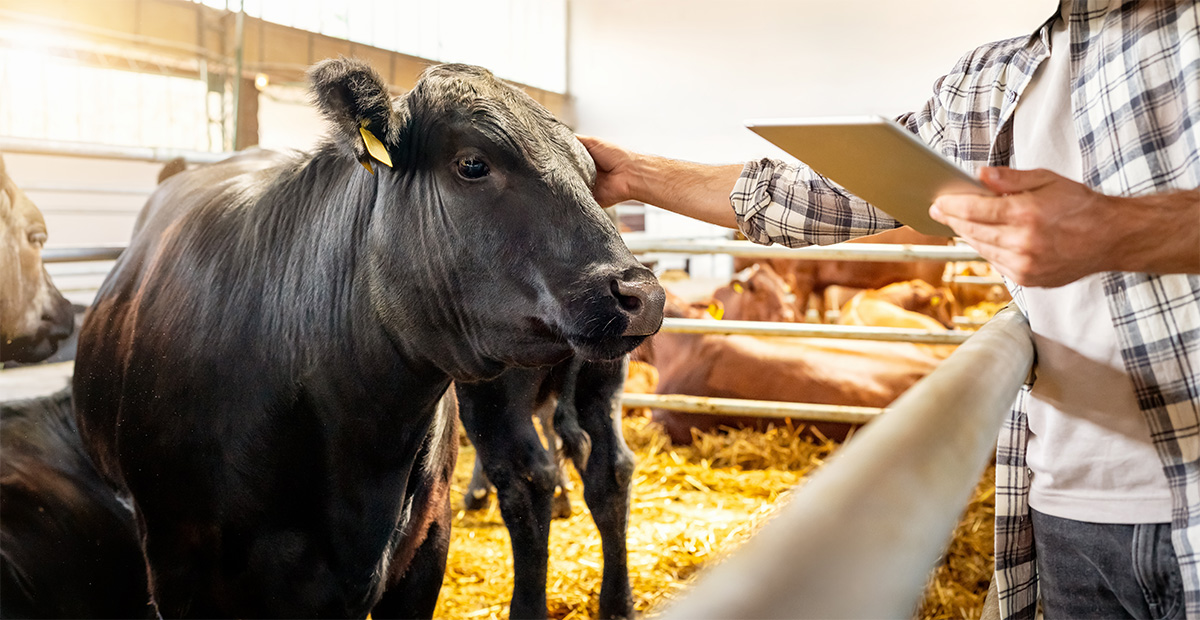
One of the most informative parts of the visit is the conversation about cattle breeding. The rancher describes using Angus and Hereford genetics, including reference to an F1 cross.
For the average buyer, breed talk can sound technical. But it matters because genetics influence the traits ranchers are building into a herd.
Why Angus and Hereford crosses are often valued
While the video keeps this brief, the broader significance is easy to understand:
- Angus cattle are commonly associated with strong carcass traits and meat quality.
- Hereford cattle are often appreciated for adaptability, efficiency, and maternal strengths.
- Crossbreeding can help combine desirable characteristics from both sides.
In commercial beef production, this kind of breeding strategy is not unusual. It is often about balancing performance traits rather than chasing a single breed identity. For consumers, the lesson is straightforward: breed composition can be part of a quality program, even when the final product is sold through a broader market rather than under a ranch-specific label.
The video does not provide detailed carcass data, grading percentages, or feed specifications, so those points are not specified in the video. But it does clearly show that genetics are being managed intentionally.
The Supply Chain Is Longer Than People Think
The most important clarification from the video is also the one that needs to be handled carefully: these cattle are part of a sourcing chain, not a one-step direct transfer.
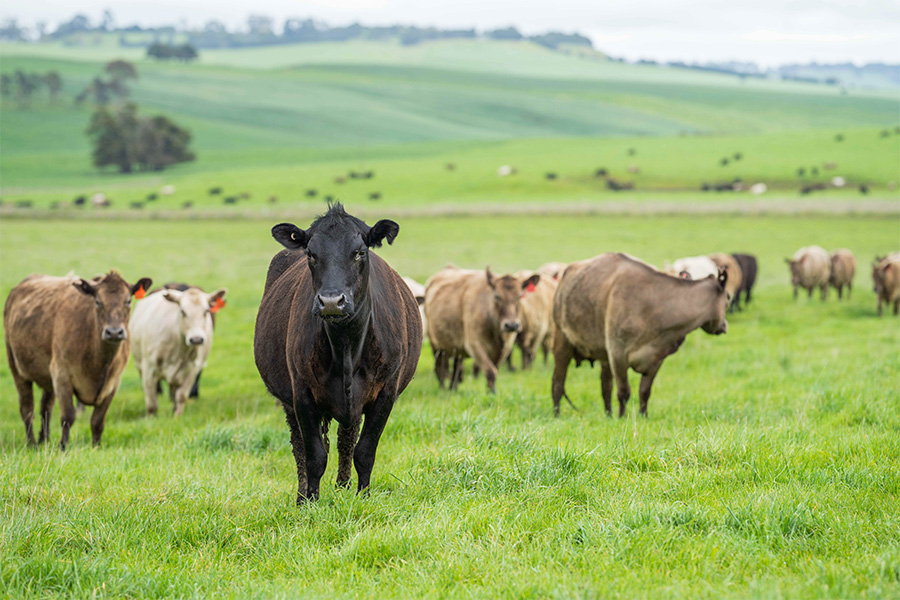
The rancher explains that these cattle are expected to move on to a feeder and later into processing. Chris also notes that products tied to this chain move back into the Oklahoma market. The takeaway is not "from this ranch straight to your freezer." The takeaway is that good beef can come from a network of responsible stages.
That distinction matters for buyers who care about honesty.
Too often, beef marketing oversimplifies the journey. In reality, cattle may be:
- Born and raised on one ranch
- Moved to another feeding phase
- Processed through a larger facility
- Distributed back into regional markets
For some consumers, that sounds less romantic than "direct from the ranch." But it may actually be more transparent. A truthful supply chain is more valuable than a simplified one.
What This Means for Oklahoma Beef Buyers
For families in rural and semi-rural Oklahoma, quality often comes down to trust and consistency. Whether someone is buying steaks for a weekend cookout, ground beef for freezer storage, or a larger volume for meal planning, they want to know the product comes from cattle that were handled right.
This video suggests a few practical ways to think about that.
1. Look beyond geography alone
Local matters, but location is only one part of the story. An Oklahoma connection is meaningful, yet management quality matters just as much as map distance.
2. Ask how cattle were raised
Questions about handling, breeding, feeding stages, and animal condition are often more revealing than a vague "where is it from?"
3. Understand that quality can come through a system
Some buyers assume that multiple stages automatically reduce integrity. This video suggests otherwise. A chain can still reflect high standards if the people in it do their jobs well.
4. Pay attention to consistency
For serious meat buyers, repeatable quality matters. Good ranch practices increase the odds of beef that performs well from one purchase to the next.
A More Grounded View of "Farm to Fork"
The video briefly pushes back on criticism aimed at larger or more complex food systems. That is a useful conversation, especially now, when many consumers want food transparency but also rely on supply systems larger than a single farm can provide.
A more grounded perspective is this:
- Not every small-scale story guarantees better beef
- Not every larger-scale chain means lower standards
- Animal care and operational discipline are better indicators than image alone
This is especially relevant in states like Oklahoma, where agriculture is both local and connected to national markets. A ranch can raise cattle with care, send them through broader channels, and still contribute to strong beef returning to local communities.
That is not a contradiction. It is how much of the industry actually works.

The Human Side of Beef Production
The video also captures something easy to miss in technical discussions: ranching is physical, skilled, and often unpredictable work. Chris’s rough horseback experience adds a bit of humor, but underneath it is a real point. Moving cattle across pasture is not a staged activity. It requires timing, coordination, and people who know how to read animals and terrain.
That matters because competence on the ranch often translates into better outcomes later.
When cattle are managed by people who understand stock movement, herd grouping, and transition timing, the operation tends to function more smoothly. Buyers may never witness that firsthand, but it is part of the value behind the beef they purchase.

Conclusion: Quality Starts Earlier Than Most People Think
This ranch visit is valuable because it broadens the conversation about beef quality. It does not pretend that a single ranch is the whole story. Instead, it shows that one important part of the story happens early: on the land, in the herd, and in the day-to-day decisions that prepare cattle for the next stage.
For Oklahoma consumers who care about dependable, high-quality beef, that is the real lesson. Good meat does not begin at the butcher counter. It begins with sound cattle management, practical breeding decisions, calm handling, and honest sourcing practices across the chain.
If you want to better understand the beef you buy, start by looking upstream. The more you learn about how cattle are raised and handled, the easier it becomes to recognize quality when you see it.
Source: "Buford Ranches… (BEHIND THE SCENES)" – Wild Country Meats, YouTube, Aug 5, 2022 – https://www.youtube.com/watch?v=w_Z5bMLLYYg
Related Blog Posts
- Why Tulsa Meat Lovers Prefer Wild Country Meats for Fresh Beef & Pork
- Oklahoma’s Best Kept Secret: Why Tulsa Foodies Are Driving 30 Minutes to Cleveland
- How to Buy a Half Cow or Whole Cow in Oklahoma City (And Get it Delivered)
- Tulsa Meat Delivery: Fresh Butcher-Cut Meat Without the Grocery Store Trip