
Don’t wash raw meat before cooking – it’s not safe. While many believe rinsing meat removes bacteria, food safety experts, including the USDA and CDC, strongly advise against it. Washing meat spreads harmful bacteria like Salmonella and Campylobacter to kitchen surfaces, sinks, and nearby foods, increasing the risk of foodborne illnesses. Cooking meat to the correct internal temperature is the only reliable way to kill bacteria.
Key Points:
- Washing meat spreads bacteria: Water splashes can contaminate countertops, utensils, and other foods.
- Ineffective at removing bacteria: Pathogens cling to meat surfaces and aren’t removed by rinsing.
- Proper cooking is essential: Use a food thermometer to ensure meat reaches safe internal temperatures:
- Poultry: 165°F
- Ground meats: 160°F
- Whole cuts (beef, pork, lamb): 145°F (with a 3-minute rest).
Safe Practices:
- Wash hands thoroughly after handling raw meat.
- Clean and sanitize surfaces and utensils immediately.
- Store raw meat properly to avoid cross-contamination.
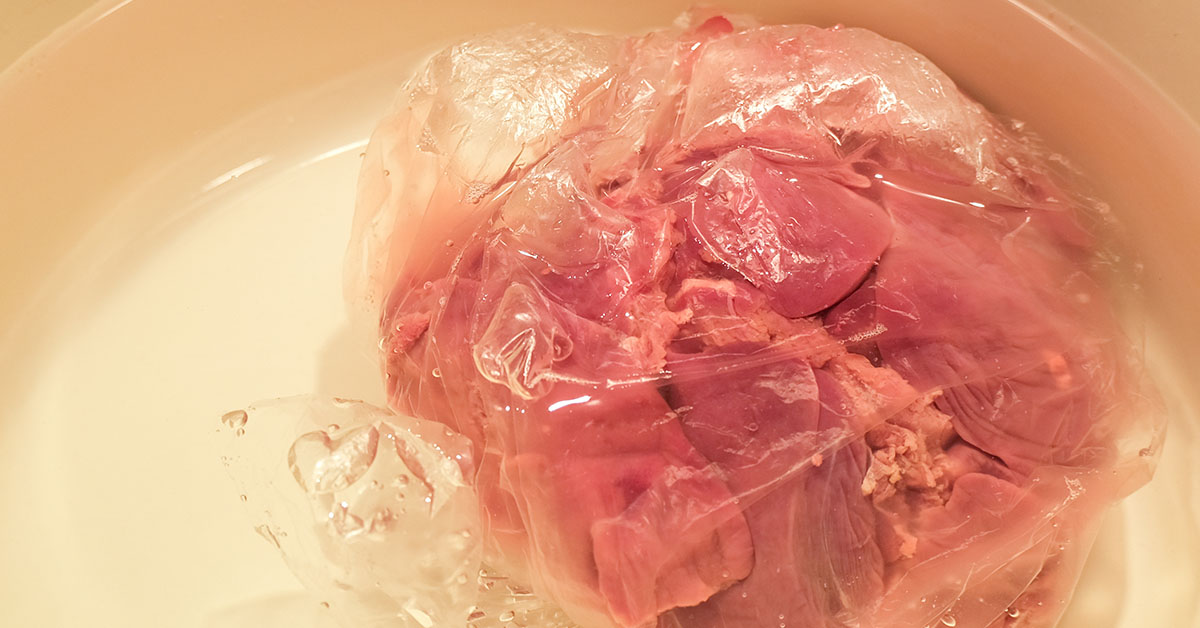
Bottom line: Skip washing meat and focus on cooking and handling it safely to protect yourself and your family.
Why people wash meat (or don’t)
The Risks of Washing Meat Before Cooking
Many people believe that rinsing meat helps remove bacteria, but this practice can actually create serious health risks. Food safety experts across the U.S. strongly advise against it due to the potential for cross-contamination. Let’s break down how these risks arise and why washing meat does more harm than good.
Cross-Contamination Hazards
The primary concern with washing meat is cross-contamination – the transfer of harmful bacteria from raw meat to other surfaces and foods in your kitchen. When you rinse raw meat, water droplets can carry bacteria to nearby areas. Studies show that this bacterial spray can land on countertops, cutting boards, dish towels, and even other foods within the vicinity.

For instance, a 2019 USDA study revealed that 26% of participants who washed raw chicken ended up transferring bacteria to their salads after using the same sink to rinse their greens. Betty Feng, an Associate Professor of Food Science at Purdue University, emphasizes the dangers of this practice:
"Washing meat before cooking is not really helping… it could cross-contaminate a lot of your kitchen items."
Despite these warnings, around 73% of U.S. consumers still wash their raw poultry, and only 30% are aware that this habit is discouraged.
Why Washing Doesn’t Remove Bacteria
Harmful pathogens like Salmonella and Campylobacter cling tightly to the surface of raw meat, making washing ineffective. Scrubbing or rinsing doesn’t remove these bacteria, and instead, it spreads them further. As experts note:
"Washing raw meat is ineffective at removing bacteria and may cause more harm than good by spreading foodborne pathogens to other foods and across cooking surfaces."
Even methods like rinsing meat in a bowl of water, which some believe reduces splashing, fail to stop bacteria from spreading. The Centers for Disease Control and Prevention (CDC) warns that washing meat can contaminate your sink, countertops, and other kitchen surfaces, increasing the risk of foodborne illnesses.
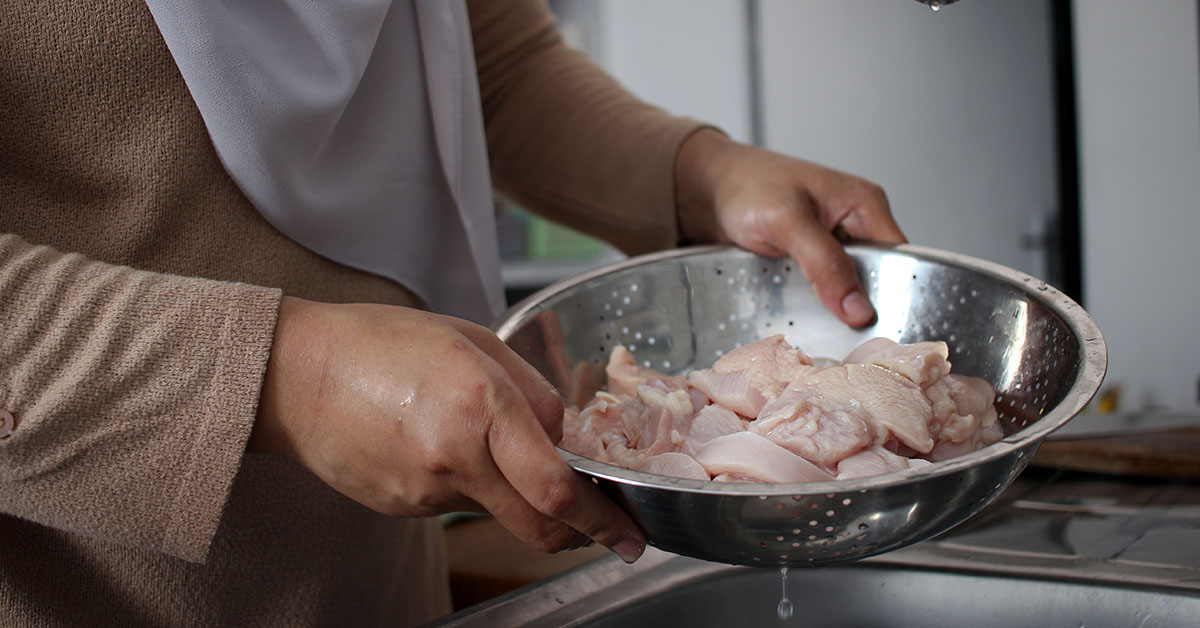
The safest way to eliminate bacteria is by cooking meat to the proper internal temperatures. The USDA recommends the following guidelines to ensure safety:
- Raw beef, pork, lamb, and veal: At least 145°F
- Ground meats: 160°F
- Poultry: 165°F
Cooking meat thoroughly is the only reliable way to kill harmful bacteria and protect yourself from foodborne illnesses.
Safe Handling Practices for Raw Meat
Since washing meat doesn’t effectively remove bacteria, proper handling is critical. Following these steps can help minimize the risk of foodborne illnesses.

Proper Handwashing Techniques
Hands are one of the easiest ways bacteria from raw meat can spread to other surfaces. The U.S. Food and Drug Administration highlights the importance of thorough handwashing:
"Always wash hands with warm water and soap for 20 seconds before and after handling any food."
The USDA stresses that washing your hands after handling raw meat is non-negotiable:
"Washing hands after handling raw meat or poultry or its packaging is a necessity because anything you touch afterwards could become contaminated."
Here’s how to do it properly: Use warm running water and soap, scrubbing for at least 20 seconds. Pay attention to all areas – backs of hands, between fingers, and under nails. Rinse thoroughly and dry with a clean towel.
Make it a habit to wash your hands immediately after touching raw meat, its packaging, or anything it may have come into contact with. This simple step keeps bacteria from spreading to surfaces like door handles, faucets, or other kitchen tools.
Cleaning Surfaces and Utensils
Raw meat can quickly contaminate kitchen surfaces. Research shows that bacteria like Campylobacter can survive on surfaces for up to 4 hours, while Salmonella can linger for as long as 32 hours. This makes immediate cleaning essential during and after meat preparation.
Start by washing all surfaces, cutting boards, and utensils with hot, soapy water as soon as they come into contact with raw meat. To take it a step further, sanitize these items using one tablespoon of unscented liquid chlorine bleach per gallon of water. This two-step process – cleaning followed by sanitizing – provides the best defense against harmful bacteria.
To avoid cross-contamination, use separate cutting boards for raw meat and ready-to-eat foods. If that’s not possible, clean and sanitize the board thoroughly between uses. And don’t forget to wash your hands again after cleaning to ensure no bacteria are transferred back to clean surfaces.
Pairing proper cleaning with safe storage and defrosting practices creates a solid foundation for food safety.
Safe Storage and Defrosting
Preventing raw meat juices from contaminating other foods starts with proper storage. Always keep raw meat in sealed containers and store them on the bottom shelf of your refrigerator to avoid drips onto fruits, vegetables, or ready-to-eat items below.
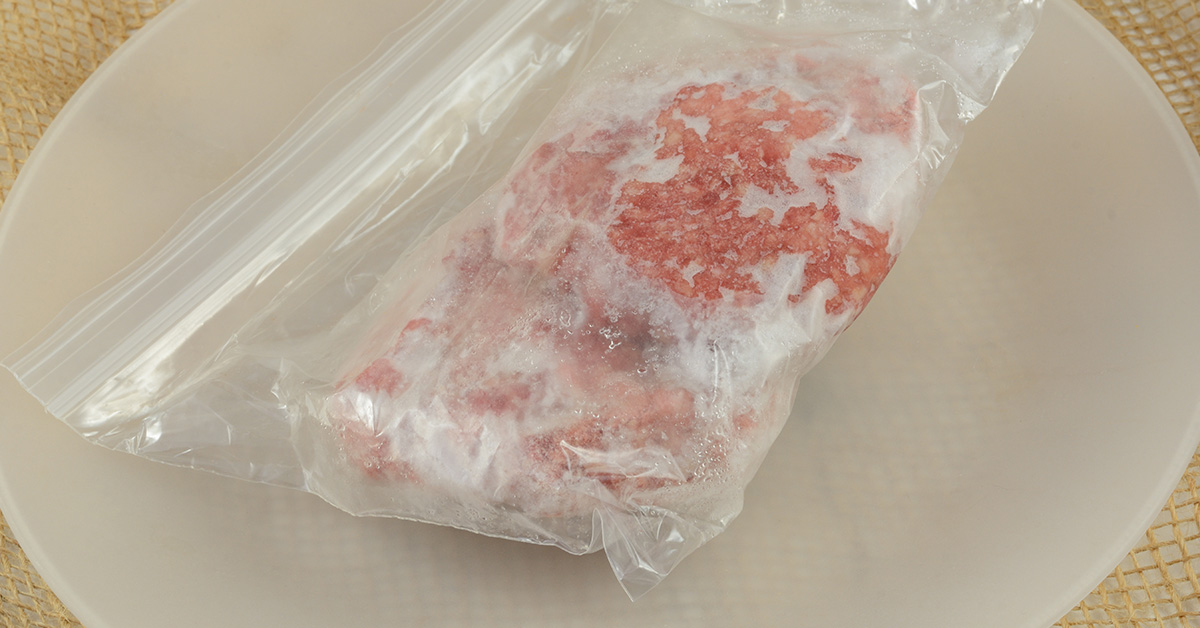
Set your refrigerator to 40°F (4°C) or below and your freezer to 0°F (-18°C) to keep food at safe temperatures. The USDA also outlines safe defrosting methods:
"Never defrost food at room temperature. Food can be defrosted safely in the refrigerator, under cold running water, or in the microwave."
For larger items like a turkey, plan ahead – a 20-pound turkey can take 4-5 days to thaw in the refrigerator. If you need a quicker option, submerge the sealed meat package in cold water, changing the water every 30 minutes. Microwave defrosting is another option, but you’ll need to cook the meat immediately after thawing.
Finally, refrigerate any perishable food within two hours of purchase or preparation. On hot days above 90°F (32°C), reduce this window to just one hour to prevent bacterial growth.
sbb-itb-5ae85c5
Cooking Meat to Ensure Food Safety
Cooking meat to the correct internal temperature is the most effective way to eliminate harmful bacteria. Unlike washing, which can actually spread contaminants, proper cooking ensures food safety. Harmful bacteria are destroyed at temperatures above 149°F (65°C).
FoodDocs CEO Katrin Liivat emphasizes this point:
"Washing meat before cooking is highly discouraged by health authorities. Proper cooking methods are sufficient to remove bacteria and pathogens from meat without the need to wash it beforehand."
A USDA study revealed that at least 26% of food handlers spread bacteria from washing raw poultry onto fresh ingredients like salad lettuce. This highlights how washing meat can increase the risk of cross-contamination, whereas cooking it to the right temperature significantly reduces this danger.
Recommended Internal Temperatures
Temperature guidelines are grounded in scientific research to ensure that harmful pathogens are thoroughly eliminated. The USDA Food Safety and Inspection Service underscores the importance of using a thermometer:
"Using a food thermometer is the only sure way of knowing if your food has reached a high enough temperature to destroy germs, including foodborne illness-causing bacteria."
Relying on color or texture alone is risky. For instance, a burger might look done on the outside but still harbor dangerous bacteria inside. A food thermometer is the only reliable tool to confirm that the meat is cooked safely.
Here are the USDA-recommended internal temperatures for different types of meat:
| Type of Meat | Internal Temperature | Important Notes |
|---|---|---|
| Whole cuts (beef, pork, lamb, veal steaks, roasts) | 145°F (63°C) | Let rest for at least 3 minutes |
| Ground meats (beef, pork, lamb, chicken, turkey) | 160°F (71°C) | Insert the thermometer into the side until center |
| All poultry (whole, parts, ground) | 165°F (74°C) | Check the thickest parts: breast, innermost thigh, and wing |
| Fish and seafood | 145°F (63°C) | Flesh should be opaque and flaky |
| Stuffing (inside or outside bird) | 165°F (74°C) |
Using a properly calibrated thermometer is crucial to ensure these temperatures are reached. For ground meat patties like burgers, insert the thermometer horizontally through the side to measure the center. When cooking whole poultry, check the temperature in three spots: the innermost part of the thigh, the thickest part of the breast, and the wing’s innermost area.
For whole cuts of meat, allowing a three-minute rest period after cooking is essential. This resting time helps the meat maintain or slightly increase its internal temperature, further eliminating any lingering bacteria.
Wild Country Meats: Your Source for Quality and Safety
When it comes to reliable, high-quality meat, having a trusted supplier makes all the difference. It’s the perfect partner to the safe handling practices we’ve already covered.

Wild Country Meats, a family-owned business in Osage County, Oklahoma, has been delivering USDA-inspected meat products for years. With a focus on traceability and quality, this operation brings decades of expertise to the table. Today, they employ over 40 people across two fully licensed facilities, ensuring their commitment to excellence.
USDA-Inspected Processing
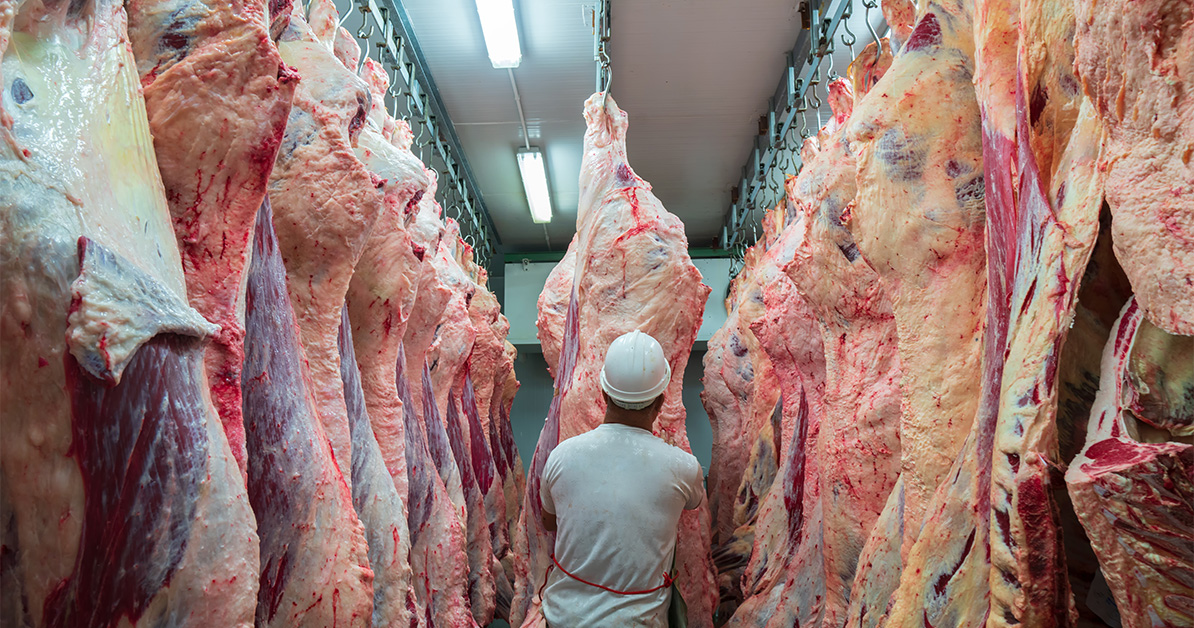
Wild Country Meats operates under USDA inspection, which means every piece of meat meets strict federal safety standards. Each animal processed is tagged, photographed, and inventoried, creating a detailed record that tracks its journey from farm to table.
This level of traceability gives customers confidence in the origin and handling of their meat. It’s a far safer approach than attempting to wash meat at home, which can unintentionally spread bacteria. By the time Wild Country Meats’ products arrive in your kitchen, you can trust they’ve already undergone rigorous safety measures.
Custom Packaging and Local Service
Convenience and personalization are key at Wild Country Meats. They offer custom packaging, local delivery within a 50-mile radius, and easy pickup at their Hominy and Cleveland locations.

In addition to their retail offerings, Wild Country Meats provides custom processing for livestock such as beef, pork, lamb, goat, and buffalo, as well as wild game. All of this is done under USDA-inspected standards. As a certified "Made in Oklahoma" retailer, they emphasize local quality and community engagement. Partnering with a supplier like Wild Country Meats is a smart way to complement the safety practices you follow at home, ensuring every step of the process meets the highest standards.
Conclusion: Focus on Proper Cooking Over Washing
Washing raw meat can spread harmful bacteria like Salmonella, Listeria, E. coli, and Campylobacter throughout your kitchen. Plus, it doesn’t remove pathogens that have penetrated the meat’s surface. The only reliable way to kill these bacteria is by cooking meat to the correct internal temperature, verified with a food thermometer.
Safe food preparation goes beyond cooking. It includes washing your hands thoroughly, cleaning surfaces with hot, soapy water, and keeping raw meat separate from other foods. When combined with proper cooking, these steps create a solid defense against foodborne illnesses.
In kitchens that prioritize both safety and quality, following these practices is non-negotiable. Wild Country Meats shares this commitment, offering USDA-inspected products that meet strict safety standards before they even reach your home. For over 25 years, Chris Gabriel and his team have provided high-quality, USDA-inspected meat to support your safe cooking practices.
FAQs
Why is it unsafe to wash raw meat before cooking?
Washing raw meat before cooking might seem like a good idea, but it can actually do more harm than good. When you rinse raw meat, harmful bacteria like Salmonella or E. coli can splash onto kitchen surfaces, utensils, and even other foods. This is called cross-contamination, and it significantly raises the chances of foodborne illnesses.
A safer approach? Skip the rinse and focus on proper cooking. Heating meat to the right internal temperature – like 165°F for poultry – effectively kills bacteria. Pair this with good hygiene: wash your hands, cutting boards, and utensils thoroughly after handling raw meat. These steps will keep your kitchen clean and your meals safe.
What are the safest ways to handle raw meat in the kitchen?
To maintain a safe kitchen while working with raw meat, start by washing your hands well with soap and warm water both before and after handling it. Use dedicated cutting boards and utensils for raw meat to avoid cross-contamination with other foods. Afterward, make sure to clean and sanitize all surfaces and tools that have touched raw meat – hot, soapy water or a proper disinfectant works best. Lastly, use a food thermometer to check that meat reaches its recommended internal temperature, ensuring it’s safe to eat.
How can I tell if my meat is safely cooked without just looking at it?
The best way to make sure your meat is cooked thoroughly and safely is by using a food thermometer. Relying on visual cues like color or texture can be deceiving, but a thermometer gives you precise results. For instance, poultry should reach an internal temperature of 165°F, ground meats need to hit 160°F, and fresh cuts of beef, pork, or lamb should be cooked to at least 145°F and then rested for 3 minutes. To get the most accurate reading, insert the thermometer into the thickest part of the meat, steering clear of bones or fat.