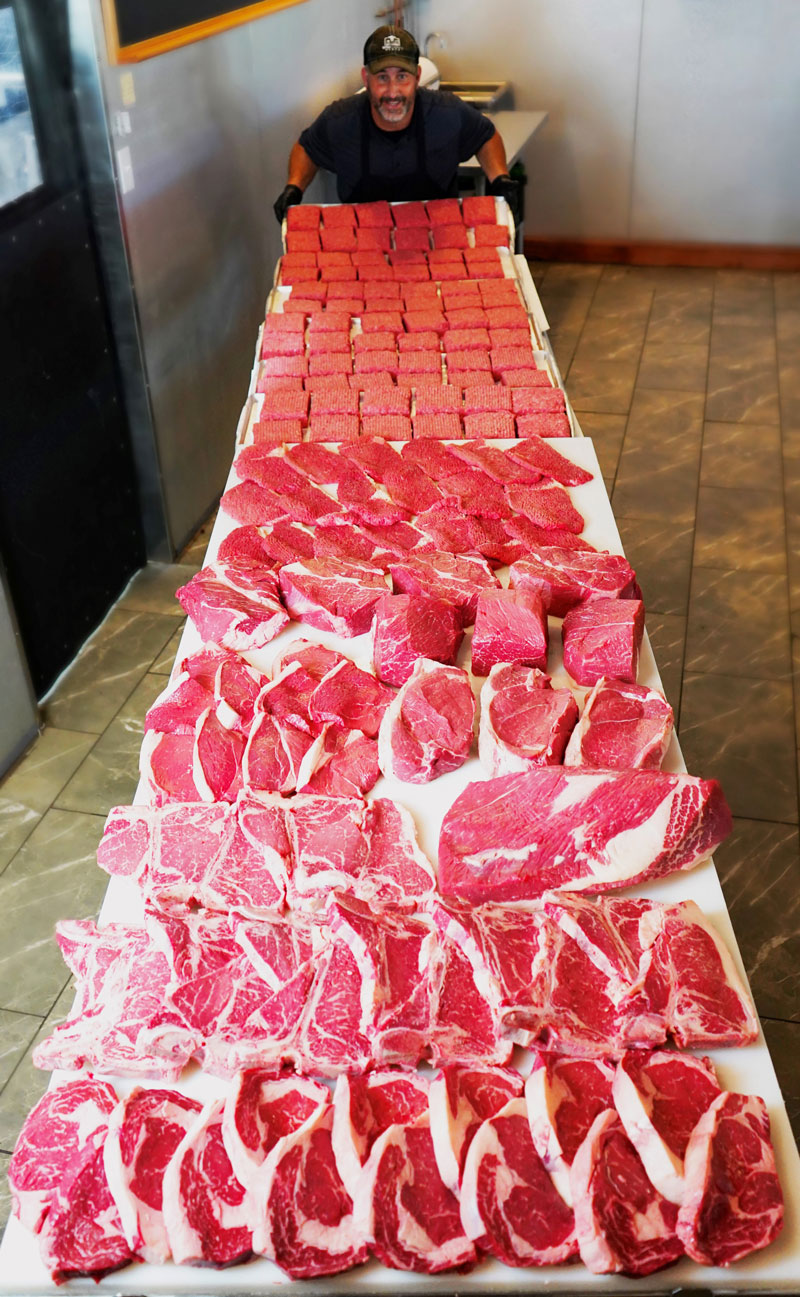
When you purchase a side of beef, you’re getting 15 distinct cuts, ranging from premium steaks like filet and ribeye to versatile options like ground beef and soup bones. Each cut comes from a specific part of the cow, offering unique flavors and cooking possibilities. Here’s a quick look at the key cuts:
- Filet Steak: Extremely tender, mild flavor, best for grilling or pan-searing.
- Ribeye Steak: Rich, beefy taste with marbling, ideal for grilling or reverse-searing.
- Sirloin Steak: Balanced flavor, good for grilling, broiling, or stir-frying.
- Strip Steak: Bold, firm texture, great for grilling and pan-searing.
- Skirt & Flank Steaks: Bold flavors, perfect for fajitas or tacos, cooked quickly over high heat.
- Brisket: Perfect for smoking or braising, transforms into tender, flavorful meat.
- Chuck & Arm Roasts: Best for slow cooking or braising, great for pot roasts or stews.
- Ground Beef: Versatile for burgers, tacos, and casseroles.
- Ribs: Smoky, juicy, and ideal for BBQ or braising.
- Stew Meat & Kabob Meat: Great for hearty stews or skewers.
- Soup Bones: Perfect for making rich, gelatin-packed broths.
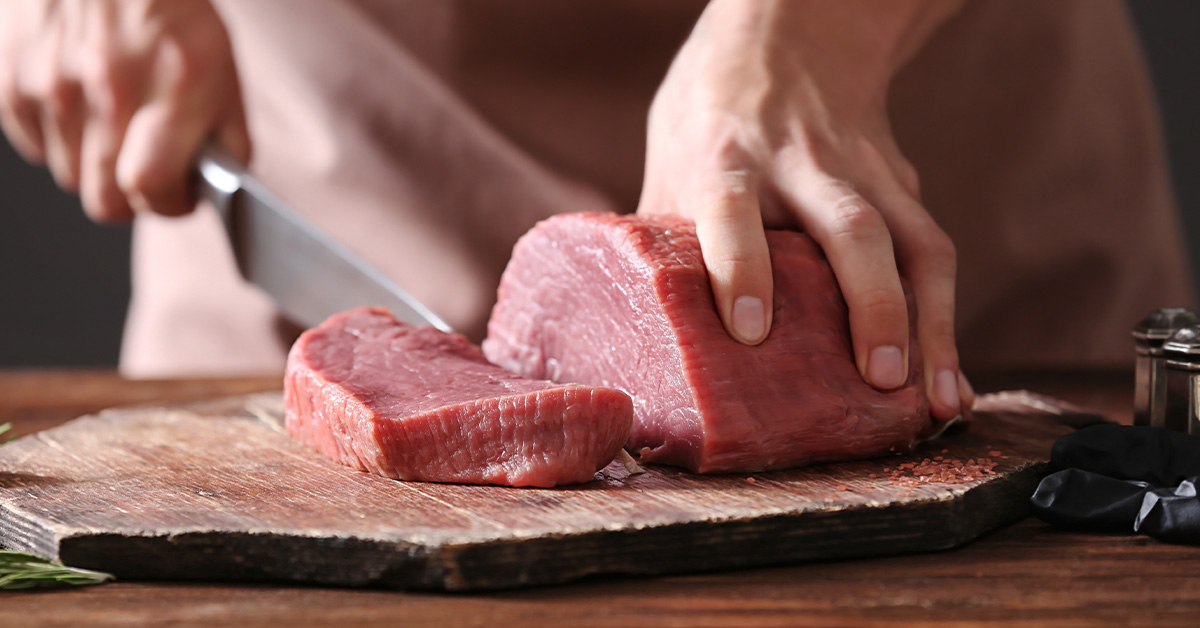
Cooking Tip: Know your cuts. Premium steaks shine with quick, high-heat methods like grilling, while tougher cuts benefit from slow, moist-heat cooking to unlock their tenderness.
For a full breakdown of these cuts and how to cook them, check out the video in the article. It’s a handy guide to help you make the most of every piece of beef.
1. Filet Steak
Cut Location on the Animal
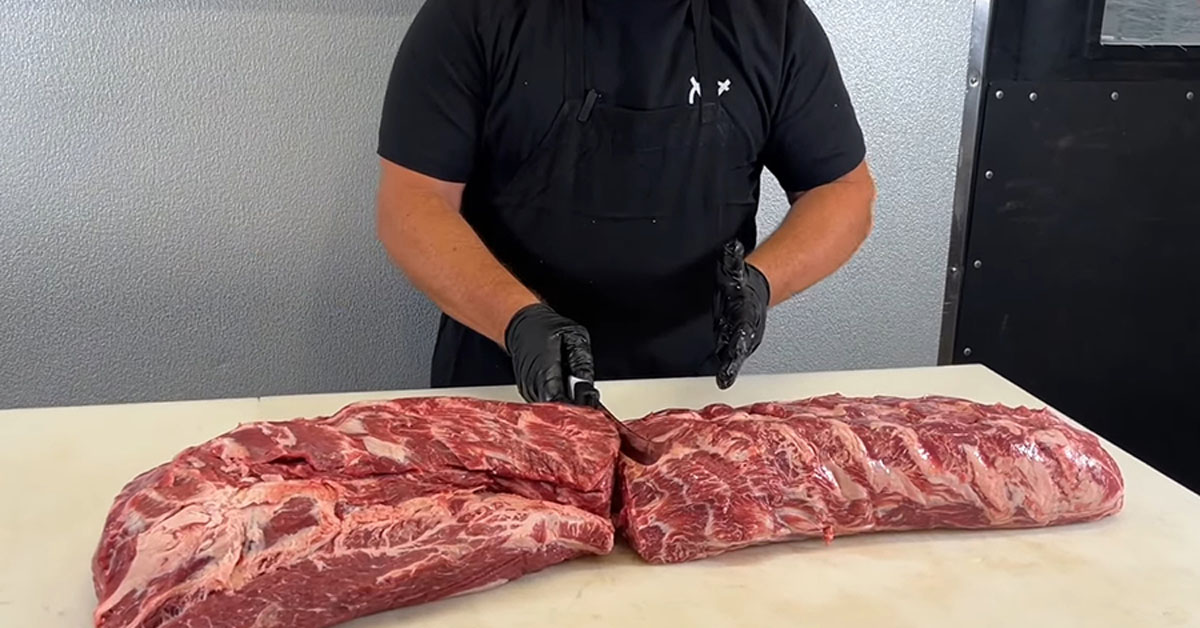
The filet steak is taken from the tenderloin, a long and narrow muscle (psoas major) that runs along the backbone of the cow. This muscle is part of the larger loin primal, and filet mignon specifically comes from the thinner, more tapered end of the tenderloin. Because this muscle doesn’t bear weight or see much use during the cow’s life, it’s exceptionally tender.
Flavor and Tenderness Profile
Known for its luxurious texture, filet steak offers a mild, buttery flavor. Its tenderness comes from its low fat content and minimal marbling.
A Visual Guide to the Cuts of a Cow: Where Every Beef Cut Comes From | By The Bearded Butchers
2. Ribeye Steak
The ribeye is a standout cut, offering an excellent mix of bold flavor and satisfying texture.
Cut Location on the Animal
This steak comes from the beef rib section, spanning the sixth to the twelfth rib. Nestled between the chuck (shoulder) and the loin, it features three main muscle groups: the longissimus dorsi (often called the "eye"), the spinalis dorsi (the ribeye cap), and occasionally the complexus, which varies in size.
Flavor and Tenderness Profile
Known for its rich, beef-forward taste and generous marbling, the ribeye delivers a juicy, buttery texture as the fat renders during cooking. While tender, it has a firmer, more substantial bite compared to the filet, making it a top choice for those who enjoy a steak with a little more chew and a lot of flavor.

Typical Preparation Methods
Cooking techniques like grilling, pan-searing, or reverse searing take full advantage of the ribeye’s marbling, ensuring a juicy, flavorful result every time.
Popular Uses in US Cuisine
A staple in American steakhouses, the ribeye also shines at backyard barbecues and holiday feasts. Its high fat content makes it a forgiving and flavorful option for grilling enthusiasts.
3. Sirloin Steak
If you’re looking for a steak that balances flavor and value, the sirloin is a fantastic choice. It’s a go-to option for everyday grilling and offers a satisfying steak experience without breaking the bank.
Cut Location on the Animal
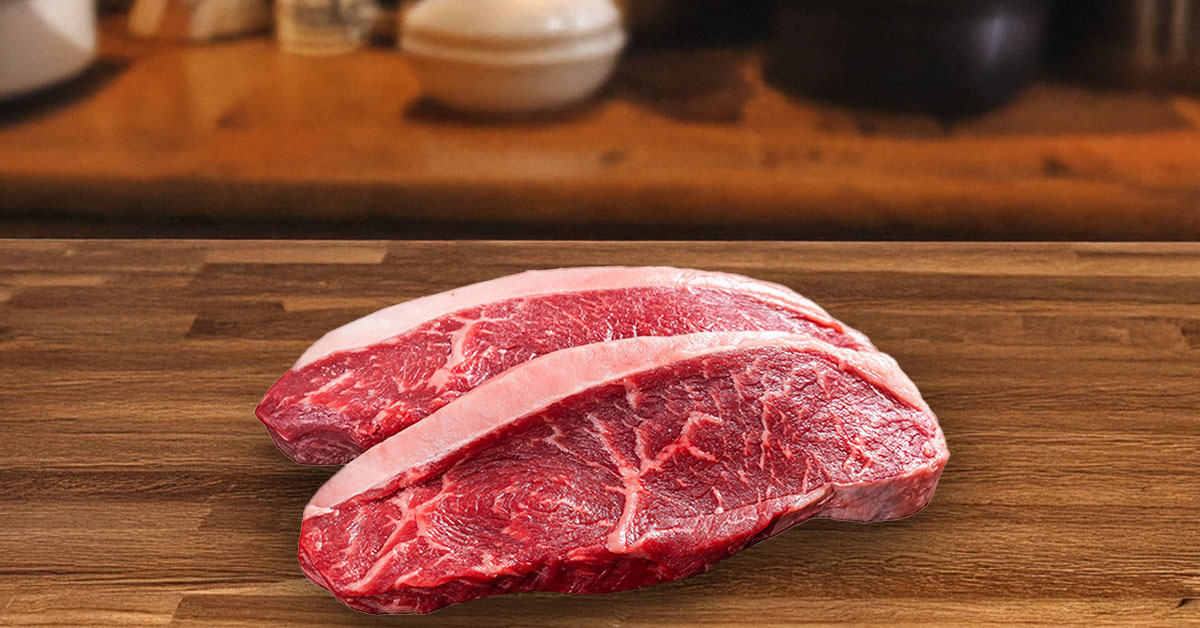
The sirloin steak is cut from the rear section of the beef loin, nestled between the short loin and the round. This area sits just behind where the ribeye is sourced. Within the sirloin, you’ll find sub-cuts like the top sirloin, which is known for being the more tender and sought-after portion.
Flavor and Tenderness Profile
Sirloin delivers a bold, beefy flavor – richer than a filet but less intense than a ribeye. It has moderate marbling, offering a great balance of taste without being overly fatty. While it’s not as tender as premium cuts like the filet or ribeye, the sirloin has a firm, hearty texture that steak lovers appreciate. The top sirloin, in particular, stands out for its tenderness compared to the bottom sirloin, making it a favorite for grilling and other preparations.
Typical Preparation Methods
Grilling and broiling are excellent ways to cook sirloin, as they create a flavorful crust while keeping the meat juicy. Pan-searing in a cast iron skillet is another great option. For the best results, aim for medium-rare to medium doneness. Marinating the steak for a few hours – anywhere from 2 to 4 – can enhance both the flavor and texture, making it even more enjoyable.
Popular Uses in US Cuisine
Sirloin is a versatile cut that shines in a variety of dishes. It’s a staple in barbecues, fajitas, stir-fries, and kabobs, making it a favorite for weeknight dinners. Many families across the U.S. turn to sirloin for casual gatherings, as it delivers a delicious steak experience without the higher price tag of premium cuts.
4. Strip Steak
The strip steak, also known as the New York strip, strikes a great balance with its marbling and firm texture.
Cut Location on the Animal
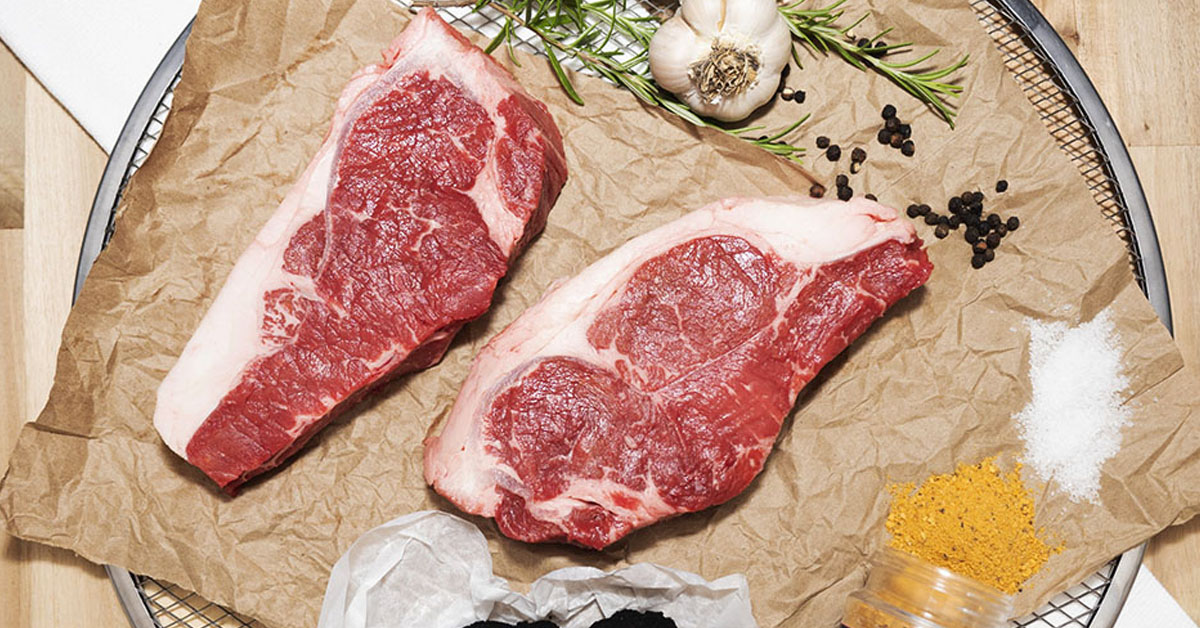
This steak comes from the short loin, located along the back of the cow. It’s cut from the same area as T-bone and porterhouse steaks, but without the bone or tenderloin section. Because this muscle doesn’t see much action during the animal’s life, the result is tender meat with a nice amount of marbling. This location plays a big role in giving the strip steak its signature flavor and texture.
Flavor and Tenderness Profile
When it comes to taste, the strip steak delivers a bold, beefy flavor – more robust than a filet mignon but not as intense as a ribeye. Its marbling ensures even fat distribution, which melts during cooking to keep the steak juicy. While its texture is firmer than a filet, it holds up beautifully to high-heat cooking methods. The fat cap along one edge not only adds richness but also helps keep the steak moist while cooking.
Typical Preparation Methods
Grilling and pan-searing are the top ways to cook a strip steak. For grilling, cook a 1-inch steak over high heat for about 4-5 minutes per side to achieve medium-rare. For pan-searing, heat a cast iron skillet over medium-high heat with a bit of oil. The goal is to get a deep sear on both sides while keeping the inside tender and pink. Letting the steak rest for about 5 minutes after cooking ensures the juices are evenly redistributed.
Popular Uses in US Cuisine
Strip steak is a staple in American steakhouses and a favorite at backyard barbecues. It’s often the centerpiece for celebrations like Father’s Day cookouts, anniversaries, and holiday meals. Many restaurants highlight it as their signature steak, pairing it with classic sides like baked potatoes and steamed vegetables. Whether grilled at home or ordered at a steakhouse, it consistently delivers that high-quality, restaurant-style experience.
5. Skirt Steak
Skirt steak is a bold and flavorful cut that’s incredibly versatile in the kitchen.
Cut Location on the Animal
Skirt steak comes from the plate section of the cow, located along the lower belly between the brisket and flank. Specifically, it’s the diaphragm muscle, which gets plenty of use. This constant activity gives the meat its distinctive grain pattern, with long muscle fibers running lengthwise. There are two types of skirt steak: inside and outside. The outside skirt is more tender and is what you’ll typically find in stores. This cut’s origin is key to its unique texture and rich flavor.

Flavor and Tenderness Profile
If you’re after bold, beefy flavor, skirt steak delivers in spades. Thanks to the diaphragm muscle’s activity, it has a robust taste and a naturally chewy texture. However, slicing it against the grain transforms it into a tender, enjoyable bite. The cut is well-marbled, which adds richness and helps retain moisture during cooking. The secret to making it tender is simple: shorten those long muscle fibers by cutting thin slices against the grain.
Typical Preparation Methods
Quick, high-heat cooking is the way to go. Whether you’re grilling or pan-searing, aim for 2–4 minutes per side to get a nice crust while keeping the inside juicy and pink. After cooking, let it rest for about 5 minutes, then slice thinly against the grain at a 45° angle. Overcooking can make it tough, so aim for medium or less for the best results.
Popular Uses in US Cuisine
Skirt steak shines in dishes like fajitas, tacos, and salads, making it a favorite in American kitchens. A quick marinade with lime juice, garlic, and spices enhances its bold flavor, making it perfect for weeknight meals or casual gatherings.
6. Flank Steak
Flank steak is a lean, flavorful cut that’s earned a spot in many American kitchens thanks to its versatility and bold taste.
Cut Location on the Animal
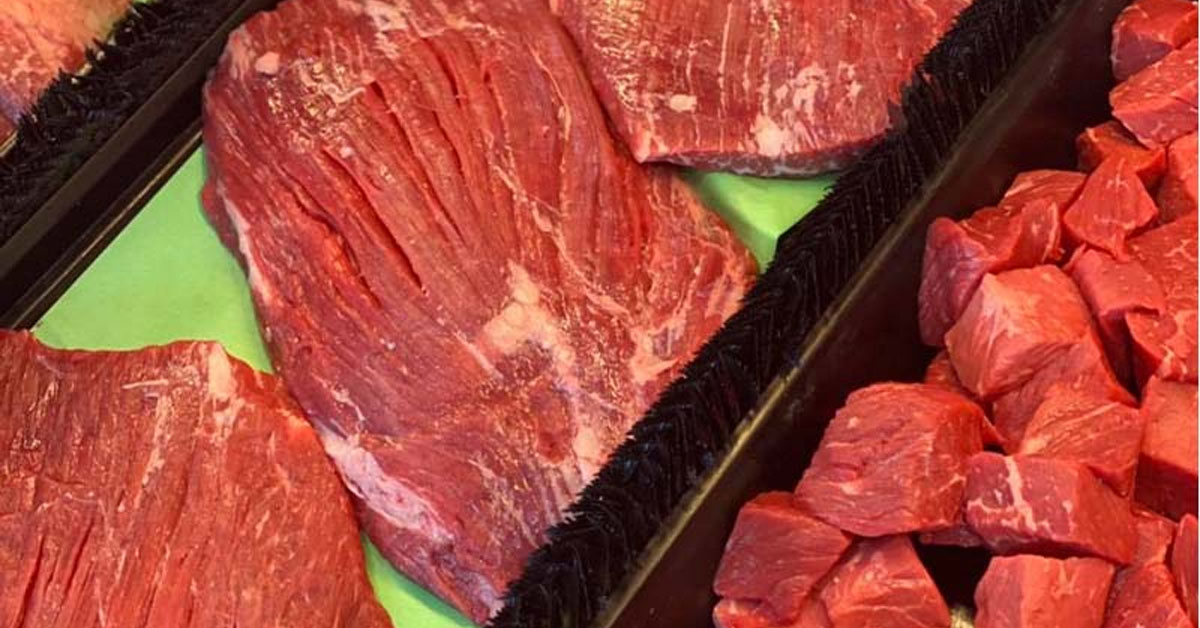
Flank steak is taken from the abdominal muscles of the cow, specifically the lower chest and belly area just behind the plate section. This cut runs along the underside of the cow, below the short loin and sirloin. Because this muscle works hard to support the animal’s body weight, the meat has a distinct long and pronounced grain pattern. Unlike some other cuts, flank steak is a single, large muscle that’s flat and rectangular, typically weighing between 2-4 lbs. Its shape and grain heavily influence its flavor and texture.
Flavor and Tenderness Profile
Flank steak is known for its bold, beefy flavor, a result of the hardworking muscle fibers. While it’s naturally lean with very little marbling, it makes up for this in its rich taste. The texture can be firm and slightly chewy if not handled correctly, but slicing it thinly against the grain softens the fibers and improves tenderness. Marinating flank steak is highly recommended – it not only enhances flavor but also helps break down the muscle fibers, making the meat more tender and flavorful.
Typical Preparation Methods
Flank steak thrives with quick, high-heat cooking methods. Grilling over direct heat for 4-6 minutes per side or pan-searing in a cast-iron skillet creates a flavorful crust while keeping the inside juicy and pink. Aim for an internal temperature of 130-135°F for medium-rare. After cooking, let the steak rest for 5-10 minutes before slicing it thinly at a 45° angle against the grain. This slicing method is key to turning a potentially tough cut into tender, delicious slices.
Popular Uses in US Cuisine
Flank steak is a favorite in dishes like fajitas, stir-fries, grain bowls, and London broil when butterflied and grilled. Its easy-to-slice nature makes it perfect for salads, sandwiches, and wraps. It pairs beautifully with bold marinades featuring ingredients like soy sauce, citrus, garlic, and herbs. Flank steak has also found a home in Asian-inspired dishes and even as a protein topping for pizzas and pastas. Its relatively low cost compared to premium steaks makes it a go-to choice for families looking to serve a flavorful meal without overspending.
7. Brisket
Cut Location on the Animal
Brisket comes from the lower chest of the cow, situated just beneath the shoulder and forming part of the forequarter of the beef carcass.
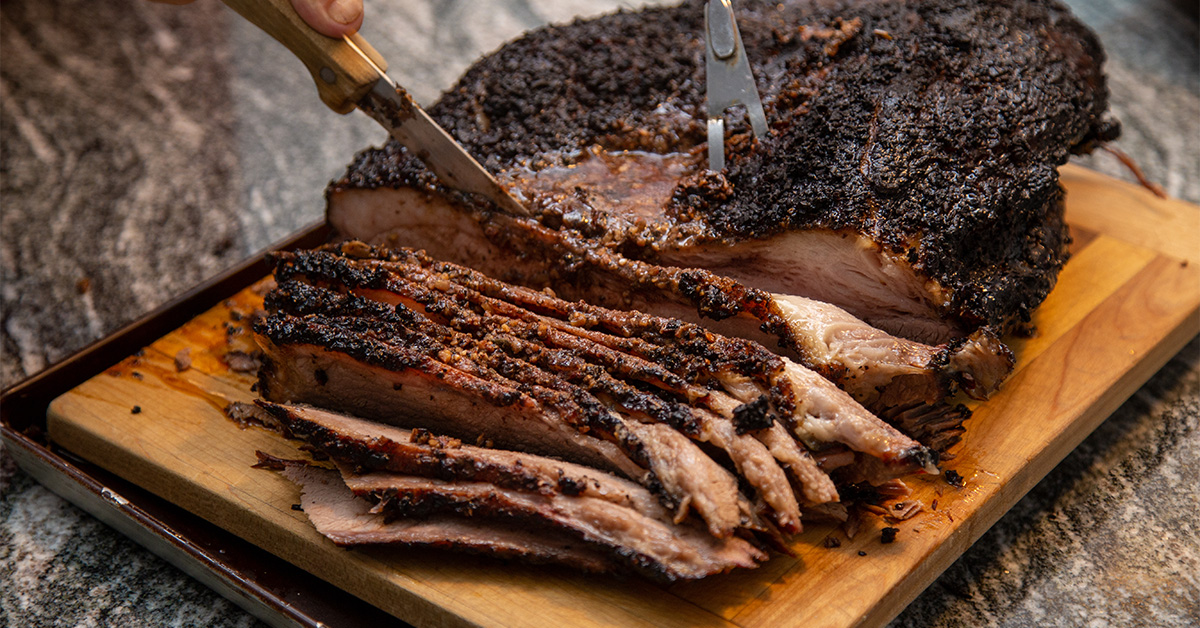
Its location plays a key role in shaping its structure, which directly impacts the best methods for cooking this flavorful cut.
8. Chuck Roast
Cut Location on the Animal
Chuck roast is cut from the lower neck, shoulder, and upper arm of the cow, typically between the fifth and sixth ribs. This area plays a key role in the animal’s movement and weight support.
"The chuck, which spans the animal’s lower neck, shoulder (the main section), and upper arm, is used by the cow for movement and weight support." – Emily Rahravan, America’s Test Kitchen
Flavor and Tenderness Profile
This cut is prized for its rich, beefy flavor. The muscles in the chuck are heavily used, which means they develop plenty of connective tissue and marbling. It also includes portions of the longissimus dorsi muscle – the same muscle that makes rib-eye steaks so flavorful. When cooked slowly, the connective tissue breaks down into gelatin, creating a tender, juicy texture that complements its bold flavor.
Typical Preparation Methods
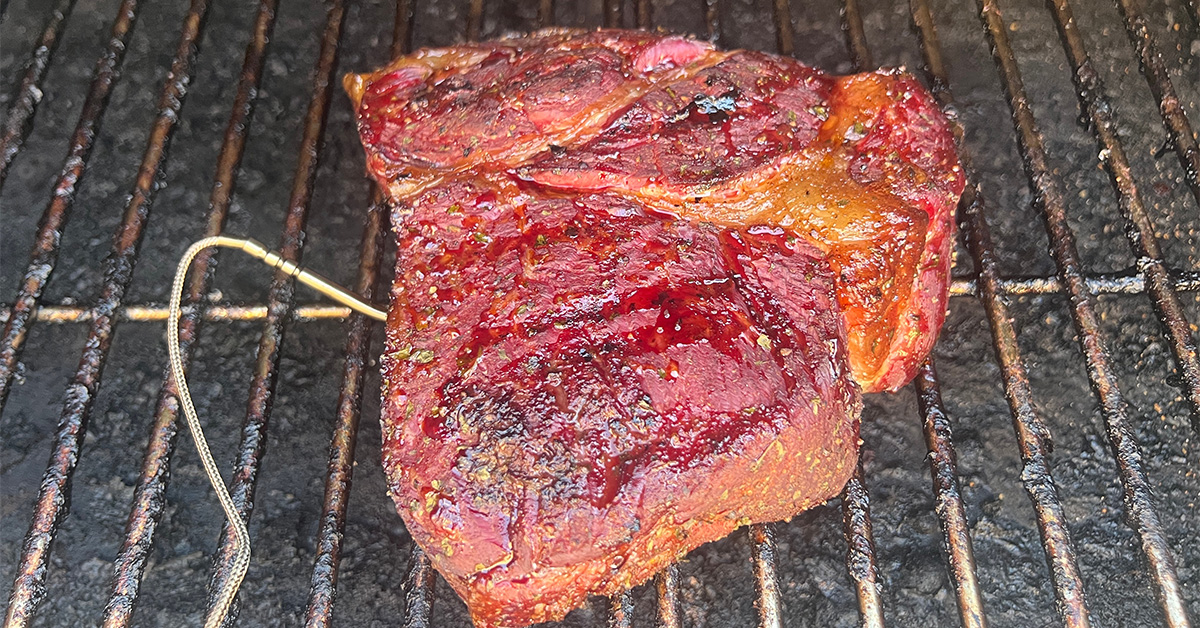
Chuck roast is best suited for slow, moist-heat cooking methods like braising. Searing the roast first creates a flavorful crust, and then cooking it low and slow in liquid ensures the meat becomes tender. Braising is a classic approach, but other methods like slow roasting in a covered dish or using a slow cooker also work beautifully. For oven roasting, temperatures between 275–325°F are ideal, especially when the roast is cooked in a Dutch oven with some liquid. These techniques allow the connective tissue to soften and the flavors to deepen.
Popular Uses in US Cuisine
Thanks to its flavor and versatility, chuck roast is a cornerstone of American comfort food. It’s the star of the classic pot roast, braised with vegetables like carrots, potatoes, and onions. It’s also perfect for hearty beef stews, where chunks of meat are simmered until fork-tender, and shines in smoked dishes like pulled beef. Ground chuck, often with an 80/20 fat ratio, is a favorite for making juicy burgers, meatloaf, and chili. Its affordability and robust flavor make it a go-to choice for feeding families while delivering satisfying, restaurant-quality meals.
sbb-itb-5ae85c5
9. Sirloin Roast
Cut Location on the Animal
The sirloin roast comes from the sirloin primal, situated between the short loin and the round, along the back of the cow. It’s right behind the strip steak section. This area includes muscles that see moderate use, giving the cut a nice balance of flavor and tenderness.
Flavor and Tenderness Profile
This roast delivers a bold, beefy flavor with moderate marbling. Its tenderness lands somewhere between a filet and a chuck roast. To bring out its best texture, it’s important to cook it carefully to soften the connective tissue.
Typical Preparation Methods
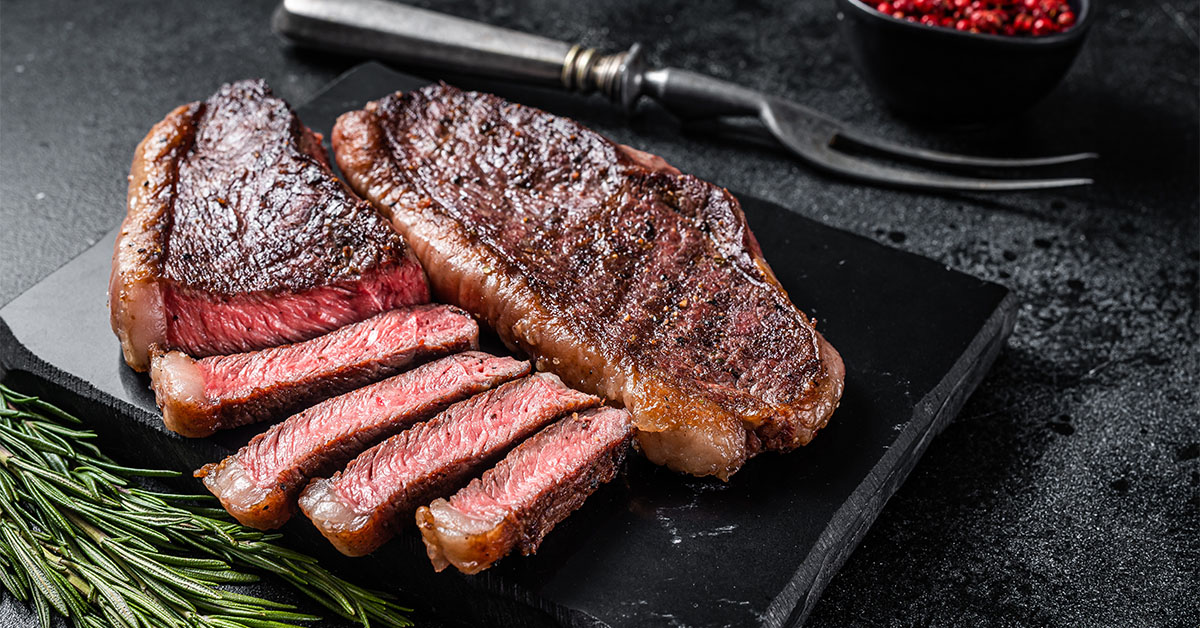
Start by searing the roast to lock in flavor, then roast it in the oven at 325°F–350°F until it reaches 135°F for medium-rare or 145°F for medium. Let it rest for 10–15 minutes to allow the juices to redistribute. For larger cuts, consider slow roasting at around 275°F, pulling it out when it’s 5–10°F below your target temperature to account for carryover cooking.
Popular Uses in US Cuisine
The sirloin roast is a go-to choice for those looking for a budget-friendly alternative to prime rib, making it a favorite for special occasions and Sunday dinners. It’s versatile – serve it in thick slices for a hearty meal, shave it thin for sandwiches, or cube it for soups that pack a punch.
Next, learn how the arm roast brings its own unique twist to beef dishes.
10. Arm Roast
Cut Location on the Animal
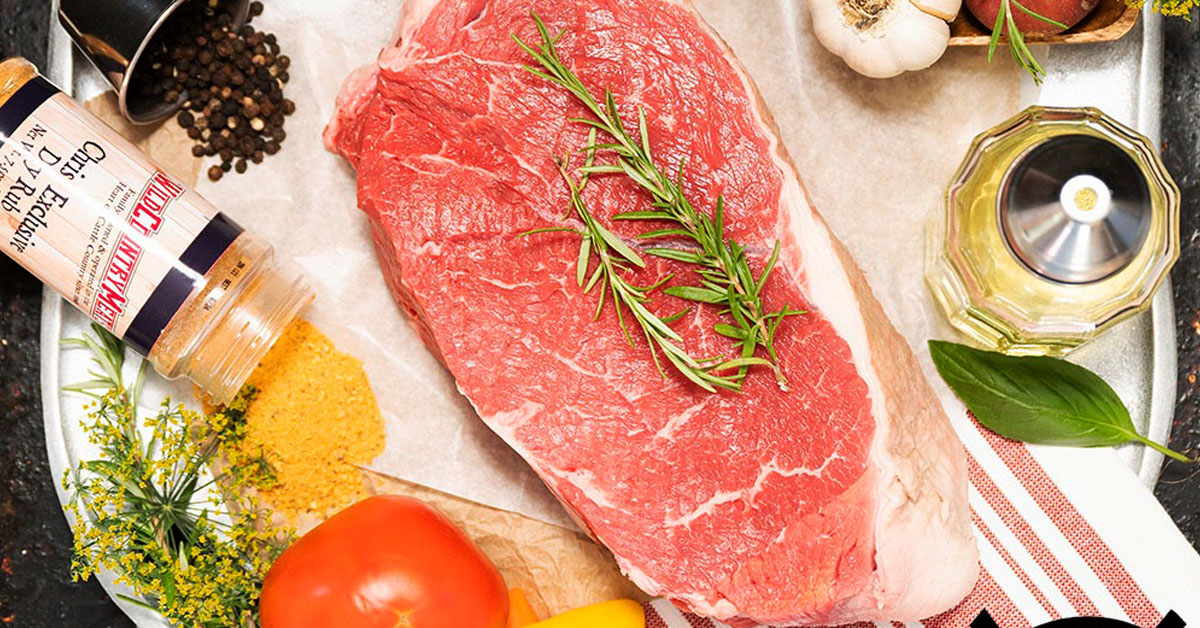
The arm roast comes from the chuck primal, specifically the front shoulder of the cow. This area is made up of hardworking muscles with plenty of connective tissue, making it ideal for slow-cooking methods. You might see it labeled as "Arm Pot-Roast" or "Arm Pot-Roast, Bnls" (boneless), giving a clear nod to its origin.
Flavor and Tenderness Profile
Thanks to the well-used shoulder muscles, the arm roast delivers a deep, beefy flavor. While it starts off tough due to the connective tissue, slow cooking transforms it into incredibly tender, melt-in-your-mouth meat. The marbling throughout enhances its flavor, making it a satisfying choice for hearty meals.
Typical Preparation Methods
Low and slow cooking is key to bringing out the best in an arm roast. Braising is a go-to method – sear the meat first for added flavor, then cook it covered in liquid at a low temperature (275°F to 300°F) for several hours. Slow roasting or using a crock pot also works wonders, allowing the connective tissue to break down and the fat to render. Cooking times usually range from 3 to 4 hours, depending on the size of the roast.
Popular Uses in US Cuisine
The arm roast is a staple in American comfort food, particularly as the centerpiece of a traditional pot roast. Slow-cooked with potatoes, carrots, and a rich gravy, it’s a dish that has warmed family tables for generations. Beyond pot roast, shredded arm roast can be used in sandwiches, enchiladas, casseroles, or beef stew, making it a versatile choice for a variety of meals, especially during chilly seasons.
11. Ground Beef
Cut Location on the Animal
Ground beef comes from a mix of trimmings, typically from the chuck, round, and other tougher cuts. These are processed together to create a versatile product that retains a rich beef flavor while transforming tougher fibers into something more manageable and easy to cook.
When you buy a side of beef from Wild Country Meats, you’ll get 72 pounds of 80% lean ground beef, packaged in 1-pound portions for convenient storage and meal prep.
Flavor and Tenderness Profile
With its 80% lean and 20% fat ratio, ground beef strikes a great balance between flavor and practicality. The 20% fat adds just enough marbling to keep the meat juicy and flavorful during cooking, without being overly greasy. This ratio ensures the meat stays moist and delivers the rich, savory beef taste that makes it a staple in kitchens across the country.
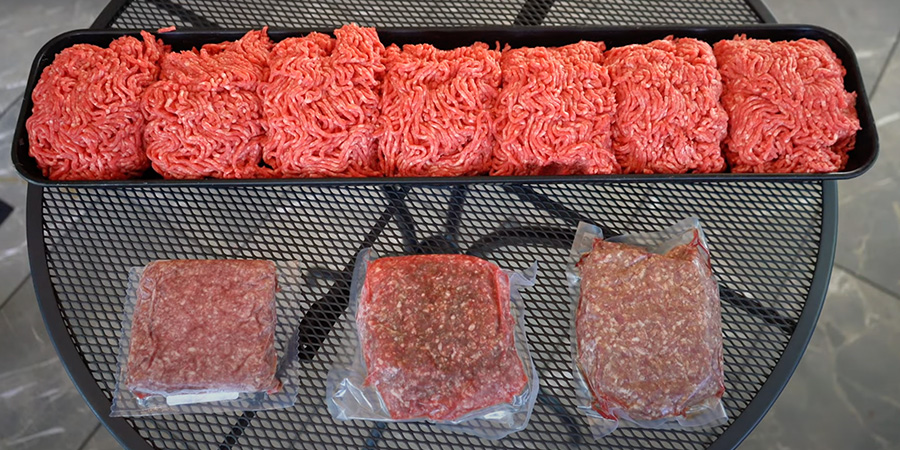
The grinding process itself breaks down the muscle fibers, giving the meat a tender texture that cooks evenly and quickly. Unlike whole cuts that often need special cooking methods, ground beef is straightforward to prepare, making it a dependable choice for a wide range of dishes.
Typical Preparation Methods
Ground beef’s flexibility makes it a go-to ingredient for many cooking methods. For quick meals, pan-frying over medium-high heat works well – just brown the meat, breaking it apart with a spatula, which usually takes about 6-8 minutes. If you’re making hamburger patties, grilling is another great option, with about 4-5 minutes per side for medium doneness.
For larger batches, oven baking at 375°F is ideal for dishes like meatloaf or casseroles. Ground beef also shines in slow-cooked recipes like stews and chili, where it absorbs the surrounding flavors while holding its texture. To get a good sear when browning, avoid overcrowding the pan.
Popular Uses in US Cuisine
Ground beef is at the heart of many iconic American dishes. Hamburgers are a classic choice, whether you’re grilling them at a summer barbecue or cooking them on the stovetop for a quick dinner. It also takes center stage in tacos and burritos, absorbing seasonings perfectly for flavorful Mexican-inspired meals.
Another favorite is spaghetti with meat sauce, where ground beef is simmered with tomatoes and herbs for a hearty pasta dish. Meatloaf is a comforting main course, often paired with mashed potatoes and vegetables. In colder months, chili made with ground beef, beans, and spices becomes a go-to comfort food.
Casseroles like shepherd’s pie and lasagna also rely on ground beef for its ability to blend seamlessly with other ingredients while providing plenty of protein. With 72 one-pound packages at your disposal, it’s easy to portion out exactly what you need, whether you’re whipping up tacos for a quick dinner or preparing a more involved weekend feast.
12. Ribs
Cut Location on the Animal
Ribs are taken from the rib section of the cow, located along the upper chest between the chuck and the short loin. This area includes two main types: short ribs, cut from the lower part of the rib cage, and back ribs, which come from the upper rib area. The meat here is known for its rich marbling and flavorful connective tissue, which contribute to its robust taste.
During butchering, ribs are separated to maximize both flavor and yield. Because of their proximity to the ribeye section, these cuts inherit similar marbling and a deep, beefy flavor. Their structure makes them ideal for certain cooking methods designed to enhance tenderness.
Flavor and Tenderness Profile
Beef ribs deliver a bold, beef-forward flavor thanks to their marbling and fat content. When cooked slowly, the fat melts and the connective tissue breaks down, resulting in tender, juicy meat. Short ribs are particularly meaty, with thick layers of marbled beef that stay moist during long cooking times. The bones also play a role in enriching the overall flavor, making ribs a favorite for hearty dishes.
Typical Preparation Methods
The rich marbling and connective tissue in ribs make them perfect for slow cooking, which transforms them into tender, flavorful bites.
- Braising: A classic approach. Start by searing the ribs, then cook them in liquid at 325°F for 2.5 to 3 hours. The result? Meat that easily pulls away from the bone.
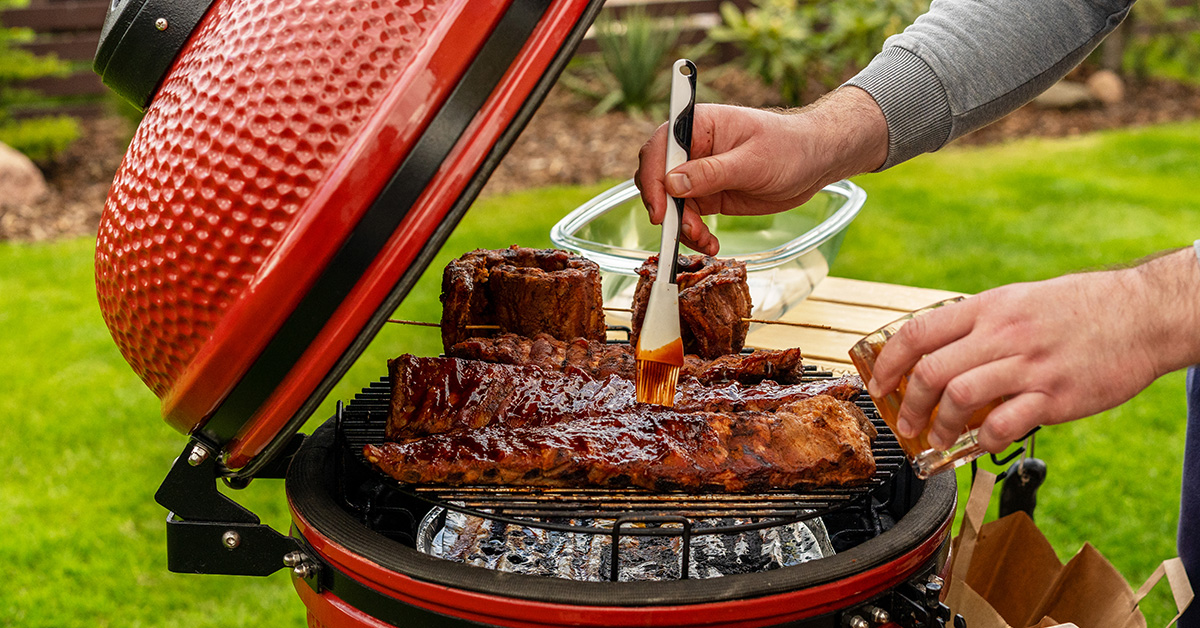
- Smoking: Ideal for back ribs. Set your smoker to 225°F and cook for about 5–6 hours. Wrapping the ribs in foil midway speeds up the process while keeping them moist.
- Oven Cooking: Wrap seasoned ribs in foil and bake at 275°F for 3–4 hours.
- 3-2-1 Method: A popular technique for back ribs – 3 hours unwrapped, 2 hours wrapped in foil, and 1 final hour unwrapped to develop a firmer exterior.
- Slow Cooking: Perfect for short ribs. Add seasoning and liquid, then let the slow cooker do its job on low heat for 6–8 hours.
Popular Uses in US Cuisine
Beef ribs hold a special place in American cuisine, especially in barbecue culture. In Texas-style BBQ, they’re often seasoned simply with salt and pepper, letting the smoke do the rest. Braised short ribs are a highlight in fine dining, served alongside mashed potatoes, polenta, or rich, wine-based sauces.
For more casual settings, BBQ beef ribs are a summer favorite, often coated in tangy barbecue sauce and paired with sides like coleslaw, baked beans, and cornbread. Whether at a backyard cookout or a high-end restaurant, beef ribs remain a crowd-pleasing choice for their flavor and versatility.
13. Stew Meat
Cut Location on the Animal
Stew meat typically comes from the tougher parts of the cow, such as the chuck (shoulder), round (rear leg), and occasionally the brisket or plate sections. These areas are known for their dense connective tissue, making them perfect for slow, moist-heat cooking methods. The chuck is the most common source, with cuts like the chuck eye, chuck tender, and shoulder clod being ideal. The round section contributes cuts like the bottom round and eye of round, which also work well for stewing.
Because these muscles do more work during the cow’s life, they develop strong connective tissues. When cooked slowly in liquid, these tissues break down beautifully, transforming the meat into tender, flavorful bites.

Flavor and Tenderness Profile
Stew meat delivers a deep, beefy flavor that’s often more pronounced than what you’d get from pricier cuts. Initially tough due to its connective tissue, the magic happens during slow cooking. The connective tissue melts into gelatin, creating tender, juicy meat with a luxurious texture. While the marbling varies depending on the specific cut, most stew meat contains enough fat to stay moist during prolonged cooking.
When prepared correctly, the meat becomes fork-tender but still holds its shape, providing hearty chunks of beef in your dish. The breakdown of collagen also thickens the cooking liquid naturally, resulting in rich, velvety broths and gravies.
Typical Preparation Methods
Stew meat thrives in slow, moist-heat cooking methods, which are essential for softening the tough fibers and unlocking its full flavor potential.
- Braising is a classic choice. Start by browning the meat in a heavy pot, then add liquid and cook covered at 325°F for 1.5 to 2.5 hours. The result? Meat that practically falls apart with a fork.
- Slow cooking is another favorite. Combine the seasoned meat with vegetables and liquid in a slow cooker, then let it cook on low for 6 to 8 hours for a hands-off approach.
- For stovetop methods, simmer the meat gently in seasoned liquid for 2 to 3 hours, checking occasionally to ensure there’s enough liquid.
- If you’re short on time, pressure cooking can achieve tender results in just 45 to 60 minutes under high pressure.
These methods not only tenderize the meat but also enhance the dish’s overall flavor, making stew meat a go-to for hearty meals.
Popular Uses in US Cuisine
Stew meat is a key ingredient in many American comfort food staples. One of the most beloved dishes is beef stew, where it’s paired with potatoes, carrots, onions, and celery in a rich, savory broth. This dish is a cold-weather favorite, gracing dinner tables across the country.
Another popular use is in chili, where stew meat creates a chunky, satisfying texture that’s perfect for tailgates, potlucks, and family meals. Many cooks prefer it over ground beef for the depth of flavor it brings.
It’s also used in pot roast variations when a whole roast isn’t required, and it’s a great addition to beef and vegetable soups. Additionally, dishes like beef bourguignon and Irish stew have become cherished options in American kitchens, showcasing stew meat’s versatility for both everyday meals and special occasions.
14. Kabob Meat
Cut Location on the Animal
Kabob meat is a versatile option that can come from various parts of the cow, including the sirloin tip, top round, and chuck eye. Each cut brings its own unique qualities to the table, making kabob meat a favorite for quick-cooking meals.
The sirloin tip, located near the round in the hindquarter, is a popular choice due to its excellent marbling without excessive fat. This balance makes it flavorful and tender. The top round, taken from the rear leg, is a leaner option that works well with marinades, absorbing flavors deeply. Meanwhile, the chuck eye, sourced from the shoulder, offers a richer taste and moderate tenderness, perfect for those who enjoy a more robust beef flavor.
Unlike stew meat, kabob cuts come from muscles that are less worked during the animal’s life. This means the meat is naturally more tender and well-suited for fast, high-heat cooking methods like grilling.
Flavor and Tenderness Profile
Kabob meat strikes a great balance between tenderness and flavor, making it ideal for quick, high-heat cooking. It typically has moderate marbling, which keeps the meat juicy without being overly fatty. This ensures the meat stays firm on skewers and cooks evenly.
When cut properly, kabob meat has a texture that holds together well during cooking, so all the pieces on your skewer cook uniformly. The flavor is robust but not overpowering, offering a middle ground between the richness of braising cuts and the mildness of premium steaks. This makes kabob meat an excellent base for marinades and seasonings, as its moderate density allows flavors to penetrate easily. Whether you’re going for bold spices or a simple herb blend, kabob meat adapts beautifully to a variety of culinary styles.
Typical Preparation Methods
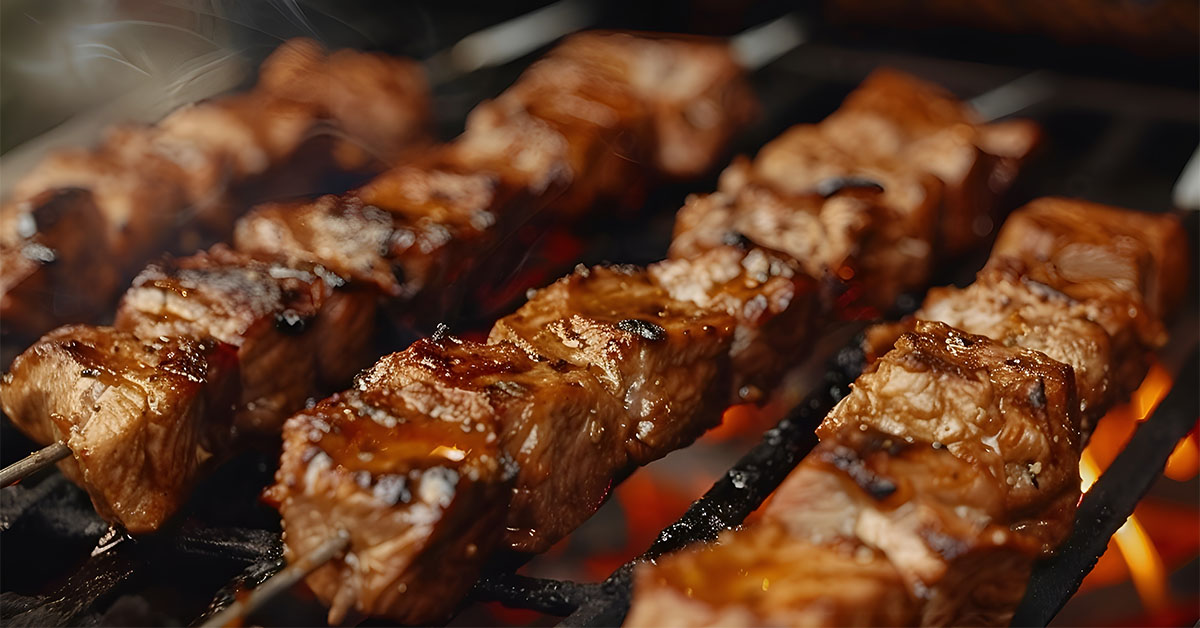
Kabob meat is best cooked using high, direct heat methods like grilling, broiling, or pan-searing. Grilling is the most common approach, with skewers cooked over medium-high heat for about 8 to 12 minutes, turning every 2–3 minutes for even results.
Marinating is highly recommended, with marinades often combining olive oil, citrus juice or vinegar, garlic, and herbs. Allow the meat to marinate for 2 to 24 hours to tenderize it and infuse it with flavor.
For indoor cooking, broiling is a great alternative. Place the skewers on a broiler pan about 4 inches from the heat source and broil for 10 to 14 minutes, turning once halfway through. Another option is pan-searing in a cast-iron skillet, cooking the skewers for 8 to 10 minutes while turning frequently. For the best results, aim for an internal temperature of 135°F for medium-rare or 145°F for medium. Be cautious not to overcook, as kabob meat can dry out and lose its tenderness.
Popular Uses in US Cuisine
Kabob meat is a favorite for American backyard grilling, often paired with colorful vegetables like bell peppers, onions, and mushrooms. These skewers are a hit at family gatherings, tailgate parties, and outdoor cookouts, offering a combination of flavor, nutrition, and visual appeal.
Mediterranean-style kabobs are also widely enjoyed, featuring marinades with olive oil, lemon juice, oregano, and garlic. Served with rice pilaf, grilled pita bread, and tzatziki sauce, these kabobs bring global flavors to the American dining table.
Kabob meat is equally versatile in other dishes. Many use it for fajita-style meals or Asian-inspired kabobs, with marinades like teriyaki or Korean bulgogi adding a unique twist. Its adaptability to different cuisines makes it a go-to choice for home cooks.
For busy households, kabob meat is a convenient option for weeknight dinners or meal prep. Preparing multiple skewers in advance and marinating them over the weekend allows for quick grilling throughout the week, making it a practical and delicious choice for any schedule.
15. Soup Bones
Cut Location on the Animal
Soup bones are essential for making rich, flavorful stocks that pack a nutritional punch. These bones are sourced from various parts of the animal, primarily the leg and knuckle bones, as well as marrow-rich sections like the femur and shank bones from both the front and hind legs.
Knuckle bones are taken from joints, especially around the shoulders and hips, where major bones connect. These areas are full of cartilage and connective tissue that break down during slow cooking, releasing gelatin to create deeply flavorful broths. Marrow bones, on the other hand, are cut from the center of long bones like the femur and tibia, where the marrow cavity is most accessible.
Unlike traditional meat cuts, soup bones are prized for their bone marrow, cartilage, and connective tissue rather than muscle. When processed, these bones are typically cut into pieces around 3 to 6 inches long, making them easy to fit into stock pots or slow cookers.

Flavor and Tenderness Profile
Soup bones are all about delivering flavor and texture. While they don’t offer meat, they more than make up for it with the deep, beefy taste and natural gelatin they contribute to broths. The marrow inside the bones adds a creamy, buttery richness that elevates stocks to a whole new level. As the bones simmer, the marrow slowly melts, infusing the liquid with a luxurious texture and intense flavor.
The connective tissue and cartilage surrounding these bones contain collagen, which transforms into gelatin during long cooking. This gelatin gives homemade broths their signature thickness and satisfying body, coating your spoon with a silky texture. The resulting broth is robust yet clean in flavor, enhancing other ingredients without overwhelming them.
Homemade bone broth, with its golden, gelatin-rich consistency, stands out from store-bought versions. It not only tastes better but also offers nutritional benefits that many home cooks value.
Typical Preparation Methods
To unlock the full potential of soup bones, they require long, slow cooking, often simmering for 12 to 24 hours. The process typically begins with roasting the bones in a 425°F oven for 30 to 45 minutes. This step enhances their flavor, adding depth to the final broth.
Once roasted, the bones are placed in a stock pot or slow cooker and covered with cold water, about 2 inches above the bones. Adding 2 tablespoons of apple cider vinegar helps draw minerals from the bones. Let the mixture sit for 30 minutes before heating. Bring it to a gentle simmer and maintain that temperature, skimming off foam during the first hour.
For added flavor, toss in onions, carrots, and celery during the last 4 to 6 hours of cooking. Season with bay leaves, peppercorns, and fresh herbs. Keep the broth between 185°F and 200°F for the best results.
If you’re short on time, pressure cooking offers a quicker alternative, reducing the process to 3 to 4 hours while still extracting plenty of gelatin and flavor. However, many cooks swear by the slower method for the richest and most nutrient-packed broth.
Popular Uses in US Cuisine
Soup bones have become a favorite among home cooks, especially those embracing nose-to-tail cooking or looking to get the most nutrition out of their meat purchases. They’re a go-to for making homemade bone broth and hearty soups.
In many American households, soup bones form the base for comfort foods like beef and vegetable soup. The bones are removed after cooking, leaving behind a deeply flavored broth that transforms simple ingredients into satisfying meals.
For those who love to meal prep, soup bones are a game-changer. Many people spend weekends making large batches of bone broth, freezing it in portions for use throughout the week. This homemade broth becomes the foundation for dishes like risottos, gravies, and braised meats, bringing restaurant-quality flavor to everyday cooking.
Soup bones are also popular in paleo and keto diets, thanks to their high collagen and mineral content. More and more home cooks are requesting soup bones when purchasing sides of beef, recognizing their versatility and value. They’re often one of the most affordable parts of a beef purchase, yet they deliver incredible culinary and nutritional benefits.
Quick Reference Guide for Beef Cuts
Here’s a handy guide to help you choose the right beef cuts for your meals. Whether you’re planning a quick dinner or a slow-cooked feast, this breakdown highlights the key features of each cut from a side of beef. Check out the table below for a side-by-side comparison of tenderness, flavor, and cooking methods.
Premium Steaks like filet, ribeye, and strip steak are known for their tenderness and rich flavor. These cuts shine when cooked with high heat, whether on the grill or in a hot pan.
Working Muscle Cuts such as skirt, flank, and sirloin steaks pack bold flavors. They work best with marinades and quick, high-heat cooking, followed by slicing against the grain for maximum tenderness.
Slow-Cooking Champions – brisket, chuck roast, and arm roast – are ideal for low-and-slow cooking methods. Over several hours, these tougher cuts turn into melt-in-your-mouth meals.
| Cut | Tenderness Level | Flavor Intensity | Best Cooking Method | Typical Cook Time |
|---|---|---|---|---|
| Filet Steak | Very High | Mild | Grilling, Pan-searing | 8-10 minutes |
| Ribeye Steak | High | Rich | Grilling, Broiling | 10-12 minutes |
| Strip Steak | High | Moderate | Grilling, Pan-searing | 8-12 minutes |
| Sirloin Steak | Moderate | Moderate | Grilling, Broiling | 10-14 minutes |
| Skirt Steak | Low-Moderate | Very Strong | High-heat grilling | 4-6 minutes |
| Flank Steak | Low-Moderate | Strong | Grilling, Broiling | 6-8 minutes |
| Brisket | Low (becomes tender) | Rich | Smoking, Braising | 8-12 hours |
| Chuck Roast | Low (becomes tender) | Rich | Braising, Slow cooking | 6-8 hours |
| Sirloin Roast | Moderate | Moderate | Roasting, Braising | 3-4 hours |
| Arm Roast | Low (becomes tender) | Rich | Braising, Slow cooking | 6-8 hours |
Versatile Options like ground beef, stew meat, and kabob meat are perfect for everyday meals. They’re quick to prepare, with cooking times typically ranging from 1 to 3 hours.
Specialty Items such as ribs and soup bones cater to specific dishes. Ribs need 4 to 6 hours for that fall-off-the-bone texture, while soup bones require 12 to 24 hours to create nutrient-packed broths.
For a balanced week, mix and match these cuts: treat yourself to premium steaks for special occasions, slow-cooked roasts for hearty weeknight meals, and ground beef for quick and easy recipes. Pair each cut with the cooking method that best complements its natural qualities for delicious results every time.
Conclusion
Understanding the 15 cuts in a side of beef opens up a world of meal possibilities. Whether it’s a tender filet steak for a special celebration or a hearty brisket for slow cooking, each cut brings something unique to the table. These cuts form the backbone of everything from family dinners to backyard barbecues, offering endless options for both quick meals and elaborate feasts.
When you purchase a side of beef, you’re not just getting steaks – you’re gaining access to a variety of ingredients. Think pot roasts for Sunday suppers, ground beef for easy weeknight meals, and soup bones to create rich, flavorful broths. It’s an opportunity to experience the full spectrum of tastes and textures that beef has to offer.
Check out the video we’ve included for a step-by-step look at these cuts. It breaks down the anatomy of a side of beef and highlights how each cut can shine in the kitchen. From identifying the cuts to mastering the cooking techniques, this guide will help you make the most of every piece.
Since 1998, Wild Country Meats has been proud to serve Oklahoma families with high-quality sides of beef. Our USDA-inspected processing ensures you get exactly what you order, complete with custom packaging and full traceability. Whether you’re a seasoned chef or just starting to explore beef cuts, we’re here to help you every step of the way.
Discover our side of beef options today and take your home cooking to the next level.
FAQs
What are the best cooking methods for different beef cuts?
The best way to cook beef depends on the cut’s tenderness and fat content. Tender cuts – like ribeye, tenderloin, or strip steak – shine with quick, high-heat methods such as grilling, broiling, or pan-searing. These techniques bring out their natural flavors without risking overcooking.
On the other hand, tougher cuts like brisket, chuck roast, or short ribs benefit from slow-cooking methods. Braising, roasting, or using a slow cooker helps break down tough connective tissues, turning the meat tender and packed with flavor.
When deciding how to cook your beef, pay attention to its marbling and thickness for the best outcome. And don’t skip the resting step after cooking – it keeps the juices in and boosts flavor!
What is the best way to store and handle a side of beef to keep it fresh?
To keep your side of beef fresh and maintain its quality, store it in its original packaging or wrap it tightly with plastic wrap or aluminum foil to limit air exposure. Keep it refrigerated at 40°F or below, or freeze it at 0°F if you plan on storing it for a longer period. Maintaining the right temperature is crucial for freshness.
Make sure to wash your hands thoroughly before and after handling raw beef. To avoid cross-contamination, always keep raw meat separate from cooked foods and use dedicated cutting boards or utensils for each. By following these steps, you can ensure your beef remains safe, fresh, and ready to enjoy.
How can I use less common beef cuts like soup bones and arm roast in everyday cooking?
Less common beef cuts, such as soup bones and arm roast, can bring a whole new level of flavor and versatility to your cooking. Take soup bones, for example – they’re perfect for crafting a rich, nutrient-packed bone broth. This broth isn’t just for soup; you can use it as a flavorful base for stews or even to cook grains like rice or quinoa, giving your meals an extra layer of taste.
When it comes to an arm roast, slow cooking is the way to go. Whether you braise it, roast it, or pop it into a pressure cooker, the result is tender, juicy meat. Once prepared, arm roast works beautifully in shredded beef dishes like tacos, BBQ sandwiches, or classic Italian beef. With just a little effort, these cuts can turn into practical and delicious options for your everyday meals.