
Smoking meat at home without a smoker is easy with the right techniques. You can use tools you already have, like a grill, oven, or stovetop, to create rich, smoky flavors. Here are five methods:
- Charcoal Grill: Create two heat zones and add soaked wood chips for low-and-slow cooking. Perfect for brisket, ribs, and chicken.
- Gas Grill: Use foil-wrapped wood chips over one burner for indirect cooking. Great for pork shoulder and steaks.
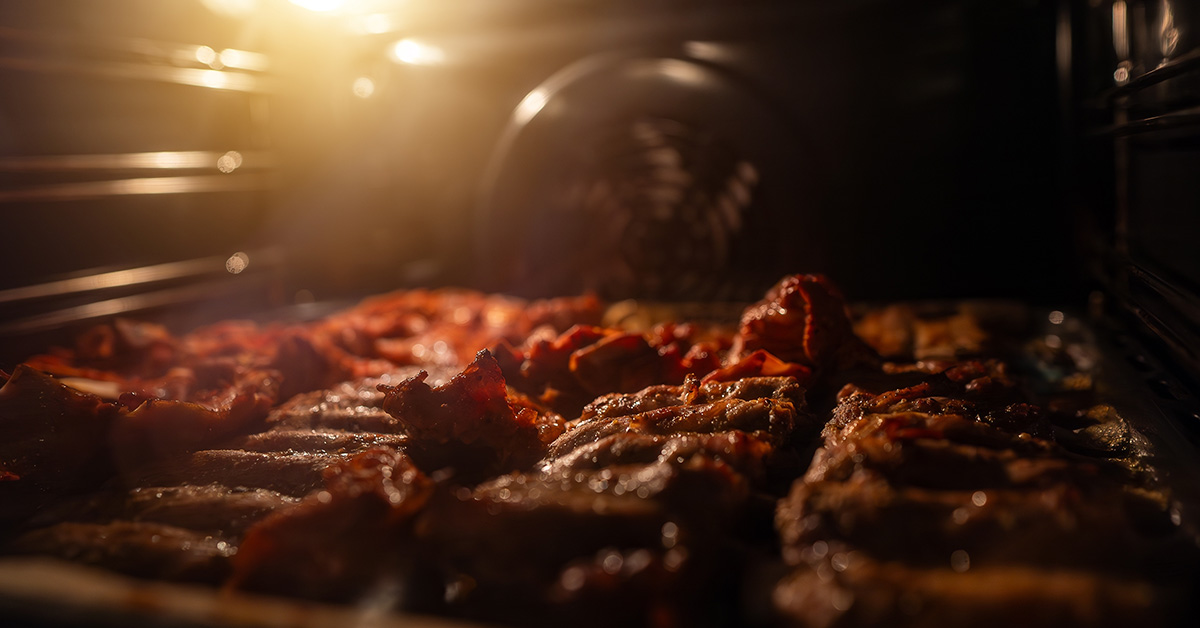
- Oven: Use wood chips in a roasting pan with a wire rack, covered tightly with foil. Works well for brisket and tender cuts.
- Stovetop: Smoke smaller cuts like chicken or fish in a heavy pot with wood chips and a wire rack.
- Handheld Smokers: Add light smoky flavor to already-cooked meats or even sauces and cocktails.
Each method offers a way to enjoy smoked meat without needing a dedicated smoker, using simple setups and everyday tools.
How to Smoke Meat Without a Smoker | Steven Raichlen’s Project Smoke
1. Charcoal Grill Smoking
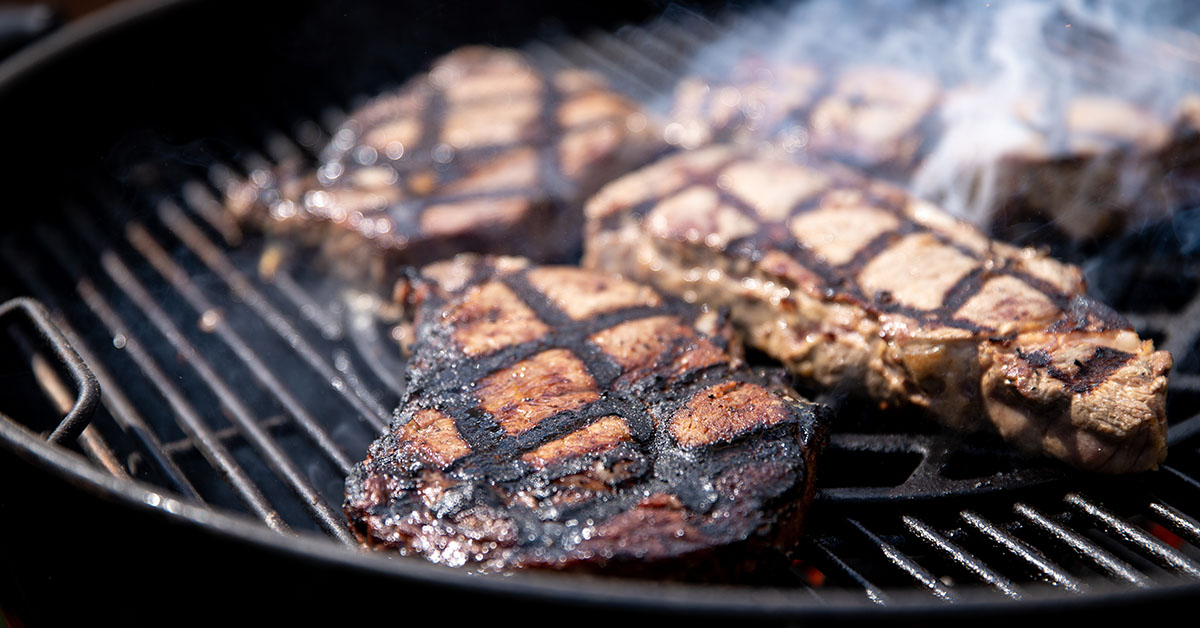
You can turn your charcoal grill into a reliable smoker with just a bit of setup. The secret lies in creating two heat zones – a hot side for the coals and a cooler side for the meat. This indirect cooking method closely mimics the way traditional smokers operate, delivering that rich, smoky flavor without the need for an expensive smoker.
Start by lighting 20–30 charcoal briquettes on one side of the grill. Once they’re glowing red and lightly ashed (this usually takes around 15–20 minutes), they’ll form your hot zone. The opposite side naturally becomes the cooler, indirect cooking zone, maintaining a steady temperature of about 225°F–250°F. This setup ensures an even, low-and-slow cooking environment, just like a traditional smoker.
For that signature smoky flavor, soak wood chips – such as hickory, apple, or cherry – for about 30 minutes. After draining them, place the chips directly on the hot coals. Hickory adds bold, earthy notes, while apple provides a sweeter, milder flavor.
Temperature control is critical for achieving perfect results. Use the bottom vents to manage airflow – more air will increase the heat, while less air cools things down. Keep the top vent half-open to allow smoke to circulate evenly. A digital thermometer is essential for monitoring the temperature in the cooler zone.
Cooking times vary depending on the cut of meat. For instance:
- A 3-pound pork shoulder takes 6–8 hours.
- Chicken thighs need about 2–3 hours.
- A large beef brisket can take 12–14 hours.
To maintain consistent smoke, add fresh wood chips every 45–60 minutes. The goal is thin, blue-white smoke, which indicates optimal conditions. If the smoke is thick and white, your fire may be too cool, or the wood chips might still be too wet.
This method is particularly effective for marbled cuts of meat, which thrive with slow cooking. Over time, the connective tissues break down, leaving you with tender, flavorful results that can easily compete with any dedicated smoker.
2. Gas Grill Smoking
Gas grills might not be the first choice for smoking, but with a little creativity, you can turn yours into a makeshift smoker. These grills are loved for their convenience and consistent temperature control, but they don’t naturally create the smoky environment of a charcoal grill. The good news? You can achieve that smoky flavor by using wood chip packets.
Here’s how: Start by soaking your wood chips in water for about 30 minutes. This helps them release smoke steadily instead of burning up too quickly. Once soaked, wrap a handful of chips in heavy-duty aluminum foil, sealing the edges tightly. Poke a few holes in the top of the foil packet to let the smoke escape while keeping the chips from catching fire. Now you’re ready to set up your grill for smoking.

To create the perfect smoking environment, preheat your grill on a low setting and turn on only one or two burners to establish an indirect cooking zone. Place your wood chip packet directly over the active burner – this is where the heat will coax out the smoke. Then, position your meat on the opposite side of the grill, away from the direct heat. This setup allows the smoke to circulate and infuse your food with rich, smoky flavors, mimicking the experience of traditional smoking.
One of the perks of using a gas grill is its ability to maintain a steady temperature, making it easier to manage long smoking sessions. Keep an eye on the smoke output, and replace your wood chip packets as needed to keep the flavor flowing.
Want to experiment with flavors? Different types of wood bring unique profiles to your food. For example, softer woods like apple or cherry produce a milder taste that’s perfect for delicate proteins like fish, chicken, or pork tenderloin. This two-zone method not only ensures even cooking but also enhances the smoky essence that makes smoked dishes so irresistible.
3. Oven Smoking
When firing up the grill outside isn’t an option, your kitchen oven can step in as a great alternative for smoking meat indoors. This approach gives you complete control over the smoking process, making it especially handy for beginners who want reliable results. With just a roasting pan and a wire rack, you can turn your oven into a compact smoker.
To get started, soak your wood chips in water for about 30 minutes. This helps them smolder slowly instead of burning, creating the steady, flavorful smoke you need. For beef cuts like brisket, hickory and mesquite chips are ideal, while apple or cherry wood adds a sweet, smoky touch to pork and poultry. Preheat your oven to 225°F to replicate the low-and-slow conditions of traditional smoking. After soaking, drain the wood chips and place them in the bottom of your roasting pan. Position your meat on a wire rack above the chips so the smoke can circulate evenly.
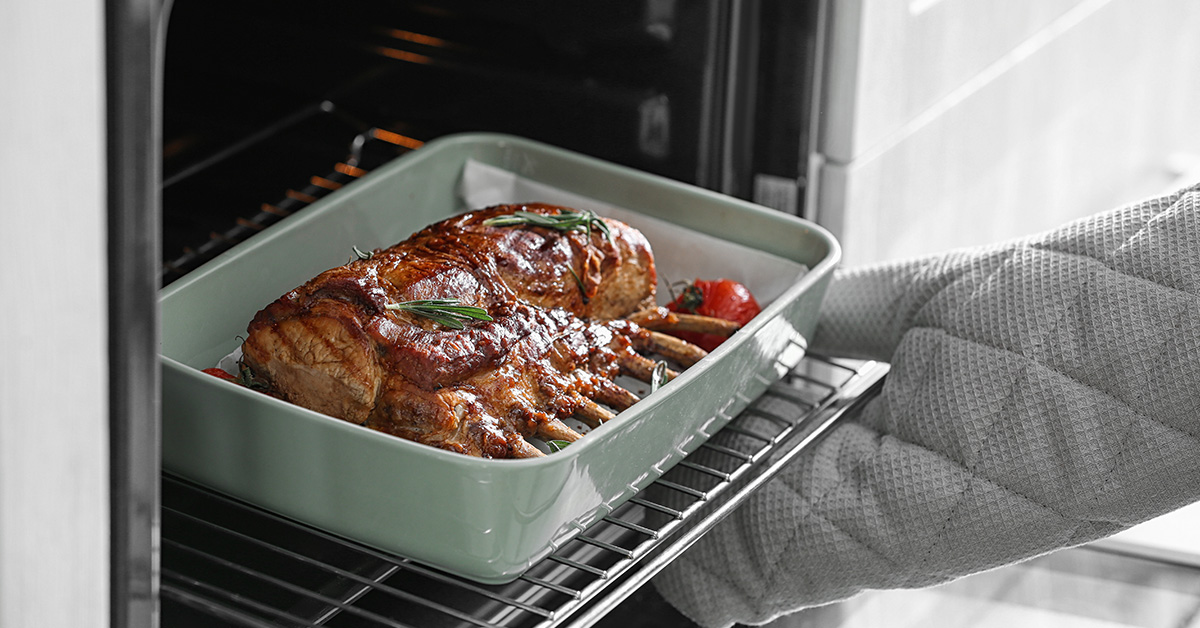
Next, seal in the smoky goodness. Cover the entire setup with heavy-duty aluminum foil, making sure to tightly seal the edges. This traps the smoke and creates a mini smoking chamber right in your oven. Place the covered pan on the lowest oven rack, and let the slow cooking process work its magic.
While oven smoking doesn’t pack the same punch as an outdoor smoker, it still delivers a satisfying smoky flavor that’s hard to resist. If you want a stronger flavor, you can add extra wood chips or extend the smoking time. This method works particularly well for thicker cuts like brisket, pork shoulder, and ribs, which develop incredible tenderness and rich flavor over several hours.
Wood chips are a budget-friendly option, and you’re using tools you already have in your kitchen. Just make sure to ventilate your space properly – turn on the exhaust fan or crack a window slightly, as a little smoke might escape when you check on your meat. This method is perfect for enhancing premium cuts from Wild Country Meats, bringing out their natural flavors and tenderness.
sbb-itb-5ae85c5
4. Stovetop Smoking
Your stovetop can be a fantastic tool for indoor smoking, especially for smaller cuts like chicken, pork chops, fish, or steak. It’s a quick and efficient way to infuse smoky flavor without the longer commitment of oven smoking. The process relies on controlled heat and smoke, and all you need is a heavy-bottomed pot with a tight lid, some wood chips, and a wire rack.
To get started, pick the right pot. A cast iron Dutch oven or a heavy stainless steel pot works best because it evenly distributes heat and holds temperature well. The pot should be large enough to fit a wire rack with your meat on top, leaving room for the smoke to circulate. Line the bottom of the pot with aluminum foil, then sprinkle about 2 tablespoons of dry wood chips directly onto the foil.

For stovetop smoking, always use dry wood chips. Wet chips create excess steam in the confined space, which can dilute the smoky flavor. Apple and cherry wood chips are great for poultry and pork, while oak delivers a bolder taste that pairs well with beef.
Place the wire rack about 2-3 inches above the wood chips and arrange your seasoned meat on it. Heat the pot on medium-high until the chips start to smoke, which should take about 3–5 minutes. Once they’re smoking, cover the pot and reduce the heat to medium-low to maintain a steady smolder.
This method works quickly. Thin cuts like fish fillets are ready in just 8-10 minutes, while chicken thighs or pork chops take around 15-20 minutes. Thicker cuts, like steak, might need closer to 25 minutes. The key is keeping the heat steady so the chips smolder without burning completely.
Stovetop smoking delivers bold, deep flavor as the smoke fully envelops the meat. However, it’s important not to overdo it – too much smoke can leave a bitter taste.
Since this method produces noticeable smoke, make sure your kitchen is well-ventilated. Turn on the exhaust fan or open a window to keep the air clear. This technique works wonderfully with premium cuts like those from Wild Country Meats, adding a smoky touch that enhances the natural flavors. You’ll be amazed at how easily you can achieve restaurant-quality results right in your kitchen.
5. Handheld Smoking Devices
Handheld smoking devices are a convenient way to add a subtle smoky flavor to your meat without the need for bulky equipment. These compact tools work by burning wood chips in a small chamber and directing the smoke through a flexible tube, allowing for precise application.
Many models are battery-powered and equipped with a built-in fan, giving you control over the intensity of the smoke. This means you can easily tailor the flavor to your liking, making it a versatile addition to any kitchen.

Using one is simple. Add a small amount of finely chopped wood chips to the chamber, ignite the device, and direct the smoke onto your meat. Cover the meat briefly to help the smoke infuse. These devices are particularly effective for cold smoking, as they add flavor without raising the temperature of the food. They’re great for enhancing dishes like grilled steaks, roasted chicken, or smoked fish. You can even get creative and use them to smoke sauces, cocktails, or desserts.
While handheld smokers excel at adding surface smoke, they may not penetrate thicker cuts of meat. For those who enjoy premium-quality cuts, such as those from Wild Country Meats, these devices are perfect for adding a delicate smoky touch that complements the natural flavor of the meat.
Another advantage is their relatively low smoke output, making them easier to use indoors. However, proper ventilation is still a must to avoid setting off smoke detectors. Check the comparison table below for a quick summary of how this method stacks up against others.
Comparison Table
Here’s a detailed look at different smoking methods and how they stack up:
| Method | Equipment Needed | Ease of Setup | Time Required | Flavor Intensity | Best Wild Country Meats Cuts |
|---|---|---|---|---|---|
| Charcoal Grill | Charcoal grill, wood chips, aluminum foil or smoker box | Moderate – requires arranging charcoal and monitoring temperature | 4–12 hours (depending on cut) | High – deep, authentic smoky flavor | Beef brisket, pork ribs, whole chickens, beef roasts |
| Gas Grill | Gas grill, wood chips, smoker box or foil packets | Easy – straightforward temperature control | 3–8 hours (depending on cut) | Medium-High – consistent smoke production | Pork shoulder, beef steaks, chicken thighs, lamb chops |
| Oven | Standard oven, liquid smoke (optionally with wood chips and a roasting pan) | Very Easy – simply set the temperature and timer | 2–6 hours (depending on cut) | Medium – relies on liquid smoke for flavor | Beef roasts, pork tenderloin, whole chickens |
| Stovetop | Heavy pot with lid, wood chips, aluminum foil, wire rack | Easy – quick setup on any burner | 30 minutes to 3 hours | Medium – ideal for smaller cuts | Chicken breasts, pork chops, sausages |
| Handheld Device | Battery-powered smoking gun, wood chips, covering dome | Very Easy – plug and play operation | 5–30 minutes for smoke application | Low-Medium – subtle surface flavor enhancement | Premium steaks, bacon, jerky, deli meats |
Each method has its strengths, making it easier to find the right approach based on your cut of meat and flavor goals.
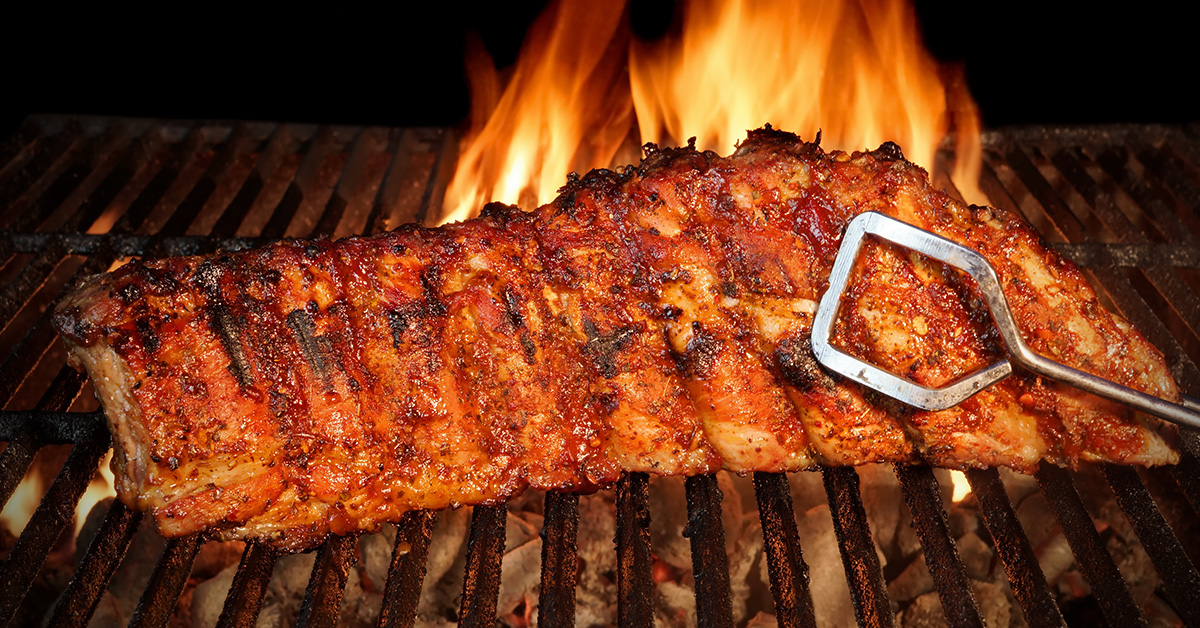
For example, the charcoal grill is the go-to for authentic barbecue flavors. Its low-and-slow cooking style is perfect for large, tough cuts like brisket and chuck roasts, as it breaks down connective tissues over time.
If you’re looking for convenience without sacrificing flavor, the gas grill is a solid option. It’s ideal for specialty cuts like pork shoulder or beef steaks, where precise temperature control ensures even cooking and prevents overcooking.
The oven method is perfect for tender cuts that benefit from consistent heat. Cuts like beef tenderloin or pork loin shine here, as the focus is on even cooking rather than heavy smoke infusion.
For smaller, quicker-cooking cuts, the stovetop method is a great choice. It works well for items like chicken breasts or pork chops, which don’t need extended smoking times.
Finally, handheld smoking devices are perfect for finishing touches. They add a subtle smoky flavor to already-cooked meats like premium steaks or deli cuts, making them a versatile tool for enhancing flavor just before serving.
When choosing your method, think about how much time you have, the level of smoky flavor you want, and the cut of meat you’re working with. These techniques are designed to bring out the best in meats from Wild Country Meats, whose custom processing ensures you get cuts tailored to your preferred smoking method.
Conclusion
Smoking meat without a dedicated smoker isn’t just doable – it can deliver mouthwatering results when done right. Whether you’re drawn to the bold, traditional flavor of charcoal grilling, the straightforward ease of gas grilling, the practicality of oven smoking, the compact convenience of stovetop methods, or the quick versatility of handheld smoking devices, each approach offers a unique way to achieve delicious smoked meats.
Success starts with two essentials: choosing the right wood chips for your meat and selecting high-quality cuts. Premium cuts make all the difference, elevating every method to its full potential. That’s where Wild Country Meats comes in, providing top-notch meats to set the stage for your smoking adventures.
These techniques are flexible, allowing room for trial and error as you refine your skills. Try mixing different wood chip flavors, keep a close eye on temperatures, and jot down notes to fine-tune your process based on your setup and taste preferences.
What makes these methods so appealing is how accessible they are. Chances are, you already have most of the tools you need. With a bit of practice and attention to detail, you can create smoked meats that rival your favorite barbecue joint – right in your kitchen or backyard. Start with beginner-friendly cuts like chicken thighs or pork chops, then tackle more complex options as your confidence builds.
FAQs
What type of wood chips should I use to smoke different meats without a smoker?
The kind of wood chips you pick can have a big impact on the flavor of your smoked meat. For lighter meats like poultry or fish, mild woods such as apple or cherry are ideal. They add a gentle, fruity sweetness that enhances the meat’s natural flavor without overwhelming it. On the other hand, for richer cuts like beef or pork, stronger woods like hickory or mesquite deliver a bold, smoky taste that pairs well with their hearty texture.
Feel free to get creative by mixing different wood chips to craft a flavor profile that matches your taste. Just remember, a little smoke can go a long way – start with a small amount to prevent overpowering your dish.
How can I maintain consistent temperature when smoking meat on a charcoal or gas grill?
To maintain a steady temperature when smoking meat on a charcoal or gas grill, start by fine-tuning the vents or dampers to control airflow. Opening the intake vent increases oxygen flow, which boosts the heat, while closing it lowers the temperature. The exhaust vent plays a crucial role in letting heat escape and keeping the temperature steady.
Another trick is using a water pan, which not only helps regulate heat but also adds moisture to the cooking environment – especially useful for charcoal grills. And remember, keep the lid closed as much as you can to prevent heat loss and ensure consistent cooking conditions.
Can I get the same smoky flavor using an oven or stovetop instead of a traditional smoker?
When it comes to cooking meat, ovens and stovetops offer precise temperature control, but they simply can’t replicate the deep, smoky essence you get from a traditional smoker. Smokers work their magic by using wood smoke and maintaining lower temperatures (typically between 200°F and 275°F), allowing the meat to absorb those rich, smoky flavors that are tough to achieve any other way.
If you’re looking to add a touch of smokiness without a smoker, you can try using wood chips or even liquid smoke with your oven or stovetop methods. While the smoky depth might not be as pronounced, these techniques can still yield tender, flavorful meat – perfect for when a smoker isn’t an option.