
We’ve learned that buying a half cow is one of the best ways to stock your freezer with high-quality beef while saving money. You get around 200–250 pounds of vacuum-sealed meat, including premium steaks, roasts, ground beef, and specialty cuts like brisket and short ribs. For families who eat beef regularly, this can provide meals for 3–4 months and reduce grocery trips.
The cost savings are impressive: you pay a flat rate for all cuts, averaging $6–$10 per pound, which means you’re getting cuts like ribeye and filet mignon at the same price as ground beef. Plus, you can customize your order to fit your preferences, choosing steak thickness, roast sizes, and even extras like soup bones or organ meats.
Here’s a breakdown of what you can expect and how to make the most of your order.
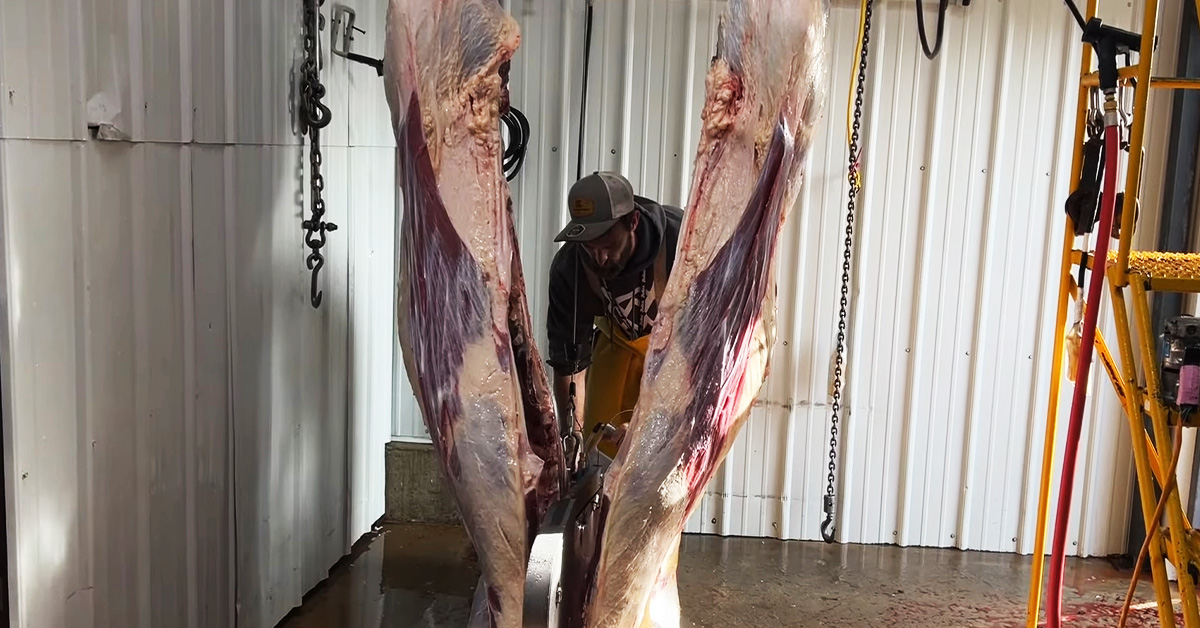
What’s in a Half a Cow Bulk Beef Order??? -Breakdown of what’s in a Side of Beef- Direct from Farm
sbb-itb-5ae85c5
Complete Cut List for a Half Cow
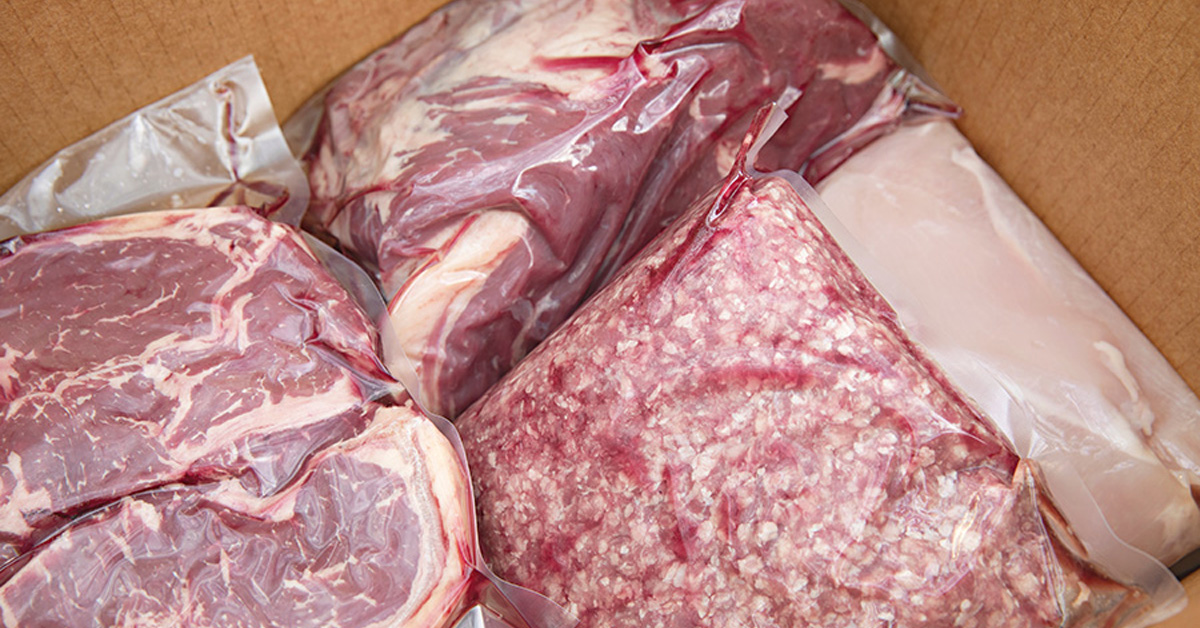
When your order is ready, you’ll receive 200–250 pounds of packaged beef. Here’s the breakdown: about 15–20% premium steaks, 20–25% roasts, 40–50% ground beef, and the rest includes specialty cuts like short ribs, brisket, and stew meat. Below, we’ve outlined exactly what you can expect to receive with a half cow order.
Keep in mind: certain choices come with trade-offs. For example, selecting T-bone steaks means the tenderloin stays attached to the bone, while choosing ribeye steaks means you’ll forgo the prime rib roast.
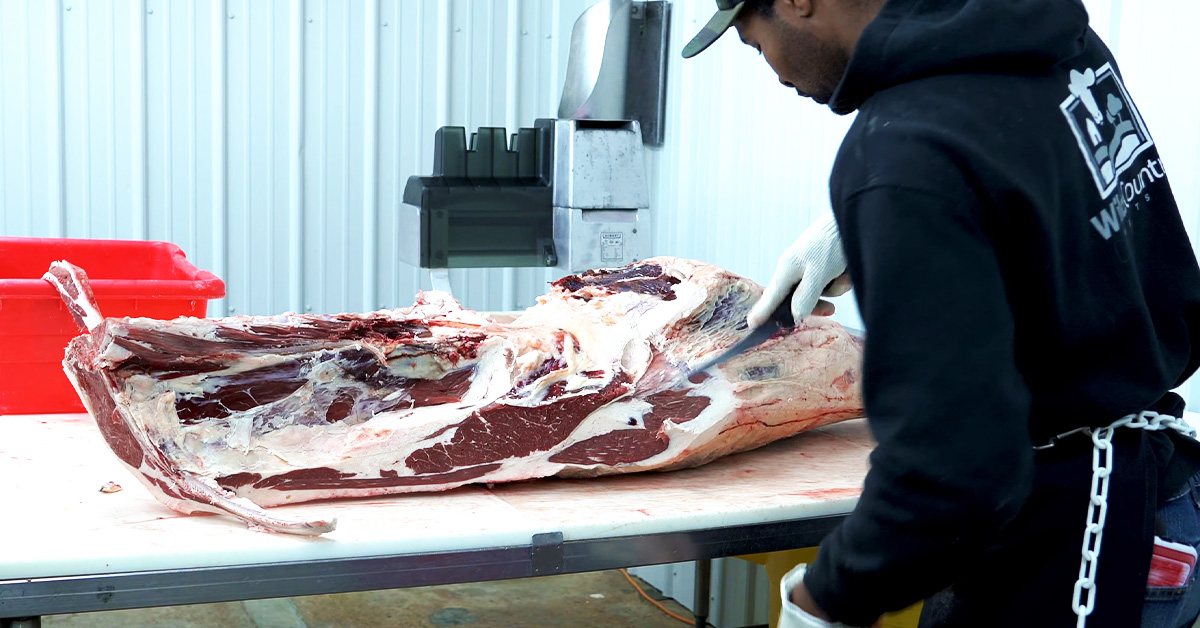
Steak Cuts
The steak cuts are the highlight of your order and offer great flexibility. Here’s what typically comes with a half cow:
- Ribeye steaks: 12–16
- NY strip steaks: 10–14
- Filet mignons: 6–8
- Top sirloin steaks: 6–10
- Flat iron steaks: 2–4
- Denver steaks: 2–4 (requires seam butchery, which may reduce your chuck roast quantity)
In addition, you’ll receive one flank steak, two skirt steaks, and half a hanger steak.
For thickness, the default is a 1-inch cut, but you can request 1.25–1.5 inches for a heartier, steakhouse-style portion. Packaging can also be customized: pairs or sets of four are common options.
Roasts and Large Cuts
The roasts make up a significant portion of your order and can be tailored to your preferences. Here’s what you’ll typically receive:
- Chuck roasts: 4–6
- Arm roasts: 2–3
- Sirloin tip roasts: 1–2
- Tri-tip: 1
- Whole brisket: 8–14 pounds
Many customers prefer 3-pound roasts, as they fit well in standard slow cookers. Chuck and arm roasts are best braised for 3–4 hours to achieve tenderness, while tri-tip can be grilled or smoked whole. Not into brisket? You can request it to be ground into burger meat instead.
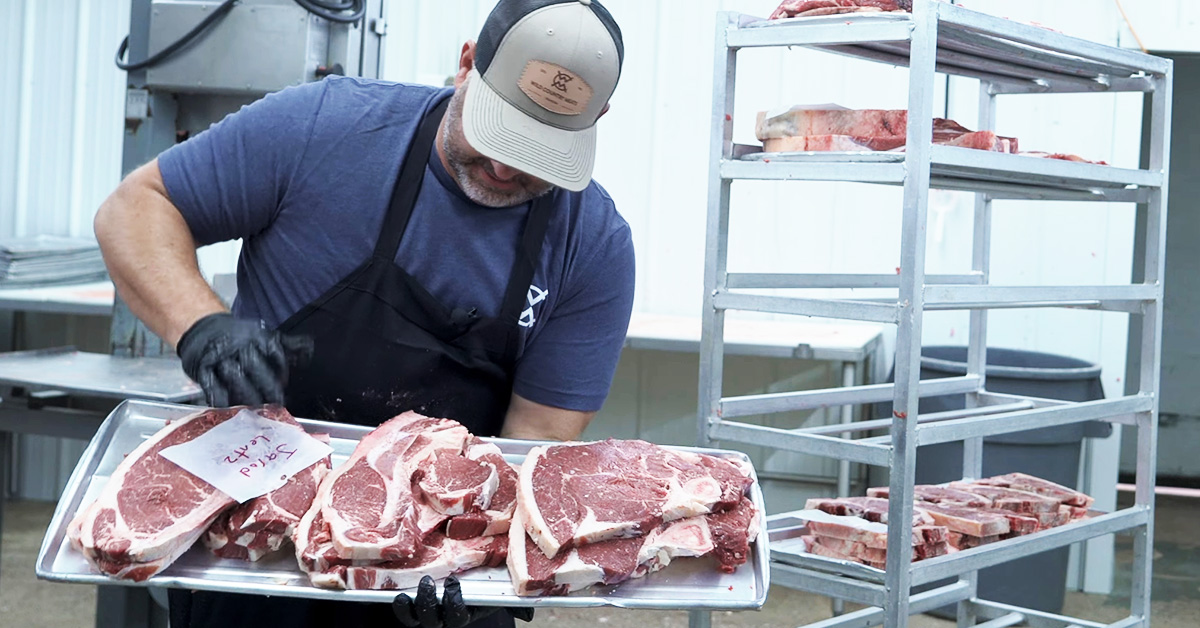
Ground Beef and Other Cuts
Ground beef is the catch-all for trim, tougher cuts, and any roasts you decide to skip. A half cow typically yields 80–120 pounds of ground beef, which is packaged in 1- or 2-pound portions.
Other cuts include:
- Short ribs: 4–6 packs (about 3–5 pounds total)
- Stew meat: 5–10 pounds (optional)
Don’t forget to check the "extras" section on your cut sheet. Soup bones, marrow bones, and organ meats (like liver, heart, and tongue) are often included for free but will be discarded if you don’t specifically request them. These extras provide even more ways to make the most of your half cow order.
How to Customize Your Order
When you place a half cow order, the processor will provide you with a cut sheet. This form lets you specify how you’d like your beef cut and packaged. You can choose steak thickness, packaging sizes, and extras like soup bones or organ meats.
"A beef cut sheet is a form you fill out telling the butcher exactly how to process your half or whole cow. You decide: thick or thin steaks? Big or small roasts? How much ground beef? It’s your cow, your way." – Tom Hartley, Small Farm Advocate
We suggest submitting your cut sheet 1–2 weeks before the slaughter date to ensure the processor can meet your preferences. If this is your first time, ask for a "default cut sheet" and adjust it based on your cooking habits. Below, we’ll walk you through key decisions like steak thickness, packaging, and specialty cuts.
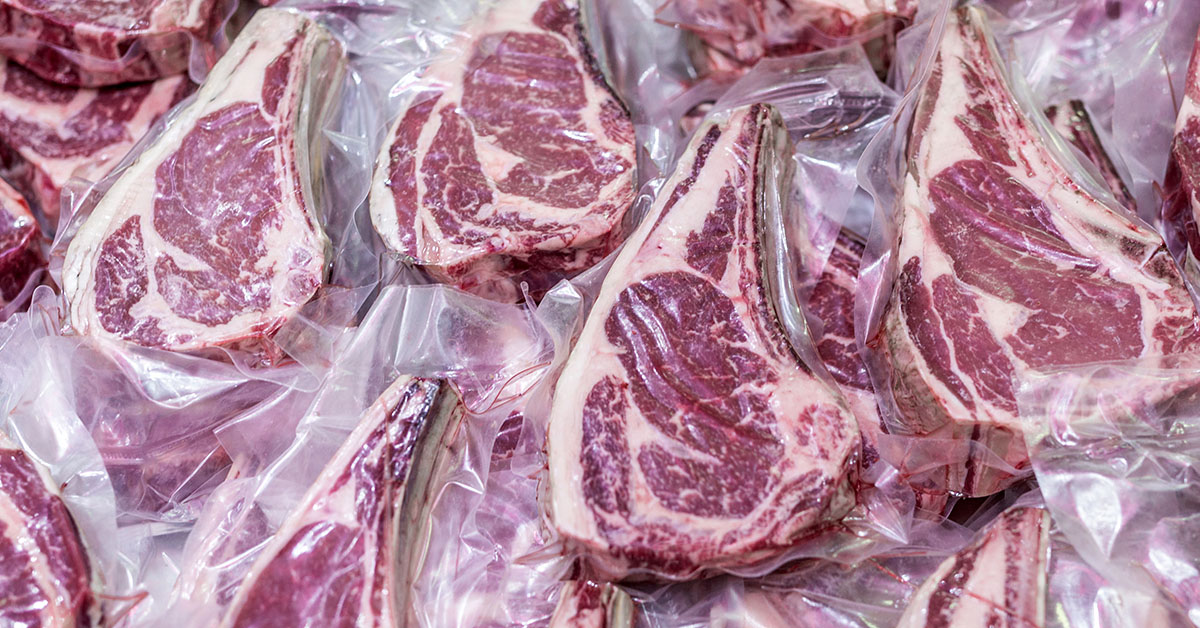
Choosing Cut Thickness and Package Sizes
Once you’ve got your cut sheet, it’s time to think about steak thickness and packaging. Most processors offer four standard steak thicknesses: 3/4 inch, 1 inch, 1.25 inches, and 1.5 inches. The 1-inch cut is a popular choice because it’s versatile, but if you enjoy grilling or reverse searing, thicker cuts like 1.25 or 1.5 inches can give you that steakhouse feel. Keep in mind, thicker cuts mean fewer steaks overall.
For packaging, you can decide how many steaks to include per vacuum-sealed pack. Options usually include:
- 1 steak per pack: Great for flexibility when thawing.
- 2 steaks per pack: Ideal for couples.
- 4 steaks per pack: Perfect for family dinners.
The same logic applies to ground beef. Opt for 1-pound packs for quick thawing and the ability to combine them for larger meals. When it comes to roasts, sizes typically range from 2 to 4 pounds. Many people find that 3-pound roasts are a sweet spot – they fit most slow cookers and work well for a variety of recipes.
Adding Special Items
You can make your order even more personal by including specialty items. Ask about options like cross-cut shanks, stew meat, kabob cubes, suet, beef cheeks, or oxtail. Make sure to confirm availability with the processor at least 1–2 weeks in advance. These items can open up opportunities to try new dishes and add variety to your meals.
Pricing and Cost Comparison
Half Cow Price
The cost of a half cow starts at , calculated based on the hanging weight. This weight refers to the carcass after slaughter but before being divided into individual cuts. A typical half cow has a hanging weight of 325 to 400 pounds, which translates to about 200–250 pounds of finished meat.
When you purchase a half cow, the total cost includes the meat itself, processing fees (ranging from $0.75 to $1.50 per pound of hanging weight), and a kill fee that varies between $50 and $150. In 2026, the total price usually falls between $1,500 and $3,500, which breaks down to approximately $6 to $10 per pound of delivered meat. This approach offers a cost-effective alternative to traditional retail pricing.
How Much You Save
Buying a half cow is a great way to stretch your dollar. You get access to premium cuts like ribeye and filet mignon at the same per-pound price as ground beef. For comparison, grocery store prices for ribeye average $16 to $22 per pound, while filet mignon can range from $25 to $35 per pound. With a half cow, those same cuts cost just $6 to $10 per pound on average.
"Buying half a cow saves 30-50% compared to grocery store prices. You’re essentially getting ribeye at ground beef prices – but you have to buy the whole animal." – Tom Hartley, Small Farm Advocate
Most families find they recoup their investment within 3 to 6 months compared to retail prices. Beyond the savings, stocking up your freezer with a single large purchase means fewer trips to the store, saving you time as well. On average, the total savings per half cow purchase fall between $500 and $1,000, making this a practical option for families with freezer space and a regular appetite for beef.
Preparation and Logistics
Freezer Space Needed
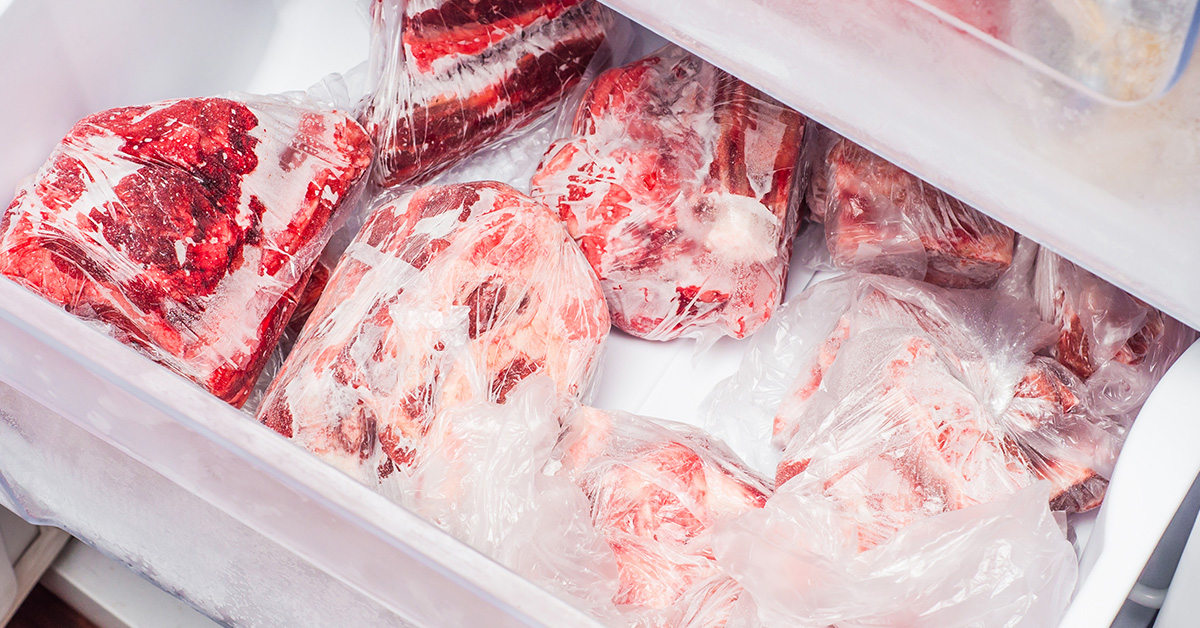
You’ll need 8–10 cubic feet of freezer space to store 200–250 lbs of meat. While a 7-cubic-foot chest freezer can technically hold that amount, a 10-cubic-foot freezer makes it easier to organize your cuts and leaves room for other items. This added space helps keep your meat safely stored and accessible for meal planning.
Chest freezers are the better choice for bulk meat storage. They are more energy-efficient, cost less to operate, and maintain cold temperatures more effectively when opened. A reliable chest freezer typically costs between $200 and $400. Make sure to plug it in at least a week before your meat arrives to ensure it’s fully chilled and ready.
What Hanging Weight Means
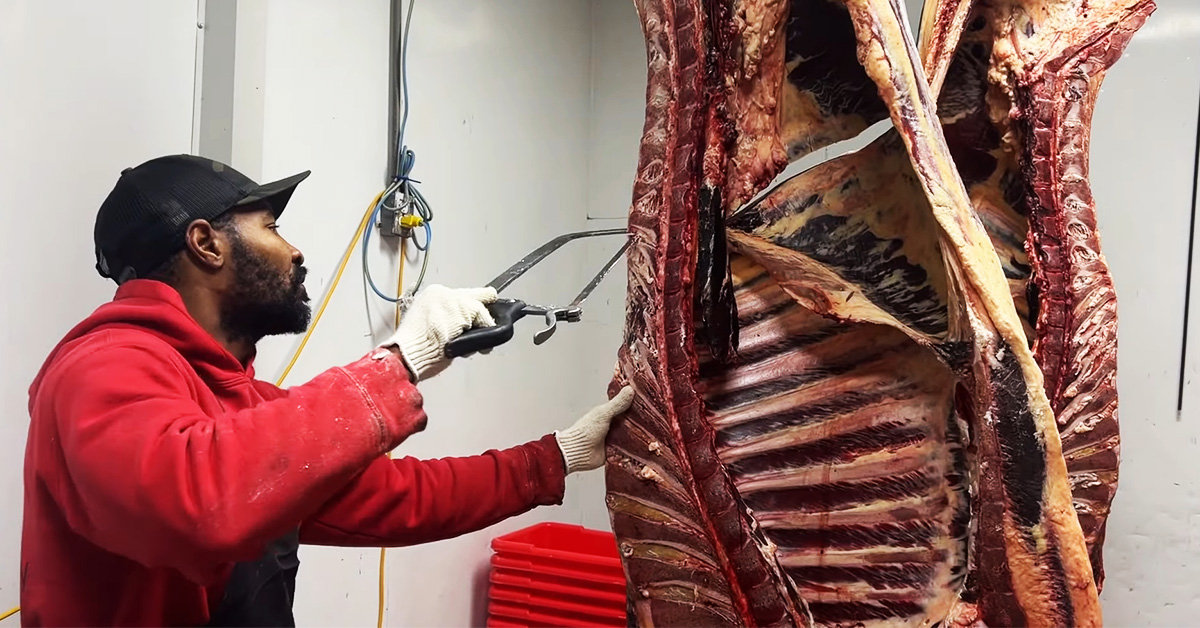
Hanging weight, or "dressed weight", refers to the carcass weight after slaughter and evisceration but before cutting into individual portions. This is the weight used to calculate your total cost. However, you won’t receive the full hanging weight. After trimming, bone removal, and moisture loss during aging, you’ll take home about 60–65% of the hanging weight.
For example, a 350-lb hanging weight will yield approximately 210–228 lbs of packaged meat. The reduction comes from removing bones, excess fat, and moisture evaporation during the 10- to 21-day aging process. Keep in mind, the cost per pound of take-home meat will be higher than the hanging weight price since you’re also paying for the parts that don’t make it into your freezer.
Once you’ve got a handle on freezer space and weight calculations, it’s time to figure out how to get your order home.
Getting Your Order Delivered or Picked Up
Once your meat is processed and packaged, it’s ready for transport. We offer delivery within a 50-mile radius of Cleveland, OK, covering areas like Tulsa, Broken Arrow, and Stillwater, for a small fee. Alternatively, you can pick up your order from one of our two locations in Hominy or Cleveland. For added convenience, the Cleveland store features a drive-thru option if you’d rather stay in your vehicle.
If you’re picking up your order, bring along coolers and heavy blankets to insulate the vacuum-sealed packages during transport. Although the meat will be frozen solid, proper insulation ensures it stays at the right temperature until you can transfer it to your freezer. We’ll provide details about your processing date and pickup window ahead of time so you can plan accordingly.
Conclusion
Main Points to Remember
By ordering a half cow, you’ll receive 200–250 lbs of premium, vacuum-sealed beef. This includes customizable options for steak thickness, roast sizes, and ground beef packaging. On top of that, you can save 30–50% compared to grocery store prices while planning meals for up to 14 months. Your order will include a variety of cuts, such as ribeyes, NY strips, filets, roasts, and 80–120 lbs of ground beef. Plus, you can request specialty items like soup bones, marrow bones, and organ meats.
How to Place Your Order
If you’re ready to stock your freezer with high-quality beef, visit our side of beef product page to place your order. The price is per pound (hanging weight). To secure your share, simply make a deposit, submit your cut sheet 2–4 weeks before processing, and choose either delivery (available within a 50-mile radius of Cleveland, OK) or pickup at our Hominy or Cleveland locations.
Have questions? We’re here to help!
Watch this video for more details.
FAQs
How long will a half cow last my family?
A half cow yields around 200–250 pounds of meat. For many families, this supply can stretch over several months, depending on portion sizes and how frequently beef is part of their meals.
What cut-sheet choices change the final mix of cuts?
When deciding on cut-sheet options, several factors influence the mix of cuts you’ll receive. For instance, steak thickness typically ranges from 3/4 inch to 1.5 inches, while roasts are often sized between 2 to 4 pounds. Ground beef is commonly packaged in 1- to 2-pound portions.
Additionally, you can request extras such as soup bones, organ meats, or stew meat. Keep in mind, though, that adding these options may shift the balance of steaks, roasts, and ground beef in your order.
How do I plan pickup and transport home safely?
To transport your half cow safely, make sure you have 8–12 cubic feet of freezer space prepared at home. For pickup, use a large SUV or truck to accommodate the load. Pack insulated coolers or blankets to help keep the meat frozen during the trip. Once home, immediately transfer the packages to your freezer to preserve their quality and ensure safety.