
Breakfast sausage is one of those products that sounds simple until you start paying attention to what actually goes into it. For shoppers who care about ingredient transparency, meat quality, and how their food is made, the difference between an average sausage and a memorable one often comes down to a few basic choices: the cut of meat, the mix, and the grind.
In the video, the maker walks through a straightforward process for homemade breakfast sausage built around pork shoulder, seasoning, and careful handling. On the surface, it is a short demonstration. But underneath that, it reveals something more important: a practical standard for what many meat buyers are looking for today – full-muscle meat, minimal additives, and consistency from batch to batch.
This article breaks down that process, explains why each step matters, and adds context for readers who want to better understand what separates high-quality sausage from heavily processed alternatives.

The Core Idea: Good Sausage Starts With Good Meat
The strongest message in the video is also the simplest: the sausage begins with whole muscle pork shoulder, not miscellaneous trimmings or fillers.
That matters because sausage quality is often judged first by flavor, but flavor is tied closely to raw material. Pork shoulder is a natural fit for breakfast sausage because it offers:
- A balanced ratio of lean meat and fat
- Enough structure for a satisfying texture
- Rich pork flavor without needing excessive additives
- Reliable performance during grinding and mixing
The speaker emphasizes that the batch contains full muscle cuts only, making a clear distinction between clean, recognizable meat and lower-value byproducts. For an audience that values knowing where food comes from, that transparency is not just a selling point – it is part of trust.

sbb-itb-5ae85c5
Step 1: Start With Pork Shoulder and Chunk It for Grinding
The first phase is prep work: the pork shoulder is cut into smaller pieces and loaded into tubs in measured amounts.
Why this step matters
Chunking meat before grinding is more than a convenience. It helps create:
- Even feed into the grinder
- More consistent particle size
- Better seasoning distribution later
- Smoother workflow when producing larger batches
In the video, the sausage is prepared in sizable quantities, with the maker filling lugs to a defined weight before moving on. That suggests a disciplined process rather than a casual mix-and-guess approach.
For readers used to processing deer, hogs, or freezer livestock, this point will sound familiar: when your batches are measured carefully from the start, your final product tends to be more uniform. That consistency is especially important in breakfast sausage, where people expect the same flavor and texture every time they cook a patty.
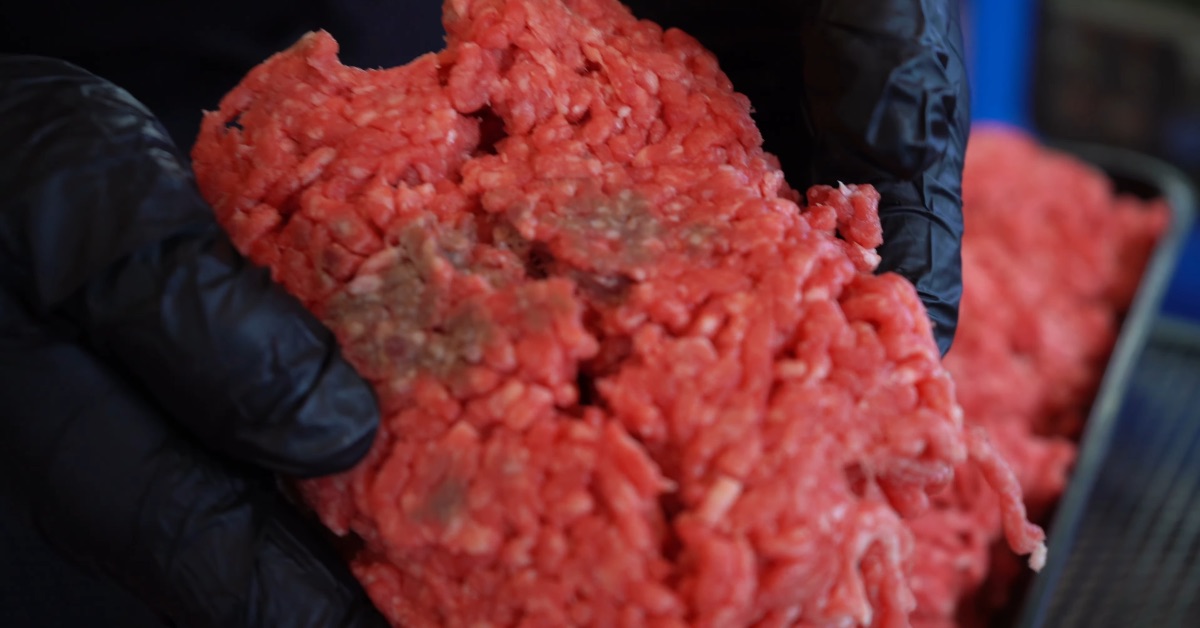
Step 2: Add Seasoning and Mix Until the Meat Becomes Sticky
After the pork is chunked and combined, seasoning is added and the mixture is worked until it develops a sticky texture.
This is one of the most useful details in the video because it highlights a key part of sausage making that many home cooks overlook.
What "mix until sticky" actually means
When ground meat is mixed thoroughly, the salt and mechanical action help extract proteins from the muscle. Those proteins act like a natural binder. As they develop, the mixture becomes tacky or sticky to the touch.
That stickiness is important because it helps the sausage:
- Hold together during cooking
- Deliver a more cohesive bite
- Distribute seasoning more evenly
- Avoid a crumbly or loose texture
In other words, this is not just mixing for the sake of mixing. It is a texture-building step.

No added water or ice
One detail the speaker makes a point to mention is that no water or ice is added. According to the video, the formula is simply pork and seasoning.
That is notable because some sausage processes include water or ice for temperature control, emulsification support, or yield management. None of that is presented here. Instead, the method leans on the natural qualities of the pork shoulder and the mixing process itself.
It is worth adding one clarification: the video does not claim that all water-added sausage is inherently poor quality. Rather, it presents this particular sausage as intentionally straightforward and minimally altered. For consumers who prefer a short ingredient list, that simplicity can be appealing.
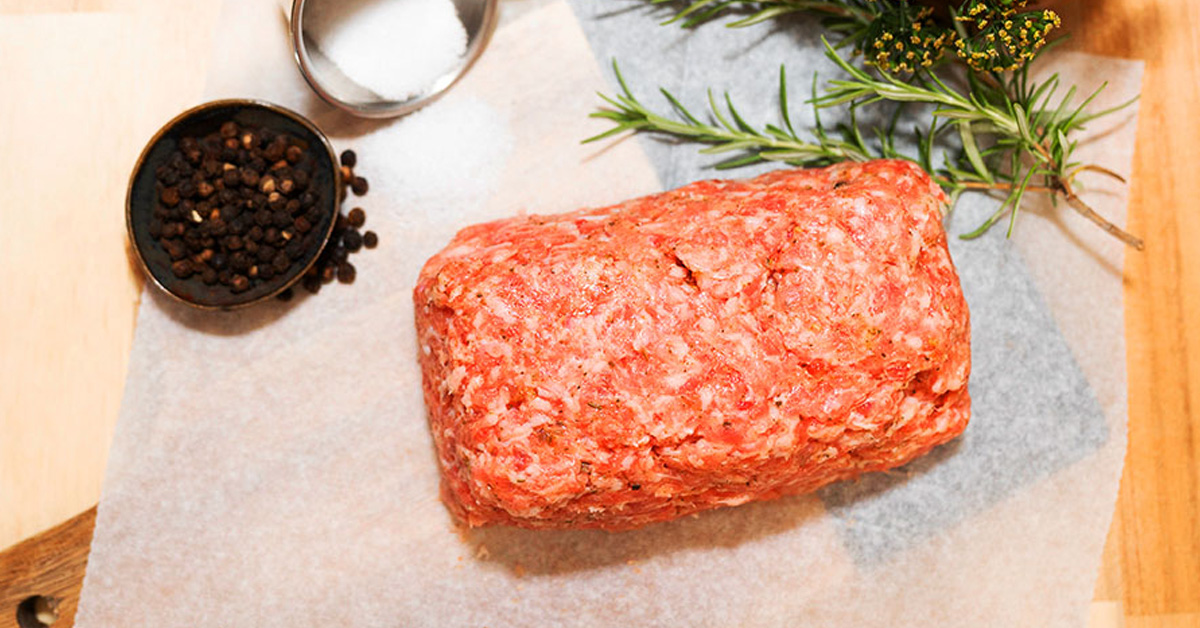 Step 3: Grind, Re-Mix, and Check the Batch
Once the seasoned meat has been mixed, it is run through a grinder using a coarse plate. Then it is mixed again, and the plate size is changed for the next stage.
This suggests a two-part texture approach rather than a single-pass grind.
Why the grind size matters
Grind size shapes the eating experience of sausage more than many people realize.
A coarse plate typically gives you:
- More visible meat definition
- A meatier, less paste-like bite
- Better texture for rustic breakfast sausage
- A more natural look in the finished product
A finer grind can create a smoother texture, but if taken too far, it can make breakfast sausage feel dense or overly processed. The video’s process appears to use grind size strategically to control final texture.
Because the exact plate measurements are not specified in the video, we cannot say precisely how coarse or fine each stage is. But the process clearly shows that plate selection is part of quality control, not an afterthought.
The second mix: why it helps
After grinding, the meat is mixed again. That extra step likely helps:
- Finish seasoning distribution
- Improve bind
- Standardize the texture before packaging or bulk handling
For anyone making sausage at home, this is a good reminder that the finished product depends on more than just what goes into the grinder. Proper mixing before and after grinding can noticeably affect the result.

Quality Control Is Not Optional
One of the most practical moments in the video is the batch check. The maker samples the sausage to confirm the seasoning is right before the product moves on.
That is an important habit, especially in larger batches.
Why tasting each batch matters
Seasonings can vary in perception depending on:
- Fat content in the meat
- Temperature of the mixture
- Batch size
- Mixing thoroughness
Even with a standard blend, taste-testing is one of the best ways to confirm consistency. For processors, hunters, and home sausage makers, this is a valuable takeaway: a recipe on paper is not the same as a finished product in the pan.
Checking each batch before final packing helps catch small differences before they become a freezer full of disappointment.

What This Process Says About Ingredient Transparency
The video repeatedly circles back to one major point: the sausage is made from pork shoulder and seasoning, with no organ meat, no byproducts, and no added water or ice.
That statement matters because sausage has long occupied two worlds at once:
- A traditional craft product made from skillful use of meat and seasoning
- A heavily industrialized product that can include fillers, binders, and lower-value inputs
This video positions the sausage firmly in the first category. Whether you raise hogs, buy in bulk, or simply care about what lands on the breakfast table, that distinction has real value.
For many Oklahoma families and rural buyers especially, food quality is not just about labels. It is about common-sense questions:
- What cut did this come from?
- What was added to it?
- Does it cook and taste like real meat?
The process shown in the video answers those questions clearly.

Why Pork Shoulder Is Such a Strong Choice for Breakfast Sausage
If there is one cut that quietly does a lot of work in sausage making, it is pork shoulder.
Benefits of pork shoulder in sausage
Pork shoulder is well suited to breakfast sausage because it offers a dependable combination of:
- Flavor: enough richness to stand up to seasoning
- Fat: essential for moisture and mouthfeel
- Texture: ideal for coarse or medium grinding
- Versatility: works for patties, bulk packs, and custom blends
Using shoulder also signals intentionality. It is not just "pork" in the generic sense. It is a specific cut chosen because it performs well.
That level of specificity is meaningful for customers who buy meat with purpose – whether they are stocking a freezer, planning family breakfasts, or feeding hunting camp.

What the Video Does Well – and What It Leaves Unsaid
A transformative article should do more than summarize, so it is worth evaluating the video itself.
What the video communicates effectively
The demonstration is strongest in three areas:
- Ingredient transparency: viewers see the actual raw meat
- Process clarity: the three-step flow is easy to follow
- Confidence in product quality: the maker emphasizes what is included and what is not
Those are exactly the kinds of signals that build credibility with meat-savvy audiences.
What is not specified in the video
There are also limits to what is shown. The video does not specify:
- The exact seasoning blend
- The grinder plate sizes
- The fat percentage
- The target finished texture
- Cooking or storage guidance
- Food safety temperatures or sanitation steps
That does not reduce the value of the demonstration, but it does mean viewers should treat it as a quality-focused overview rather than a complete technical recipe.

Key Takeaways
- High-quality breakfast sausage starts with full-muscle meat, and pork shoulder is a strong choice because it balances flavor, fat, and texture.
- Chunking meat evenly before grinding improves consistency and helps the grinder run more smoothly.
- Mixing until the meat becomes sticky is essential because it builds the natural bind that holds sausage together during cooking.
- A simple ingredient list can be a meaningful quality marker, especially for buyers who prefer meat products without extra water, ice, or fillers.
- Grind size directly affects texture, so choosing the right plate matters if you want sausage that feels hearty rather than overly processed.
- Re-mixing after grinding can improve uniformity, helping seasoning and texture stay consistent across the batch.
- Taste-testing each batch is a smart quality control step and can prevent seasoning issues before the sausage is packaged or frozen.
- If you buy sausage regularly, ask what cuts are used and whether the product includes added fillers or byproducts.
- If you make sausage at home, focus on process as much as seasoning – the best flavor can still disappoint if the texture is off.
Final Thoughts
The value of this sausage-making video is not that it presents a complicated method. It is almost the opposite. Its strength is in showing how a good product can come from a clean, disciplined process built around solid raw ingredients.
For buyers who care about local food, freezer meat, and trustworthy preparation, that message lands. A breakfast sausage does not need a long list of ingredients or a heavily engineered formula to be impressive. It needs quality pork, a thoughtful seasoning blend, proper mixing, and attention to texture.
In that sense, the video offers more than a quick demonstration. It serves as a useful reminder that when it comes to sausage, simplicity only works when the fundamentals are done well.