
We have found that resting meat after cooking is the secret to keeping it tender and juicy. Skipping this step can lead to dry meat and juices spilling all over your cutting board. Here is why: when meat rests, its muscle fibers relax, reabsorbing juices that would otherwise be lost. Studies show that rested meat can lose up to 60% less juice compared to slicing it immediately.

Resting also allows for carryover cooking, where the internal temperature rises by 5°F to 25°F, helping you hit your target doneness without overcooking. The key is knowing the right resting times: smaller cuts like steaks need just 5–10 minutes, while larger cuts like roasts or turkeys benefit from 15–45 minutes.
Let us show you how to master this simple yet powerful technique.
The Science Behind Resting Meat
How Muscle Fibers Relax and Reabsorb Juices
Cooking meat triggers a fascinating process. Heat causes muscle proteins like myosin and actin to contract, squeezing water out of the fibers and into the spaces between them. This is why meat tends to lose moisture during cooking. High heat increases the internal vapor pressure, further pushing juices outward.
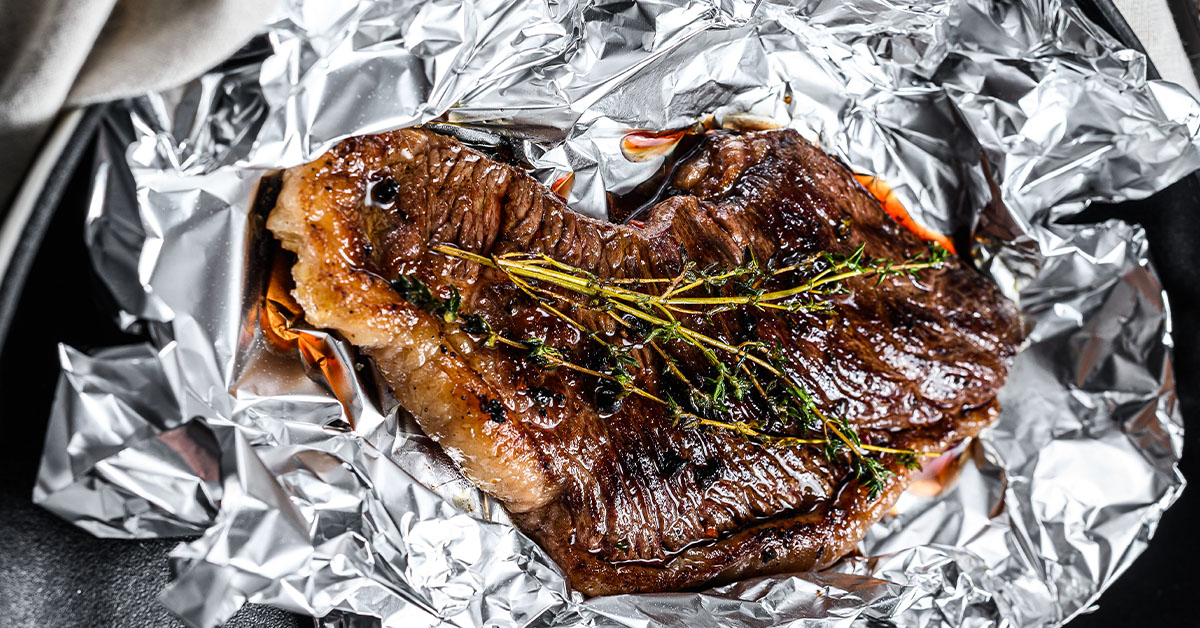
Resting, however, allows the meat to recover. As it cools, the muscle fibers relax and widen, while proteins and fats thicken. This reduces pressure on the liquid, keeping the juices from spilling out. Thicker juices are far less likely to end up on your cutting board. For example, a pork loin rested for just 10 minutes can reduce moisture loss by 60% compared to slicing it immediately.
"The water doesn’t move outward, it simply stops being squeezed so hard." – Headcount Coffee
Experiments in test kitchens back this up. Steaks sliced immediately after cooking lose about 9% of their weight in juices. But if you let them rest, that loss drops to just 2%. This small change makes a huge difference in juiciness and flavor.
Carryover Cooking and Temperature Distribution
Resting meat does more than just retain juices; it also stabilizes the internal temperature. One key factor here is carryover cooking. After removing meat from heat, residual warmth from the exterior continues to cook the cooler center through conduction. This process continues until the meat’s temperature evens out.

During this time, the internal temperature can rise significantly. For larger cuts like roasts or whole poultry, the increase can range from 10°F to 18°F. To avoid overcooking, you should pull the meat from the heat when it’s 5°F to 15°F below your target final temperature.
"As long as there is a difference between the outside and inside temperatures of a cut of meat, heat will continue to travel inward." – America’s Test Kitchen
sbb-itb-5ae85c5
Resting Times for Different Cuts
Thin Cuts: Steaks and Chops
When it comes to steaks and chops, resting for 5 to 10 minutes helps the juices redistribute evenly. A good rule of thumb is to rest the meat for half its cooking time. During this period, carryover cooking can raise the internal temperature by 3–8°F, so it’s best to pull the steak off the heat when it’s 5–10°F below your target. Using a thermometer ensures accuracy, and the meat is typically ready to slice once the center reaches about 120°F.
"If you allow the meat to rest just 10 minutes, it could mean a 60 percent decrease in juices lost to the cutting board." – Dan Souza, Editor in Chief, Cook’s Illustrated
For thicker or irregularly shaped cuts, the resting requirements differ slightly to ensure even results.
Medium Cuts: Chicken Breasts and Pork Chops
Chicken breasts need a 5 to 10-minute rest, while larger or thicker pieces, especially when baked or roasted, benefit from 8 to 15 minutes. Similarly, pork chops require 5 to 10 minutes for the muscle fibers to relax and juices to redistribute effectively.

For medium-sized roasts, like a 1-pound pork loin, resting for 10 to 20 minutes is ideal. Always remove chicken and pork from heat when they are 3–5°F below the target temperature to account for carryover cooking.
As the size of the meat increases, the resting time becomes more critical to ensure even temperature and optimal tenderness.
Large Cuts and Whole Poultry
Larger cuts demand more patience. A whole chicken should rest for 15 to 20 minutes, while turkeys need at least 30 minutes. For turkeys over 18 pounds, resting up to 45 minutes can make a noticeable difference. Beef, lamb, or pork roasts should rest for 15 to 30 minutes, with prime rib occasionally needing as long as 45 minutes to reach the ideal internal temperature of around 120°F.

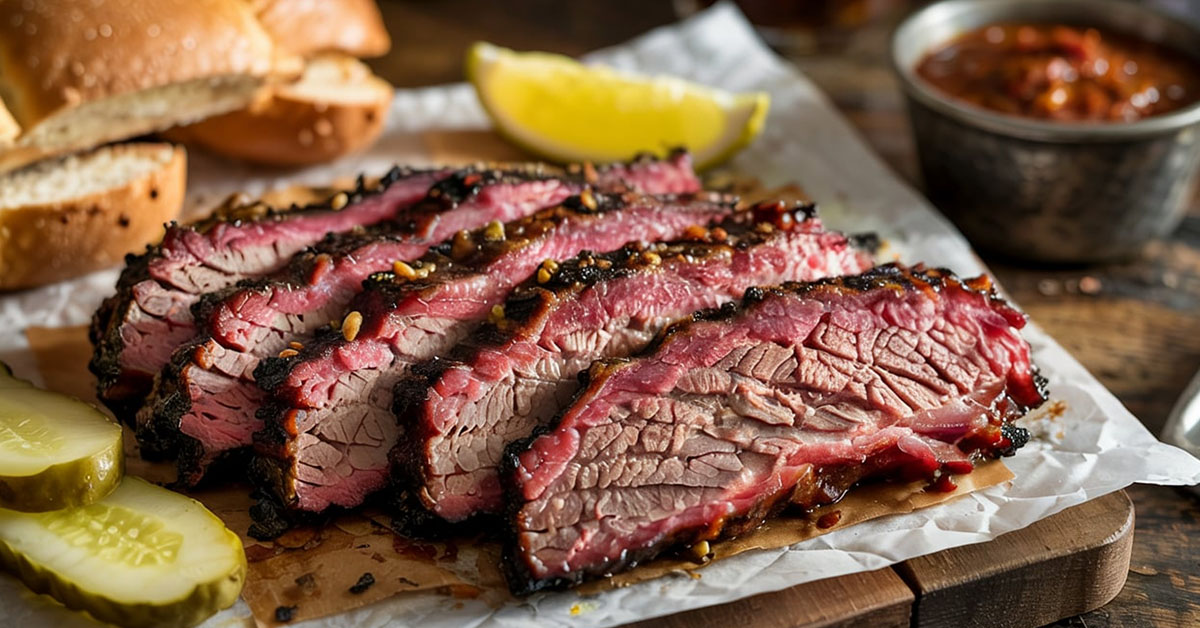
BBQ cuts like brisket and pork butt take resting to another level. These cuts should rest for at least one hour, and for larger portions, up to two hours. Many pitmasters wrap brisket in butcher paper or foil and place it in an insulated cooler (without ice) to maintain the temperature during this extended rest. Carryover cooking in large cuts can raise the internal temperature by 9–18°F for roasts and turkeys, and up to 22°F for brisket. To account for this, remove these cuts from heat when they are 9–18°F below the final target temperature. This prolonged rest ensures the juices settle, giving the meat maximum flavor and tenderness.
"If you rest it, it allows everything to relax and redistribute the juices, which creates a more tender, juicier cut." – Angie Mar, Executive Chef and Co-owner, Les Trois Chevaux
How to Rest Meat Properly
Best Practices for Resting
When it comes to resting meat, preparation starts before you even take it off the heat. Pull the meat off the heat source when it’s 5°F to 15°F below your desired final temperature. This allows for carryover cooking, where the internal temperature continues to rise, ensuring you hit your target doneness without overcooking.
The approach varies depending on the cut. For larger roasts or whole poultry, loosely tent the meat with aluminum foil. Just drape the foil – don’t seal it around the edges. Sealing traps steam, which can ruin the crispy crust or skin you’ve worked hard to achieve. For smaller cuts like steaks and chops, skip the foil entirely. These cuts cook quickly, and covering them might trap too much heat, pushing them past your ideal temperature.

Keep the meat in a warm spot, like on top of the stove or near the grill (but not directly on it). To keep the serving temperature steady without further cooking, try warming your cutting board by running hot water over it for a few seconds. This simple trick helps lock in the juices and ensures the texture stays just right.
To monitor progress, use an instant-read thermometer to track the internal temperature during resting. Once the meat reaches your target temperature, it’s time to slice and serve. Keep in mind that carryover cooking varies depending on the size of the cut and the cooking method.
Mistakes to Avoid
Even with the right techniques, a few common missteps can ruin your perfectly cooked meat.
One major mistake is slicing the meat too soon. Cutting into it right off the heat releases too much juice – up to 9% of the meat’s weight – compared to only about 2% for properly rested meat. Another error is over-tenting small cuts. For instance, 1.5-inch thick chops can reach their target temperature in under three minutes due to carryover cooking. If tightly wrapped and left to rest for 10 minutes, they’ll likely overcook and dry out. Smaller cuts need airflow, not insulation.
Lastly, don’t let the meat rest for so long that it cools down. While larger BBQ cuts like brisket can rest for 1 to 2 hours in a cooler, smaller cuts are best served once they hit around 120°F. At this point, the meat is still hot, and the muscle fibers have relaxed enough to retain their juices, ensuring a flavorful and satisfying bite.
How Resting Improves Flavor, Texture, and Presentation
Juiciness and Tenderness
Resting meat isn’t just a culinary tradition; it’s a science-backed method to preserve flavor and texture. In June 2022, Dan Souza and the team at America’s Test Kitchen demonstrated this with a controlled test on boneless pork loins roasted to 140°F. When sliced immediately, the meat lost 10 tablespoons of juices, compared to just 4 tablespoons after a 10-minute rest.

The difference is striking – not only on the cutting board but also in every bite. As meat cools, its juices thicken and bind to the muscle fibers instead of pooling on your plate. J. Kenji López-Alt’s research adds more weight to this idea. In a study comparing steaks cooked to 125°F, he found that slicing immediately caused a 9% weight loss in juices, whereas resting for 10 minutes reduced the loss to just 2%.
This resting process does more than preserve juices. It also enhances the overall flavor and presentation of the meat.
Flavor and Appearance
Resting meat doesn’t just keep it juicy; it also improves how it looks and tastes. When meat is sliced too soon, excess liquid drains away, taking moisture and flavor with it. On the other hand, rested meat firms up, making it easier to cut into clean, even slices with a beautiful rosy interior. Meat sliced immediately often looks gray and dry, which doesn’t do justice to the dish.

Allowing the meat to cool until the center reaches around 120°F gives the muscle fibers time to relax and hold onto their juices. This simple step can help the meat retain up to 20% more total juices compared to slicing straight off the heat. The result? A dish that not only tastes better but also looks more appetizing on the plate.
Does Resting Meat Matter? | Techniquely with Lan Lam
Conclusion and Key Takeaways
Resting meat isn’t just a nice-to-have step; it’s a game-changer for flavor, texture, and appearance. By letting the meat rest, you can reduce juice loss by up to 60% and ensure a better overall dining experience. It all comes down to managing temperature. As Daniel Gritzer, Editorial Director at Serious Eats, puts it:
"Resting meat is best understood as a method of temperature control, not juice retention".
The trick? Pull the meat off the heat when it’s 5–15°F below your target temperature. This allows carryover cooking – the gentle rise in internal temperature after cooking – to finish the job. During this time, the muscle fibers relax, and the juices redistribute, resulting in a tender, juicy bite.
Key Takeaways
- Pull early: Remove meat from heat a few degrees before your target temperature. Carryover cooking can raise the internal temperature by 3–18°F, depending on the cut.
- Resting times matter: Thin cuts like steaks and chops need 5–10 minutes, medium roasts or whole chickens benefit from 15–20 minutes, and large turkeys should rest for 30–45 minutes.
- Temperature check: Let the meat cool to around 120°F before slicing for the best results.
- Foil tenting: For larger roasts, loosely tent with foil. This retains heat without trapping steam that could ruin a crispy crust.
- Patience pays off: Slicing too soon leads to juice loss and impacts texture, so give the meat the time it needs.
FAQs
Do I need to rest meat if I cooked it sous vide?
When it comes to sous vide-cooked meat, resting typically isn’t needed. The precise, even cooking process ensures minimal juice redistribution. That said, if you’re planning to sear the meat afterward, taking a short rest can enhance both texture and flavor. Many chefs suggest this additional step to achieve the best possible results.
Should I rest meat covered or uncovered?
For the best outcome, we recommend resting meat under a loose cover of foil. This approach helps keep the heat in while avoiding too much moisture buildup, which can make the crust or skin lose its texture. Be careful not to wrap the meat too tightly, as this can trap excess steam and negatively impact its texture.
How do I keep meat hot while it rests?
To keep meat warm while it rests, we recommend loosely tenting it with foil. This simple step helps hold in heat while preventing steam from building up, which could make the crust or skin lose its crispness. Be careful not to crimp the foil tightly around the edges, as this traps steam and softens the texture you worked hard to achieve.