
When choosing meat, two key qualities often come up: marbling and tenderness. These terms are not the same, and understanding their differences can help you make better decisions for your meals.
- Marbling: Refers to the white streaks of fat within the meat. It impacts flavor, juiciness, and overall richness when cooked. More marbling typically means a more flavorful and moist result.
- Tenderness: Focuses on texture – how easy the meat is to chew. It’s determined by factors like the animal’s age, muscle usage, and cooking methods.
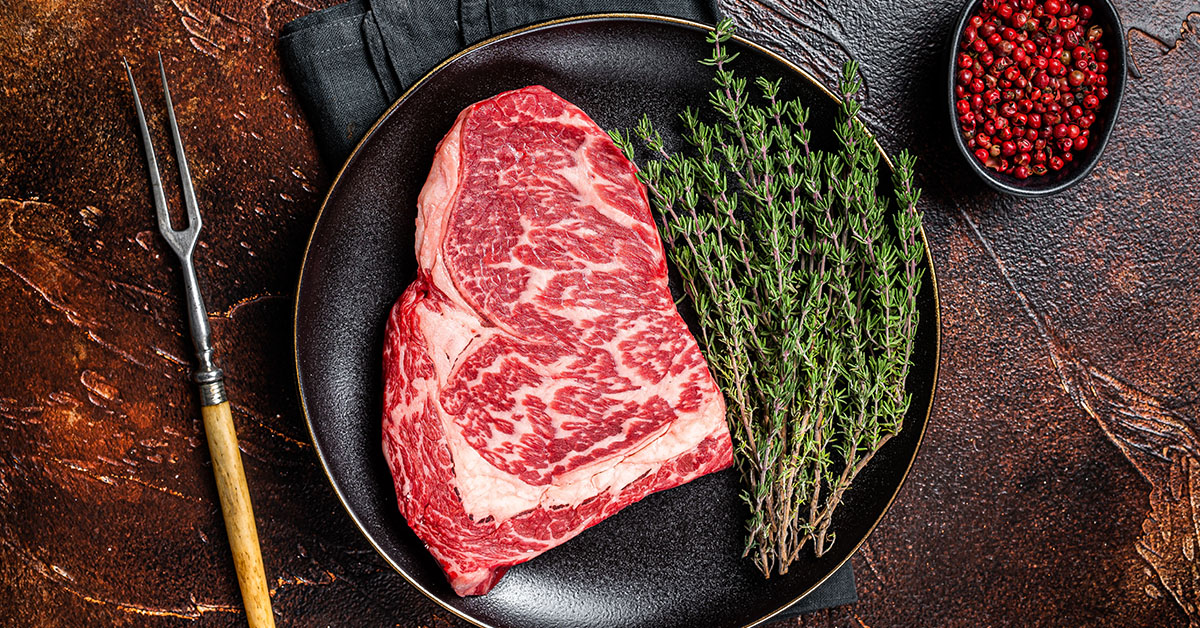
Key Takeaway: Marbling adds flavor and moisture, while tenderness ensures a pleasant eating experience. A steak can have great marbling but still be tough if not processed or cooked properly. Conversely, even lean cuts can be tender with the right preparation.
Quick Comparison
| Factor | Marbling | Tenderness |
|---|---|---|
| Definition | Visible fat streaks in the muscle | Ease of chewing and texture |
| Impact | Adds flavor and juiciness | Affects eating experience |
| Main Factors | Genetics, feed, and grading | Muscle use, age, and cooking |
| Visible? | Yes, in raw meat | No, only evident when eating |
Knowing how marbling and tenderness interact can help you select the best cut for your needs. For the richest flavor, choose cuts with good marbling. For easy chewing, focus on factors like aging and cooking techniques.
Steak Marbling 101 – Find the Perfect Steak
What is Marbling?
Marbling refers to the intramuscular fat that appears as white streaks or flecks within the muscle tissue of meat. This fat forms distinctive patterns, giving marbling its name. It’s a key factor in determining the quality and appeal of meat.
Marbling is most noticeable in beef, especially in high-end cuts like ribeye, strip steaks, and tenderloin. Unlike external fat, marbling is nestled within the muscle fibers, forming an intricate web that can’t be separated from the meat without cutting into it.
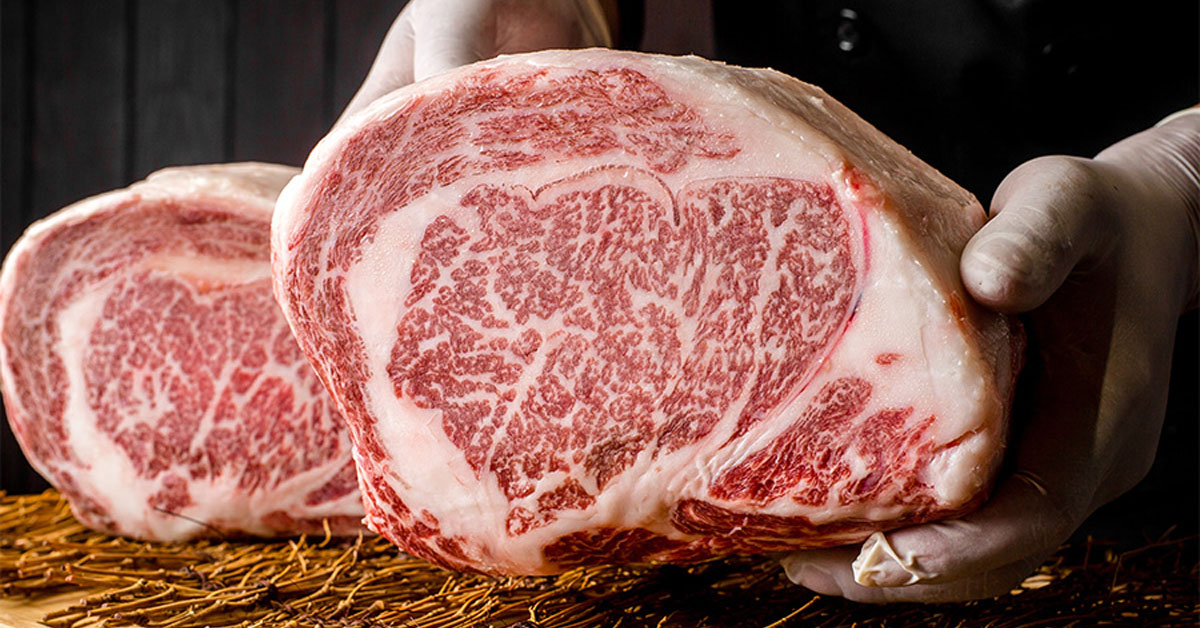
Several factors influence the degree of marbling, including genetics, diet, and how the animal was raised. Breeds like Angus and Wagyu are known for producing meat with exceptional marbling. On the other hand, grass-fed cattle generally have less marbling compared to grain-finished ones.
How Marbling Affects Meat Grading
Marbling doesn’t just look appealing – it plays a major role in how meat is graded. The USDA grading system uses marbling as a critical factor in determining quality. To evaluate marbling, USDA graders make a cross-section cut between the 12th and 13th ribs to inspect the ribeye muscle for the amount and distribution of fat.
The grading scale includes four main categories: Prime, Choice, Select, and Standard. Prime beef, which represents only about 2-3% of all graded beef in the U.S., has abundant and evenly distributed marbling. Choice grade has moderate marbling, while Select grade shows only slight marbling, with thinner and less frequent fat streaks.
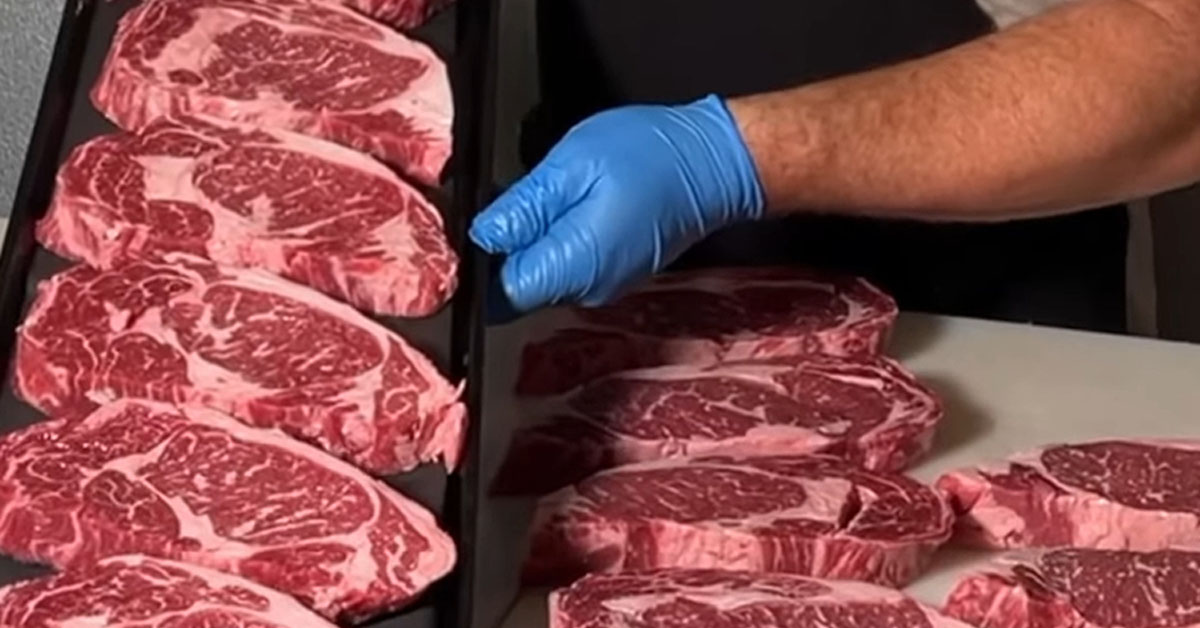
Grading also relies on a standardized marbling score, which ranges from "practically devoid" to "abundant plus." Both the quantity and distribution of marbling matter. For example, a ribeye with fat streaks spread uniformly will score higher than one with marbling concentrated in just one area.
Grading decisions happen quickly – experienced USDA graders can assess marbling in seconds. Despite the speed, their evaluations significantly impact the market value of the meat. Prime cuts, with their superior marbling, fetch much higher prices than Select grades.
Marbling’s Effect on Flavor and Juiciness
Marbling isn’t just about aesthetics – it plays a huge role in how meat tastes and feels. When you cook a marbled steak, the fat melts and bastes the meat from the inside, keeping it moist and flavorful. As the fat renders, it releases fat-soluble flavor compounds, creating a rich, buttery taste that’s hard to beat.
Beef fat begins to melt at around 130–140°F, meaning marbling starts enhancing the meat early in the cooking process. As the temperature rises, the fat spreads through the muscle fibers, locking in moisture and adding depth to every bite.

Marbling also affects the texture of cooked meat. The rendered fat gives a smooth, almost creamy mouthfeel that complements the meat’s natural structure. This is why a marbled ribeye feels luxurious compared to a leaner cut like eye of round, even if both are cooked the same way.
Beyond flavor and texture, marbling provides an extra layer of protection during cooking. The fat acts as an insulator, helping the meat retain moisture and making it more forgiving if slightly overcooked. A heavily marbled steak cooked to medium-well can still be juicy, while a lean cut at the same temperature might turn dry and tough.
To get the most out of marbled meat, stick to dry-heat cooking methods like grilling, broiling, or pan-searing. These techniques create a flavorful crust on the surface while allowing the internal fat to render perfectly, delivering a balance of texture and taste that’s hard to replicate.
What is Tenderness?
Tenderness refers to how easily meat can be chewed – essentially, it’s about how much effort your teeth and jaw need to break down the meat fibers. A tender steak feels like it melts in your mouth, while tougher cuts require a lot more chewing.
This quality is a key factor in how much people enjoy eating meat. Even the most flavorful, beautifully marbled cut won’t win over diners if it’s tough as leather. Tenderness is what elevates a meal from forgettable to unforgettable.
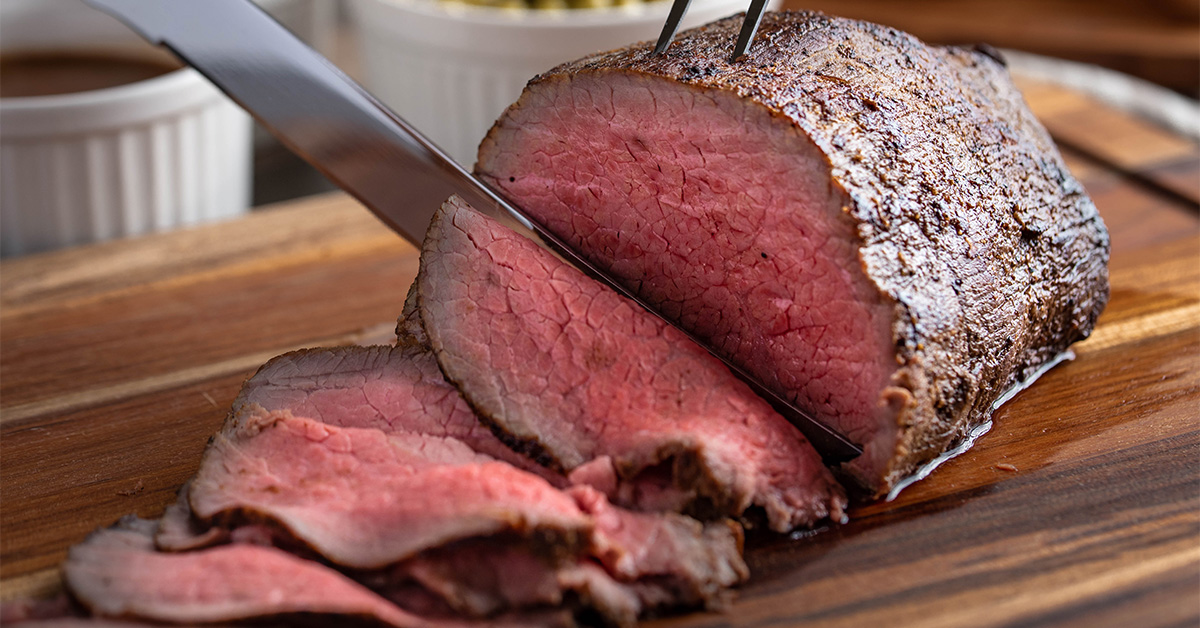
Here’s the tricky part: you can’t judge tenderness just by looking at the meat. A steak might look perfect in the butcher’s case, but that doesn’t guarantee it’ll be tender. Even tougher cuts don’t always show visible signs at the point of purchase. That’s why understanding what affects tenderness is so important.
Factors That Determine Tenderness
While marbling often gets the spotlight, it actually accounts for only about 10% of tenderness variation. The real factors that influence tenderness are less obvious and go beyond what you can see.
- Muscle fiber type: Different muscles serve different purposes, which impacts their structure. For example, the tenderloin is rarely used by the animal, so it stays soft and tender. In contrast, the chuck roast comes from the shoulder, a hardworking area, resulting in tougher fibers.
- Connective tissue: This includes collagen and elastin, which hold muscle fibers together. Muscles that move a lot or bear weight develop more connective tissue, making them tougher. However, cooking methods like braising or slow roasting can break down these tissues, improving tenderness.
- Animal age: Younger animals have less developed connective tissue, making their meat more tender. As cattle age, their muscles work harder over time, leading to tougher fibers and more connective tissue. This is why veal is significantly more tender than beef from older cattle.
- Genetics: While genetics do play a role, their impact on tenderness is smaller than you might think. Among common beef breeds like Angus, Holstein, and Hereford, differences in tenderness are relatively minor.
These natural factors set the stage, but what happens after harvest is just as important.
How Processing Affects Tenderness
Tenderness doesn’t stop at the farm – it’s also shaped by what happens after the meat is harvested. Skilled processing can take a potentially tough cut and turn it into something extraordinary.
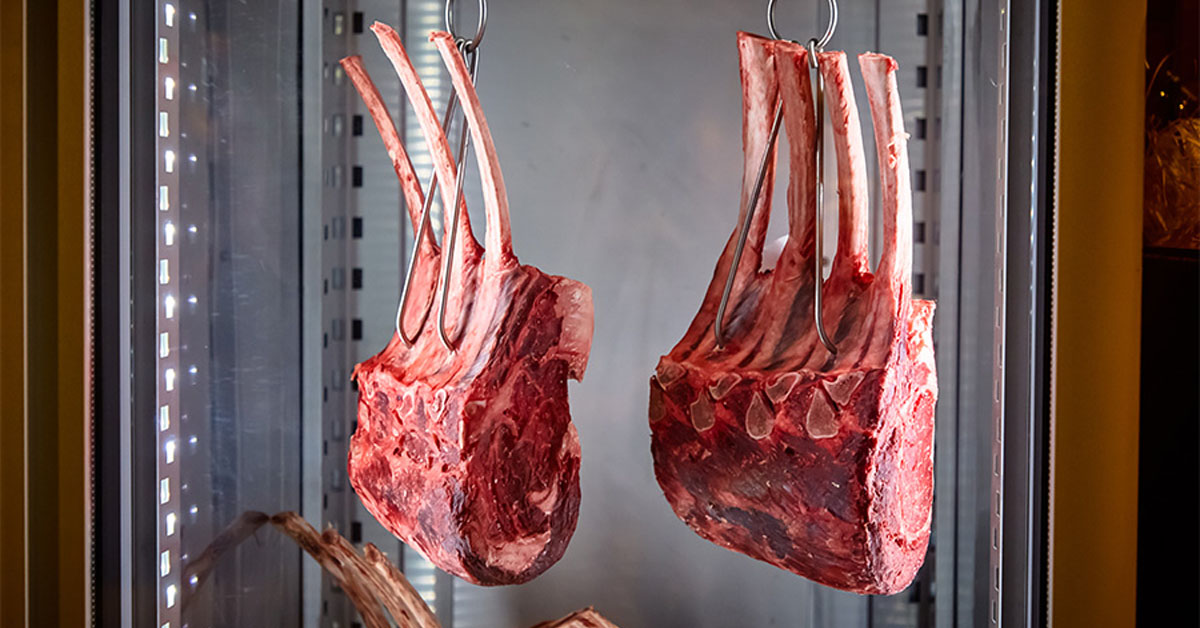
- Aging: Both wet aging (vacuum-sealed storage) and dry aging (exposed to air under controlled conditions) allow natural enzymes to break down muscle fibers and connective tissue. Dry aging also intensifies flavor, making the meat not just tender but more flavorful as well.
- Temperature control: If meat warms up too quickly after harvest, muscle fibers can contract and toughen. That’s why professional processors carefully regulate temperature to preserve tenderness.
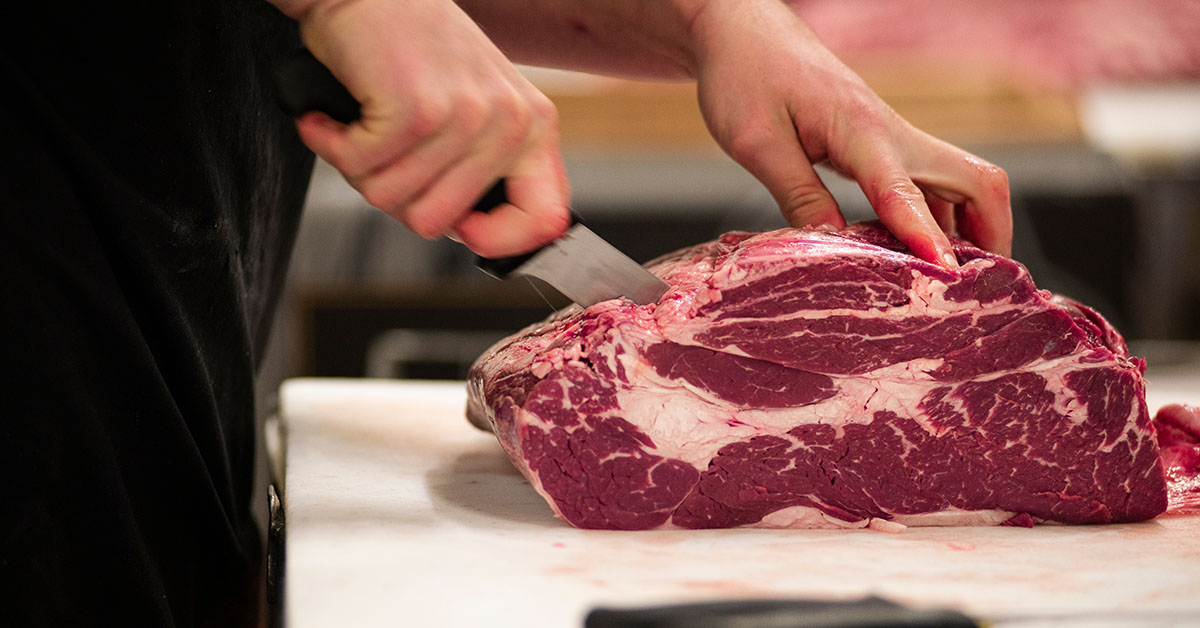
- Cutting techniques: Cutting against the grain – slicing perpendicular to the muscle fibers – shortens those fibers, making the meat much easier to chew. Even tougher cuts can become more manageable with this method.
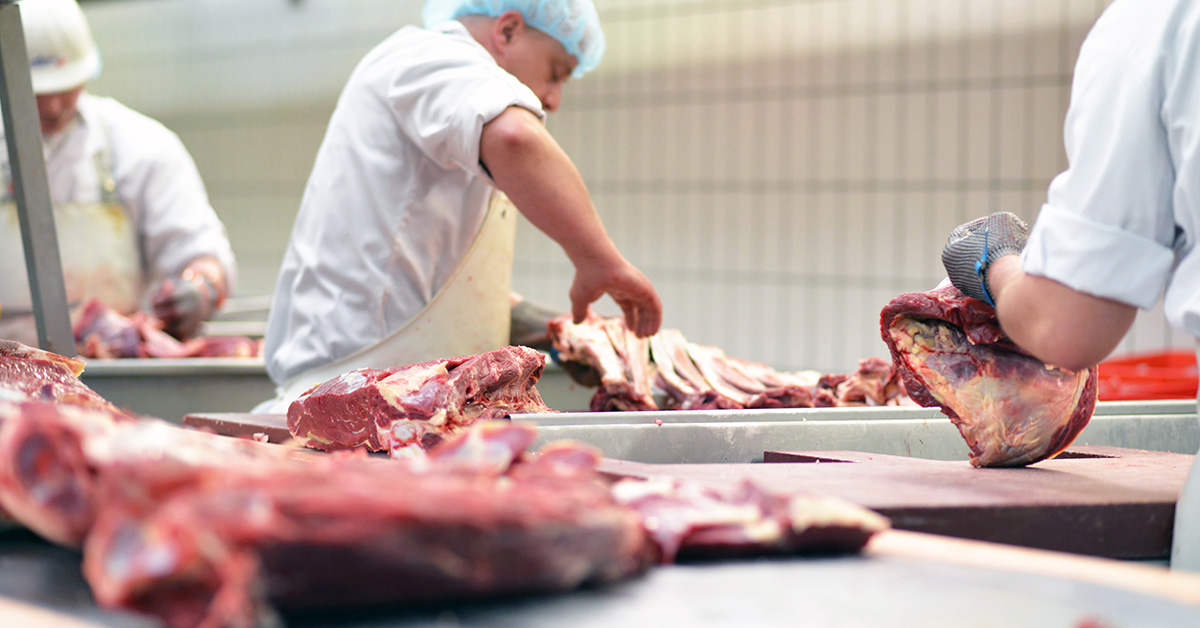
Thanks to advances in processing, tenderness has improved significantly across the beef industry. For example, the 2010 National Beef Tenderness Survey found that 94% of rib and loin cuts had no issues with toughness. These gains are largely due to better aging and handling methods, rather than changes in marbling or grading.
As tenderness has become more consistent, consumers have started focusing more on qualities like flavor and juiciness. This shift shows how proper processing has laid the groundwork for other attributes, like marbling, to truly stand out.
sbb-itb-5ae85c5
Marbling vs. Tenderness: Key Differences
Marbling and tenderness both play crucial roles in determining meat quality, but they are entirely different attributes. Marbling refers to the visible fat streaks within the muscle, while tenderness is all about the texture and how easy the meat is to chew. One is something you can assess before cooking, and the other is something you experience when eating. Knowing the difference can help you make smarter choices when buying meat.

Interestingly, a steak loaded with marbling doesn’t automatically mean it’ll be tender. Even the highest-grade USDA Prime steak can disappoint in tenderness if not processed or cooked properly.
Side-by-Side Comparison: Marbling vs. Tenderness
Here’s a closer look at how marbling and tenderness differ:
| Factor | Marbling | Tenderness |
|---|---|---|
| Definition | Fat streaks within the muscle | Texture and ease of chewing |
| Measurement | Visual grading (e.g., USDA Prime, Choice, Select) | Sensory evaluations, mechanical tests |
| Impact on Quality | Adds flavor and juiciness | Affects mouthfeel and overall palatability |
| Main Influences | Genetics, feed, stress levels, aging | Marbling, muscle usage, connective tissue |
| Visual Indicator | White flecks or streaks visible in raw meat | Not visible before cooking |
When it comes to buying meat, keep in mind that marbling adds flavor and juiciness, while tenderness defines how enjoyable the meat is to chew. For example, a Select-grade steak with little marbling can still be wonderfully tender if it’s from the right cut and handled correctly. On the flip side, a heavily marbled steak from a tougher cut might deliver rich flavor but require more effort to chew. It’s worth noting that only 5–7% of U.S. beef qualifies as USDA Prime, highlighting how rare high marbling is. But with proper processing, even less marbled meat can achieve excellent tenderness.
Research on Marbling and Tenderness Connection
Studies have shown that while marbling plays a role in flavor, tenderness is influenced by a broader range of factors. In fact, marbling only accounts for about 10–40% of the variation in tenderness. This means that other elements, like processing and preparation, are equally or even more important.
Sensory panel studies offer some fascinating insights. For example, Top Choice beef consistently scores higher for juiciness and flavor compared to Select grade beef. However, the differences in tenderness between the two grades are often minimal. This highlights that while marbling enhances the overall eating experience, it doesn’t guarantee that melt-in-your-mouth texture.

The texture of the marbling itself – whether it’s coarse, medium, or fine – also affects juiciness and flavor but has little impact on tenderness. This means two steaks with the same marbling score can deliver very different eating experiences depending on how the fat is distributed within the muscle.
These findings emphasize the importance of post-harvest techniques. Factors like animal maturity, muscle type, and days on feed have a significant impact on tenderness. That’s why professional processors focus on methods such as proper aging, temperature control, and precise cutting techniques to ensure tenderness, regardless of the marbling level.
Advancements in processing methods have significantly improved tenderness across the beef industry. For example, 94% of rib and loin cuts are now consistently tender, even though marbling levels haven’t changed much. This progress is a testament to the understanding that tenderness is largely determined after the animal is harvested, while marbling is primarily set beforehand.
How Marbling and Tenderness Affect Meat Quality
Marbling brings flavor and juiciness to the table, while tenderness ensures each bite is easy and enjoyable. To deliver top-quality meat, it’s crucial to understand how these two elements work together – and separately.
While marbling directly enhances flavor, tenderness depends more on factors like processing and handling. A steak with beautiful marbling can still fall short if tenderness isn’t properly managed. On the flip side, even a leaner cut with little marbling can impress if it’s processed with care.
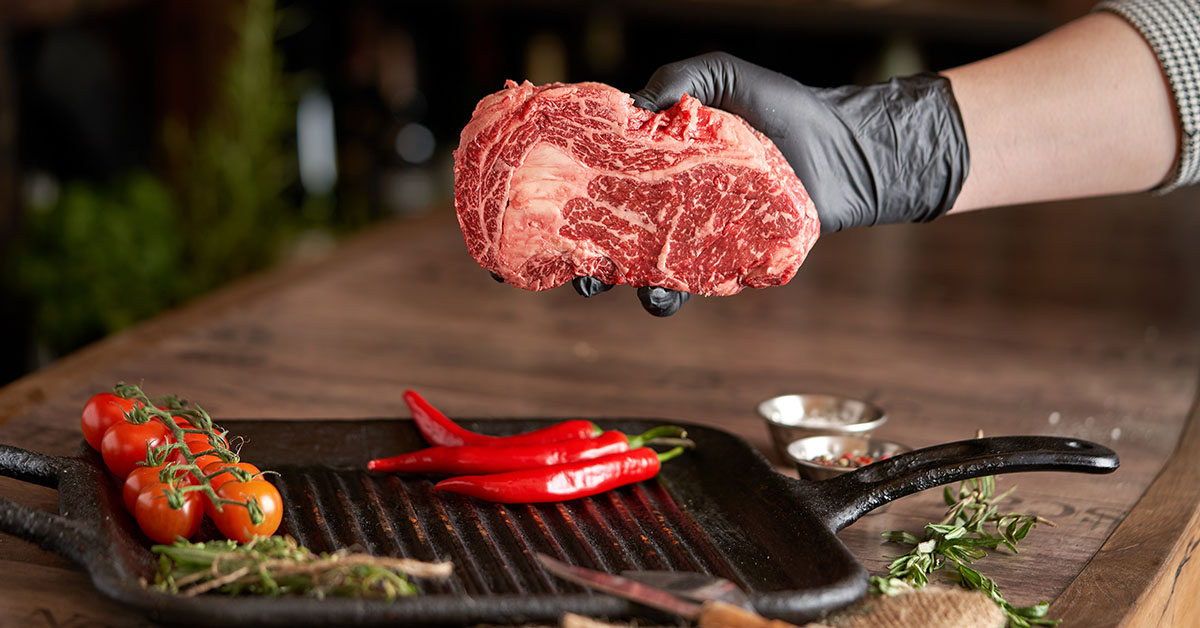
Custom meat processors focus on optimizing each cut by adjusting aging, cutting, and handling to match its natural traits. It’s important to note that marbling is largely determined before processing begins, but tenderness can be significantly improved through effective techniques. This distinction is key to specialized methods in custom meat processing.
Marbling and Tenderness in Custom Processing
At Wild Country Meats, marbling and tenderness are carefully refined through thoughtful processing methods. The process starts with USDA grading, which evaluates the marbling level of each carcass. However, grading is just the first step – the real work lies in how the meat is handled afterward.
Aging plays a critical role in enhancing tenderness while preserving the benefits of marbling. During aging, natural enzymes break down muscle fibers and connective tissue, making the meat more tender without altering the marbling. This requires strict control of temperature and humidity to achieve the best results.
Wild Country Meats customizes its approach based on the unique qualities of each animal. For cattle with high marbling scores, they focus on aging techniques that amplify tenderness to match the rich flavor potential. For leaner animals, they use specialized cutting and processing methods to improve tenderness even with less marbling.
Their tracking system ensures precision. Each animal is tagged, photographed, and inventoried, allowing them to document and replicate the exact processing methods used. This level of detail ensures that every cut is handled in the best way possible for its specific characteristics.
Temperature control is another cornerstone of their process. By maintaining strict protocols, they prevent muscle fibers from toughening, preserving both marbling and tenderness throughout processing.
Quality Control at Wild Country Meats
Wild Country Meats takes quality control seriously, implementing measures to ensure marbling and tenderness are maximized in every product. Their USDA-inspected processing adds an extra layer of oversight, ensuring consistency and high standards.
It all starts with how animals are handled before processing. Stress can negatively affect both marbling and tenderness, so Wild Country Meats follows protocols to minimize stress at every stage. This careful handling helps preserve the meat’s natural qualities.
Clients also benefit from custom packaging and processing options. They can request specific cuts, aging periods, and packaging methods to suit their cooking preferences. This level of customization ensures that each cut achieves its full potential in terms of flavor and tenderness.
The company’s tracking system doesn’t just monitor cuts – it also records the processing methods used for each animal. This data allows Wild Country Meats to refine their techniques and provide clients with guidance on how to prepare their meat for the best results.
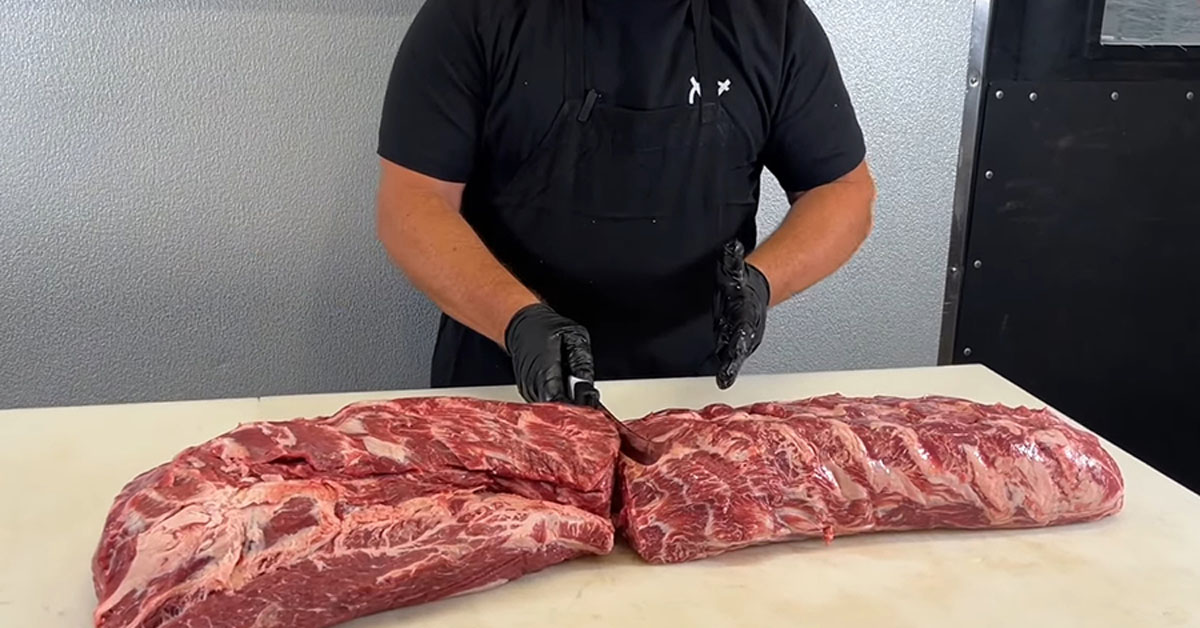
Wild Country Meats operates out of two fully licensed facilities, maintaining consistent quality standards across all operations. With a team of over 40 skilled employees, they ensure every cut is processed with care to optimize both marbling and tenderness.
Their dedication extends to their retail operations as well. Whether customers are buying pre-processed cuts or bringing in animals for custom processing, they receive meat that’s been handled with precision to highlight both the flavor-enhancing qualities of marbling and the satisfying texture of proper tenderness.
Conclusion
Understanding the difference between marbling and tenderness is essential for truly appreciating high-quality meat. While marbling enhances flavor and juiciness, tenderness defines the overall eating experience. These two qualities stem from different factors but work together to determine the final quality of meat.
Marbling is shaped long before processing begins, influenced by genetics, diet, and the conditions in which the animal was raised. Tenderness, on the other hand, can be greatly improved through proper handling, aging, and processing techniques. This means that even cuts with less marbling can still deliver an exceptional experience if processed with care.
This distinction isn’t just theoretical – it guides every step of quality meat production. Since its founding in 1998 by Chris Gabriel, Wild Country Meats has excelled in balancing what nature provides with what skilled processing can enhance. Their USDA-inspected facilities and meticulous tracking systems ensure every cut is optimized for both marbling and tenderness.
Whether you’re a rancher seeking custom processing or a customer looking for premium cuts, the interplay between marbling and tenderness matters. Marbling brings bold, beefy flavors, while proper tenderness ensures every bite is enjoyable. At Wild Country Meats, professionals are dedicated to preserving and enhancing both qualities at every stage. When you choose their products, you can be confident that each cut delivers exceptional flavor and texture.
FAQs
What role does marbling play in beef quality and why does it matter?
Marbling refers to the tiny streaks of fat nestled within the muscle of the meat. These flecks aren’t just for show – they’re a major factor in what makes beef taste so good. Marbling affects the flavor, tenderness, and juiciness of the meat, which is why it’s central to grading systems like the USDA beef grades.
Cuts with more marbling tend to be more tender and packed with flavor, delivering a richer eating experience. That’s why marbling is highly sought after by both meat processors and consumers looking for top-tier beef.
What are the best ways to cook lean meat to make it tender?
For lean cuts of meat that lack the marbling of fattier options, low-and-slow cooking methods are your best bet. Techniques like braising, stewing, and slow roasting rely on moist heat to gently break down collagen and connective tissues. The result? Meat that’s tender, juicy, and packed with flavor – perfect for tougher cuts that need a little extra care to shine.
Another great technique is sous vide cooking. This method involves sealing the meat and cooking it in a precisely controlled water bath at a low temperature over several hours. It guarantees even cooking and keeps the meat tender without the risk of drying out. Whether you prefer a hearty stew or a perfectly cooked steak, these methods can turn lean cuts into mouthwatering meals.
What’s the best way to cook a well-marbled steak to keep it tender?
To keep a steak with good marbling tender and juicy, it’s best to cook it over medium heat. This allows the fat to melt gradually, naturally basting the meat and boosting both its flavor and texture. Using high heat or direct flames can burn off the fat too quickly, leaving the steak dry and less flavorful.
If you’re aiming for the best results, try low-temperature techniques like sous-vide or slow cooking. These methods ensure even heat distribution and help avoid overcooking. Once the steak is done, let it rest for a few minutes. This step locks in the juices, making every bite as tender as possible.