
When choosing between St. Louis style ribs and spare ribs, the decision comes down to their cut, shape, and cooking style:
- St. Louis style ribs are trimmed spare ribs with a rectangular shape, less cartilage, and more uniformity. They cook evenly and are easier to handle, making them ideal for grilling, smoking, or oven-roasting. Their higher fat content ensures flavorful and tender meat.
- Spare ribs are untrimmed and include rib tips, cartilage, and more connective tissue. They have a rustic appearance and require longer cooking times to break down the tougher parts, resulting in bold, savory flavors.

Quick Comparison
| Feature | St. Louis Style Ribs | Spare Ribs |
|---|---|---|
| Cut | Trimmed spare ribs | Untrimmed ribs |
| Shape | Rectangular, uniform | Irregular, natural |
| Cooking Time | 5–7 hours (smoking) | 6–8 hours (smoking) |
| Flavor | Rich, fatty, consistent | Bold, varied texture |
| Best For | Grilling, smoking, roasting | Smoking, braising |
If you prioritize presentation and even cooking, go for St. Louis style ribs. For a hearty, rustic barbecue experience, spare ribs are the way to go. Both deliver delicious results when cooked low and slow.
BBQ Rib Comparison: Spare vs. St. Louis vs. Baby Back | Trim, Cooking Tips, and Taste Test
What Are St. Louis Style Ribs?
St. Louis style ribs are essentially spare ribs that have undergone a specific trimming process. This trim removes excess cartilage, the breastbone, and rib tips, leaving a uniform rack that’s easier to handle and cook. Let’s dive into what makes these ribs special, from their cut to their cooking potential.

Cut and Origin
These ribs are cut from the pig’s belly, specifically the lower part of the spare ribs. The trimming process gives them a rectangular shape, making them more manageable compared to the irregular shape of untrimmed spare ribs. The removed portions, often called rib tips, are a tasty byproduct of this process.
The finished rack usually contains 8 to 13 ribs, depending on the butcher’s precision, and is prized for its clean, uniform appearance.
Shape, Size, and Fat Content
One of the standout features of St. Louis style ribs is their flat, rectangular shape, which contrasts with the triangular look of ordinary spare ribs. This neat shape is not just visually appealing – it also makes them easier to fit on grills or in ovens.
Each rack typically weighs between 2.5 and 3.5 pounds and measures about 10 to 14 inches long. While the meat layers between the bones are relatively thin, these ribs are known for their rich marbling of fat. This fat melts during cooking, infusing the meat with flavor and keeping it moist.
The bones in these ribs are flatter and wider than those in baby back ribs. They also have more connective tissue, which softens and adds tenderness during slow cooking. The combination of fat and connective tissue makes this cut ideal for achieving juicy, flavorful results.
Best Cooking Methods
St. Louis style ribs are at their best when cooked low and slow. Their even shape ensures consistent cooking, whether you’re using a smoker, grill, or oven.
- Smoking: These ribs thrive in a smoker set at 225°F to 250°F. Cook them for about 5 to 6 hours to allow the fat and connective tissue to break down fully.
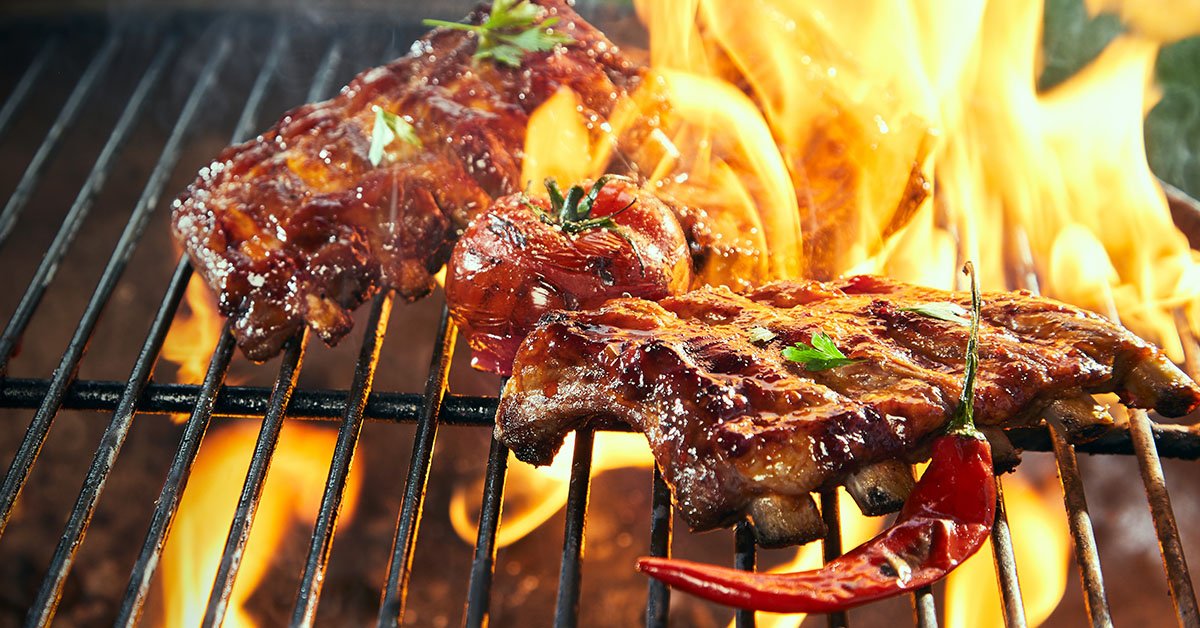
- Grilling: Thanks to their flat surface, they grill evenly. Use an indirect heat setup and maintain temperatures around 275°F to 300°F. The fat content helps prevent them from drying out, even if they’re slightly overcooked.
- Oven Roasting: For an indoor option, wrap the ribs in foil with a bit of liquid – apple juice or beer works wonders – and cook at 275°F for roughly 3 hours. The steam inside the foil helps tenderize the meat.
No matter which method you choose, patience is key. The fat and connective tissue need time to break down and deliver that melt-in-your-mouth texture. Rushing the process will leave you with tough, chewy ribs – so take your time and enjoy the reward.
What Are Spare Ribs?
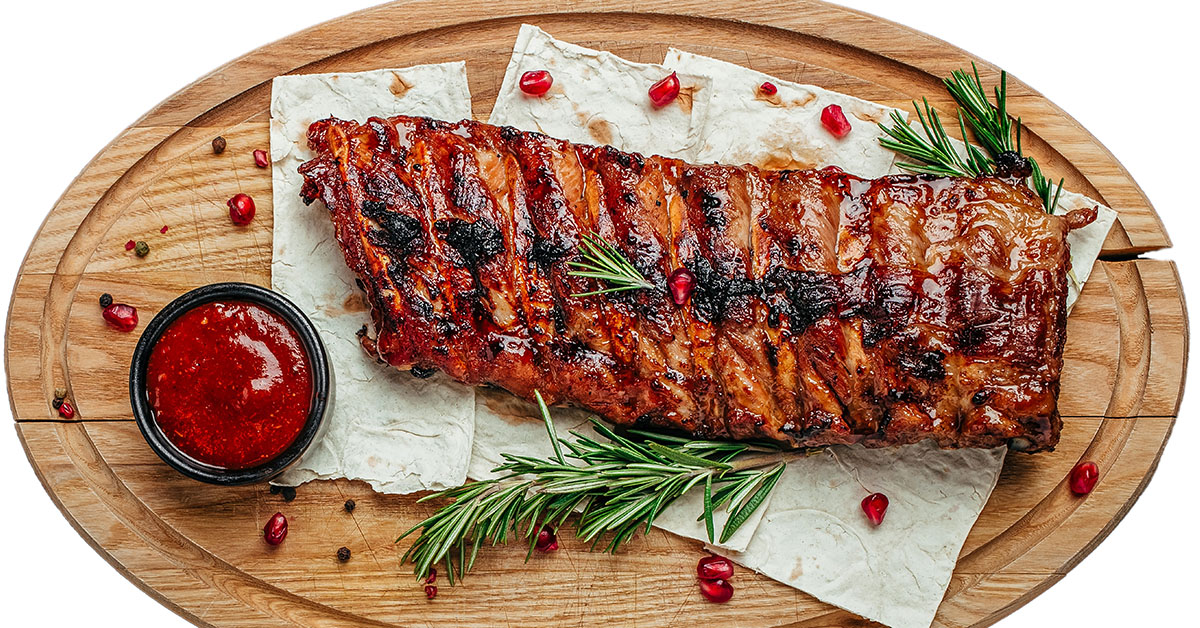
Spare ribs are a cut of pork taken from the pig’s belly, offering a rustic and untrimmed presentation. These ribs include bones, cartilage, and rib tips, making them a hearty and flavorful choice for cooking.
Cut and Origin
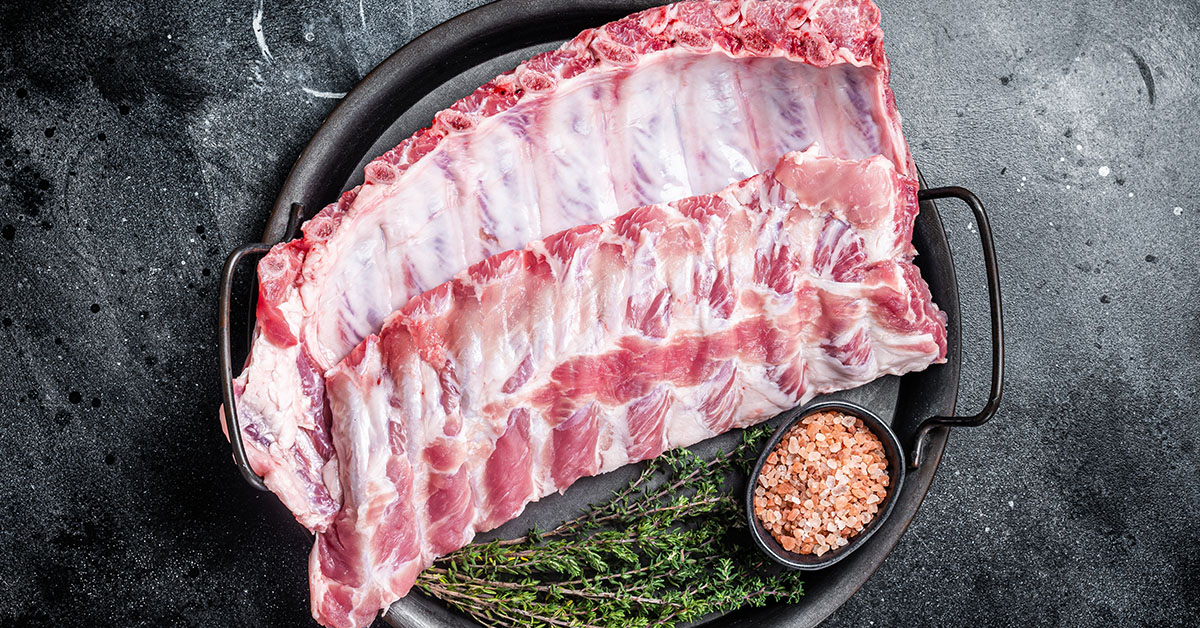
Spare ribs originate from the same part of the pig as St. Louis–style ribs but are left untrimmed. This means they retain their cartilage, rib tips, meat, and connective tissue, giving them a more natural and less uniform appearance. Each rack has its own unique look, adding to their appeal.
Shape, Size, and Meat Content
These ribs are known for their irregular shape and uneven distribution of meat. Some sections are meatier, while others have more cartilage and bone. While they might not yield as much meat by weight compared to other cuts, their flavor is robust and satisfying.
Best Cooking Methods
Spare ribs shine when cooked low and slow. Smoking is a popular method, as it breaks down the tough connective tissue and infuses the meat with deep, smoky flavors. Braising or slow-roasting in the oven at low temperatures is another excellent option. With a bit of patience, spare ribs transform into a tender, flavorful dish that’s well worth the wait.
St. Louis Style Ribs vs Spare Ribs: Side-by-Side Comparison
Now that we’ve broken down each rib type, it’s time to compare them directly. Knowing these differences can help you decide which style suits your next barbecue feast.
Comparison Chart
| Feature | St. Louis Style Ribs | Spare Ribs |
|---|---|---|
| Cut Location | Belly area (trimmed spare ribs) | Belly area (untrimmed) |
| Shape | Rectangular, uniform | Irregular, natural |
| Size | Shorter, more compact | Longer, larger overall |
| Meat-to-Bone Ratio | Higher ratio, meatier | Lower ratio, more bone/cartilage |
| Fat Content | Higher fat content | High fat with more connective tissue |
| Cooking Time (Smoking) | 5–7 hours at 225°F | 6–8 hours at 225°F |
| Best Cooking Methods | Smoking, grilling (3-2-1 method), braising | Smoking, slow cooking, oven-braising |
| Flavor Profile | Rich and fatty with a consistent taste | Robust with varied texture |
St. Louis style ribs stand out for their neat, rectangular shape and shorter cooking times, making them a favorite for those who value efficiency and presentation. On the other hand, spare ribs, with their natural shape and slightly longer cook times, offer a heartier, more rustic experience. By understanding these distinctions, you can fine-tune your cooking techniques and serve ribs that match your style and preferences.
sbb-itb-5ae85c5
Cooking and Serving Tips
Getting the best flavor out of your ribs starts with thoughtful preparation. These steps work perfectly with the low-and-slow cooking methods we mentioned earlier.

Preparation Tips
- Remove the membrane: Use a knife and a paper towel to peel off the underside membrane. This step allows the seasonings to soak in better and enhances the flavor.
- Trim the fat: If you’re making St. Louis-style ribs, trim the top fat layer down to about ⅛ inch. This keeps the meat moist without making it overly greasy.
- Use mustard as a binder: Spread yellow mustard on both sides of the ribs before applying your dry rub. Not only does it help the rub stick, but it also tenderizes the pork.
- Toast and grind spices: Toast fennel, coriander, and cumin in a dry skillet until they release their aroma. Then grind them into a powder for a more intense flavor. Avoid using too many pre-ground spices, as fresh grinding packs a stronger punch.
- Create a balanced dry rub: A great rub blends sweet, savory, and spicy flavors. Combine brown sugar (for caramelization), salt, smoked paprika (for mild heat), garlic and onion powder (for savory depth), cayenne (for spice), black pepper, dried oregano (for a touch of herbs), and dry mustard (for a tangy kick).
- Let it rest: After seasoning, refrigerate the ribs for at least 30 minutes – ideally up to 8 hours. This resting period allows the flavors to deeply penetrate the meat, making it tender and flavorful.
Get Quality Ribs at Wild Country Meats
Wild Country Meats is your go-to for premium St. Louis-style and spare ribs. This family-owned business, rooted in Oklahoma since 1998, brings three generations of butchering expertise to every cut. Their dedication to quality perfectly complements the rib preparation tips shared earlier.
Custom Cuts and USDA Processing
Wild Country Meats caters to your exact needs with their custom cutting service. Whether you want your St. Louis ribs trimmed to a specific thickness or prefer spare ribs with extra meat, they’ll handle it in-house to ensure top-tier quality.
With USDA-inspected processing, every rack goes through rigorous quality checks. Plus, their process is fully transparent – each order is tagged, photographed, and tracked from start to finish. When you pick up your order, you’ll receive an itemized inventory report detailing exactly what you’re getting. No surprises, just precision.
"We don’t seek to satisfy our customers. We seek to amaze them." – Chris Gabriel, Owner, Wild Country Meats
Store Locations and Delivery Options
You can pick up your ribs at either of Wild Country Meats’ two locations. The Hominy facility offers a full range of custom processing services, while the Cleveland store provides fresh-cut meats with a convenient drive-thru for quick pickups.

For added convenience, they offer local delivery within a 50-mile radius of their Oklahoma facilities for a small fee. This service covers cities like Tulsa, Broken Arrow, and Stillwater, ensuring you can enjoy restaurant-quality ribs without leaving home. Orders are carefully packaged and frozen to lock in freshness.
Support Local Family Business
By choosing Wild Country Meats, you’re not just getting high-quality cuts – you’re also supporting a local, family-owned business. As a certified "Made in Oklahoma" retailer, they’ve been serving the community since 1998. Today, this third-generation operation employs over 40 people and works closely with local ranchers and farmers.
 Their excellent 4.6-star rating speaks volumes. Customers frequently highlight the "difference in taste and quality" compared to grocery store options, describing their products as "top notch" and "amazing cuts and quality".
Wild Country Meats is committed to offering all-natural, fresh-cut meats that are born, fed, and raised in the USA. If you bring in your own livestock for processing, they guarantee that the meat you take home comes exclusively from your animal – no mixing, no substitutions. It’s a promise you can trust.
Which Ribs Should You Choose?
When deciding which ribs to cook, it all comes down to your cooking style, time, and personal preferences.
Pick St. Louis style ribs if you’re looking for even cooking and easy handling. Their neat, uniform shape and trimmed edges make them perfect for predictable grilling with minimal waste.

Go for spare ribs if you’re after bold, rich flavor. Thanks to their extra cartilage and connective tissue, they shine with low-and-slow cooking methods like smoking or braising. The extra fat and tissue break down beautifully, resulting in tender, juicy meat.
If you’re planning a quick dinner or want something straightforward to grill, St. Louis style ribs are your best bet. But if you’re hosting a leisurely weekend barbecue and have the time, spare ribs are worth the extra effort for their deep, savory flavor.
While spare ribs might be cheaper per pound, their higher bone-to-meat ratio can balance out the cost when it comes to yield. Think about factors like cost efficiency and what kind of experience you want to create for your guests.
For formal gatherings, St. Louis style ribs offer a polished, tidy presentation. On the other hand, spare ribs bring a rustic, hearty vibe that’s perfect for casual get-togethers.
Ultimately, the main differences come down to cooking time and texture. No matter which you choose, starting with high-quality ribs from a trusted source is the first step to a mouthwatering meal.
FAQs
Why are St. Louis style ribs better for grilling than spare ribs?
St. Louis-style ribs are a go-to choice for grilling, thanks to their rectangular cut. This shape isn’t just for looks – it ensures the ribs cook evenly and are easier to manage on the grill. No awkward angles or uneven cooking here!
What really sets them apart is their size and marbling. These ribs are larger and have a higher fat content, which means they stay juicy and pack a ton of flavor as they grill. It’s no wonder barbecue fans love them for their perfect balance of tenderness and taste.
How does the fat in St. Louis style ribs influence their flavor and cooking process?
The generous fat content in St. Louis style ribs is a game-changer for both flavor and texture. As these ribs cook, the fat gradually renders, ensuring the meat stays juicy and tender while adding a deep, savory richness. This makes them an ideal choice for smoking, slow-cooking, or grilling to get that perfect balance of flavor and tenderness.
If you’re craving ribs that are succulent and bursting with taste, St. Louis style ribs are a standout option for your next barbecue or family gathering.
How can I make spare ribs tender and full of flavor when cooking them low and slow?
For ribs that are tender and packed with flavor, start by giving them a generous coating of your favorite dry rub or marinade. Once seasoned, wrap the ribs snugly in aluminum foil to help retain moisture during cooking. Set your oven or grill to a low temperature – 225°F to 275°F – and let the ribs cook slowly for about 3.5 to 6 hours, depending on their size and thickness. Cooking at low heat is key to keeping the meat juicy and tender, so steer clear of high temperatures that can dry them out.
To take the flavor up a notch, brush on a glaze or barbecue sauce during the last 15–20 minutes of cooking. This final step not only boosts the taste but also creates a mouthwatering caramelized coating on the ribs.