
We’ve found that ordering meat online can save you time and effort, especially if you’re in areas like Tulsa or Oklahoma City where long commutes and hot summers make grocery trips less appealing. With local meat delivery services like Wild Country Meats, you can enjoy high-quality, USDA-inspected meats delivered right to your door for as little as $5 per order. The convenience and quality make it an option worth considering.
Here’s what we recommend: focus on local providers for better service and fresher products. Local shops often freeze and vacuum-seal meats for delivery, ensuring better quality control compared to national shipping services. Plus, you can customize your cuts and portion sizes. For bulk orders, like a quarter or side of beef, you’ll save money per pound and get exactly what you need.
To get started, confirm you’re in the delivery area, check freezer space, and review USDA inspection marks on packaging. If you’re new to this, start small with pre-built bundles to test the service before committing to larger orders. With a little planning, you can simplify meal prep and enjoy premium meats without leaving home.
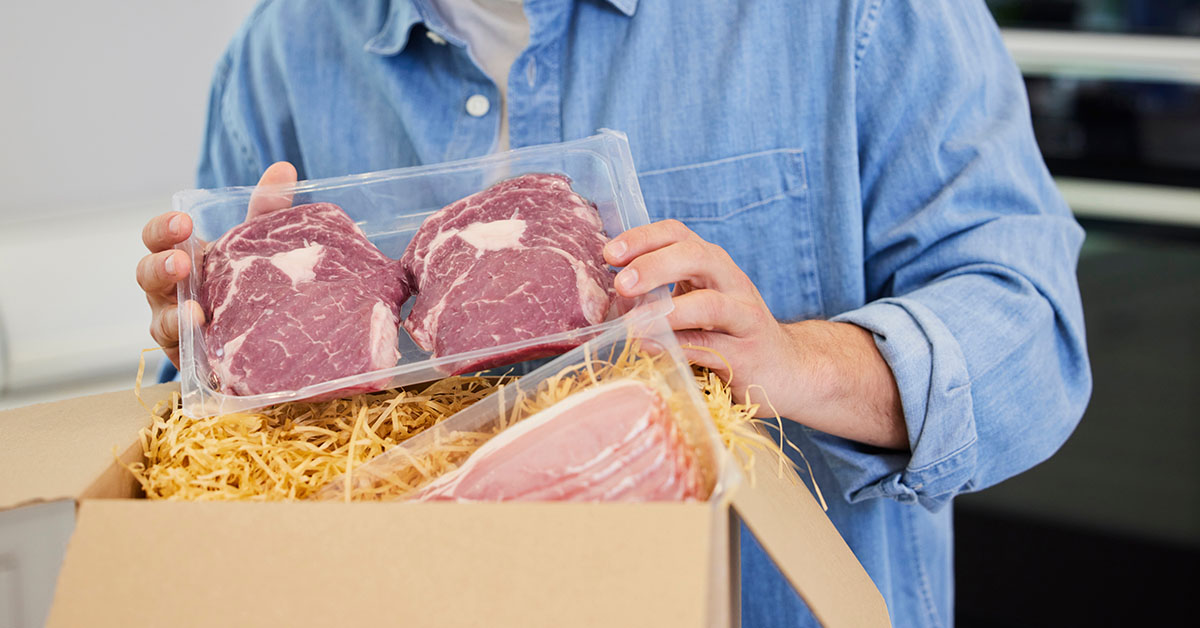
How We Pack Online Meat Orders For Delivery
Local Versus National Meat Delivery: Key Differences
When searching "meat delivery near me", you’ll typically encounter two types of services. One is a local butcher or processor offering deliveries within a specific area. The other is a national company shipping insulated boxes across the country. Knowing how each operates can help you decide which option works best for your household.
How Local Meat Delivery Works
Local delivery services operate within a set radius. A butcher shop or regional processor takes your order, prepares and freezes the meat, and delivers it using in-house drivers instead of third-party carriers. This approach reduces handoffs, ensuring the cold chain remains intact.
One standout benefit is the direct connection to the people preparing your meat. If you have questions about cuts of beef for family meal planning, portion sizes, or need to make a substitution, you can contact the shop directly. As Chris Gabriel, owner of Wild Country Meats, explains:
"We don’t seek to satisfy our customers. We seek to amaze them."
This level of personal service is hard to match with large-scale national providers.

Shipping Versus Local Drop-Off
Now, let’s compare national shipping to local drop-off. National services use carriers like UPS or FedEx, with delivery times ranging from 1 to 3 business days after shipping. To maintain safe temperatures, orders are packed in insulated foam containers with dry ice or gel packs, keeping the meat fresh for up to 72 hours. These boxes typically cost between $120 and $200+ for 8–14 lbs of meat.
Local delivery, on the other hand, often features a much lower flat fee – $5.00 per order in areas like Tulsa, Oklahoma City, and nearby communities. Meat is vacuum-sealed and frozen before leaving the facility, with delivery usually taking place within 7 to 10 days after ordering. One key tip: make sure someone is available to receive the delivery, or leave a cooler with ice at your door. These practical differences highlight why it’s essential to check the specifics of local delivery before ordering.
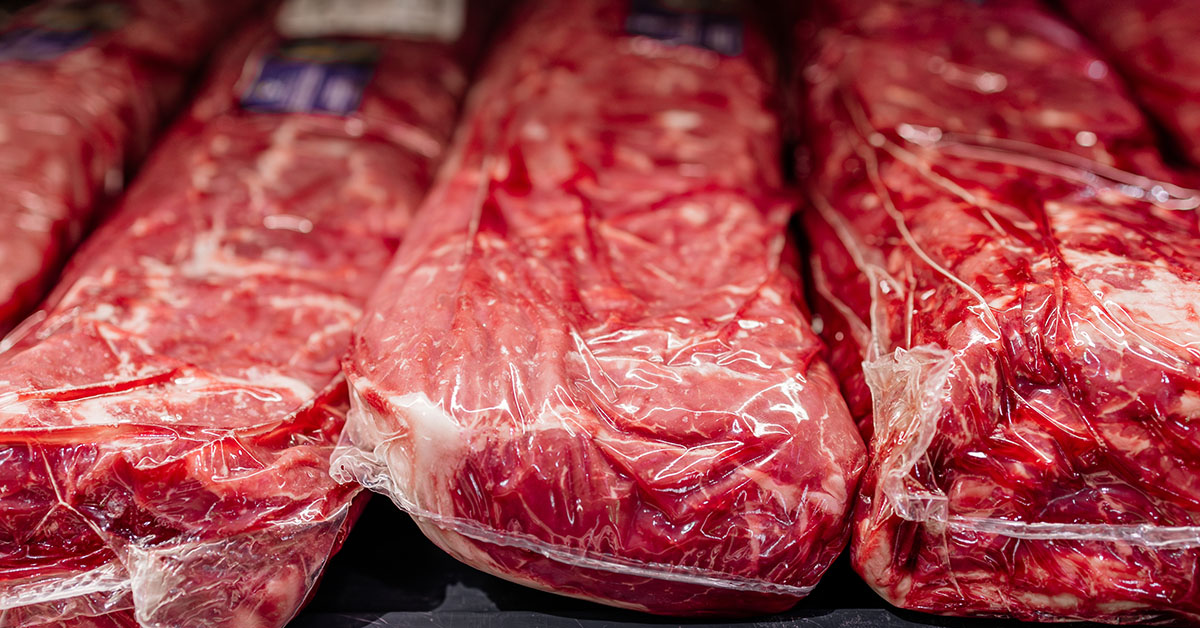
How to Check If You Are in the Delivery Area
To confirm if you’re within a delivery zone, check the provider’s website. Tools like ZIP code lookups, delivery maps, or city-specific pages are helpful. For example, Wild Country Meats offers dedicated pages for Meat Delivery Tulsa and Meat Delivery Oklahoma City, making it easy to verify if your address falls within their 50-mile radius.
Also, consider whether delivery areas vary based on order size, minimum purchase requirements, or specific delivery days. To keep costs manageable, some services group deliveries by neighborhood on set days. Around busy times like July 4th or Thanksgiving, demand spikes for both local and national providers, so placing your order early is always a wise choice.
Food Safety, USDA Inspection, and Packaging Standards
Food safety is a top priority. Always look for USDA inspection marks and ensure proper packaging before placing an order.
USDA Inspection and What It Means for You
The USDA inspection is a critical benchmark for any meat delivery service. The USDA’s Food Safety and Inspection Service (FSIS) oversees meat and poultry processing facilities, ensuring that sanitation, processing controls, and product quality meet federal standards.
When your order arrives, check the packaging for the USDA inspection legend. It should also display the product name, weight, and establishment number. If this information is missing from the packaging or the provider’s website, it’s a red flag.
"We track your product every step of the way with tags, photos and detailed labeling and give you an itemized inventory report showing all meat cuts on pickup or delivery." – Wild Country Meats
Once you’ve confirmed inspection details, the next step is understanding how delivery methods impact meat quality.
Frozen Versus Fresh-Chilled Delivery
Delivery methods play a significant role in maintaining meat quality. Here’s how frozen and fresh-chilled deliveries compare:
| Factor | Frozen Delivery | Fresh-Chilled Delivery |
|---|---|---|
| Storage Flexibility | Perfect for longer freezer storage | Best if used or frozen promptly |
| Shipping Tolerance | Handles transit better | Requires strict cold-chain handling |
| Arrival Check | Should arrive completely frozen | Should arrive well-refrigerated |
| Best For | Bulk buying and meal planning | Immediate cooking plans |
Local butchers often freeze freshly cut meat to preserve its quality. As Wild Country Meats explains:
"Great meat takes a little time. We cut every order fresh just for you, then freeze it to lock in quality." – Wild Country Meats
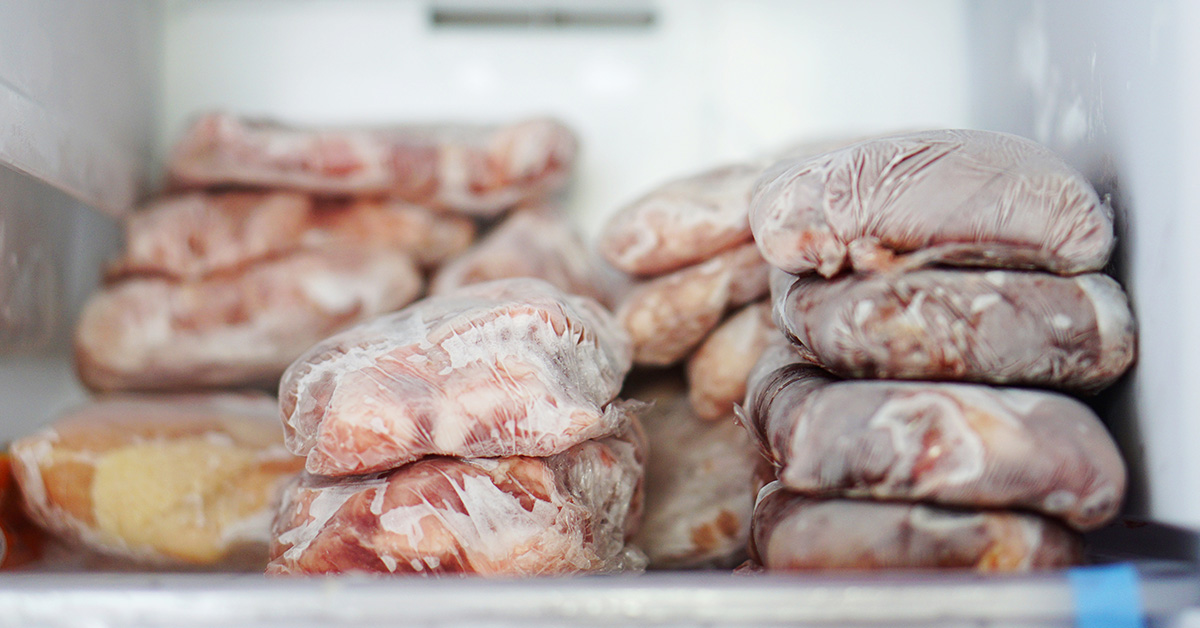
When your delivery arrives, check frozen packages to ensure they’re solid and hard to the touch. Be cautious of pooled liquid, loose vacuum seals, or large ice crystals, as these can signal temperature issues during shipping. While a light frost is normal, torn seals or excessive thawing should raise concerns. For fresh-chilled deliveries, ensure the meat is cold upon arrival. If it feels warm, refrigerate it immediately and contact customer support.

Vacuum Sealing, Labeling, and Portioning
Proper packaging is another layer of protection for your meat. Vacuum sealing reduces exposure to air, preventing oxidation and freezer burn, which helps preserve texture and flavor. For families or bulk buyers, vacuum-sealed cuts are also easier to organize in the freezer.
Every package should include clear labels with the product name, weight, and storage or cooking instructions. These details not only help you plan meals but also make it easier to rotate older items. Double-check labels against your order as soon as your delivery arrives, and organize your freezer accordingly to avoid confusion later. You can also use our easy order form to quickly select the specific cuts you need for your next delivery.
sbb-itb-5ae85c5
Cuts, Custom Processing, and Pricing
When it comes to food safety and delivery logistics, selecting the right cuts and processing options is just as important. Let’s dive into the details of cuts, processing choices, and pricing to help you make informed decisions.
Popular Cuts for Everyday Meals
Choosing the right cut often depends on how you plan to cook it. For quick weeknight dinners, ground beef, chicken thighs, pork chops, and sirloin steaks are excellent options. If slow-cooked meals are your thing, cuts like chuck roast, brisket, and pork shoulder offer rich flavors at a lower price per pound. For grilling, ribeye, New York strip, and T-bone steaks are favorites.
Cost-conscious choices, such as chuck roast or bottom round, can be just as satisfying as pricier steaks when cooked with care. If you’re new to buying meat online and feel overwhelmed by the variety of cuts, this video from a professional butcher can be a helpful guide: You can also find more tips and recipes on our meat industry blog.

The BEST Meat Case – How to order without being overwhelmed | Professional Butcher
| Cooking Method | Recommended Cuts |
|---|---|
| Grilling or pan-searing | Ribeye, New York strip, sirloin, pork chops |
| Slow cooker or braising | Chuck roast, brisket, pork shoulder, beef shanks |
| Quick weeknight meals | Ground beef, chicken thighs, sausage, stir-fry strips |
Custom Processing and Bulk Orders
Custom processing gives you control over how your meat is prepared, from cut types to packaging. At Wild Country Meats, bulk orders are available in various sizes: an eighth, quarter, side (half), or whole beef, and half or whole hog. For example, a quarter beef yields approximately 74 lbs of meat, while a side of beef provides around 154 lbs.
Before processing starts, customers complete a cut sheet to specify their preferences. You can choose steak thickness (e.g., 1 inch for grilling or 1.25–1.5 inches for premium cuts), roast sizes, the number of steaks per package, and the lean ratio for ground beef (common options include 80/20 or 85/15). Additional requests like bone-in versus boneless cuts, soup bones, or organ meats can also be accommodated.
"The meat is tender, nicely packaged, and processed exactly as we requested." – Ray Welker
Wild Country Meats ensures quality by aging beef for at least 21 days before cutting. Orders are then freshly cut and frozen to maintain peak flavor and texture.

How Pricing and Order Costs Break Down
Meat delivery pricing typically involves three components: the cost of the meat, any processing fees, and the delivery charge. For retail cuts, here’s a breakdown of common prices:
- 80% lean ground beef: Around $7.99/lb for a single pound, or approximately $4.99/lb for a 10 lb pack.
- Ribeye steaks: About $34.99 for two 10–12 oz steaks.
- Trimmed brisket (7.5–8 lbs): Approximately $66.99.
Bulk orders offer savings per pound but require a larger upfront investment. For example:
- Quarter of Beef (80% lean): $749.99 for roughly 74 lbs of meat (around $10.13/lb).
- Side of Beef (80% lean): $1,499.99 for approximately 154 lbs.
Custom processing requires a non-refundable deposit, such as $375 to reserve a butcher date for a side of beef. Additionally, a flat delivery fee of $5.00 applies to eligible orders.
Keep in mind: while bulk orders often have a lower per-pound price, the total cost can add up when processing fees and order size are included. To make an informed decision, divide the total cost by the take-home weight to calculate the per-pound price before finalizing your order.
Next, we’ll explore how delivery logistics and customer support enhance your overall experience.

Delivery Logistics, Customer Service, and Freezer Planning
Preparing for Delivery and Checking Your Order
Get ready for your delivery 24–48 hours in advance. Start by clearing enough freezer space, confirming your delivery window (9:00 am–6:00 pm), and ensuring someone will be available to receive the order.
Once it arrives, inspect your order immediately. The meat should feel cold – ideally frozen or partially frozen. According to USDA guidelines, raw meat becomes unsafe if it stays above 40°F for more than two hours. Check each vacuum-sealed package for tight seals without tears, punctures, or large air pockets. If you spot any issues, take photos right away. This step ensures you receive the quality you’re paying for.
"Dry ice may be completely gone and while most cuts will be completely frozen, some cuts may be partially frozen and remain safe." – Wild Country Meats
Customer Support and Resolving Order Issues
One of the benefits of working with local processors is their personalized customer service. At Wild Country Meats, the team is available by phone to answer questions and address concerns. Many customers have highlighted the exceptional service provided by staff members like Connie Brown and Abigail Short, who are known for going above and beyond to assist customers.
"Abigail Short… is the kindest person and will do whatever it takes to make sure you are taken care of." – Samantha Williamson, Customer
If you encounter issues such as missing items or broken seals, contact customer support the same day. Be sure to provide your order details and any photos of the problem. Quick action and solid support can make all the difference in resolving these issues smoothly.
Freezer Space, Storage Times, and Organization Tips
After delivery, proper freezer planning is essential to maintain the quality of your meat. Before placing a large order, measure your freezer space. A good rule of thumb is that 25–30 lbs of packaged meat fit into one cubic foot. For example, a quarter beef (about 74 lbs) will need around 3 cubic feet, while a side of beef (approximately 154 lbs) will require 6–7 cubic feet. If your freezer is already partially filled, consider investing in a standalone chest freezer to accommodate bulk orders.
To keep your freezer organized, group packages by type and cut. Label each package with its contents, weight, and freeze date, and rotate older items to the front to use them first. For the best quality, the USDA recommends these storage times at a consistent 0°F:
- Ground meats: 3–4 months
- Steaks and roasts: 6–12 months
- Bacon and sausage: 1–2 months
Vacuum sealing, as practiced by Wild Country Meats, can help extend the quality of your meat within these recommended time frames.

Conclusion: What to Do Before You Place Your First Order
Ordering meat online doesn’t have to be intimidating. We’ve covered everything you need to know – from checking if your area is eligible for delivery to understanding USDA inspection standards and preparing your freezer. The goal is straightforward: make your first order with confidence, not uncertainty.
Before you hit that "order" button, here’s a quick checklist to keep in mind:
- Confirm your delivery area.
- Ensure the meat is USDA-inspected and vacuum-sealed.
- Check that your freezer has enough space for your order.
- Choose cuts that match your cooking preferences.
If you’re new to buying in bulk, start small. A pre-built bundle or familiar cuts from the Easy Order page is a great way to test the waters. This lets you evaluate the quality and delivery process before committing to a larger order, like a quarter or side of beef. It’s a simple way to ensure both the quality of the product and the convenience of the service.
For those in Tulsa and Oklahoma City, Wild Country Meats has you covered. Their beef is USDA-inspected, aged for at least 21 days for tenderness, graded Choice or higher, and vacuum-sealed for freshness. Plus, they offer a flat $5 delivery fee for qualifying orders of $150 or more, with delivery times available between 9:00 am and 6:00 pm. Whether you prefer browsing individual cuts on the Buy Meat page or opting for the streamlined Easy Order experience, their team is ready to assist. For questions about custom cuts, special processing requests, or other details, visit the Contact page before placing a large order.
FAQs
How do I know the meat stayed cold enough during delivery?
We use a three-layer packaging system to ensure your meat stays fresh. Each vacuum-sealed, flash-frozen cut is placed inside insulated styrofoam containers. To keep everything at subzero temperatures during shipping, we include dry ice. Even if the dry ice fully sublimates, your meat should still arrive completely or partially frozen and safe to consume.
For the best quality, we recommend unpacking your order immediately and transferring the items to your freezer within 2–4 hours of delivery.
What size freezer do I need for a quarter or side of beef?
To store a quarter of beef, you’ll need 4 to 7 cubic feet of freezer space. For a side of beef (half a cow), plan on 8 to 12 cubic feet. A good rule of thumb is to allocate 1 cubic foot of space for every 25–30 pounds of meat, with some extra room for cuts that aren’t perfectly shaped. Most medium or large upright and chest freezers can easily accommodate these amounts.
What should I choose on a cut sheet for a bulk order?
When completing a cut sheet, it’s important to think about your cooking habits, the size of your household, and how much freezer space you have. Choose cuts that align with how you like to cook – like marbled steaks if you enjoy grilling or roasts for slow cooking. Be clear about packaging preferences, such as requesting ground beef in 0.5 lb portions, and decide whether you prefer bone-in or boneless cuts. For added variety, you might want to include organ meats or keep the bones for making broth.
Related Blog Posts
- How Wild Country Ships Meat Safely: Packaging, Packing, Transit Times
- Fresh Cut Premium Meat Delivery Now Available for Oklahoma City
- Meat Delivery in Oklahoma City: How to Get Fresh Beef, Pork & Chicken Delivered to Your Door
- Tulsa Meat Delivery: Fresh Butcher-Cut Meat Without the Grocery Store Trip