
When smoking brisket, the choice between butcher paper and aluminum foil can make or break your barbecue. Butcher paper is often the preferred option because it preserves the bark’s texture, enhances smoke flavor, and prevents sogginess. Aluminum foil, while effective at retaining moisture and speeding up cooking, traps steam, softens the bark, and blocks further smoke absorption. Here’s why butcher paper stands out:
- Breathability: Butcher paper allows steam to escape, keeping the bark crisp while maintaining moisture.
- Smoke Penetration: Its porous nature lets the brisket absorb more smoke, resulting in a richer flavor.
- Fat Absorption: It soaks up excess grease, preventing the brisket from becoming overly soggy.
- Texture Balance: Ensures a juicy interior without compromising the bark’s quality.
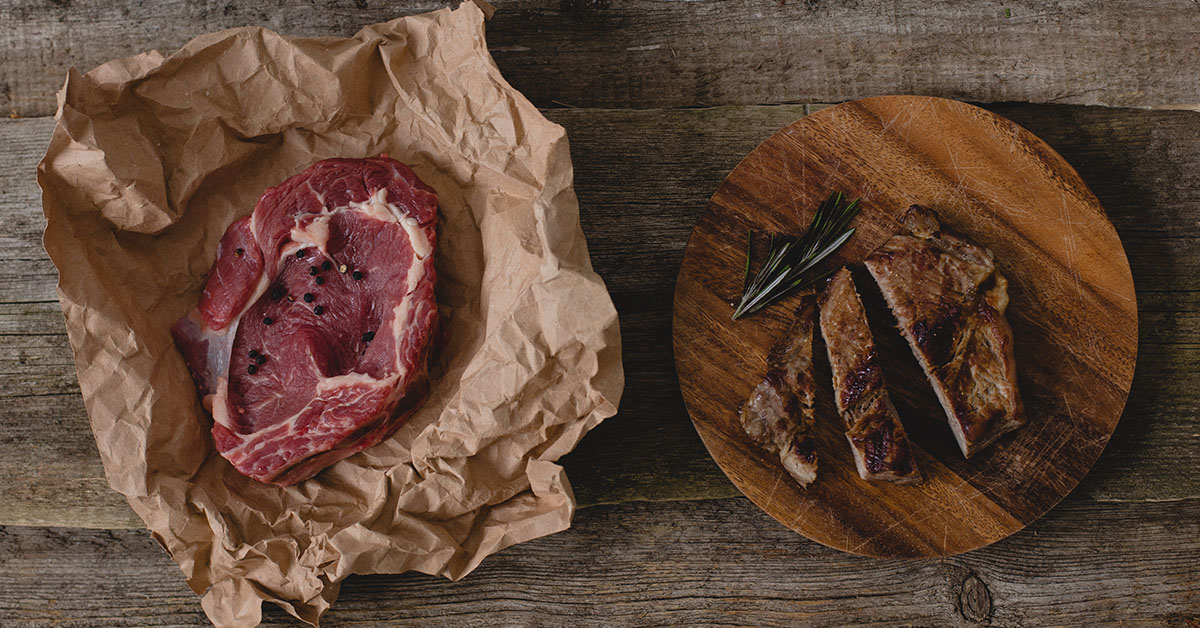
Foil, in contrast, creates an airtight seal that can lead to a softer bark and milder smoke flavor due to steaming. For pitmasters aiming for a tender, flavorful brisket with a perfectly crisp exterior, butcher paper is the clear winner.
Quick Comparison:
| Aspect | Butcher Paper | Aluminum Foil |
|---|---|---|
| Bark Quality | Firm and crispy | Soft and steamed |
| Smoke Flavor | Rich and deep | Limited after wrapping |
| Moisture Control | Balanced (absorbs fat) | Traps all moisture |
| Cooking Speed | Moderate | Faster (steaming) |
Wrapping your brisket at 165°F–170°F with food-grade butcher paper ensures optimal results. This method keeps the brisket juicy while preserving the bark and enhancing the smoky flavor.
Smoking Brisket wrapped in Foil vs Butcher Paper – Brisket Series part 1 of 3
Butcher Paper vs Foil: Basic Properties
Understanding the differences between butcher paper and foil is crucial for wrapping brisket the right way. These materials bring distinct qualities to the table, directly impacting how your brisket cooks and tastes. Let’s break down what sets them apart and why butcher paper is often the go-to choice for barbecue enthusiasts.
What is Butcher Paper?
Butcher paper is a semi-permeable material widely associated with Texas-style barbecue. Unlike regular paper, it’s specially designed to handle the high heat and moisture levels involved in smoking.
Its standout feature is its breathability. It allows moisture and steam to escape while still protecting the brisket. This helps prevent over-steaming, which is key to maintaining the crispy, flavorful bark that pitmasters strive for.
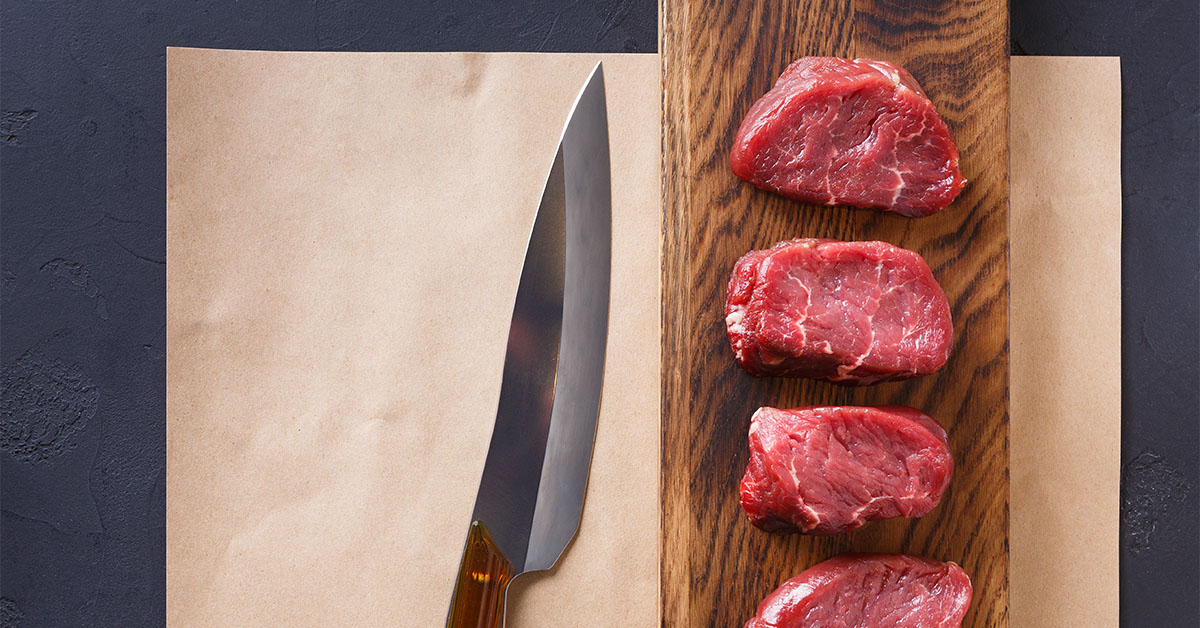
Another advantage is its ability to absorb rendered fat and grease. By soaking up excess moisture, butcher paper keeps the brisket from becoming soggy while ensuring it stays moist during the cook. Plus, its porous nature allows smoke to continue infusing the meat even after it’s wrapped. This results in a deeper smoke flavor and more pronounced smoke rings.
What is Aluminum Foil?
Aluminum foil, on the other hand, creates an airtight seal that traps heat, moisture, and steam. This essentially sets up a braising environment, which can significantly speed up cooking.
While foil locks in juices and produces a moist brisket, it comes at a cost: the bark softens due to the steaming effect. Additionally, once the brisket is wrapped in foil, no more smoke can penetrate the meat, which limits the depth of its smoky flavor.

Foil’s excellent insulating properties help maintain steady temperatures and reduce cooking time, but this often sacrifices the texture of the bark and the richness of the smoke profile.
Property Comparison Table
Here’s a quick side-by-side look at how butcher paper and foil differ:
| Property | Butcher Paper | Aluminum Foil |
|---|---|---|
| Permeability | Breathable/Semi-permeable | Airtight/Impermeable |
| Moisture Control | Allows steam escape; absorbs fat | Traps all juices and steam |
| Bark Formation | Preserves crispy, dark bark | Softens bark due to steaming |
| Smoke Flavor | Allows continued smoke penetration | Blocks further smoke absorption |
| Heat Retention | Less insulating | Highly insulating |
These contrasts highlight why butcher paper is often preferred for achieving that perfect balance of texture, flavor, and moisture in your brisket. Up next, we’ll dive deeper into why it shines in the world of barbecue.
Why Butcher Paper Works Better for Smoked Brisket
Butcher paper stands out as a favorite among barbecue enthusiasts because it helps maintain a crisp bark and enhances the smoky flavor of brisket. Compared to aluminum foil, its unique properties make it a game-changer for pitmasters aiming for top-notch results.
Better Bark and Smoke Flavor
The secret lies in butcher paper’s breathable design. Unlike aluminum foil, which seals tightly and traps steam, butcher paper allows the brisket to "breathe." This controlled release of steam prevents the bark from turning soggy, keeping it firm and flavorful. At the same time, the paper still lets smoke penetrate, enriching the brisket with a deeper, more complex smoky taste. This balance ensures the brisket stays juicy inside while preserving that sought-after dry, crispy bark on the outside.

Pros and Cons Comparison
| Aspect | Butcher Paper | Aluminum Foil |
|---|---|---|
| Final Bark Quality | Firm, crispy texture with deep flavor | Soft, steamed texture |
| Overall Smoke Profile | Rich, complex smoke throughout | Limited smoke development after wrapping |
| Brisket Texture Balance | Juicy interior with intact bark | Very moist but compromised exterior |
This comparison highlights why butcher paper is often the go-to choice for achieving a perfect balance of texture, flavor, and smokiness in smoked brisket.
Problems with Aluminum Foil for Wrapping Brisket
Using aluminum foil to wrap your brisket might seem like an easy choice, but it can lead to several challenges that impact both the cooking process and the final flavor of your smoked meat.
Soft Bark and Milder Smoke Flavor
One major downside of aluminum foil is its airtight seal, which traps moisture and prevents proper evaporation. This can leave your brisket with a softer bark instead of the desired crispy texture. On top of that, the foil creates a barrier against wood smoke, which means your brisket won’t absorb as much of that rich, smoky flavor you’d get from leaving it unwrapped.
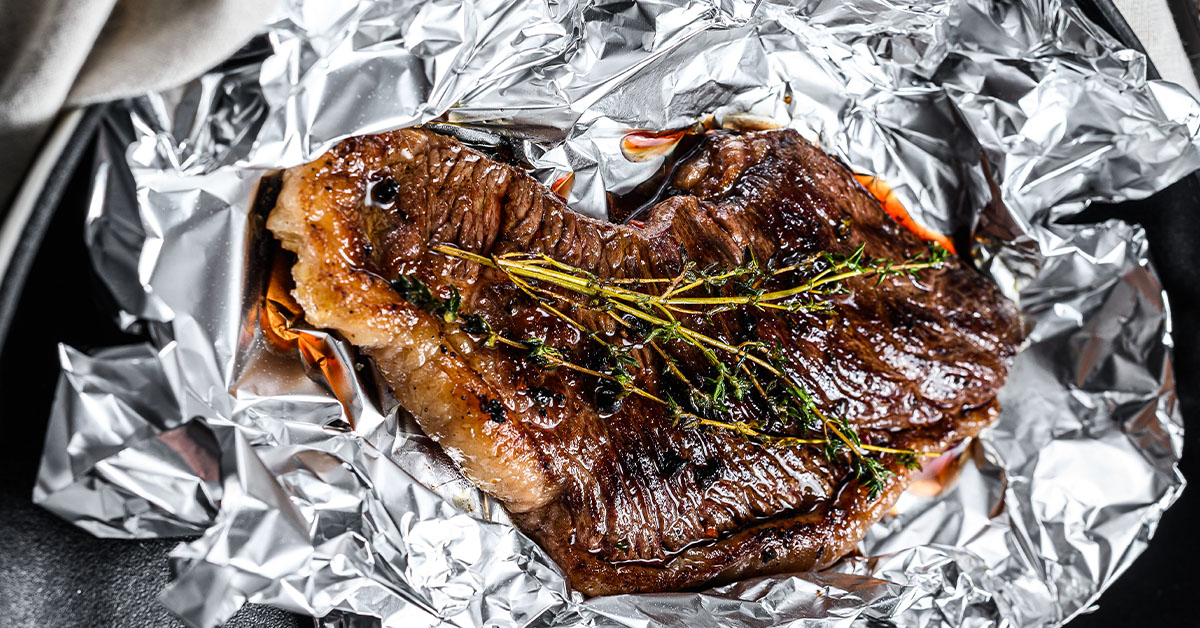
Excess Steam and a Higher Risk of Overcooking
Foil’s tight seal doesn’t just affect the bark – it also changes how the brisket cooks. By trapping heat and moisture, foil speeds up the cooking process, essentially steaming the meat. This can cause the brisket to bypass the natural temperature stall, making it easier to overcook if you’re not keeping a close eye on the internal temperature.
sbb-itb-5ae85c5
How to Use Butcher Paper: Practical Tips
Getting the most out of butcher paper for your barbecue comes down to timing, using the right materials, and mastering the technique. These tips will help you keep your meat moist while ensuring the perfect bark.
When to Wrap: Temperature Guidelines
Wrapping your brisket at the right time is crucial. Aim to wrap when the internal temperature hits 165°F–170°F. At this point, the bark is developed, and wrapping helps push through the stall – a point where the temperature plateaus.
Some pitmasters opt to wrap earlier, around 150°F to 160°F, to tackle the stall sooner. You can also rely on visual cues: wrap when the bark has formed nicely, and the outer fat has rendered, which usually aligns with the 165°F–170°F range.
Another approach is to wrap based on time. If you’re not tracking temperature, wrapping after 8–9 hours of smoking is a reliable guideline.
Finding and Handling Butcher Paper
Not all butcher paper is created equal. For barbecue, you’ll need food-grade butcher paper designed for smoking. Many BBQ suppliers offer pink butcher paper, which is specifically made to handle heat and moisture during long cooks. It’s a favorite among pitmasters for its durability and performance.
You can also check local specialty butcher shops for high-quality food-grade paper. These shops often stock paper that meets food safety standards and holds up well in a smoker.
To keep your process smooth, store your paper in a dry place and cut sheets in advance. This way, you’re ready to wrap when the time comes.
Proper Wrapping Technique
Wrapping with butcher paper takes a bit of practice, but the results are well worth it. For a large brisket, you’ll need two sheets of butcher paper, each about 4 feet long. This gives you enough material to ensure a secure wrap without tearing.
Think of it like folding a burrito. Start by folding one long side over the brisket, then tuck in the two short ends, and finally fold over the remaining long side. This creates a tight package that stays intact during cooking.
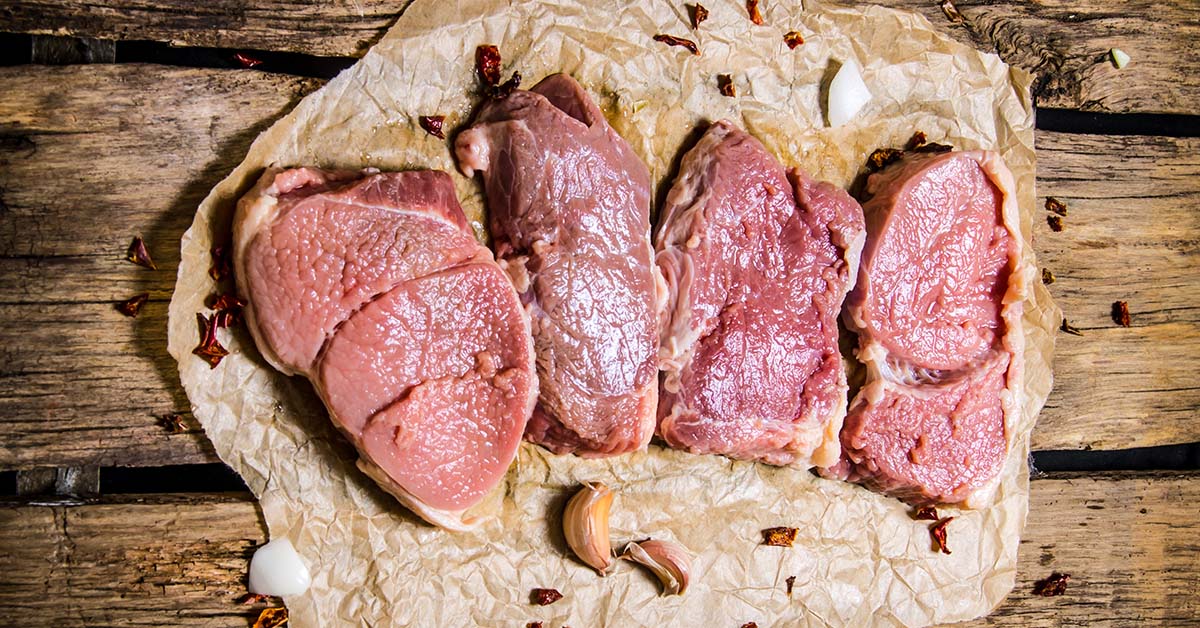
Unlike foil, butcher paper allows the meat to breathe while absorbing rendered fat. This helps maintain the bark’s texture and avoids the "steamed" effect foil can create. It might take a few tries to perfect your wrapping technique, but don’t worry if your first attempts aren’t flawless.
Once your brisket reaches an internal temperature of 203°F, unwrap it and place it back in the smoker at 225°F for 30–45 minutes. This final step helps firm up the bark, giving you that signature barbecue finish. These methods are a testament to Wild Country Meats’ dedication to exceptional barbecue.
Wild Country Meats Perspective: Quality Barbecue Commitment
When it comes to barbecue, Wild Country Meats has been a standout name since 1998. This family-owned business has built a reputation for delivering exceptional smoked meats by combining top-tier ingredients with proven techniques. Their dedication to quality shines through in every aspect of their operation.
Supporting Time-Tested Techniques
Wild Country Meats is a strong advocate for using butcher paper in barbecue, echoing the benefits discussed earlier. For them, this method is more than a technique – it’s a standard of excellence.
"We don’t seek to satisfy our customers. We seek to amaze them." – Chris Gabriel, Owner, Wild Country Meats
Their 21-day aging process ensures every cut of meat is primed for optimal results, whether it’s wrapped in butcher paper or prepared with other methods. This attention to detail reflects their deep commitment to quality.
Quality Meats and Smoking Supplies
Beyond their techniques, Wild Country Meats offers premium cuts and essential smoking supplies. Customers have consistently praised their products, earning the company an impressive 4.6-star rating. Reviews often highlight the "difference in taste and quality" and the "amazing cuts and quality" they provide. This acclaim is no accident – it’s rooted in their use of USDA-inspected beef, pork, and chicken, all processed in-house. Chris Gabriel, a third-generation butcher, brings decades of expertise to the table, continuing a family legacy that began in 1968.
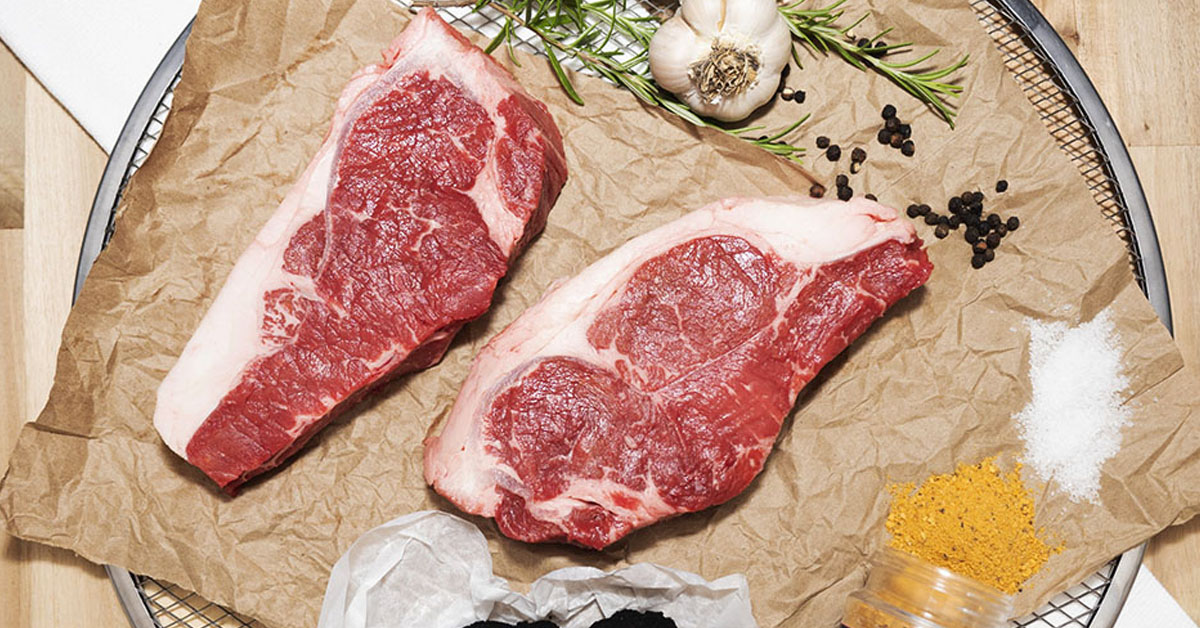
For barbecue enthusiasts, Wild Country Meats offers bulk options like "All Beef Packs" and "Eighth of a Beef", which are perfect for weekend smoking sessions. These larger cuts allow pitmasters to refine their butcher paper wrapping skills while working with premium-quality meat.
The emphasis on marbling in their beef is another standout feature. Well-marbled briskets, for instance, render fat beautifully during smoking, enhancing both flavor and the development of that sought-after bark.
Wild Country Meats operates from two Oklahoma locations, in Hominy and Cleveland, and even offers local delivery. Their custom meat processing services ensure that every cut is tailored to meet specific customer needs, a level of precision that serious barbecue enthusiasts can appreciate. Whether you’re a seasoned pitmaster or just starting out, their offerings provide everything you need to elevate your barbecue game.
Conclusion: Why Butcher Paper Wins for Smoked Brisket
When it comes to wrapping smoked brisket, butcher paper stands out as the top choice, backed by both practical benefits and solid reasoning.
Unlike aluminum foil, which traps moisture and blocks smoke, butcher paper allows the brisket to keep soaking up that rich, smoky flavor while maintaining a crisp, caramelized bark – the hallmark of great barbecue. This balance is key: the paper lets the smoke work its magic while managing moisture in a way that enhances both texture and taste.
The way butcher paper handles moisture is another win. It strikes the perfect balance between retaining enough moisture to keep the brisket tender and allowing some evaporation to prevent it from becoming overly soggy. Plus, as it absorbs the rendered fat, it creates a natural layer that helps evenly conduct heat, gently braising the meat to perfection.
Another bonus? Pink butcher paper’s uncoated surface ensures no unwanted flavors interfere with your seasoning, keeping the brisket pure and true to your recipe. It’s a detail that matters, especially for pitmasters who take pride in their craft.
For those who aim to create brisket that’s tender, flavorful, and packed with smoky goodness, butcher paper is the trusted choice of professionals and barbecue enthusiasts alike.
FAQs
Why is pink butcher paper the best choice for wrapping smoked brisket?
Pink butcher paper is a go-to choice for wrapping smoked brisket because it’s uncoated and breathable. This unique quality lets the smoke seep in while allowing excess moisture to escape. The result? A flavorful, crispy bark on your brisket that doesn’t turn soggy.
Unlike waxed or coated papers, pink butcher paper absorbs grease and enhances the smoky taste without trapping too much steam. It strikes the perfect balance by holding in just enough moisture to keep the meat tender and juicy, which is why it’s a favorite among barbecue lovers.
When should you wrap a brisket to get the best results?
Timing makes all the difference when wrapping a brisket. The sweet spot is during the stall – that point when the internal temperature hovers around 165-170°F. Wrapping at this stage helps retain moisture while still giving the brisket enough time to build that delicious, smoky bark.
Wrap too early, and the bark won’t have a chance to fully develop, leaving the brisket lacking in flavor. Wait too long, and you risk losing too much moisture, which can result in dry, less tender meat. Hitting the timing just right ensures your brisket has the ideal mix of texture, flavor, and juiciness.
Does wrapping smoked brisket in butcher paper affect cooking time compared to aluminum foil?
Wrapping smoked brisket in butcher paper can change how long it takes to cook compared to using aluminum foil. Foil holds in heat and moisture exceptionally well, creating a steamy environment that speeds up the cooking process. On the other hand, butcher paper is more breathable, letting some moisture escape, which slows things down a bit.
This slower cooking method might add some time, but it comes with benefits. It helps create a better bark and boosts the brisket’s smoky flavor. If you’re after that classic texture and deep, rich taste, the extra time with butcher paper is definitely worth it.