
Looking for the perfect ribeye? Here’s the key difference: Prime ribeye offers more marbling, tenderness, and a buttery flavor, while Choice ribeye is a more affordable, flavorful option with slightly less fat. Both are delicious, but your choice depends on budget and cooking goals.
- Prime Ribeye: Premium quality, abundant marbling, rich flavor, costs $25–$40/lb, found in upscale retailers.
- Choice Ribeye: Moderate marbling, bold flavor, $15–$25/lb, widely available in supermarkets.
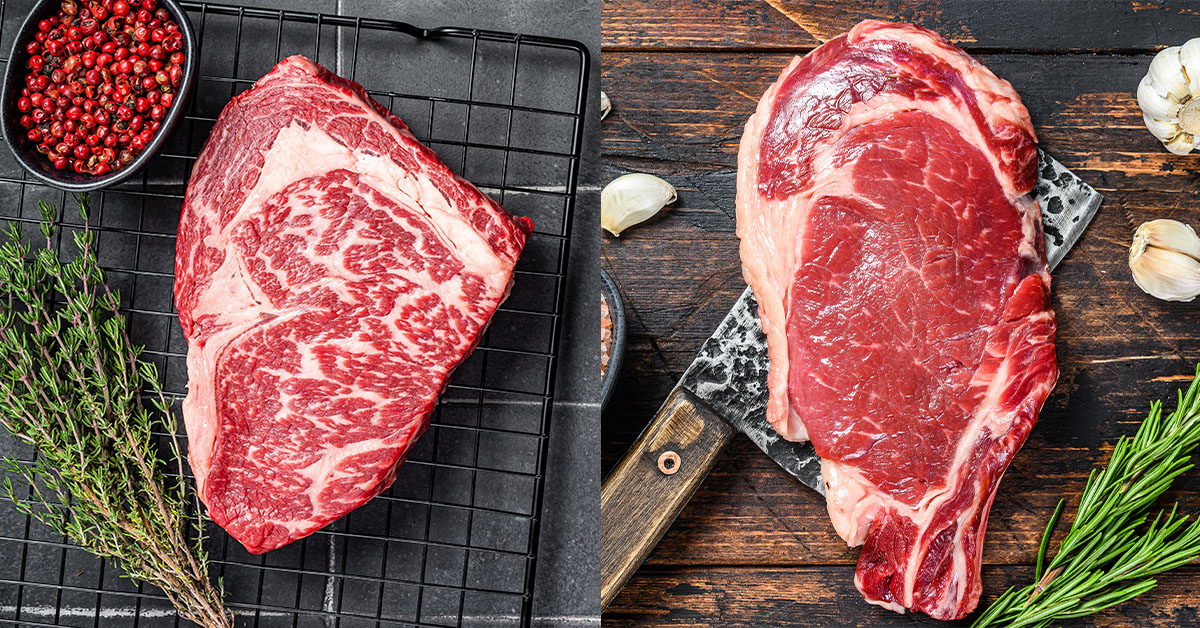
Quick Comparison:
| Feature | Prime Ribeye | Choice Ribeye |
|---|---|---|
| Marbling | Abundant, evenly spread | Moderate, less uniform |
| Flavor | Rich, buttery | Bold, less rich |
| Tenderness | Very tender | Tender, firmer texture |
| Price (USD) | $25–$40/lb | $15–$25/lb |
| Availability | Rare (2–3% of beef) | Common (50% of beef) |
Prime ribeye is ideal for indulgent meals, while Choice ribeye delivers great taste for everyday cooking. Both can shine with proper preparation.
PRIME Ribeye vs CHOICE Ribeye | Professional Butcher Chris Gabriel explains the different grades
Prime Ribeye: What to Look For
Prime ribeye, priced anywhere from $25 to $50 per pound, stands out for its rich marbling and top-tier quality. To truly appreciate what makes this cut special, it’s important to pay attention to its visual characteristics.
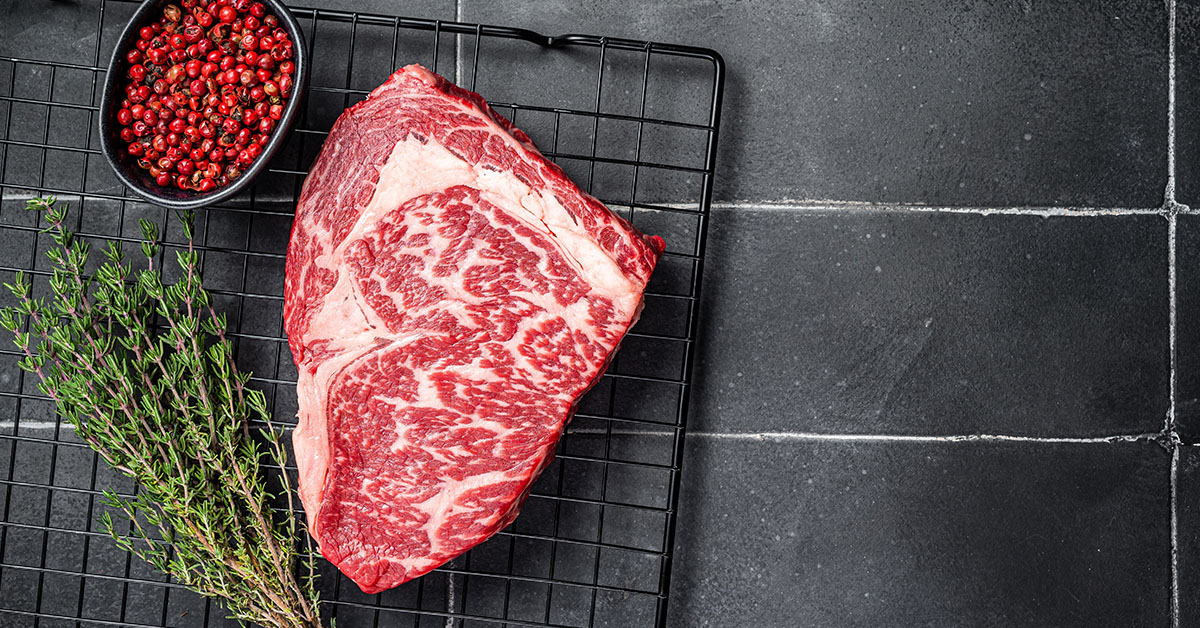
How Prime Ribeye Looks
One of the defining features of a Prime ribeye is its abundant white marbling, which is evenly spread throughout the meat. The steak itself has a vibrant cherry-red hue and a fine, firm texture. Its surface should appear slightly moist but never wet or slimy. This consistent marbling is a hallmark of premium quality, promising both flavor and tenderness.
Taste and Texture
When cooked, the intramuscular fat in a Prime ribeye melts into the meat, creating an incredibly juicy and tender steak. This fat acts as a natural baster, enhancing the beef’s natural flavors as it cooks. Once caramelized, the steak develops a deeper color and a rich, buttery mouthfeel. The result? A steak so tender and flavorful, it practically melts in your mouth.
Choice Ribeye: What to Look For
Choice ribeye offers a delicious steak experience without breaking the bank. While it doesn’t have the luxurious marbling of Prime, it still packs plenty of flavor and tenderness – if you know what to look for.
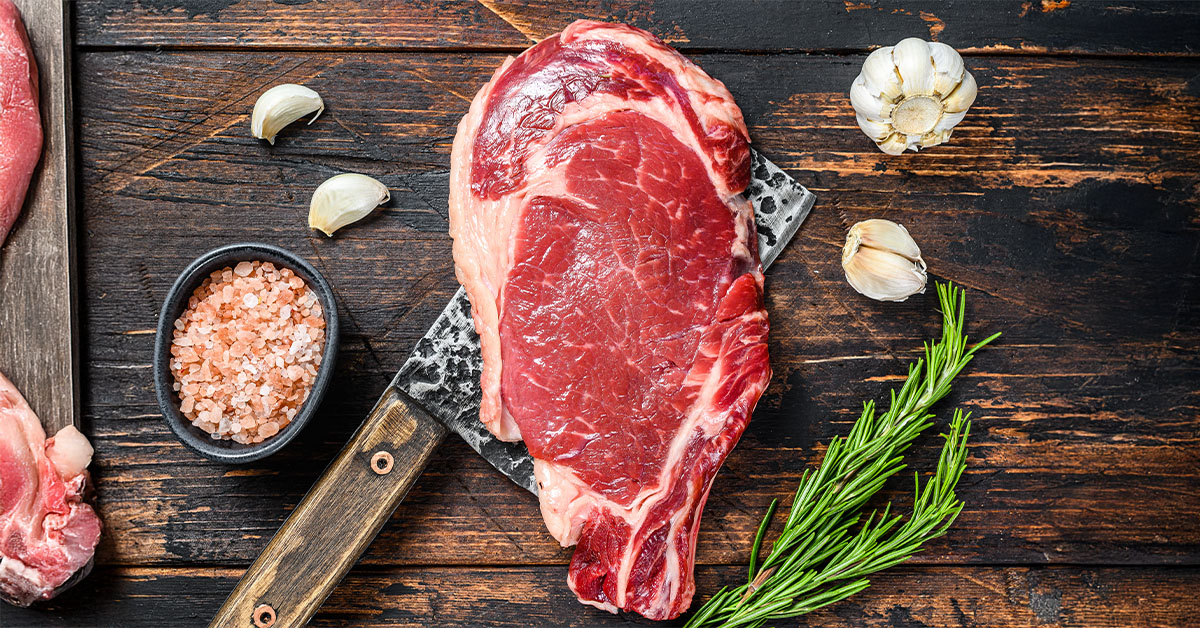
How Choice Ribeye Looks
Choice ribeye features moderate marbling, with fat streaks that are visible but less uniform compared to Prime. You’ll notice the white intramuscular fat is more spaced out, giving the steak a slightly leaner appearance. The meat itself has a rich cherry-red color, though it’s a touch lighter than Prime, with a defined grain that hints at its firmer texture.
When you touch the steak, it feels firmer because of the reduced fat content. The marbling isn’t as intricate – some areas might have minimal fat streaks, while others show concentrated pockets. A fresh Choice ribeye should look moist but not wet, with no signs of discoloration or dryness. These visual and tactile cues give you a good sense of how the steak will perform in the kitchen.
Taste and Texture
Cooked just right, Choice ribeye delivers a flavorful and satisfying steak. The moderate marbling ensures enough fat to keep the steak juicy, but it’s less forgiving if overcooked. The fat melts beautifully during cooking, enhancing the overall flavor and moisture of the meat.
The texture is firmer than Prime, offering a hearty bite without being tough. When prepared properly, it provides a pleasant chew that steak lovers often enjoy. Thanks to its leaner profile, the beef’s natural flavor comes through more distinctly, giving it a bold, meaty taste.
When seared, Choice ribeye develops a rich caramelized crust that contrasts beautifully with its tender interior, especially if cooked to medium-rare or medium. While it doesn’t have the buttery richness of Prime, it holds its own with a robust, beefy flavor that pairs well with seasonings or marinades. With proper handling, Choice ribeye delivers a satisfying balance of taste, texture, and value.
Side-by-Side Comparison
When it comes to comparing Prime and Choice ribeye, their differences in appearance, texture, and flavor become quite evident. These distinctions not only highlight the quality of each cut but also help you make an informed decision when selecting your next steak.
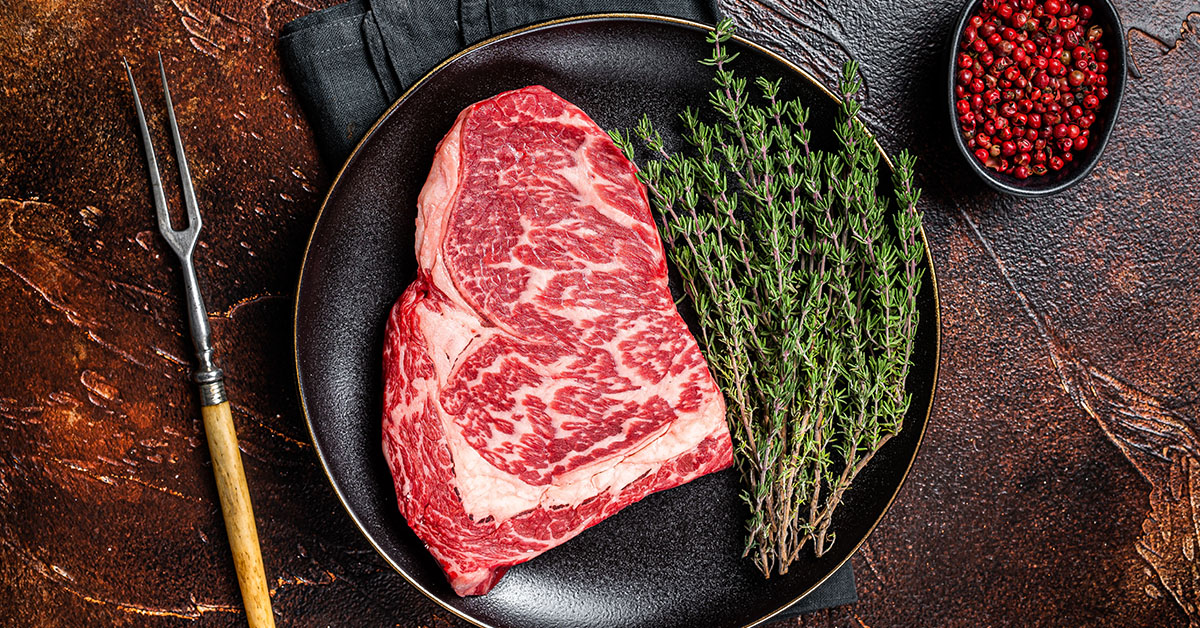
Marbling and Color Differences
The standout feature of Prime ribeye is its marbling. It has an abundance of fine, evenly distributed white fat, giving it a luxurious, speckled look. On the other hand, Choice ribeye has more moderate marbling, which tends to be uneven in distribution. This difference in fat content is a key factor in how each steak cooks and tastes.
Prime ribeye also tends to display a brighter, more vibrant red color compared to the slightly darker or less vivid tone of Choice ribeye. The fat in Prime ribeye appears creamier, while the fat in Choice ribeye is less so. These visual cues hint at the flavor and texture each cut will deliver.
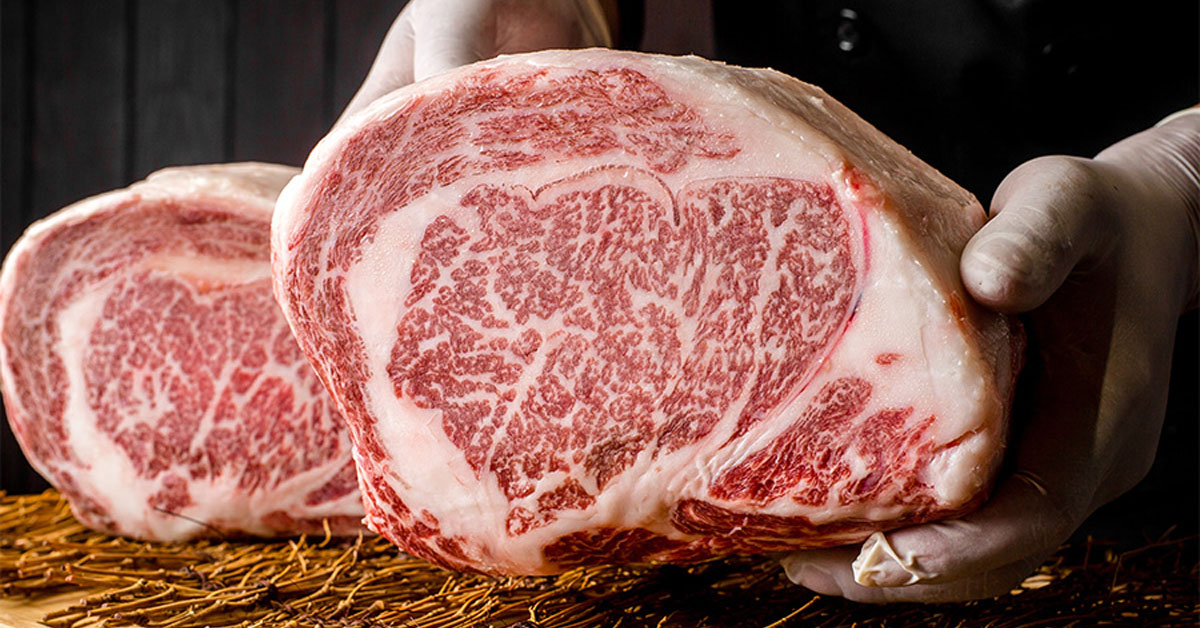
In terms of cooking, the higher marbling in Prime ribeye allows it to retain moisture and flavor exceptionally well, even under high heat. This results in a steak that is juicier and more tender. Choice ribeye, with its lower fat content, can still be delicious but requires more careful cooking to prevent it from drying out – especially if cooked beyond medium.
Feature Comparison Chart
Here’s a quick breakdown of how Prime and Choice ribeye compare across key features:
| Feature | Prime Ribeye | Choice Ribeye |
|---|---|---|
| Marbling | Abundant, evenly distributed | Moderate, less uniform |
| Tenderness | Exceptionally tender | Tender, slightly coarser |
| Flavor | Rich, buttery, juicy | Flavorful, less rich |
| Availability | Limited, premium outlets | Widely available |
| Price (USD) | $25–$40/lb | $15–$25/lb |
Prime ribeye typically costs 30–50% more per pound than Choice. As of 2025, Prime ribeye is priced between $25 and $40 per pound, while Choice ribeye ranges from $15 to $25 per pound, depending on the retailer and location.

Choice ribeye is easy to find, making up around 50% of all graded beef in the U.S. and is commonly available in supermarkets and casual dining spots. Prime ribeye, however, is far rarer, accounting for just 2–3% of beef. It’s usually found at high-end steakhouses, specialty butchers, or select retailers.
The difference in marbling not only defines the texture and flavor but also shapes the overall cooking experience and dining satisfaction for each grade.
sbb-itb-5ae85c5
How to Cook Each Grade
Cooking ribeye depends heavily on its grade. Prime ribeye, with its rich marbling, offers flexibility and forgiveness in cooking, while Choice ribeye demands a bit more precision to bring out its best qualities.
Best Ways to Cook Prime Ribeye
Thanks to its abundant marbling, Prime ribeye can handle high-heat cooking methods beautifully. Grilling and broiling are top choices, as they create a flavorful crust while the fat melts into the meat, keeping it tender and juicy.
One standout method for Prime ribeye is reverse searing. Start by cooking the steak slowly in a low oven, set to about 275°F, until it’s roughly 10°F below your desired doneness. Then, finish it with a quick, high-heat sear in a cast-iron skillet. This approach ensures precise control over doneness and enhances the natural flavors of the steak.

For seasoning, keep it simple. Sprinkle salt and pepper about 40 minutes before cooking to let the flavors penetrate, and let the marbling do the rest. However, be cautious not to overcook Prime ribeye – its high fat content means it can go from perfectly cooked to overdone in no time. After cooking, rest the steak for 5–10 minutes to let the juices redistribute evenly.
While Prime ribeye is forgiving and thrives with high-heat methods, Choice ribeye requires a more delicate approach to shine.
Best Ways to Cook Choice Ribeye
Choice ribeye benefits greatly from a little extra care. Marinating for 2–4 hours with olive oil, garlic, and herbs can boost its flavor and help maintain moisture. If marinating isn’t your style, a generous seasoning of salt, pepper, and a favorite steak rub applied 30–60 minutes before cooking works just as well.
Temperature control is key for Choice ribeye. Use a meat thermometer to nail the perfect doneness – 125°F for medium-rare or 135°F for medium. Avoid cooking it beyond medium, as the lower fat content can make the meat tougher.
Beyond grilling, Choice ribeye shines in slow-cooking methods like braising. Slow cooking breaks down the muscle fibers over time, resulting in tender, flavorful meat. A braised Choice ribeye can rival pricier cuts, making it a great option for hearty, budget-friendly meals.
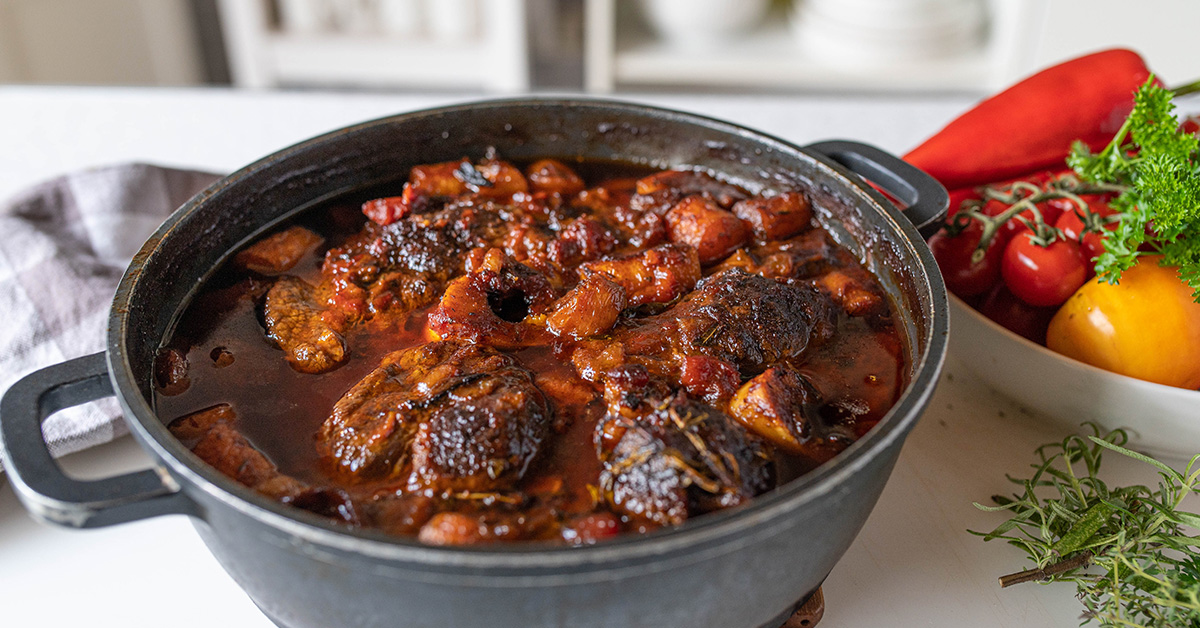
For pan-searing, a cast-iron skillet is your best friend. Start with high heat to sear both sides, creating a golden crust, then lower the heat to finish cooking. This method prevents the exterior from burning while ensuring the interior reaches the perfect temperature.
Although Choice ribeye requires more technique than Prime, it rewards you with delicious, versatile results. With the right preparation, it can hold its own against more marbled cuts, offering plenty of opportunities for creative and satisfying meals.
Why Choose Wild Country Meats for Your Ribeye
When you’re looking for top-notch ribeye steaks – whether Prime or Choice grade – Wild Country Meats has earned its reputation as a go-to source for high-quality beef. This family-owned business, founded by Chris Gabriel in 1998, brings over 25 years of experience in custom meat processing and retail, serving communities across Oklahoma. Their dedication to quality and transparency sets them apart in the world of premium meats.
Quality and Transparency
At Wild Country Meats, quality isn’t just a promise – it’s the foundation of everything they do. Operating under USDA inspection, their facilities adhere to strict standards, ensuring every step of the process is transparent and meticulous. Each animal is tagged, photographed, and inventoried, giving customers confidence in the product they’re buying.
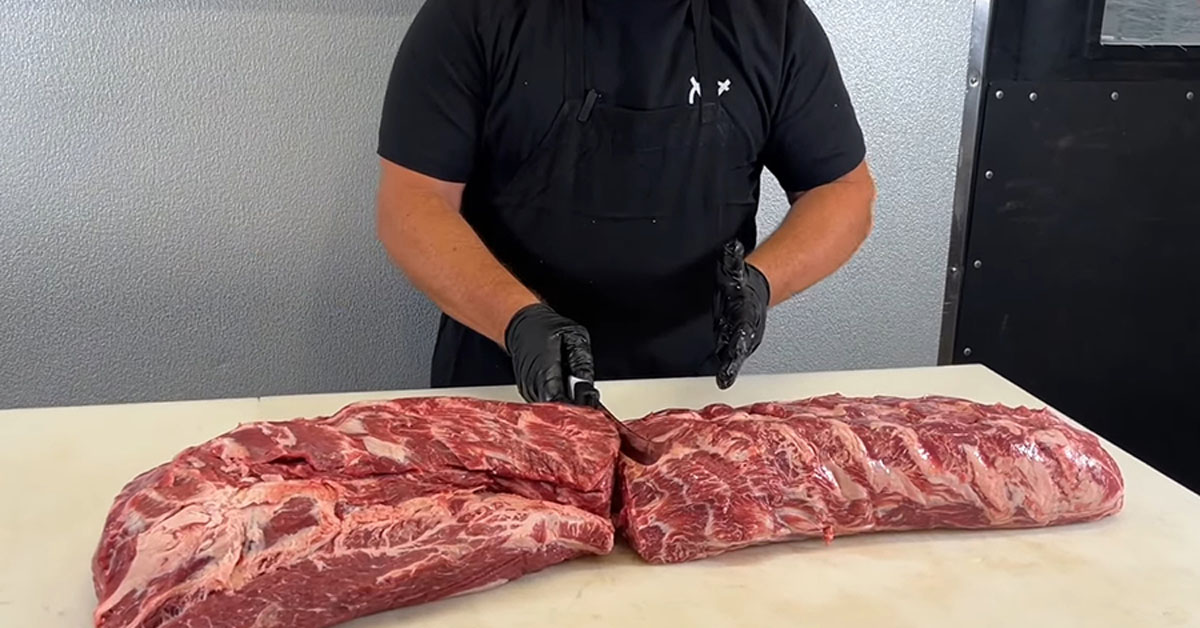
Prime-grade beef makes up only about 5–6% of all U.S. beef, and Wild Country Meats carefully selects the best of both Prime and Choice grades to deliver exceptional marbling and texture. Even their Choice ribeye options are a cut above what you’d typically find in a grocery store, thanks to their rigorous selection process.
Local Sourcing and Custom Cuts
Wild Country Meats takes pride in sourcing their beef locally, which not only supports nearby farms but also reduces transport time. This approach ensures your ribeye is as fresh as possible, while also prioritizing animal welfare.
Their commitment to quality extends to their custom processing services. Whether you prefer your ribeye bone-in or boneless, thick-cut for reverse searing, or portioned for easy grilling, their skilled butchers can tailor the cut to your exact specifications. You can even choose your preferred thickness and packaging style to suit your cooking plans.
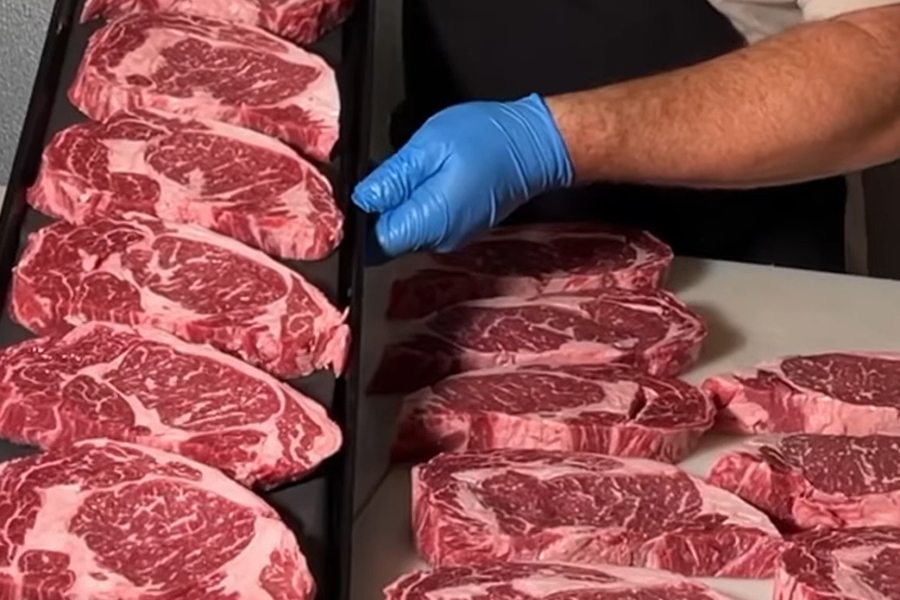
But the service doesn’t stop there. The knowledgeable staff is always ready to offer advice on cooking techniques and help you choose between Prime and Choice grades based on your budget and culinary goals. Their expertise ensures you get the perfect ribeye for any occasion.
With locations in Hominy and Cleveland, Oklahoma, Wild Country Meats serves a wide area, including Tulsa, Broken Arrow, and Stillwater, with delivery available within a 50-mile radius. For added convenience, they offer online ordering and even a drive-thru service at their Cleveland location.
Making the Right Choice
When it comes to picking the perfect ribeye, it all boils down to matching your cooking goals with your budget. If you’re after the ultimate indulgence, Prime ribeye is hard to beat. Its rich marbling ensures incredible tenderness and flavor, but since it represents only about 2–3% of all U.S. beef, it comes with a higher price tag. On the other hand, Choice ribeye strikes a balance between quality and affordability, offering excellent flavor and tenderness at a more wallet-friendly price. In fact, it accounts for over 50% of graded beef sold across the country.
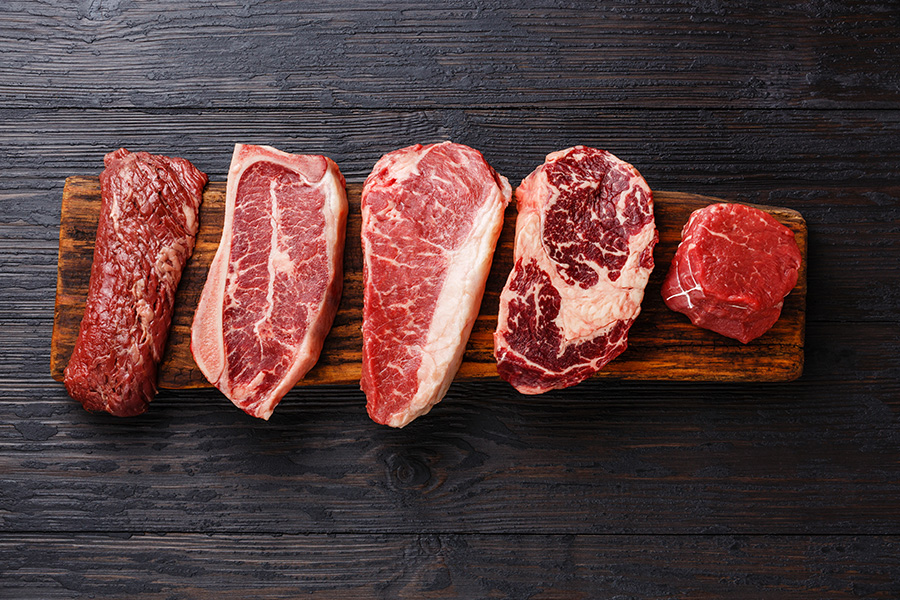
When you’re at the butcher counter, look closely at the marbling. Prime ribeye stands out with its abundant, evenly distributed fat, while Choice ribeye has more moderate marbling. This difference often explains the price gap, with Prime ribeye typically costing $5–$15 more per pound.
For those special occasions when you want to impress or treat yourself, Prime ribeye delivers a luxurious, buttery texture and flavor that’s worth the splurge. But for everyday grilling or weeknight dinners, Choice ribeye is an excellent option. Its moderate marbling still packs plenty of flavor, and with a bit of care, you can find Choice cuts that come close to Prime quality without the steep price.
If you’re keeping an eye on your budget, Choice ribeye is a smart pick. It offers bold flavor and a leaner profile at a fraction of the cost of Prime. And every now and then, you might stumble upon a Choice steak with marbling that rivals Prime – an even better deal.
No matter which grade you choose, proper cooking is key to getting the most out of your steak. Prime ribeye shines when cooked simply, allowing its natural richness to take center stage. Choice ribeye, on the other hand, is perfect for meals where you want great steak flavor without breaking the bank. Just remember, overcooking Prime can dull its luxurious qualities, so keep an eye on the heat.
At Wild Country Meats, you’ll find carefully selected cuts of both Prime and Choice ribeye. Their commitment to quality and transparency ensures you can make an informed decision that fits your needs. Whether you’re planning a lavish dinner or a casual cookout, matching the right grade to your cooking style and budget guarantees a steak that hits the mark.
FAQs
What should I consider when deciding between Prime and Choice ribeye for a special occasion?
When deciding between Prime and Choice ribeye for a special meal, the standout factor is marbling – the intramuscular fat that brings both flavor and tenderness to the steak. Prime ribeye boasts more marbling, delivering a richer, juicier bite, which makes it perfect for indulgent dinners or celebratory occasions.
On the other hand, Choice ribeye is a bit leaner but still packs plenty of flavor. It’s often easier on the wallet, making it a practical choice for casual dinners or larger gatherings. Ultimately, your pick will hinge on the occasion, your budget, and how much decadence you want on your plate.
How does cooking affect the flavor and texture of Prime and Choice ribeye steaks?
The way you cook a ribeye steak can make all the difference in its flavor and texture, whether you’re working with Prime or Choice cuts. Prime ribeye, known for its abundant marbling and higher fat content, truly shines when grilled or seared over high heat. This method allows the fat to render beautifully, resulting in a juicy, flavorful steak with a tender bite.
On the other hand, Choice ribeye, which is leaner, requires a bit more attention to keep it from drying out. Techniques like sous vide or pan-searing with a generous amount of butter can help lock in moisture and bring out its tenderness. No matter the grade, seasoning your steak well and letting it rest after cooking are key steps to ensuring a delicious result.
How can I keep a Choice ribeye steak tender and flavorful while cooking?
To keep a Choice ribeye steak tender and packed with flavor, start by letting it sit at room temperature before cooking. This step ensures it cooks evenly. Season the steak generously with salt, pepper, or your go-to steak seasoning.
For the perfect sear, use high heat and cook each side for about 3-4 minutes to seal in the juices. Then, lower the heat to medium and continue cooking until it reaches your preferred doneness. A meat thermometer is your best friend here: aim for an internal temperature of 130°F for medium-rare or 140°F for medium.
Once cooked, let the steak rest for 5-10 minutes. This allows the juices to redistribute, giving you a tender, flavorful bite every time.