
The ribeye steak is one of the most popular cuts of beef, known for its rich marbling, tenderness, and bold flavor. But not all ribeye steaks are the same. There are three main types to choose from:
- Down (Light) Ribeye: A smaller, boneless cut (8–14 oz) with excellent marbling. It’s ideal for individual servings and quick cooking.
- Up (Heavy) Ribeye: A larger, boneless cut (14–18 oz) with superior marbling, often from higher USDA grades. Perfect for those who want a hearty, flavorful steak.
- Tomahawk Ribeye: A bone-in cut (30–45 oz) with a long rib handle, making it a stunning centerpiece. Best for sharing and special occasions.
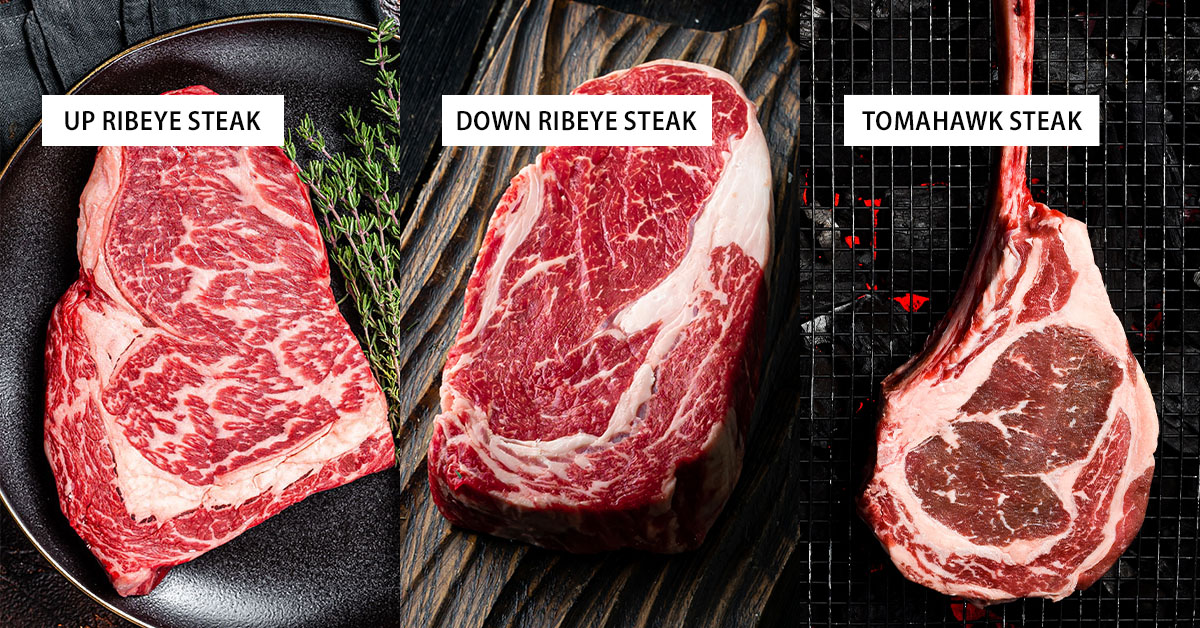
Each cut offers a different experience, from practical portions to bold presentations. Here’s how they compare:
| Feature | Down Ribeye | Up Ribeye | Tomahawk Ribeye |
|---|---|---|---|
| Bone Style | Boneless | Boneless | Bone-in |
| Weight | 8–14 oz | 14–18 oz | 30–45 oz |
| Serving Size | 1 person | 1–2 people | 2–4 people |
| Presentation | Simple | Large portion | Dramatic |
| Cooking Method | Quick sear | Pan-sear, grill | Reverse sear |
Choose based on your appetite, cooking style, and the occasion. Whether it’s a casual dinner or a celebration, there’s a ribeye cut for you.
Ribeye Steak Guide: What’s the Best Cut on a Beef Rib Section?
Down (Light) Ribeye
The down ribeye is perfect for steak enthusiasts who crave bold flavors but prefer a smaller, more manageable portion. Cut from smaller-framed cattle, this steak offers the same rich taste and tenderness that make ribeye a favorite, but in a size that’s easier to handle. Let’s dive into what makes this cut special and how it’s prepared.
/
Down Ribeye Features
This cut is about one inch thick and boasts excellent marbling, with fat that melts during cooking to create a buttery texture and deep, savory flavor.
Since it comes from smaller cattle, the steak is a more practical size, cooking evenly and making it a go-to choice for home chefs who want restaurant-quality results without the hassle of managing larger cuts.
For those who find oversized steaks daunting or want to leave room for sides and dessert, the down ribeye offers a premium dining experience in a perfectly portioned size.

Trimming and Prep Work
The down ribeye is prepared with minimal trimming, which means less waste and more of the steak’s natural character is preserved. This ensures you get the most out of each cut.
The tail length can be adjusted to suit individual preferences. Some prefer a longer tail for an elegant presentation, while others opt for a shorter trim to simplify cooking and plating. This customization makes it easy to tailor the steak to your needs.
Even the fat trimmings from the preparation process don’t go to waste – they’re repurposed for ground beef, contributing to hamburger production. This thoughtful use of resources reflects a commitment to sustainability and ensures every part of the cattle is put to good use.
Up (Heavy) Ribeye
If you’re after a steak that delivers on size and flavor, the up ribeye is a standout choice. Sourced from larger cattle, this cut offers generously sized, marbled steaks that are perfect for those who crave a hearty and indulgent dining experience. It’s a step up for anyone looking for a bolder option compared to the down ribeye.
What Makes the Up Ribeye Special
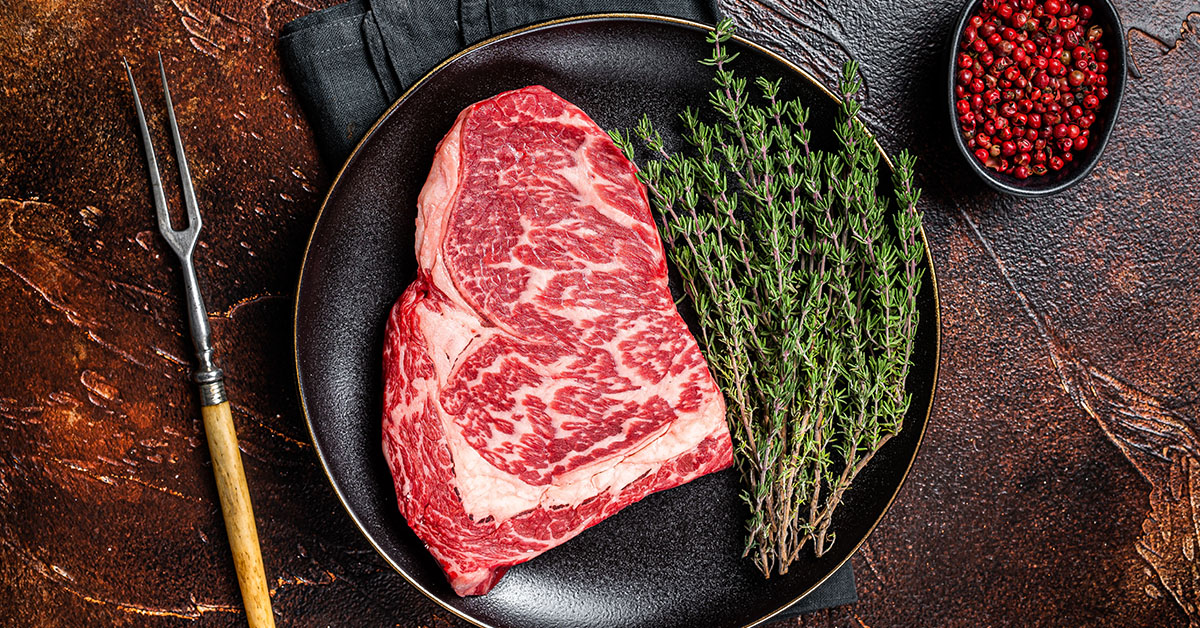
This cut is all about superior marbling and generous portions, typically ranging from 14 to 18 ounces. The marbling, often associated with a higher USDA grade, ensures a rich, buttery flavor and a tender bite when prepared properly. It’s the kind of steak that feels indulgent from the first bite to the last.
Why Pick the Up Ribeye?
The up ribeye combines impressive size with exceptional quality. Its larger portions are perfect for satisfying big appetites or even sharing, while the premium marbling guarantees a flavorful and juicy steak. Plus, the higher USDA grade highlights the meticulous selection process behind this cut, ensuring a premium experience every time.
Up next, learn how the tomahawk cut takes presentation to the next level.
Tomahawk Ribeye
The tomahawk ribeye is known for its dramatic presentation, thanks to the long, exposed rib bone that sets it apart visually. It’s a popular choice for celebrations and special gatherings, offering both impressive looks and generous portions.
Weighing in at 30–45 oz, this hefty steak is perfect for sharing, comfortably serving 2 to 4 people. The marbling and bone-in structure work together to lock in flavor and keep the meat juicy, delivering a rich and satisfying dining experience.
What Makes the Tomahawk Stand Out
The tomahawk ribeye comes from the same ribeye loin as other ribeye cuts, but the way it’s butchered makes all the difference. The process begins by separating the front quarter from the hindquarter between the 12th and 13th rib. Then, the chuck is removed from the rib section between the 5th and 6th ribs, leaving seven full ribs to work with.
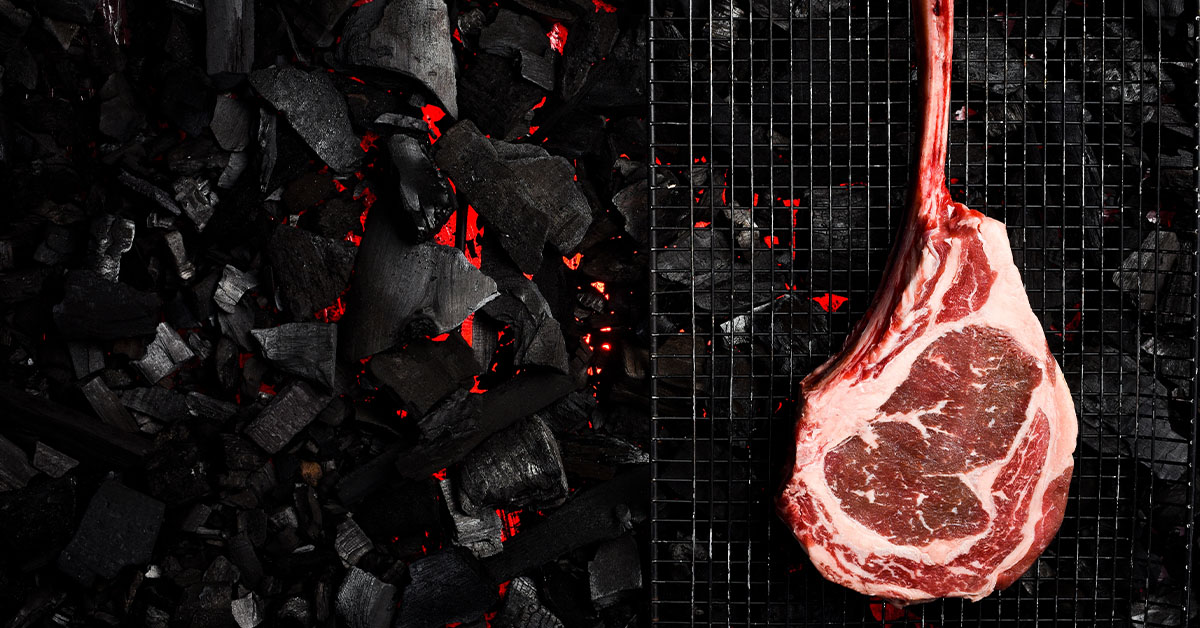
Each steak is hand-cut between these ribs, ensuring the bone remains intact and the portion size stays consistent. The rib bone, typically 6–8 inches long, is meticulously cleaned of meat and fat to achieve that polished, restaurant-quality appearance.
The tomahawk is usually cut about 2 inches thick, much thicker than a standard ribeye. This thickness, combined with the dramatic bone-in presentation, makes it a true centerpiece – perfect for both its visual appeal and its bold flavor.
Custom Trimming and Finishing
Once the steaks are cut, they undergo a detailed trimming process. The bone is carefully cleaned, and the surface of the steak is refined to highlight its marbling. This step requires precision and expertise, ensuring the tomahawk looks as impressive as it tastes.
The bone length can even be customized to suit individual preferences. Some people love the dramatic flair of a longer bone, while others might prefer a shorter version that’s easier to handle in the kitchen. Beyond bone length, customers can also request adjustments to fat trimming, steak thickness, or even specific presentation styles.
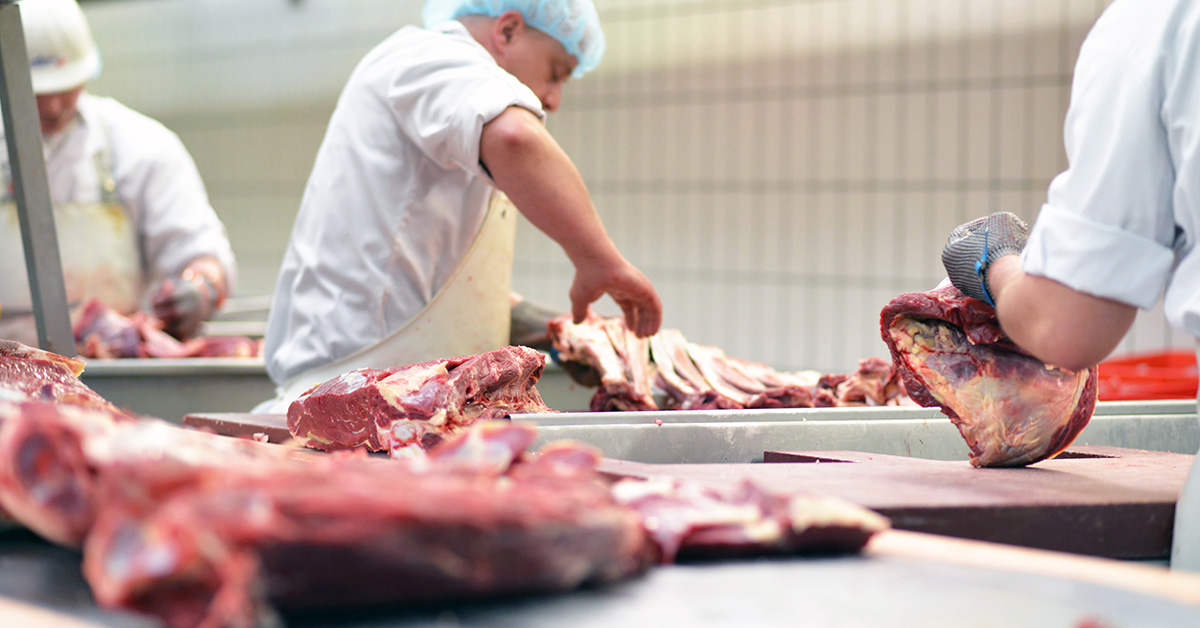
This attention to detail ensures every tomahawk ribeye is tailored to meet personal tastes while maintaining the premium quality and stunning appearance that make it so memorable. Whether for a special occasion or just a meal to remember, this steak is a true showstopper.
sbb-itb-5ae85c5
Ribeye Cut Comparison
Choosing the right ribeye cut can elevate your meal, whether it’s a casual dinner or a special celebration. While all three cuts come from the same ribeye loin, they stand apart in how they’re prepared, portioned, and presented. Let’s break it down.
Comparison Chart
| Feature | Down (Light) Ribeye | Up (Heavy) Ribeye | Tomahawk Ribeye |
|---|---|---|---|
| Cattle Source | From smaller-framed cattle | From larger-framed cattle | Same ribeye loin, bone left attached |
| Bone Style | Boneless | Boneless | Bone-in with a long rib handle |
| Thickness | About 1 inch | About 1 inch | Typically thicker than 1 inch |
| Weight/Portion | Lighter | 14–18 oz | Heavier |
| Marbling | Excellent | Superior (higher USDA grade) | Excellent |
| Presentation | Classic steak cut | Premium large portion | Dramatic showpiece |
| Serving Size | Ideal for 1 person | Serves 1–2 people | Perfect for sharing (2–4 people) |
| Cooking Method | Pan-sear, grill, or broil | Pan-sear, grill, or broil | Reverse sear with oven finish recommended |
| Trimming | Minimal trim, customizable tail | Standard trim, fat reserved for burger | Hand-cut, bone cleaned for refined look |
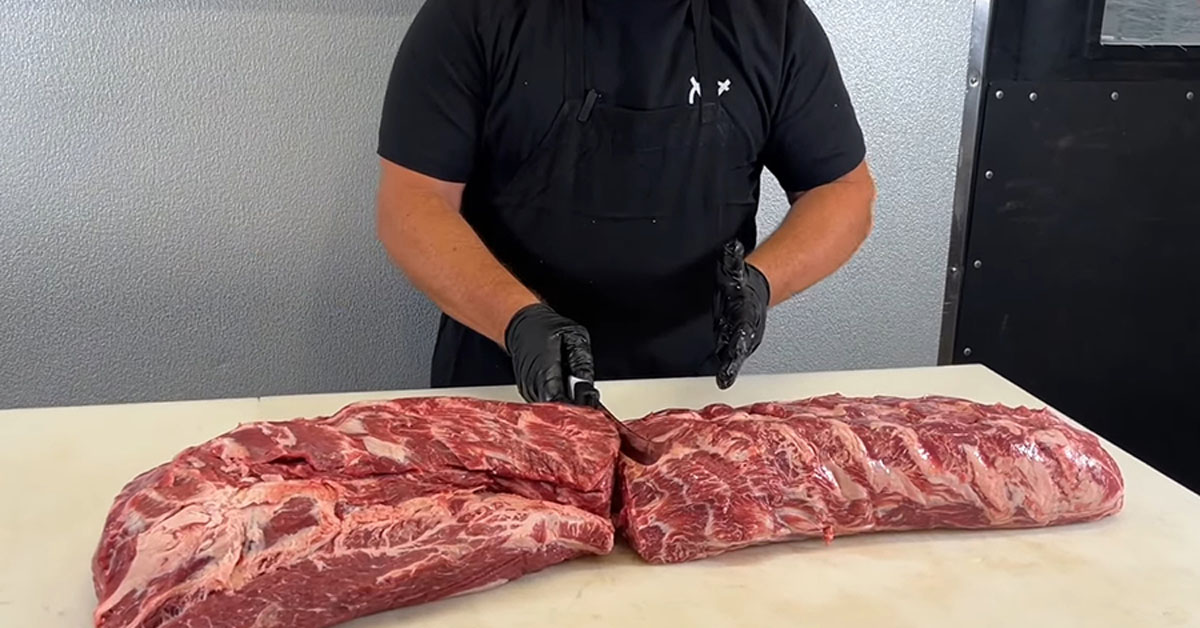
The down ribeye is your go-to for everyday meals. It delivers the rich flavor of premium beef in a smaller, manageable portion – perfect for quick weeknight dinners or when you’re cooking for one.
The up ribeye, on the other hand, is designed for those who crave a heartier cut. With its larger size and indulgent marbling, it’s ideal for a satisfying meal that feels a bit more luxurious.
Then there’s the tomahawk ribeye, which is all about making a statement. Its iconic bone-in design and long rib handle create an eye-catching centerpiece that’s perfect for entertaining or celebrating a special occasion. Plus, its thicker cut means you can achieve precise temperature control for a beautifully even cook.
Whether you’re after a quick and simple steak, a generous portion to satisfy your hunger, or a show-stopping cut to impress your guests, there’s a ribeye for every occasion. Keep reading to see how expert butchering and custom cuts can enhance these options even further.
Custom Cuts and Butcher Skills
At Wild Country Meats, every ribeye steak can be tailored to your exact preferences. This is possible because all processing is done in-house, allowing you to communicate directly with the butcher. Whether you’re after a thicker steak for reverse searing or a specific bone length for presentation, the skilled butchers are ready to meet your needs. This personalized approach highlights their dedication to delivering cuts that align perfectly with your tastes.
Thickness customization is one of the most common requests. While the standard cut is about 1 inch thick, you can opt for thicker steaks ideal for slow cooking or thinner cuts for quick searing. Fat trimming is another way to personalize your order. Some customers prefer a ribeye with a longer tail for added flavor, while others prefer a shorter trim for a cleaner look. The butchers can also adjust the fat content, leaving more marbling for a richer taste or trimming it down for a leaner option.
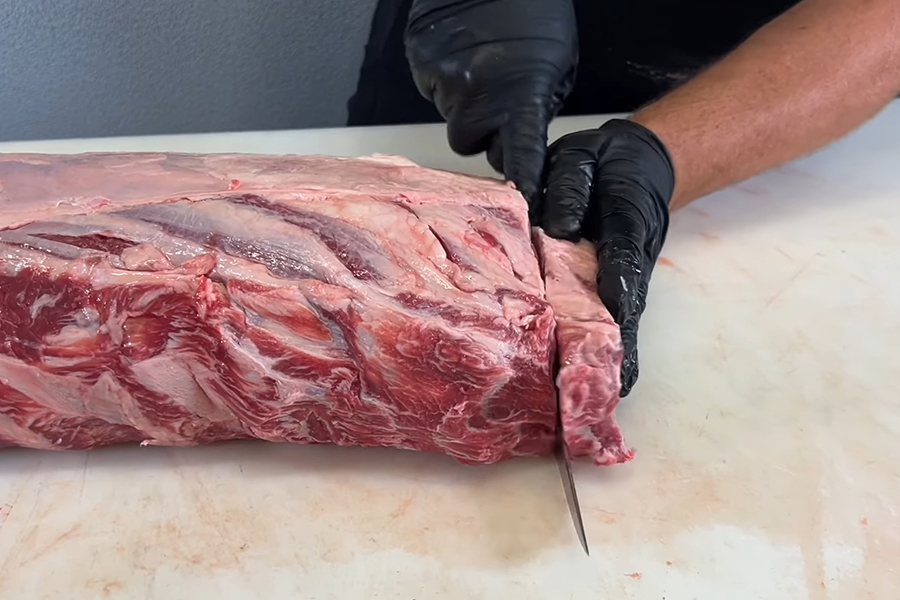
For those who love tomahawk steaks, the customization options are even more refined. You can specify the bone length for an impressive table presentation or request the bone to be "frenched", where it’s cleaned and polished for a sleek, restaurant-style appearance. This attention to detail reflects the butchers’ commitment to precision and tradition.
The butchers at Wild Country Meats bring decades of experience, rooted in a third-generation tradition. Their expertise ensures that every cut is skillfully handled, and they can adapt their techniques to fit your unique requests.
Transparency is a key part of the process. When you place an order, the butcher explains how your steak will be processed, what parts will be trimmed, and how the trimmings will be used. This approach not only maximizes resource use but also aligns with sustainable practices.

Customer feedback plays a big role in refining these services. The butchers regularly tweak their techniques based on what customers share about their cooking experiences and preferences. This ongoing dialogue ensures your steak is just the way you want it – whether it’s the size, fat content, or presentation.
Beyond just preparing your order, the butcher will also offer advice on preparation methods and explain marbling patterns to help you make informed choices about thickness, trimming, and bone length.
Every customization is supported by full traceability. Each animal is tagged, photographed, and cataloged, giving you a clear view of where your beef comes from and how it was processed. This transparency builds trust and allows you to feel confident about your purchase.
The combination of traditional butchering skills, modern facilities, and a customer-first approach ensures you’re never limited to standard cuts. Whether you’re planning a special recipe or want a show-stopping tomahawk for a celebration, the team can deliver exactly what you’re looking for. These custom cuts reflect their commitment to quality and allow you to enjoy a steak that’s prepared just the way you like it.
Choosing the Right Ribeye Cut
When picking a ribeye, think about how you plan to cook it and how much you want to serve. Wild Country Meats offers a variety of ribeye cuts, each suited to different occasions and preferences.
Down ribeyes are perfect for everyday grilling or casual weeknight dinners. These cuts come from smaller-framed cattle, offering excellent marbling and a rich, beefy flavor. If you’re cooking for one or two people and want a reliable, high-quality steak for regular meals, this is a fantastic option.
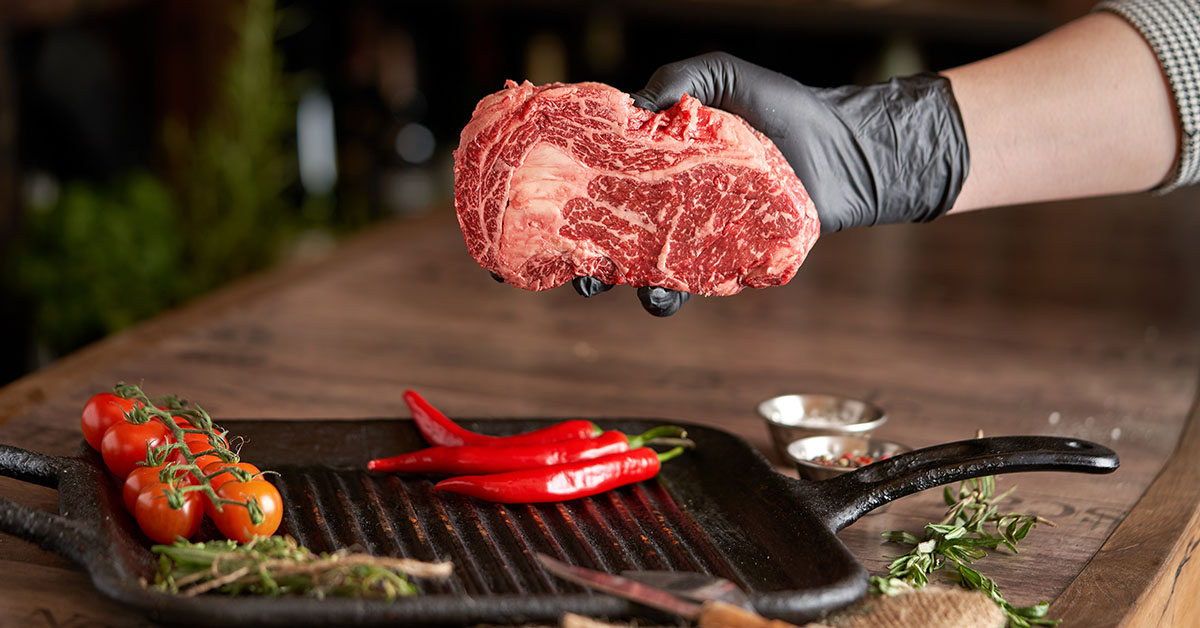
Up ribeyes, on the other hand, are ideal for special occasions or when you’re serving bigger appetites. Sourced from larger cattle with superior marbling that aligns with higher USDA grades, these steaks deliver that premium steakhouse feel. Whether you’re planning a romantic dinner or hosting guests, their generous size makes them great for sharing and creating a memorable meal.

For a show-stopping presentation, tomahawk ribeyes are the way to go. With their signature long bone handle, these steaks are perfect for celebrations, holidays, or any time you want to impress your guests. The bone not only adds dramatic flair but also helps retain moisture and enhance flavor during cooking. Each tomahawk ribeye is hand-cut, so sizes may vary slightly, adding to their unique appeal.
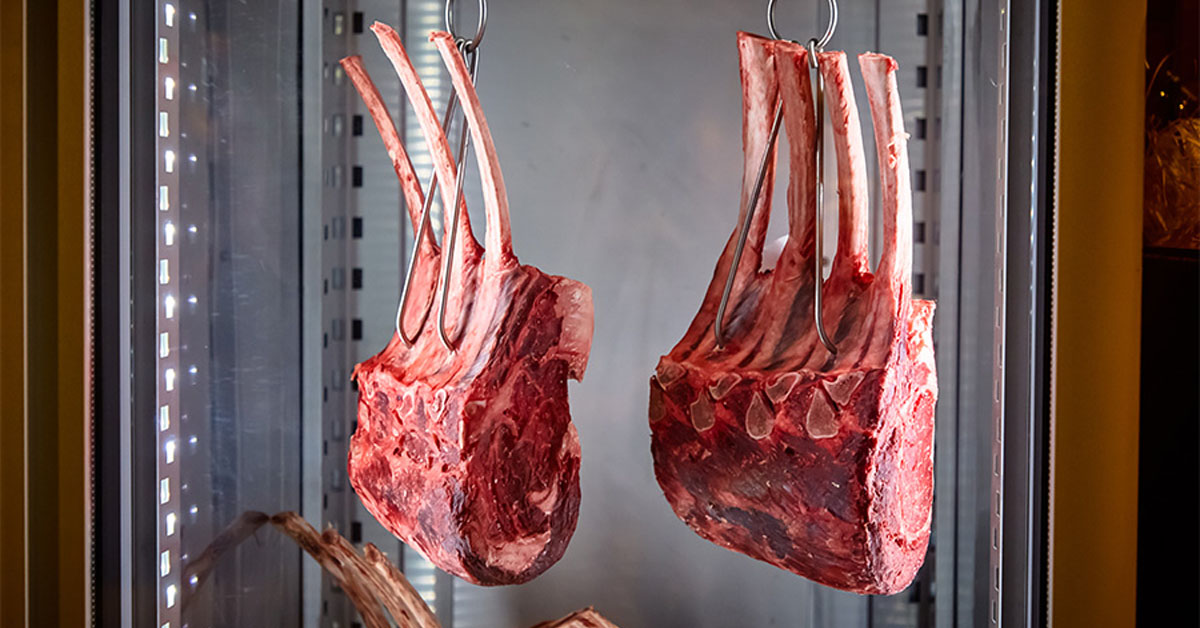
Your cooking method can also influence your choice. Thinner down ribeyes are great for quick, high-heat searing, while the thicker up ribeyes are well-suited for techniques like reverse searing. Tomahawks shine with indirect grilling or finishing in the oven, where the bone acts as a natural handle and helps lock in flavor.
Every ribeye from Wild Country Meats is locally sourced and expertly processed, backed by three generations of butchering expertise. This ensures consistent quality across all cuts, whether you’re prioritizing size, presentation, or cooking style.
So, whether you’re planning a casual dinner, a special celebration, or a meal to wow your guests, there’s a ribeye cut to match. Down ribeyes are great for everyday meals, up ribeyes elevate special occasions, and tomahawks steal the show with their dramatic appearance.
FAQs
What are the best ways to cook each type of ribeye cut to bring out its flavor and tenderness?
When it comes to the down (light) ribeye, quick, high-heat methods like grilling or pan-searing are your best bet. These cooking techniques bring out the steak’s rich marbling, resulting in a tender and flavorful bite.
The up (heavy) ribeye, with its larger size and extra marbling, also shines when grilled or pan-seared. However, it might need a little more time on the heat to reach your preferred level of doneness while keeping its juicy texture intact.
The tomahawk ribeye, known for its dramatic bone-in presentation, is perfect for grilling or oven roasting. These approaches ensure even cooking, deepen the steak’s natural flavors, and add a mouthwatering smoky touch.
For all these cuts, aim for an internal temperature of 130°F to 135°F to achieve that perfect medium-rare, balancing tenderness and flavor beautifully.
How does marbling in ribeye steaks impact their flavor and tenderness?
Marbling is the secret behind the rich flavor and tenderness of ribeye steaks. The light ribeye stands out with its impressive marbling, offering a savory taste and a soft, tender bite. The up ribeye, taken from larger cattle, takes it up a notch with even more marbling, making it juicier and packed with flavor. Then there’s the tomahawk ribeye – its generous marbling, paired with the dramatic bone-in presentation, delivers a buttery texture and a deep, unforgettable flavor. Thanks to the marbling in each cut, every bite feels indulgent and melts in your mouth.
Can I request specific sizes and trimming options for my ribeye steak at Wild Country Meats?
At Wild Country Meats, your ribeye steak is made just the way you like it. Want a specific thickness or a custom trim? The skilled butchers are ready to make it happen.
Whether it’s adjusting the trimmed tail or crafting the exact cut you have in mind, each steak is carefully prepared to match your preferences. Simply share your requests when placing your order, and they’ll take care of the rest!