
Our take: for many Oklahoma families, local meat box delivery wins on cut control, packaging, and freezer planning, while grocery stores win on same-day convenience.
If you want meat that is cut to your specs, vacuum sealed, and easier to track in your freezer, we would lean local. If you need dinner for tonight and do not want to plan ahead, the grocery store is still the simple pick.
One detail stands out to us: Wild Country Meats lists a $5 delivery fee within about a 50-mile radius of Tulsa and Oklahoma City (including meat delivery in Tulsa), and its beef is aged at least 21 days before packaging. That changes the value equation for families who buy more than a few packs at a time.
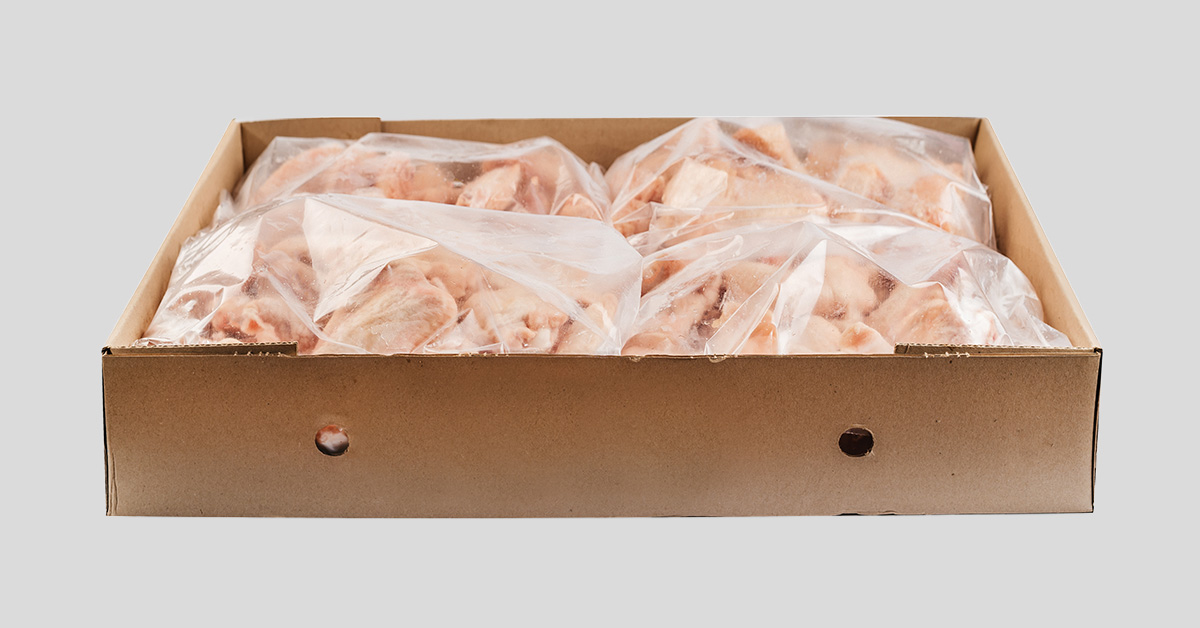
| Option | Best for | Main tradeoff |
|---|---|---|
| Local meat box delivery | Families who want custom cuts and freezer-ready packs | More planning, more upfront spend |
| Grocery store meat | Families who need meat the same day | Less control over cuts, pack sizes, and storage |
Here is how we see the choice.
We think this decision is less about hype and more about how your household shops, cooks, and stores food.
If your goal is better portion control, local delivery has a strong case. We can order custom meat bundles with specific steak thickness, roast size, and ground beef pack weight to fit how we cook. That helps when you are feeding two people one night and six the next.
If your goal is speed, grocery stores still do the job. We can stop in, buy what we need, and cook it that night. For many of us, that matters on busy weekdays.
We also look at what happens after the purchase.
With local orders, the packaging does more of the work. Vacuum-sealed packs, detailed labels, and an itemized list can make freezer use much less frustrating. In plain terms: we know what we have, and we use more of it.
Store meat usually gives us less control. We are picking from what is in the case. Pack sizes are preset. Labels are often basic. That is fine for short-term use, but it can be a weaker fit for long freezer storage.
A few points stand out:
- Local delivery gives us more say over cuts and portions.
- Grocery stores give us faster access when we need meat right away.
- Bulk buying can steady the budget over time, even if the first order costs more.
- Freezer space is the deciding factor for many families.
We would keep one number in mind: 21 days of beef aging is a process detail you do not usually see front and center in a standard grocery case. For shoppers who care about tenderness and consistency, that matters.
Our bottom line is simple:
- Choose local meat box delivery if you want more control, cleaner freezer organization, and a buying option that keeps more dollars close to home.
- Choose grocery store meat if you want low-commitment, same-day shopping and do not mind fixed cut options.
For many families, the best answer is not one or the other. It is both.
We would use local delivery for the core meat we eat every week, then use the grocery store for last-minute fill-ins. That mix often gives you the best fit for cost, convenience, and meal planning.

How Oklahoma Meat Box Delivery Works
We’re looking at a family-owned, USDA-inspected processor in Osage County, Oklahoma. Wild Country Meats operates facilities in Hominy and Cleveland, which gives families a clear USDA inspection standard to lean on.
Ordering and Delivery: What Oklahoma Families Can Expect
We have two main ways to order.
The Easy Order option gives us pre-built bundles and mixed boxes. It works well when we want a simple, ready-to-go pick.
The Buy Meat page gives us more control. We can choose specific cuts, bulk beef packages like quarters, halves, or whole beef, plus half hogs.
Delivery covers about a 50-mile radius around Tulsa and Oklahoma City for a flat $5 fee. If we prefer pickup, Cleveland pickup starts at 8 a.m.
That ordering setup matters, but the next piece matters just as much. Once meat goes into the freezer, cut choices and packaging can make day-to-day cooking a lot easier.
Cut Quality, Traceability, and Packaging Standards
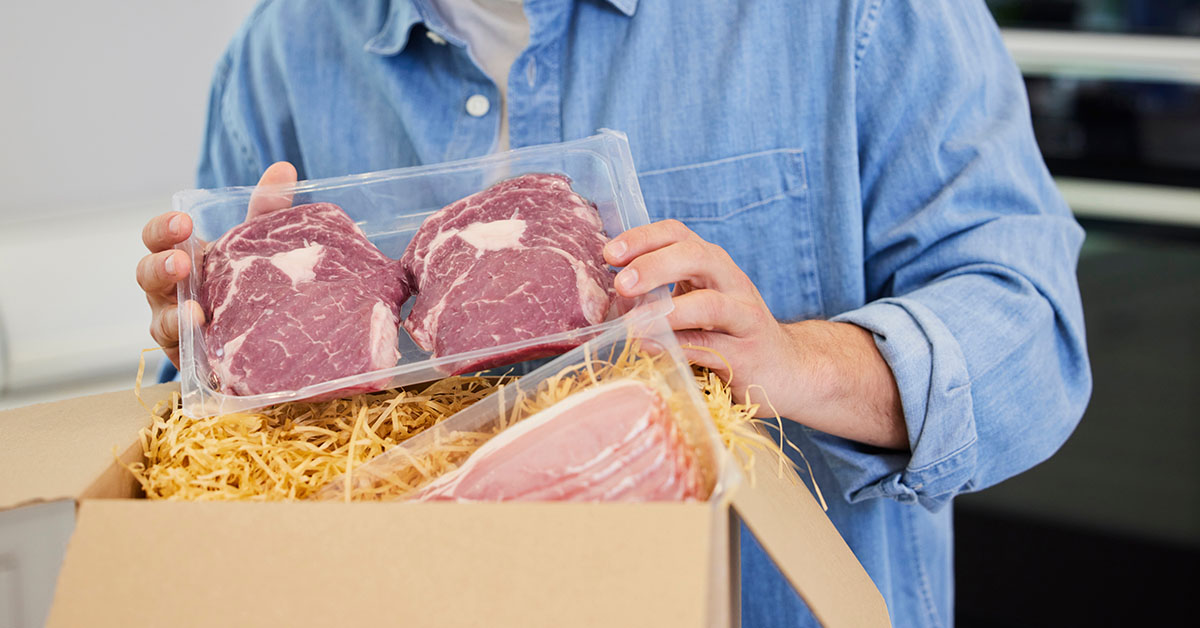
With a local butcher setup, we can give custom cutting instructions. We can ask for steak thickness, roast sizes, or ground beef packed in the portions we use at home.
Wild Country Meats also tracks each order closely. Each one is tagged, photographed, labeled, and added to an itemized inventory report.
"We track your product every step of the way with tags, photos and detailed labeling and give you an itemized inventory report showing all meat cuts on pickup or delivery."
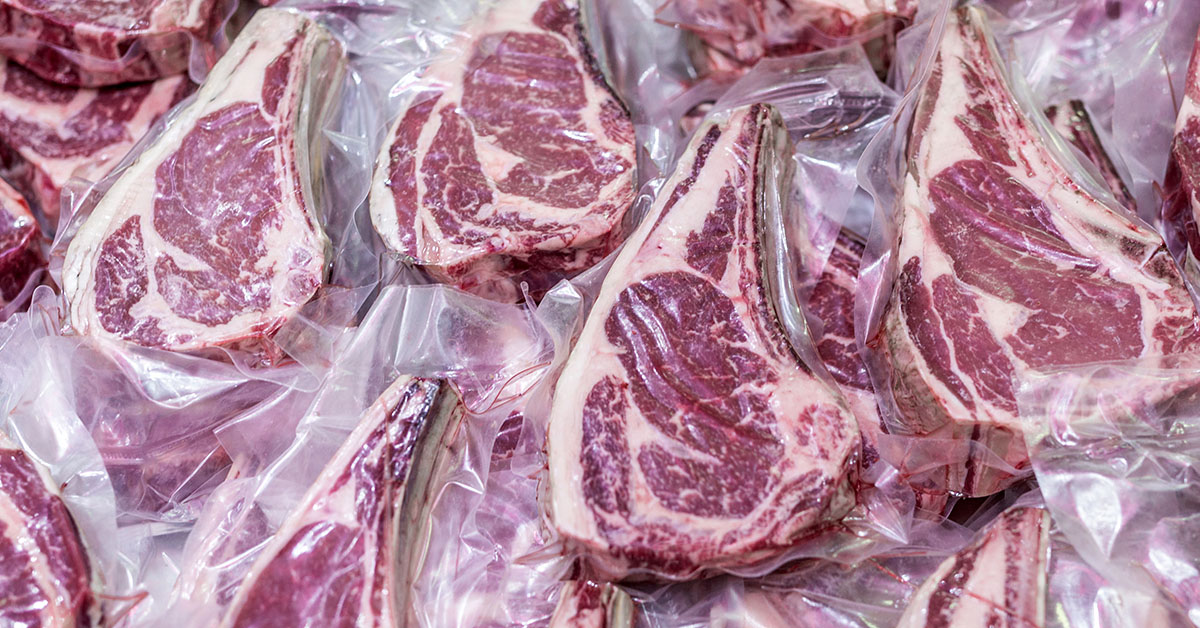
Vacuum-sealed packaging helps cut down on freezer burn. On top of that, all beef is aged at least 21 days before packaging to support tenderness and flavor.
That’s where the grocery-store comparison starts to matter. Clear labeling and freezer-ready packaging can save us hassle once the meat is back in our kitchen.
sbb-itb-5ae85c5
What Oklahoma Families Typically Get at the Grocery Store
Sourcing, Packaging, and Shopping Convenience at a Glance
Grocery store meat is easy to grab the same day we need it, but many families are switching to meat delivery in Owasso and surrounding areas for better quality. For busy families, that kind of convenience can make dinner happen on a packed weeknight.
At the same time, much of that meat has traveled hundreds or even thousands of miles through processing, packaging, shipping, and storage before it lands in the case.
When we shop the meat section, we also work within a fixed set of choices. Store meat is often pre-portioned in plastic trays, which means we usually have to pick from what is already there instead of asking for a thicker ribeye or a smaller roast.
"At a grocery store, you are limited to the cuts available in the case." – Bachman Family Farms
That is where the tradeoff starts to show. We get speed and convenience, but we often give up control over cut size, packaging, and how we plan for the freezer.
Head-to-Head Comparison: Which Option Fits Your Family Better
For Oklahoma families, the day-to-day gap comes down to what you get, how it stores, and how simple it is to use.
We see the biggest split after the meat leaves the counter. That is when portioning, freezing, and weeknight cooking start to matter.
Quality and Freshness: Side-by-Side Breakdown
The main difference is control before the meat even gets to our kitchen.
With local butcher-cut orders, we get more say in the final cut and portion size. That level of order tracking is stronger than what most of us get from retail case meat. At the grocery store meat case, we are usually picking from whatever is already stocked. In high-volume retail, turnover tends to matter more than custom requests.
| Factor | Oklahoma Meat Box Delivery | Grocery Store Meat |
|---|---|---|
| Cut Variety | Wide; includes custom requests and specialty bundles | Limited to high-demand retail cuts |
| Customization | Custom steak thickness, roast size, and ground beef portion options | Generally unavailable; limited to what is in the case |
| Sourcing Transparency | Tags, photos, and detailed labeling help confirm order accuracy | Limited sourcing detail |
Once the quality is set, packaging starts doing a lot of heavy lifting.

Packaging, Freezer Planning, and Long-Term Value
For meal planning, packaging matters a lot.
Local orders come vacuum-sealed, freezer-ready, and itemized, so we can see what is in the freezer before opening a package. That makes a big difference on busy nights. We are not digging through mystery bundles and hoping for the right cut.
Custom pack sizes also work well for smaller households and tighter freezer space. That kind of flexibility is rare at a standard meat counter.
| Factor | Oklahoma Meat Box Delivery | Grocery Store Meat |
|---|---|---|
| Labeling Detail | Detailed inventory reports with every order | Basic weight and price labels; limited sourcing info |
| Portion Control | High; custom pack weights available | Low; limited to standard family packs or pre-set weights |
| Freezer Life | High; professionally packaged for long-term storage | Moderate; retail packaging often gives families less control over freezer storage |
| Upfront Cost | Higher for bulk orders, but often competitive over time | Lower per transaction, but subject to weekly price swings |
| Budget Predictability | High; fixed pricing makes budgeting easier | Low; prices can change from week to week |
After that, most families want to know what happens if they need help.

Customer Service and Oklahoma Community Impact
Service is another place where the gap shows up fast.
Wild Country Meats offers custom cut requests, direct staff contact, and personalized ordering options that standard retail cannot match. If something needs fixing, we are talking to the team that processed the order, not a general store desk.
There is also the local side of the decision. When we buy from a local Oklahoma processor, more of that money stays closer to home. It supports local workers, ranchers, and small businesses across the state. Buying from a local processor keeps more dollars in Oklahoma.
| Factor | Oklahoma Meat Box Delivery | Grocery Store Meat |
|---|---|---|
| Service Flexibility | Custom cuts, direct staff contact, and personalized requests | Limited to available inventory in the display case |
| Problem Resolution | Direct contact with the team that processed your order | General retail customer service |
| Local Economic Impact | Supports Oklahoma workers, ranchers, and small businesses | Profits often leave the state |

Final Summary: Freezer Planning and Family Value
For most families, this choice comes down to two things: how you eat and how much freezer space you have.
Practical Freezer and Meal Planning Guidance
Once quality and packaging are settled, freezer space usually becomes the tiebreaker.
We recommend matching your order size to your freezer before you buy. Smaller packs tend to work well in a standard refrigerator freezer. Quarters and halves usually need a chest freezer or an upright freezer. For smaller households, custom pack sizes can help cut waste.
Many families also take a simple mixed approach. They use local delivery for core proteins, then grab fill-in items from the grocery store.
Key Takeaways
- Cut quality and customization are stronger with local butcher orders. Steak thickness, roast size, and ground beef portion weight can all be specified.
- Freezer-ready packaging with detailed labeling and an itemized inventory report makes meal planning straightforward and reduces waste.
- Buying local keeps more dollars in Oklahoma.
FAQs
How much freezer space do I need?
We need about 8 to 12 cubic feet of freezer space to store a half cow.
Can I choose my own cuts and pack sizes?
Yes. We can create custom packs and set the cuts and pack sizes the way we want.
Wild Country Meats processes livestock to our exact specs. We also get detailed labels and inventory reports, which makes it much easier to track everything.
Is local meat delivery worth the higher upfront cost?
It comes down to what we care about most.
At Wild Country Meats, we get USDA-inspected, butcher-cut meat that is aged for at least 21 days. That level of care shows up in the price.
Delivery is fairly low at $5 in select Oklahoma cities. Even so, the total cost can still end up higher than meat from a grocery store.
For many families, that tradeoff makes sense. We may pay more upfront, but we also get better quality, more freshness, added convenience, personal service, and the chance to support an Oklahoma meat business.