
Smoking meat has evolved from a preservation necessity to a flavor-enhancing craft. Here’s what you need to know:
- Hot Smoking cooks meat at 225°F–300°F, making it safe to eat while adding smoky flavor. It’s ideal for brisket, poultry, and ribs, but the meat is perishable and lasts 3–4 days refrigerated.
- Cold Smoking infuses flavor without cooking, working best with cured items like salmon or bacon. It requires curing and refrigeration to prevent bacterial growth, as it doesn’t kill harmful microbes.
- Key Factors: Temperature control, curing, and wood choice impact both flavor and shelf life. Proper curing with salt or nitrites is essential for safety, especially for cold smoking.
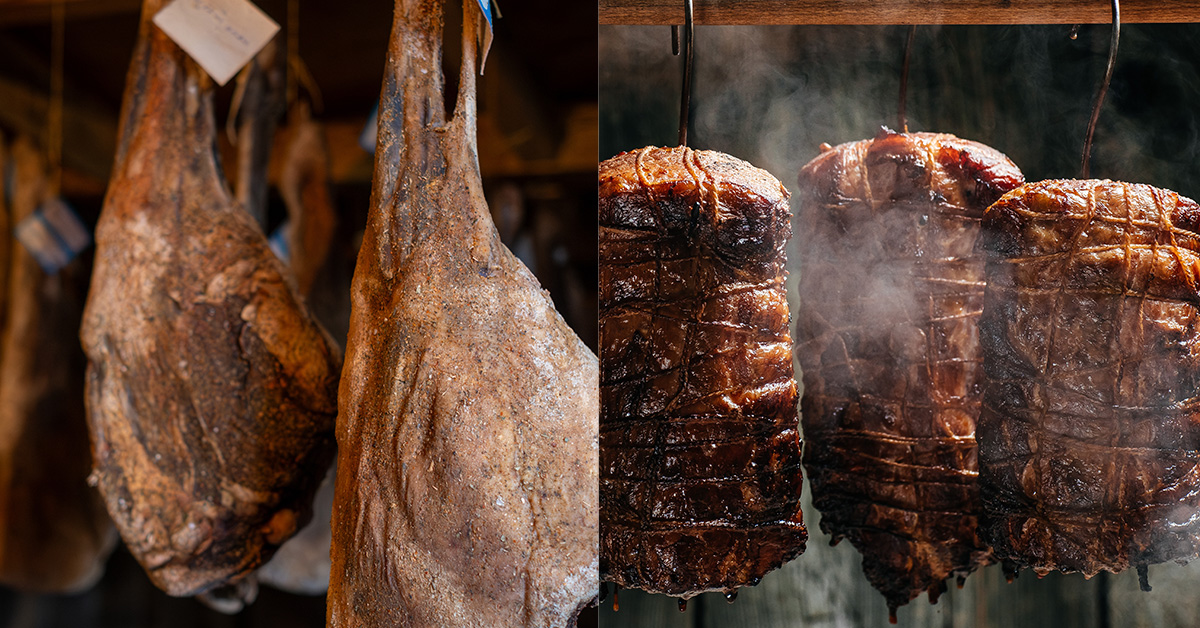
For beginners, hot smoking is simpler and safer, while cold smoking offers unique flavors but demands precision and patience.
Cold Smoking: Deep Flavor Without Cooking
How Cold Smoking Works
Cold smoking adds rich, smoky flavors to meat without actually cooking it. The meat stays raw unless it’s pre-cured or cooked afterward. To keep the process under control, smoker temperatures must stay below 90°F – ideally below 70°F for more delicate foods. This requires a pellet smoker, wood pellets, and a reliable thermometer to avoid accidental cooking. When done correctly, cold smoking creates a foundation for a flavor-packed result.

Flavor Profile and Best Meats for Cold Smoking
This method is all about infusing a deep, smoky essence while preserving the raw texture of the meat. It allows the smoke to penetrate fully, enhancing flavor and even offering slight antimicrobial effects. Cold smoking works best with cured items like salmon, bacon, ham, sausages, or even steaks intended for later cooking. Salt curing is a key step – it reduces moisture, enhances flavor, and helps the smoke stick. Adding sugar to the cure can balance the saltiness for a more rounded taste. After smoking, refrigerating the meat in a vacuum-sealed bag for 8–10 days helps tone down any overly sharp or ashy flavors.
Why Cold Smoking Doesn’t Preserve Meat Well
Although cold smoking excels at flavor, it falls short as a preservation method. The low temperatures used in this process don’t bring the meat out of the bacterial "Danger Zone" (40°F to 140°F), where harmful bacteria thrive. For meat to be safely preserved, it needs to reach internal temperatures of at least 145°F for whole cuts, 160°F for ground meat, or 165°F for poultry. Cold smoking doesn’t achieve these levels, leaving the meat under-processed.
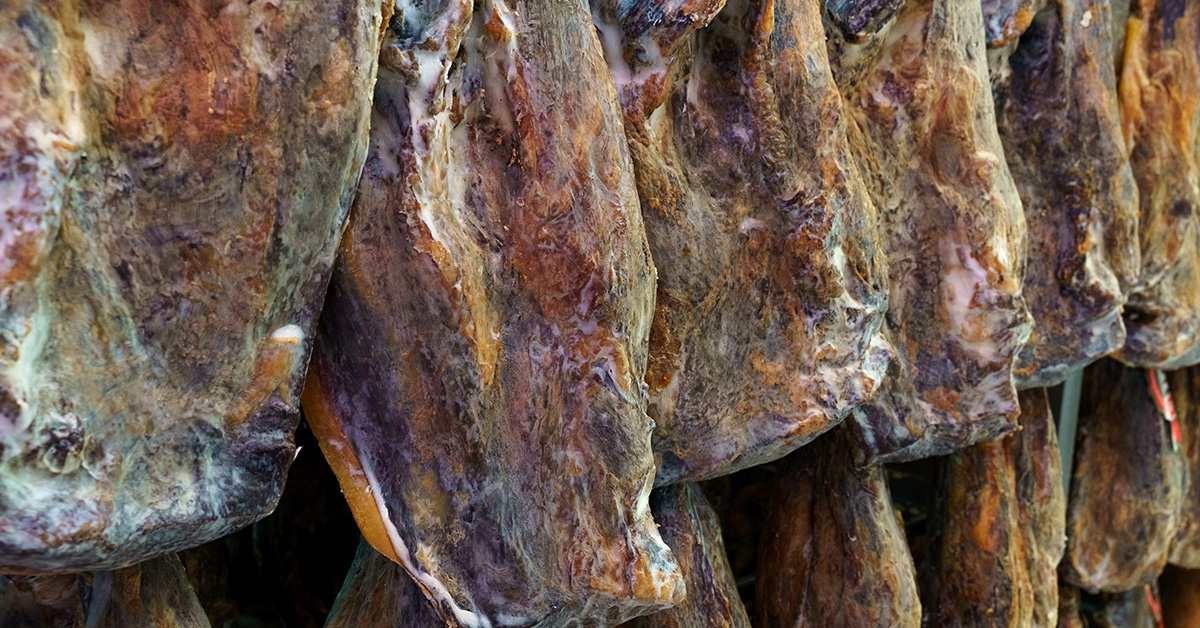
"Smoke itself, without proper cooking, is not an effective food preservative." – National Center for Home Food Preservation
To make cold smoking safer, curing with salt or nitrites beforehand is a must. This step slows bacterial growth while the meat stays in unsafe temperature ranges. Even with curing, cold-smoked products are highly perishable and need to be treated like raw meat or fish. They should be refrigerated immediately (below 40°F) unless they’ve been heavily dry-cured to reduce moisture by 18% to 25%. For fish, freezing is an additional safety measure – either to 4°F for 7 days or -10°F for 7 days – to kill parasites before processing.
sbb-itb-5ae85c5
Hot Smoking: Cooking and Flavoring Combined
How Hot Smoking Works
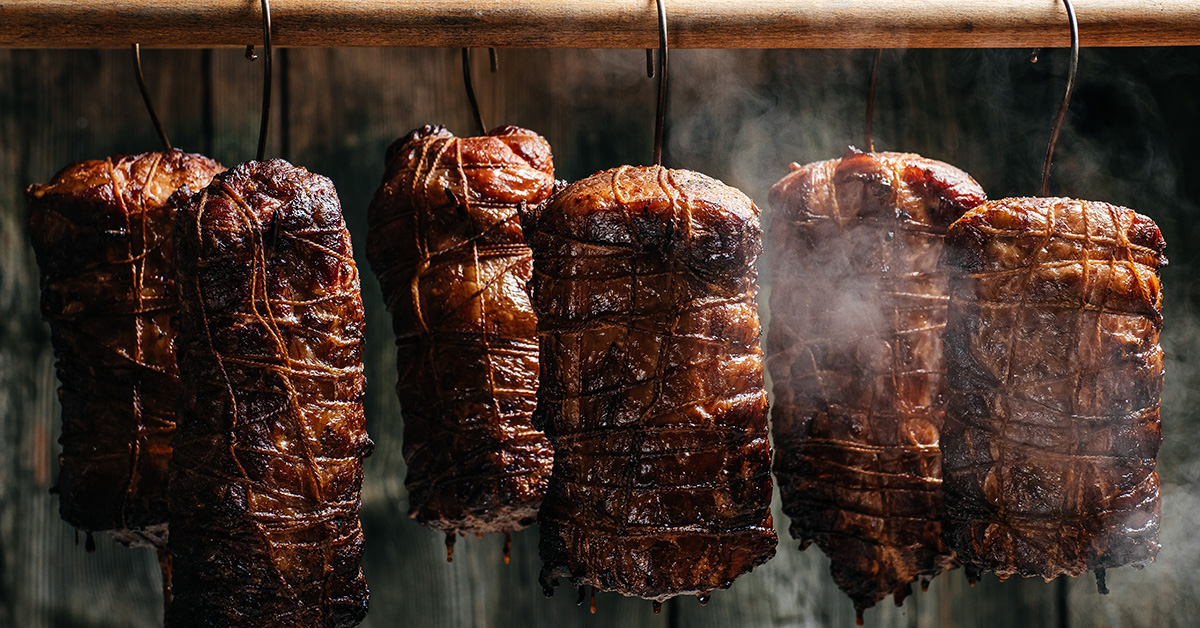
Hot smoking is a method that cooks meat indirectly over a low fire, typically between 225°F and 300°F. This slow process not only ensures the meat is fully cooked but also infuses it with a rich, smoky flavor. To do it right, you’ll need two thermometers – one to monitor the air temperature inside the smoker and another to check the meat’s internal temperature. Adding a water pan beneath the meat is a smart move, as it helps maintain a moist environment, which prevents the meat from drying out and aids in killing harmful bacteria. Depending on the size and type of meat, the process can take anywhere from 4 to 8 hours.
Flavor Profile and Best Meats for Hot Smoking
Hot smoking delivers a bold, smoky flavor and a fully cooked texture that’s hard to beat. The magic comes from the wood chips – hickory, apple, and maple are popular choices – that slowly release aromatic smoke as they burn, infusing the meat with their distinct flavors. This technique shines when used on larger cuts like beef brisket, pork roasts, hams, and bacon. It’s also fantastic for whole poultry, turkey breasts, sausages, and even fish like salmon and herring. Many pitmasters take it a step further by brining their meat in a saltwater solution beforehand. Brining helps the meat retain moisture during the long smoking process, ensuring it stays juicy and flavorful.
How Hot Smoking Extends Shelf Life
Hot smoking isn’t just about flavor – it’s also a practical way to preserve meat. The process relies on three key principles to extend shelf life. First, the heat kills bacteria, making sure meats reach safe internal temperatures: 145°F for beef and pork roasts, 160°F for ground meats, and 165°F for poultry. Second, the smoke itself contains chemical compounds that act as natural antimicrobials, slowing bacterial growth on the meat’s surface. Finally, the outer layer of the meat dries out during smoking, reducing the moisture that bacteria need to thrive.

"Smoking meat adds an appealing smoke flavor, but it also uses three mechanisms to preserve the meat. Heat will kill bacteria… Chemical compounds from the smoke have an antimicrobial effect. And finally, the outer surface of the meat dries." – K-State Extension
Even with these preservation benefits, hot-smoked meats are still perishable. Most will last about 3 to 4 days in the refrigerator, while hot-smoked fish can stay fresh for up to two weeks if stored below 38°F. For longer storage, freezing is the best option, though smoked meats generally don’t last as long in the freezer as freshly cooked ones. This balance of flavor and preservation makes hot smoking a versatile technique, setting the stage for a comparison with cold smoking methods.
What Affects Flavor and Preservation When Smoking
Temperature: Low and Slow vs. Higher Heat
When it comes to smoking meat, temperature is the key player. It not only determines how tender your meat turns out but also impacts how long it can be stored safely. The classic low-and-slow method, where temperatures range between 225°F and 250°F, is a popular choice for good reason. It breaks down tough connective tissue, making the meat tender, while also allowing smoke to deposit antimicrobial compounds on the surface. If you’re short on time, you can push the heat up to 300°F, but be prepared to trade off some tenderness.

Temperature control does more than just cook the meat – it creates a dry surface that slows bacterial growth. However, there’s a critical range to avoid: 40°F–140°F. This is the danger zone where bacteria multiply rapidly. To stay safe, always use two thermometers – one to monitor the smoker’s air temperature and another to track the meat’s internal temperature. Aim for at least 145°F for beef and pork roasts (with a three-minute rest), 160°F for ground meats, and 165°F for poultry. Adding an extra layer of safety, pre-smoking techniques like curing can further protect against bacteria while enhancing flavor.
Curing Before Smoking
Curing meat before smoking isn’t just a step – it’s a game-changer. By using salt and sodium nitrite, curing removes moisture, reduces water activity, and prevents the growth of harmful bacteria like Clostridium botulinum. This also ramps up the meat’s umami flavor, giving it that rich, savory taste. Sodium nitrite, found in curing salts like Prague Powder #1, is especially important for safety, as it protects against botulism – a serious risk in the low-oxygen environment of a smoker.
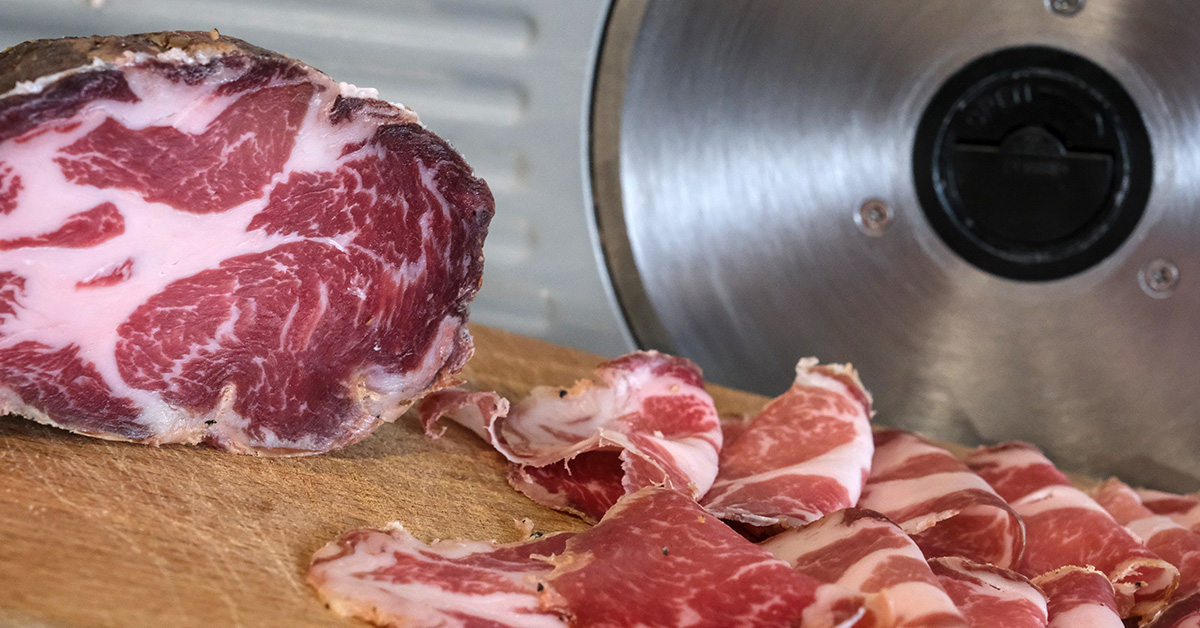
But curing doesn’t stop at safety. It transforms the meat’s flavor and texture. As salt penetrates, it breaks down proteins into amino acids like glutamate, alanine, and leucine, amplifying that savory taste. It also firms up the texture and locks in a vibrant pink-red color. If you’re dry-curing, you’ll know the meat is ready when it has lost about 30% of its original weight. For the best results, cure the meat at temperatures between 35°F and 40°F. Anything colder, and the cure won’t penetrate properly; anything warmer, and bacteria could grow.
Choosing Wood for Flavor and Preservation
The type of wood you choose for smoking is the final piece of the puzzle. Wood smoke doesn’t just add flavor – it also helps preserve the meat. Compounds in the smoke, like phenolics, carbonyls, and lactones, give the meat its smoky aroma and taste. At the same time, antimicrobial agents like formaldehyde and acetic acid work to slow bacterial growth. For the best results, stick to hardwoods like hickory, oak, apple, or cherry. Avoid softwoods like pine or spruce, as their pitch can leave a bitter taste and an unpleasant residue on the meat.
Each type of wood brings something unique to the table. Hickory adds a bold, bacon-like flavor that pairs perfectly with beef and pork, while apple and cherry woods offer a sweeter, lighter touch that’s great for poultry. Mesquite delivers a strong, earthy flavor ideal for red meats, and oak provides a versatile medium-to-strong smokiness. One thing to note: higher smoking temperatures, around 203°F (95°C), can lead to a significant increase in polycyclic aromatic hydrocarbons (PAHs), which are harmful compounds. If you’re concerned about PAHs, opt for woods like apple and walnut, which produce lower levels compared to plum, alder, or birch.
Cured Meat Q&A: Cold Smoking vs. Hot Smoking Meat
Cold Smoking vs. Hot Smoking: Side-by-Side Comparison
Cold smoking and hot smoking take very different paths when it comes to flavor and preparation. Hot smoking is essentially a cooking method. It operates at temperatures between 225°F and 300°F, cooking the meat while infusing it with a smoky flavor. This makes it perfect for cuts like brisket, ribs, or whole chickens. Cold smoking, on the other hand, focuses solely on adding smoky flavor without cooking the meat. It works at much lower temperatures – 40°F to 140°F – a range often referred to as the "danger zone" because it can promote bacterial growth. For this reason, items like salmon lox or prosciutto require curing beforehand.
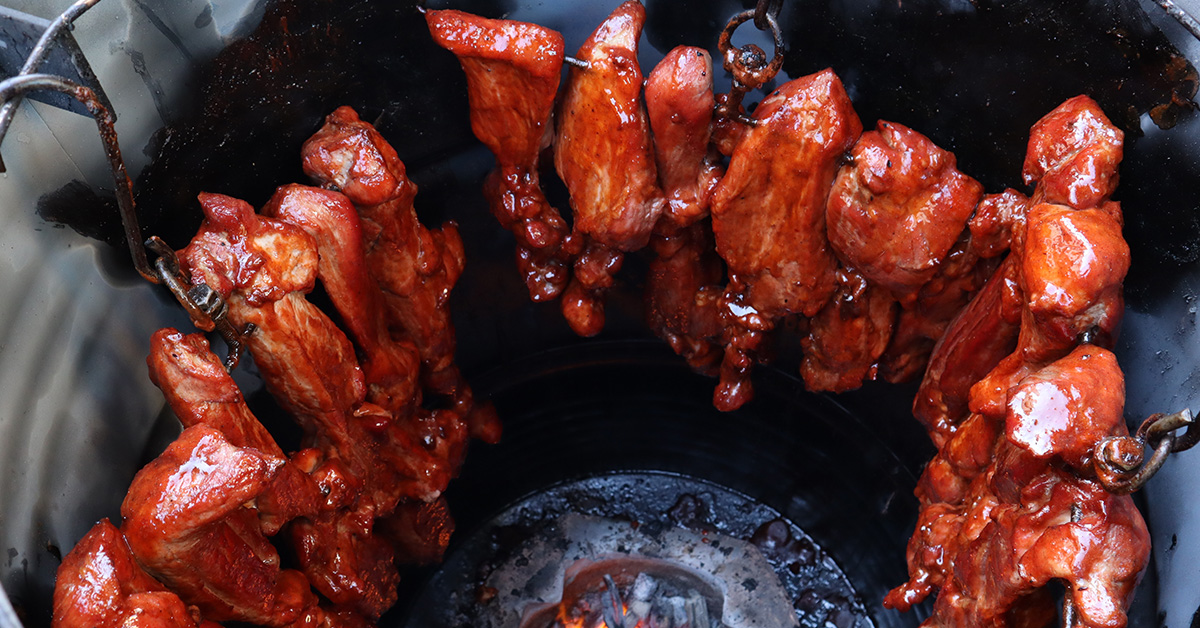
The safety measures for these methods differ drastically. Hot smoking uses heat (145°F–165°F) to both flavor the meat and eliminate harmful bacteria. Cold smoking, however, relies on curing and the antimicrobial properties of smoke to keep the food safe. Without proper curing, the risks of foodborne illness increase significantly. As the National Center for Home Food Preservation warns:
"Smoke itself, without proper cooking, is not an effective food preservative".
| Feature | Cold Smoking | Hot Smoking |
|---|---|---|
| Temperature Range | 40°F–140°F | 225°F–300°F (Smoker Temp) |
| Cooking Status | Meat remains raw (requires prior curing) | Meat is fully cooked |
| Duration | Days or weeks for preserved meats | 4–8 hours |
| Primary Preservation | Curing (salt/nitrites) + smoke compounds | Heat (kills bacteria) + drying + smoke |
| Texture | Firm and raw (ideal for products like lox or jerky) | Tender, flaky, and fully cooked |
| Shelf Life | Variable; can be shelf-stable if heavily dried | Typically 3–4 days refrigerated |
| Common Uses | Salmon, dry-cured hams, hard cheeses | Brisket, ribs, pulled pork, poultry |
The table above highlights the key differences between these two methods. Hot smoking produces tender, fully cooked meats with a "fall-off-the-bone" texture, while cold smoking delivers a silky, raw finish – perfect for delicacies like smoked salmon. Hot-smoked meats require refrigeration and are best consumed within 3–4 days. In contrast, cold-smoked products like country hams can become shelf-stable if they lose 18% to 25% of their moisture content during the curing process.
For beginners, hot smoking is often the safer and easier choice. It eliminates the need to navigate the complexities of curing and requires only basic tools, such as two thermometers – one for the smoker’s air temperature and another for the meat’s internal temperature. Cold smoking, while more demanding in terms of knowledge and patience, opens up opportunities to craft traditional, preserved products with unique flavors.
For more tips on mastering these techniques, check out the expert advice and artisanal smoked meat offerings from Wild Country Meats.
Tips for Balancing Flavor and Preservation
Start with High-Quality Meat
Always begin with fresh, high-quality meat – curing and smoking won’t fix spoiled cuts. The quality of your meat directly impacts both flavor and shelf life. Cuts with good fat content and marbling tend to absorb smoke more evenly and cure more effectively. For a reliable source, consider options like Wild Country Meats, which offers custom processing and premium cuts. Their USDA-inspected traceability ensures consistency and confidence in every piece. Starting with top-notch meat sets the stage for achieving the perfect balance of flavor and preservation.
Combine Different Smoking Methods
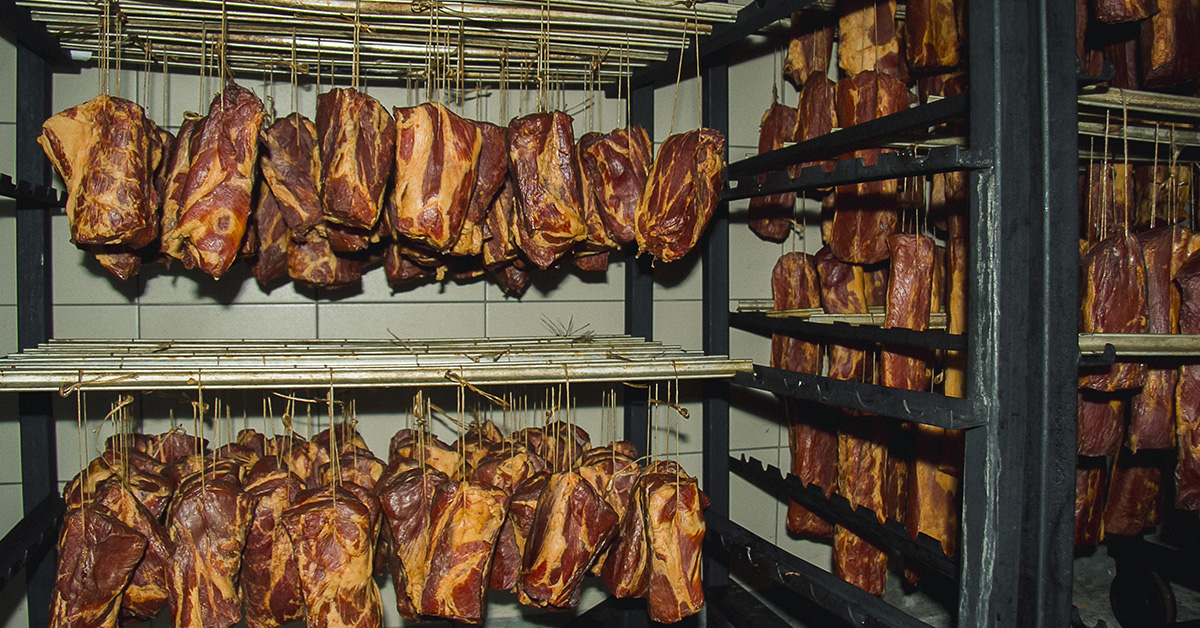
Once you’ve secured quality meat, combining smoking methods can further enhance both taste and preservation. A common approach is to use cold and hot smoking in sequence. Start with cold smoking to develop rich flavors and initiate the drying process, keeping the temperature between 50°F and 86°F. This allows compounds like guaiacol and syringol to infuse the meat without cooking the proteins. After several hours, finish with hot smoking to complete the preservation process while retaining the complex smoky flavors. For meats intended for long-term storage, aim for a weight loss of 20% to 25% through repeated cold smoking and drying cycles. Remember, a proper salt cure is essential before extended cold smoking to ensure safety and effectiveness.
Try Different Woods and Seasonings
The type of wood you choose has a big impact on both flavor and preservation. Hardwoods like hickory, apple, and maple not only create distinct flavor profiles but also release antimicrobial compounds during combustion, aiding in preservation. Hickory adds a bold, smoky taste, while apple and maple offer sweeter, milder flavors. To maintain steady smoke and avoid flare-ups, soak wood chips before adding them to the coals.
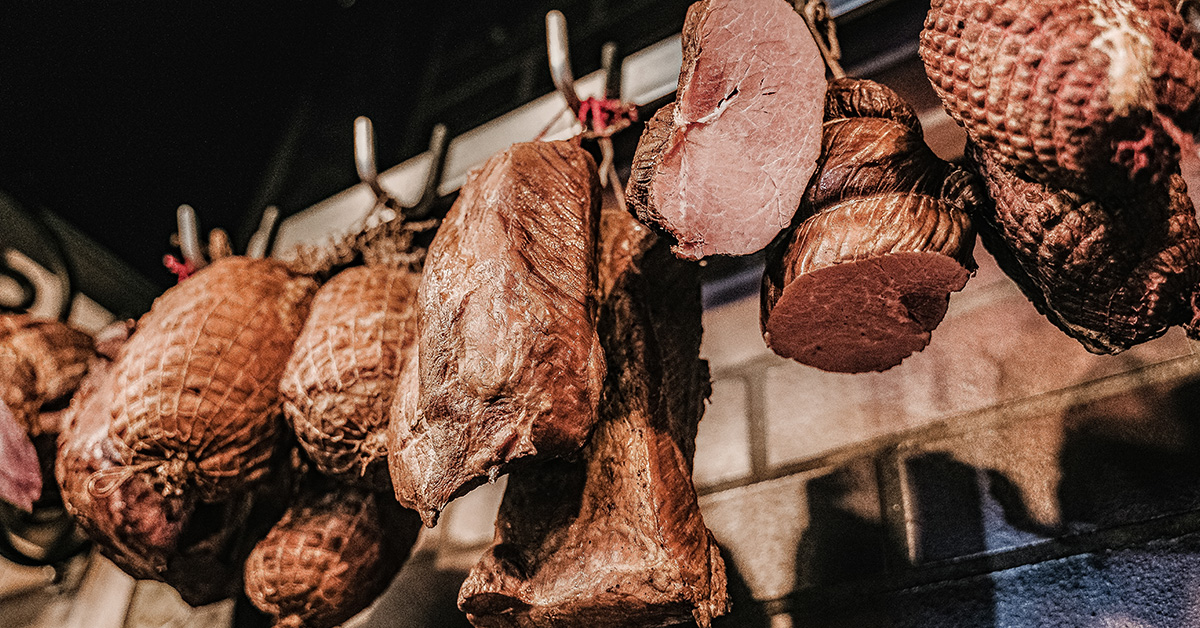
Seasoning is just as important. The salt content in your cure plays a critical role: higher concentrations (4% to 10% internal salt) significantly extend shelf life, while lighter cures work better for delicate meats like poultry to preserve their natural flavors. Adding sugar to your cure mix can balance the saltiness and help retain the meat’s color and texture. Experiment with different combinations of woods and seasonings, but always ensure that the meat is properly cured before smoking at low temperatures. This balance will enhance flavor while keeping food safety a priority.
Conclusion
Smoking meat is both an art and a science, combining bold flavors with preservation techniques. Hot smoking ensures fully cooked, flavorful meat that should be consumed within 3–4 days, while cold smoking – when paired with proper curing and moisture reduction (18%–25%) – extends shelf life. It’s important to remember that smoke alone isn’t enough to preserve meat; the real magic happens through the combination of heat, curing, drying, and the antimicrobial effects of the smoke.
Start with fresh, high-quality meat, and make sure to cure it properly before smoking. Keep a close eye on temperatures and cool the meat quickly to below 40°F to maintain both safety and quality. These steps are non-negotiable for achieving the best results.
Feel free to experiment with different techniques, such as blending cold and hot smoking, trying out various hardwoods like hickory or apple, and tweaking seasoning ratios. Each attempt offers a chance to refine your balance of flavor and preservation.
If you’re looking for expert advice or premium cuts, Wild Country Meats is a great resource. Their USDA-inspected processing, specialty smoked meats, and custom smoking services can support your journey. Whether you’re processing your own livestock, bringing in wild game, or exploring their smoked products and jerky, their locations in Hominy and Cleveland, Oklahoma, provide the quality and expertise you need.
FAQs
What safety steps should I follow when cold smoking meat?
When it comes to cold smoking meat, safety is the top priority to prevent harmful bacteria and ensure the meat is safe to consume. Start by fully defrosting the meat before smoking. Partially frozen meat can linger in the "Danger Zone" (40–140°F), a temperature range where bacteria multiply rapidly.
Hygiene is equally crucial. Wash your hands, utensils, and surfaces often, and take care to avoid cross-contamination. This means keeping raw meat separate from other foods and using clean tools throughout the process.
Temperature control is another key factor. Before smoking, make sure to dry the meat’s surface thoroughly. This step helps reduce bacterial growth. While smoke does have some antimicrobial properties, it’s not enough to rely on alone. To further ensure safety, use proper curing methods, including the right amount of salt and curing agents.
By following these precautions, you can enjoy cold-smoked meats that are not only flavorful but also safe to eat.
How does the type of wood used impact the flavor and shelf life of smoked meat?
The kind of wood you choose for smoking meat plays a huge role in shaping both its flavor and how well it’s preserved. If you’re after lighter, sweeter flavors, fruit woods like apple and cherry are excellent options. On the other hand, hardwoods like oak and hickory deliver bolder, smokier notes. Oak, in particular, is a favorite because it provides a steady, mild smoke that complements the natural taste of the meat without being too overpowering.
When it comes to preservation, wood smoke contains compounds such as phenols and formaldehyde that help slow bacterial growth and extend the meat’s shelf life. That said, the effectiveness of smoking depends on factors like the wood you use, how long you smoke the meat, and the temperature you maintain. To strike the perfect balance between flavor and safety, it’s important to use high-quality wood and avoid over-smoking or using excessively high temperatures, as these can create harmful compounds like PAHs. By choosing the right wood and smoking approach, you’ll end up with meat that’s both delicious and well-preserved.
Why is it important to cure meat before smoking it?
Curing plays a key role in preparing meat for smoking, as it boosts both safety and flavor. The process involves coating the meat with a blend of salt, nitrates, nitrites, sugar, and seasonings. This mixture pulls out moisture, making it more difficult for harmful bacteria to thrive, while also extending the meat’s shelf life. Importantly, curing helps guard against dangerous pathogens like Clostridium botulinum, ensuring the meat is safe to eat.
On top of safety, curing enhances the overall eating experience. It infuses the meat with rich flavors and improves its texture. The process also gives smoked meats their distinct color and signature taste. When paired with smoking, curing strikes a perfect balance between preservation and flavor, delivering a product that’s both delicious and long-lasting.