
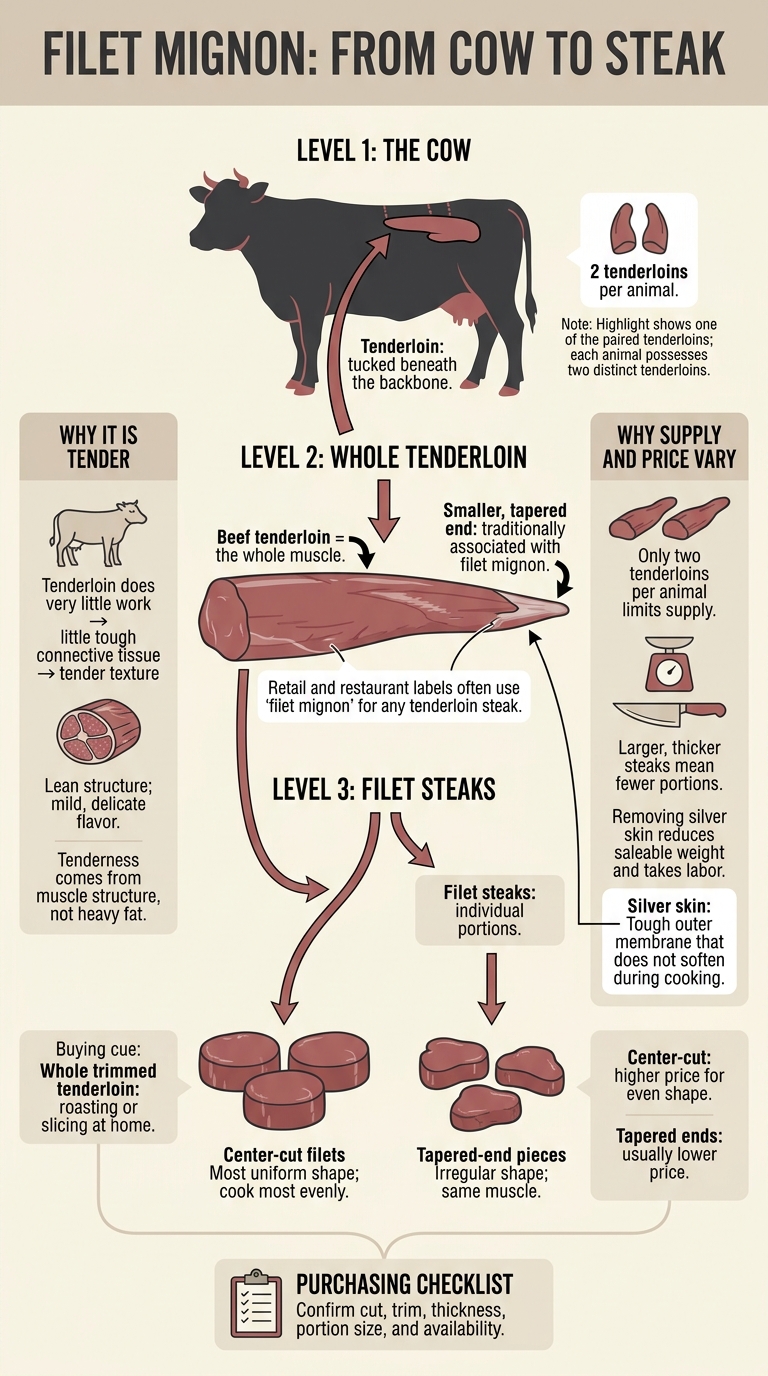
Filet mignon comes from the tenderloin, a long, narrow muscle tucked beneath the backbone. The name technically refers to the smaller, tapered end, but most butchers and restaurants use it for any steak cut from the tenderloin.
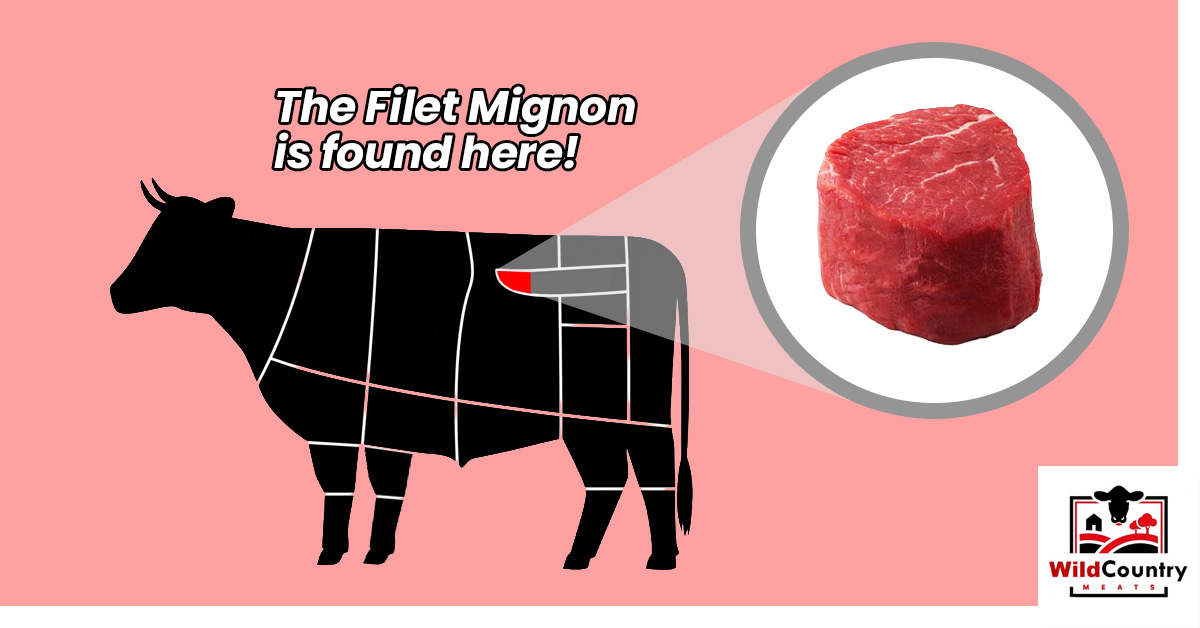
Every animal has only two tenderloins, so the supply is limited. That is why filet costs more than most steaks, and why your choices matter when you order it. Here is how the cut’s location connects to its tenderness, its price, and how to get it from us. For more on choosing steaks, see our guide to the best cuts of beef for family meal planning.
Where Filet Mignon Comes From on the Cow
Where Filet Mignon Comes From on the Cow
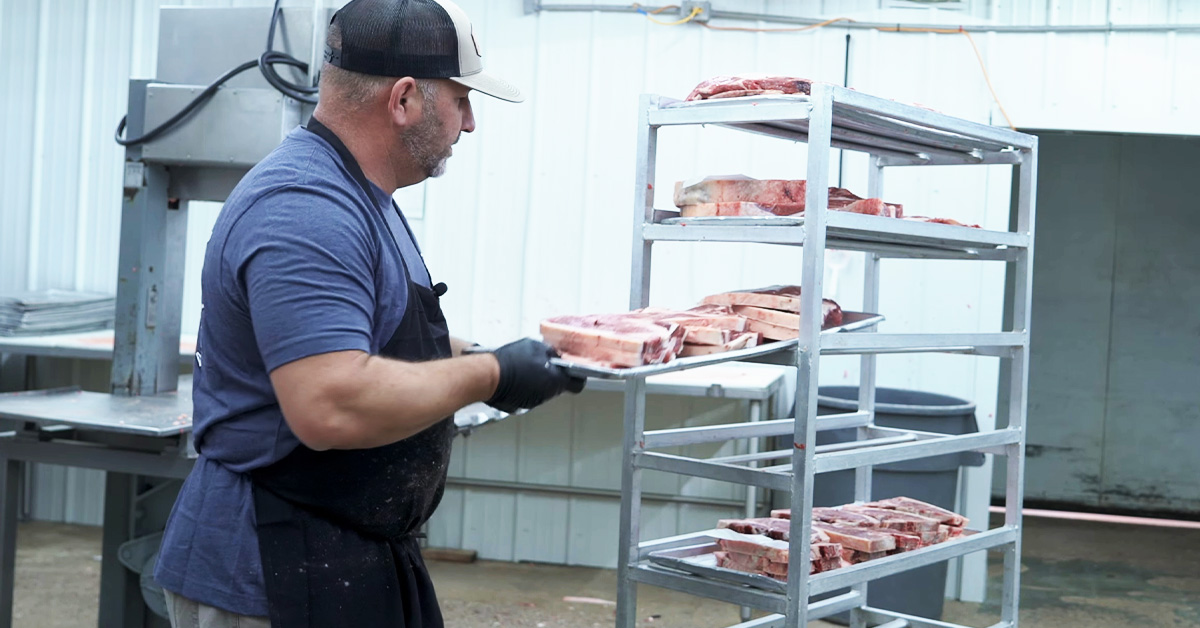
Watch our butcher show exactly where the filet comes from:
sbb-itb-5ae85c5
Why Filet Mignon Is Tender and Lean
The tenderloin does very little work, so it develops very little tough connective tissue. That is where its tenderness comes from.
Filet gets its tenderness from its muscle structure, not from heavy fat or marbling. We explain the difference in what makes a cut tender. Because it is so lean, filet has a mild, delicate flavor.
Before we cut steaks, we trim off the silver skin, a tough outer membrane that does not soften when you cook it.
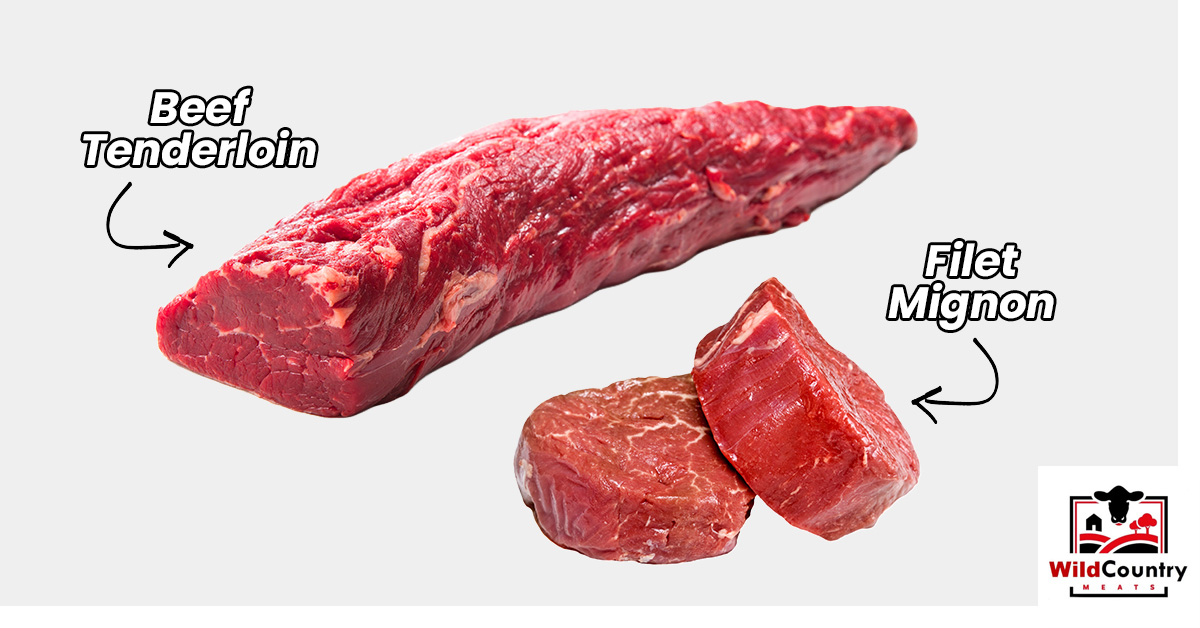
Filet Mignon vs. Beef Tenderloin
Beef tenderloin is the whole muscle. Filet mignon usually means the smaller, tapered end, though most labels use "filet mignon" for any steak cut from the tenderloin.
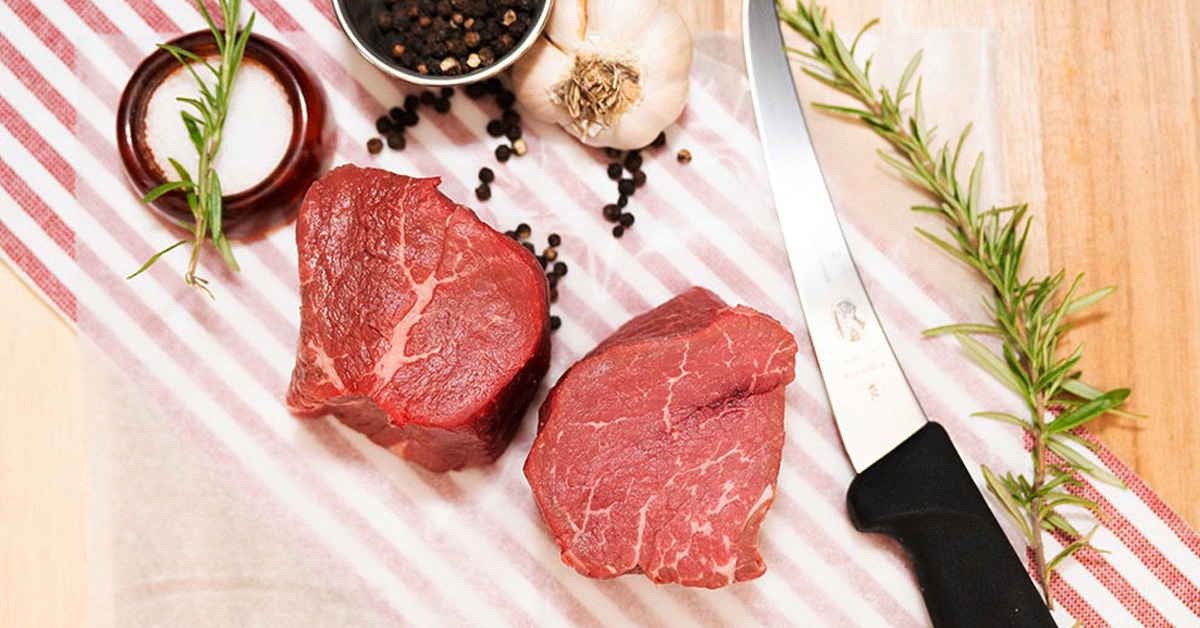
When you choose steaks, shape matters more than the label. Center-cut filets have the most even shape and cook the most evenly. Pieces from the tapered end are less uniform, but they come from the same tender muscle.
Why Limited Filet Yield Affects Price
Two tenderloins per animal is not much meat. How many steaks you get depends on the animal, how much we trim, and how thick the steaks are cut. Thicker steaks mean fewer steaks from the same tenderloin.
Trimming the silver skin also takes time and removes some weight. Together, limited supply and trim loss are why filet is one of the most expensive cuts.
Buying Filet at Wild Country Meats
You can get filet from us two ways: as ready-to-cook steaks, or as part of a custom-processed beef.
Retail Filet Mignon
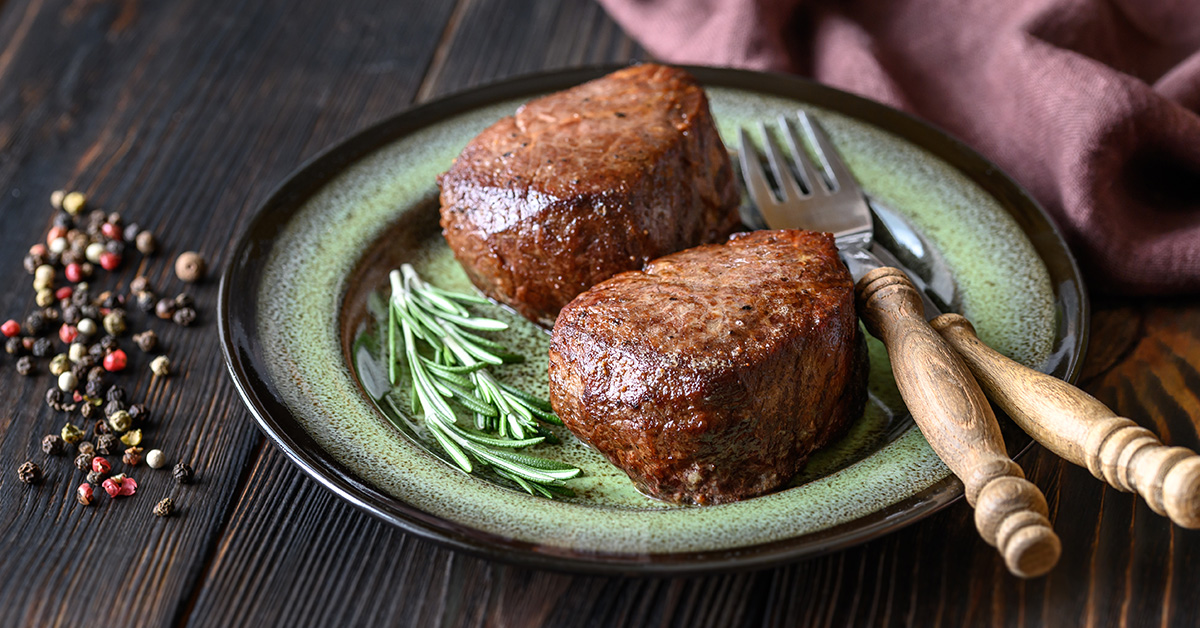
Our 2 (6 to 8 oz) Filet Mignons package is currently $34.95, on sale from $39.99. You can order it online for pickup or delivery, or see everything else we carry on our buy meat page.
Prices are subject to change without notice.
Custom Processing Requests
If you are having your own beef processed through our custom processing, you choose on our beef cutting order form between T-bone steaks or KC strips and filet mignon. A T-bone keeps a piece of the tenderloin on one side of the bone. Choosing strips and filets separates the tenderloin into its own steaks.
You can also pick your filet thickness: ¾ inch, 1 inch, 1¼ inches or 1½ inches. For anything else, like a whole tenderloin, use the special requests box on the form or call us at (918) 885-6758.
Key Takeaways
- Cut: Filet mignon comes from the tenderloin, beneath the backbone
- Naming: "Filet mignon" usually means any steak cut from the tenderloin
- Price: Only two tenderloins per animal, plus trim loss, keep filet expensive
- Ordering: Buy our filet mignon package, or choose KC strips and filets on your custom cut sheet
FAQs
What thickness should I request for filet mignon?
Our beef cutting order form offers ¾ inch, 1 inch, 1¼ inches and 1½ inches. For a thick, juicy filet with a good crust, 1¼ or 1½ inches is a good choice. If you want a quicker cook, go with 1 inch.
Is buying a whole tenderloin more economical?
Often, yes. A whole tenderloin usually costs less per pound than individual trimmed steaks, but you will need to trim the silver skin and cut your own steaks. If you are having beef custom processed, ask about a whole tenderloin in the special requests box.
Does requesting filets affect my other custom cuts?
Yes. On our cut sheet, you choose either T-bone steaks or KC strips and filet mignon. If you choose strips and filets, you will not get T-bones, because the tenderloin is cut into separate filets instead of staying on the bone.