We’ve learned that buying a half cow is one of the best ways to stock your freezer with high-quality beef while saving money. You get around 200–250 pounds of vacuum-sealed meat, including premium steaks, roasts, ground beef, and specialty cuts like brisket and short...
We know buying a quarter cow can feel overwhelming, but it’s simpler than you might think. When you order from us, you’re getting about 125 pounds of beef, divided into steaks, roasts, ground beef, and specialty cuts, all vacuum-sealed for easy storage. This mix gives...
We know that more people want to understand where their food comes from, especially their meat. Transparency matters: 80% of consumers believe tracking food origins is key to safety, and many are willing to pay extra for clear labeling. That is why we are committed to...
Buying a half cow in Tulsa is a cost-effective way to stock up on high-quality, locally sourced beef. Wild Country Meats simplifies the process, offering pre-packaged bundles with premium cuts like ribeyes, T-bones, and ground beef. Here’s what you need to know:...
Beef jerky is an ideal snack for anyone seeking a convenient, protein-rich option. Packed with 9–12 grams of protein per ounce, it helps curb hunger, supports muscle recovery, and avoids the sugar spikes common with other snacks. Its long shelf life and portability...
When deciding between a quarter or half beef, the choice depends on freezer space, budget, and how much beef your household consumes. Here’s a quick breakdown: Quarter Beef: Provides about 100–140 pounds of meat, needs 4–5 cubic feet of freezer space, and lasts...
When you purchase a side of beef, you’re getting 15 distinct cuts, ranging from premium steaks like filet and ribeye to versatile options like ground beef and soup bones. Each cut comes from a specific part of the cow, offering unique flavors and cooking...
When choosing meat, two key qualities often come up: marbling and tenderness. These terms are not the same, and understanding their differences can help you make better decisions for your meals. Marbling: Refers to the white streaks of fat within the meat. It impacts...
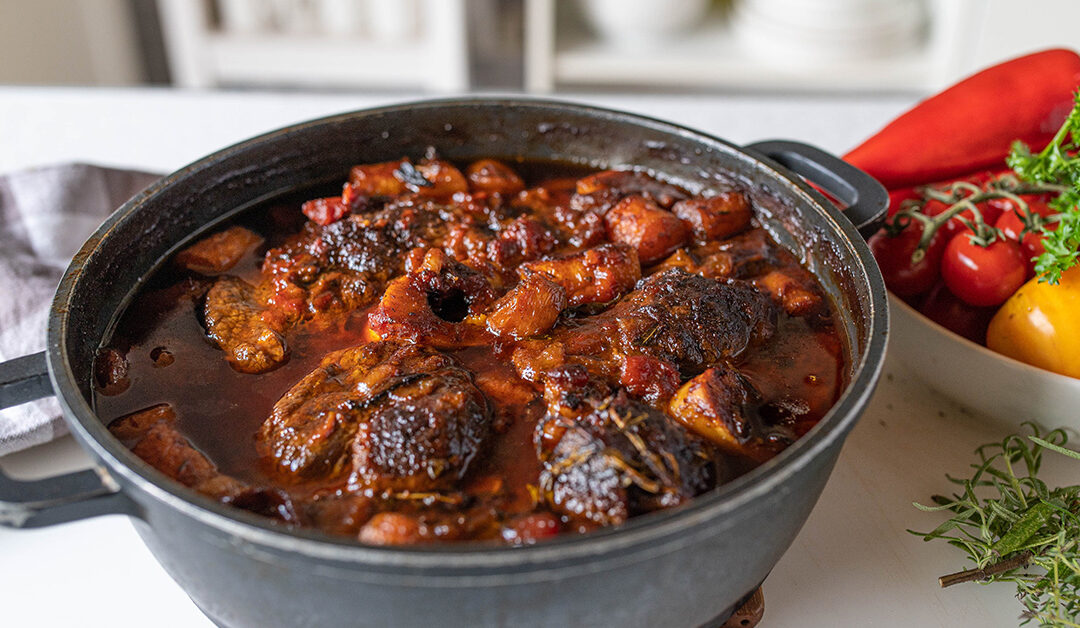
Tough cuts of meat like chuck roast, brisket, and beef shank are affordable, flavorful, and perfect for hearty meals. Their dense fibers and connective tissue make them challenging to cook quickly, but with the right methods – braising, slow cooking, and...
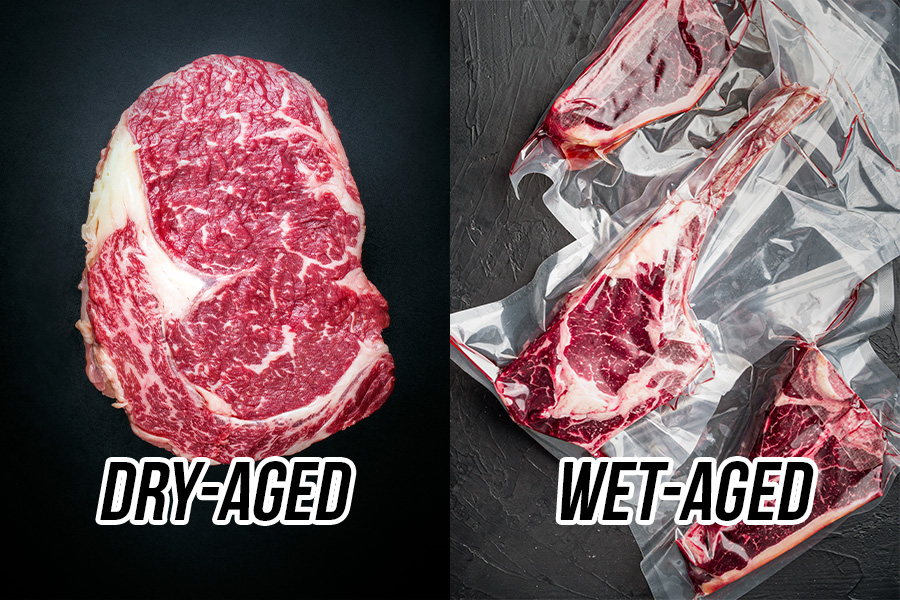
When choosing beef, understanding aging methods is key. Dry-aged and wet-aged beef differ in taste, texture, and price, and each suits different preferences and occasions. Dry-aged beef is aged in climate-controlled rooms for 28–55 days, creating bold, nutty flavors...